
Have you ever looked at a plain jacket and thought, “I could do something cool with it”? That feeling is the heart of fashion craft. It’s about taking clothing and accessories and turning them into something personal.
Think of it as the space where art meets your wardrobe. You don’t need to be a professional designer to do it.Whether you’re painting on an old pair of jeans, sewing a patch onto a bag, or completely rebuilding a thrift store find, you’re taking part in a movement that values creativity over trends.
This guide will help you understand what it is, why people love it, and how you can start with easy, real projects that actually work.
What Exactly is Fashion Craft?
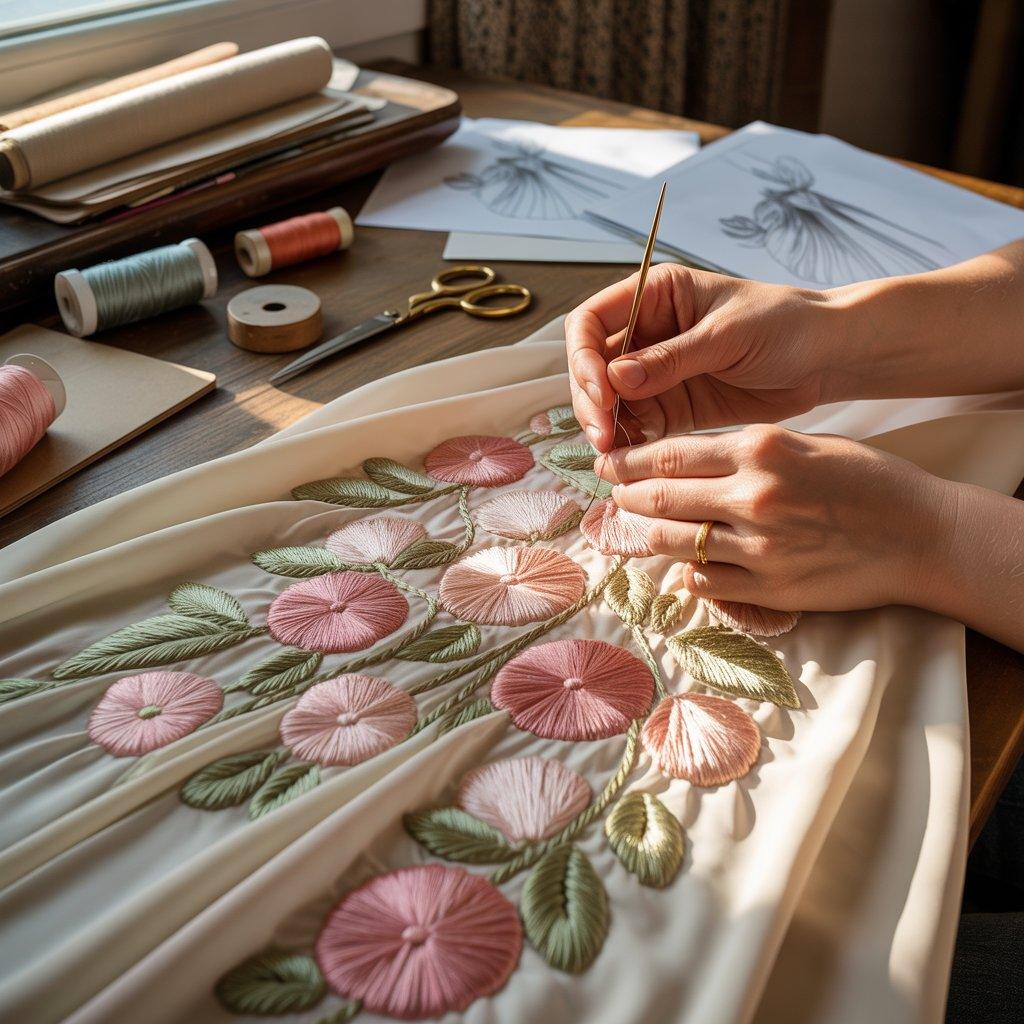
At its core, fashion craft is the practice of using hand-making skills to create or modify clothing. Unlike mass-produced fast fashion, these pieces carry the “hand of the maker” meaning they have character.
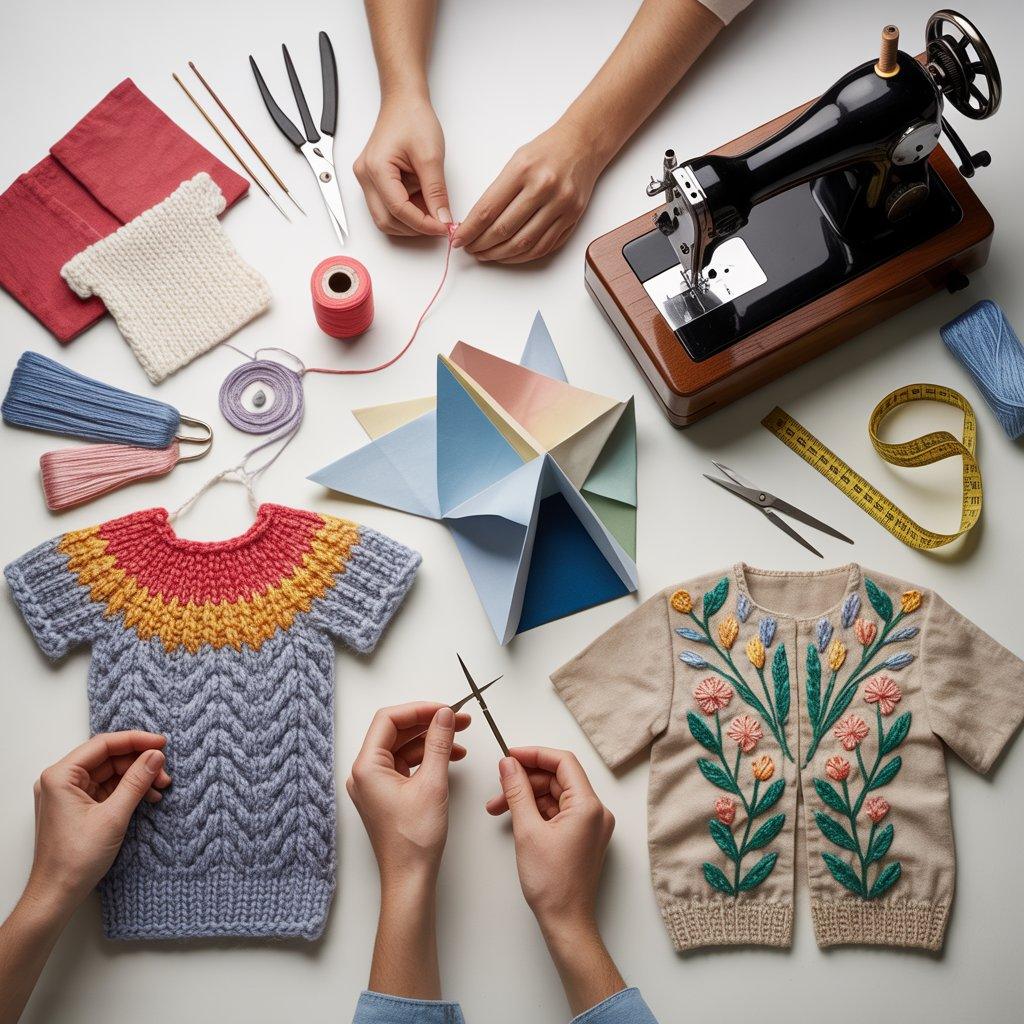
It includes a huge range of activities: embroidery, knitting, fabric manipulation, and even techniques like origami folds applied to fabric. The goal isn’t always perfection; it’s about expression.
When you engage in fashion craft, you become both the designer and the wearer, creating a connection to your clothes that you just can’t get from a shopping mall.
Upcycling: Giving Old Clothes New Life
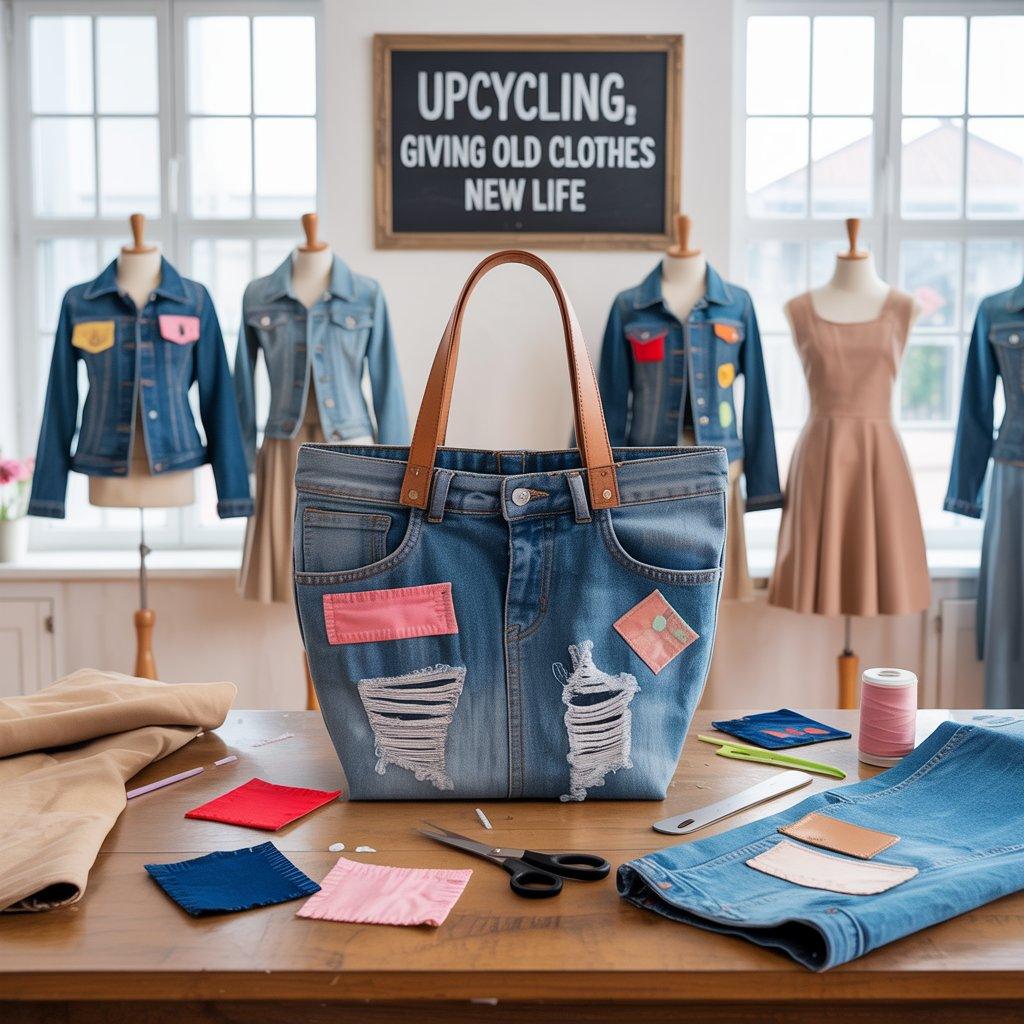
One of the most popular ways to start with fashion craft is upcycling. This means taking something old and turning it into something new and often better. Imagine a pair of damaged jeans.
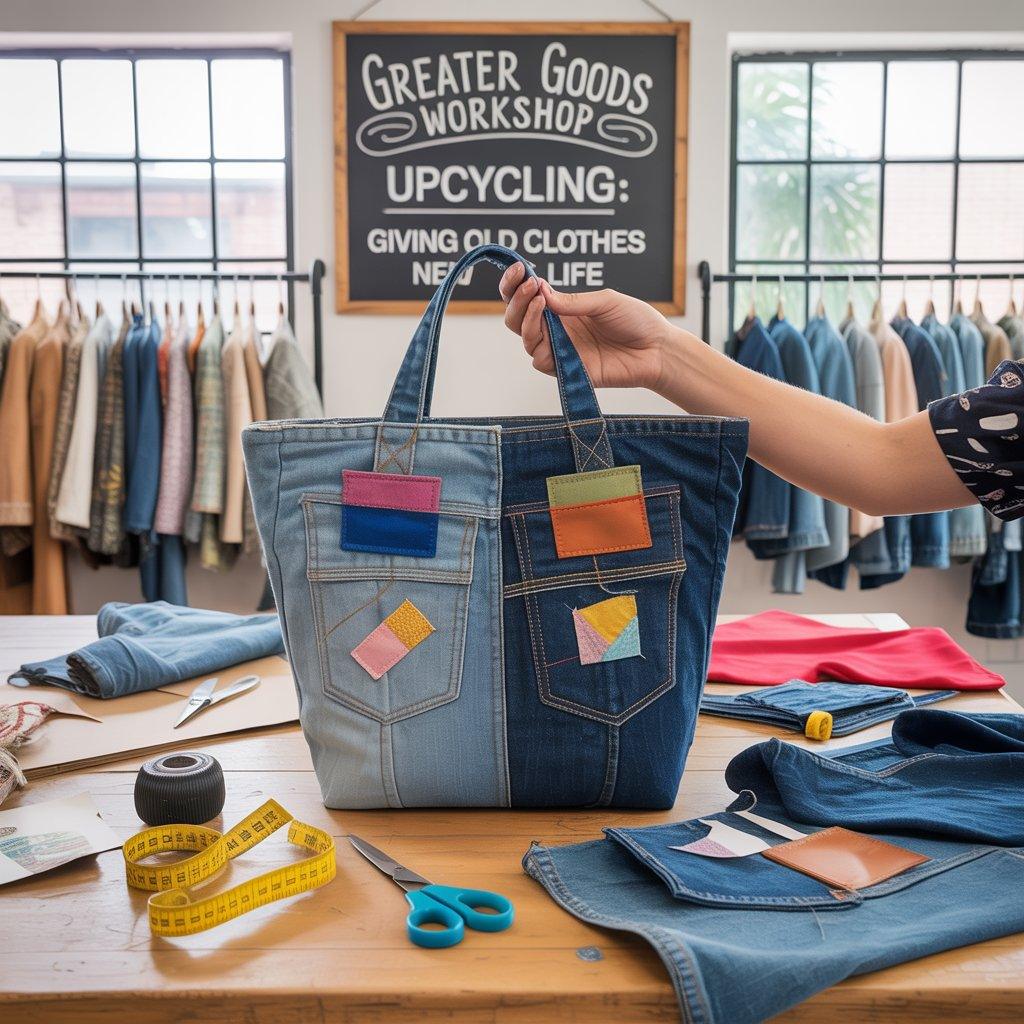
Instead of throwing them away, you could cut them into a stylish tote bag or add patches to cover the worn spots. In London, workshops like Greater Goods specialize in this, turning well-worn gear into professional-looking garments.
It’s a sustainable approach that reduces waste while building a unique wardrobe. Plus, it’s a fun challenge to look at a piece of clothing and ask, “What else could this be?”
Exploring Paper and Fabric Techniques
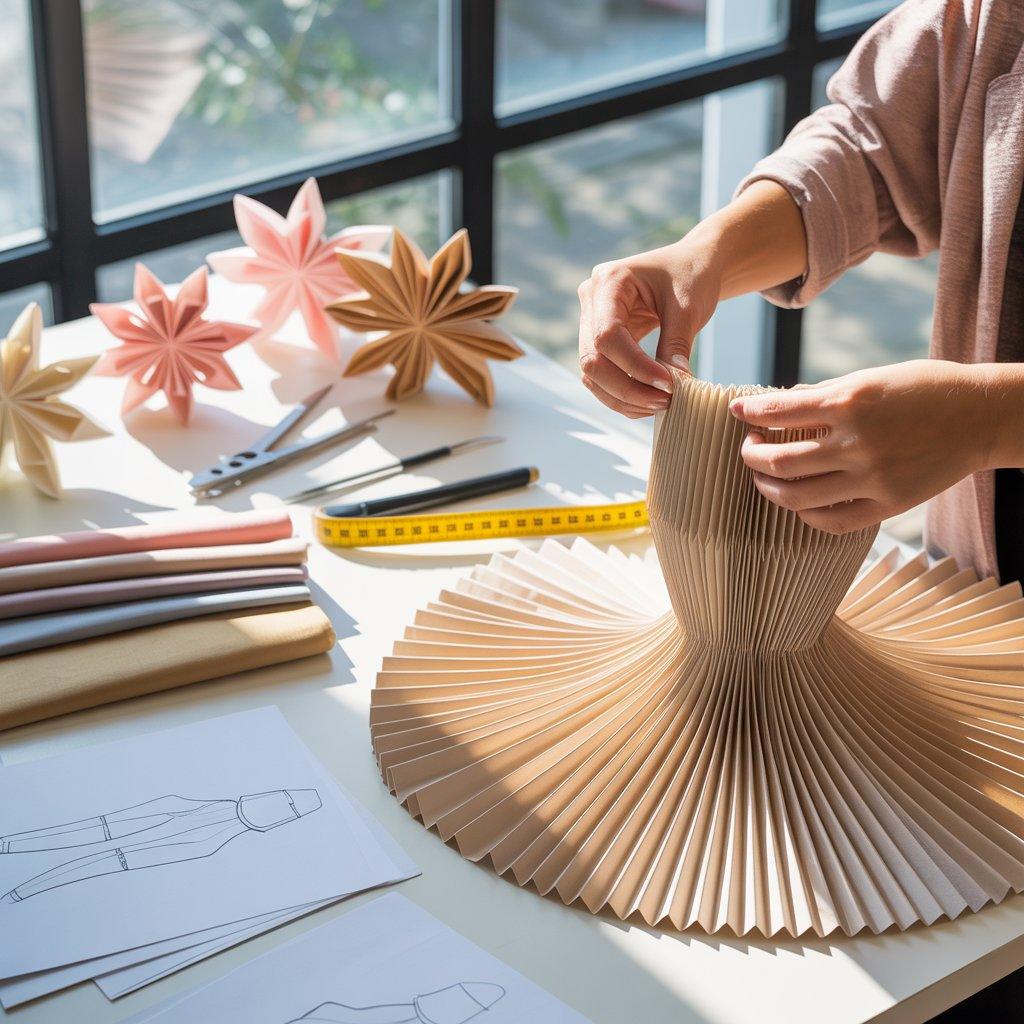
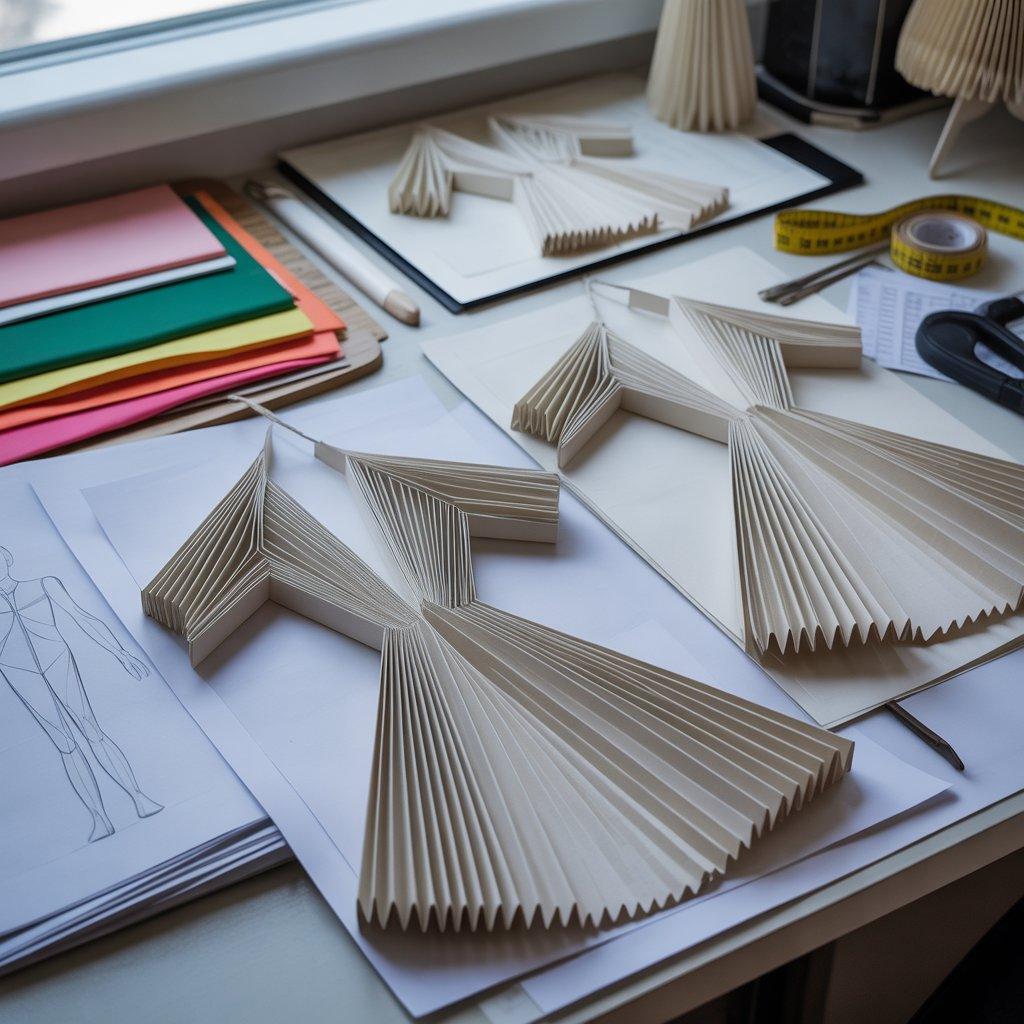
You might think fashion only involves sewing fabric, but fashion craft is much broader. Designers often use paper to prototype their ideas. Techniques like origami and quilling can create incredible 3D structures that later become fabric garments.
This isn’t just for experts; beginners can try folding paper to understand how shapes work before cutting into expensive fabric. It’s a great way to experiment with structure and movement. You get to play with materials in a way that feels more like art class than sewing class.
Denim Crafting: A Real World Example
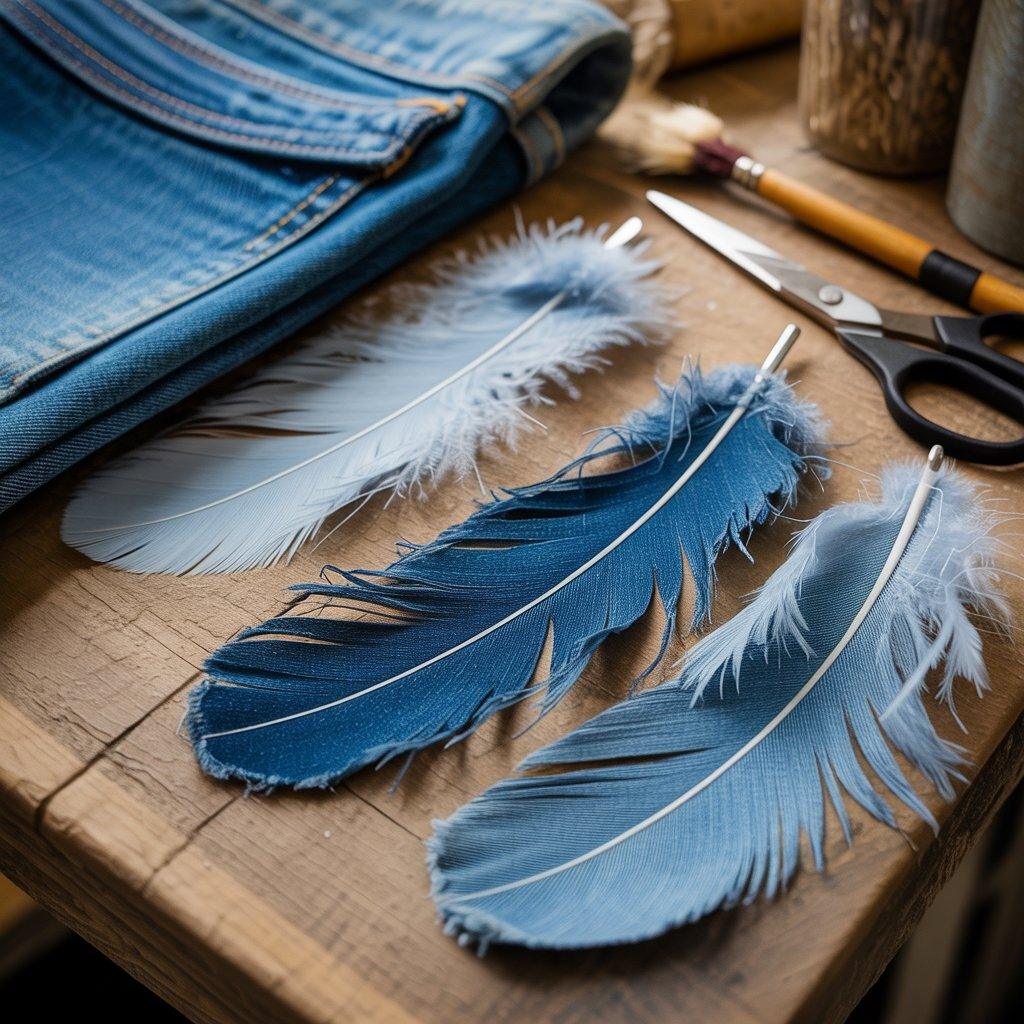
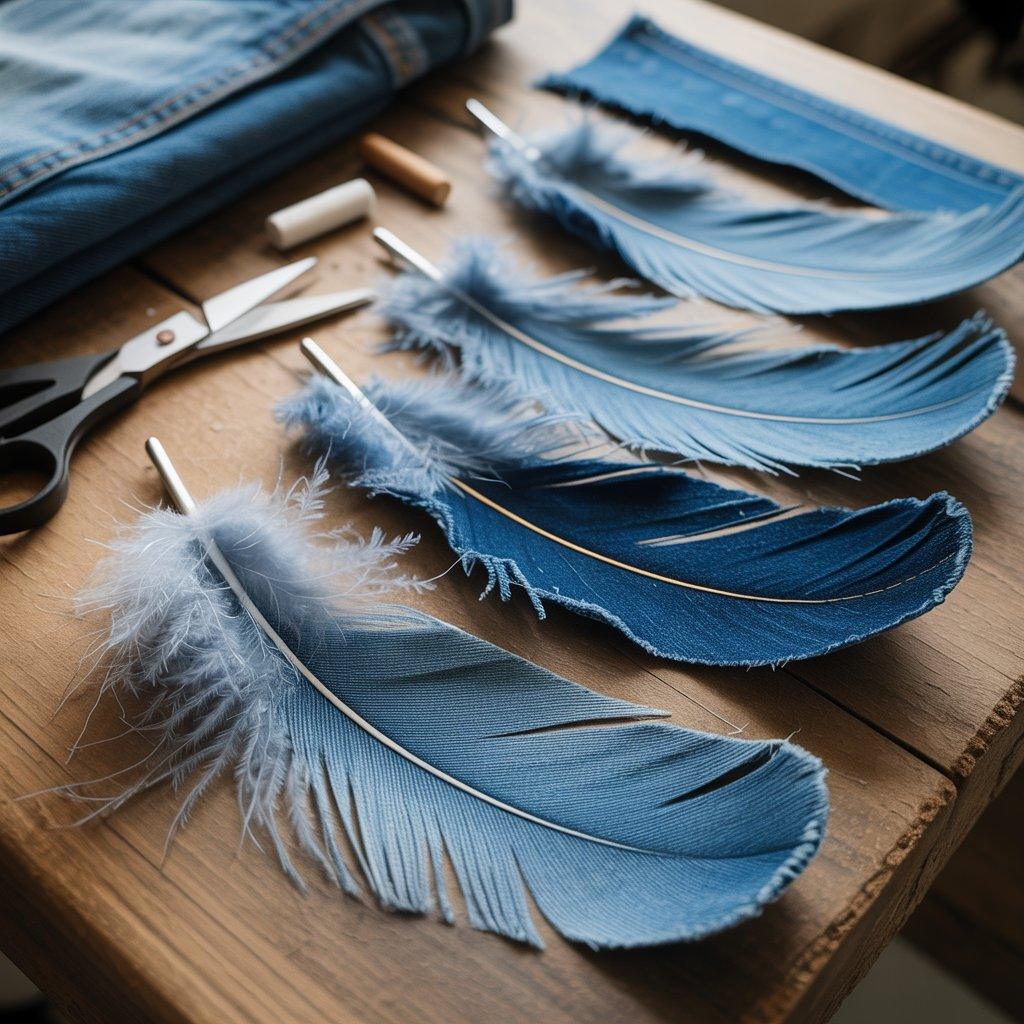
If you want a specific project to try, look at denim crafting. Denim is a sturdy fabric that is perfect for beginners. A popular trend right now is turning old jeans into delicate feather art.
You cut the denim into feather shapes, fray the edges with your fingers or a brush, and layer them to create realistic textures. These denim feathers can be used as brooches, bag charms, or even wall decor.
It shows how a material that feels tough can be manipulated into something soft and delicate. It is a perfect example of how fashion craft mixes practicality with artistry.
The World of Alternative Materials
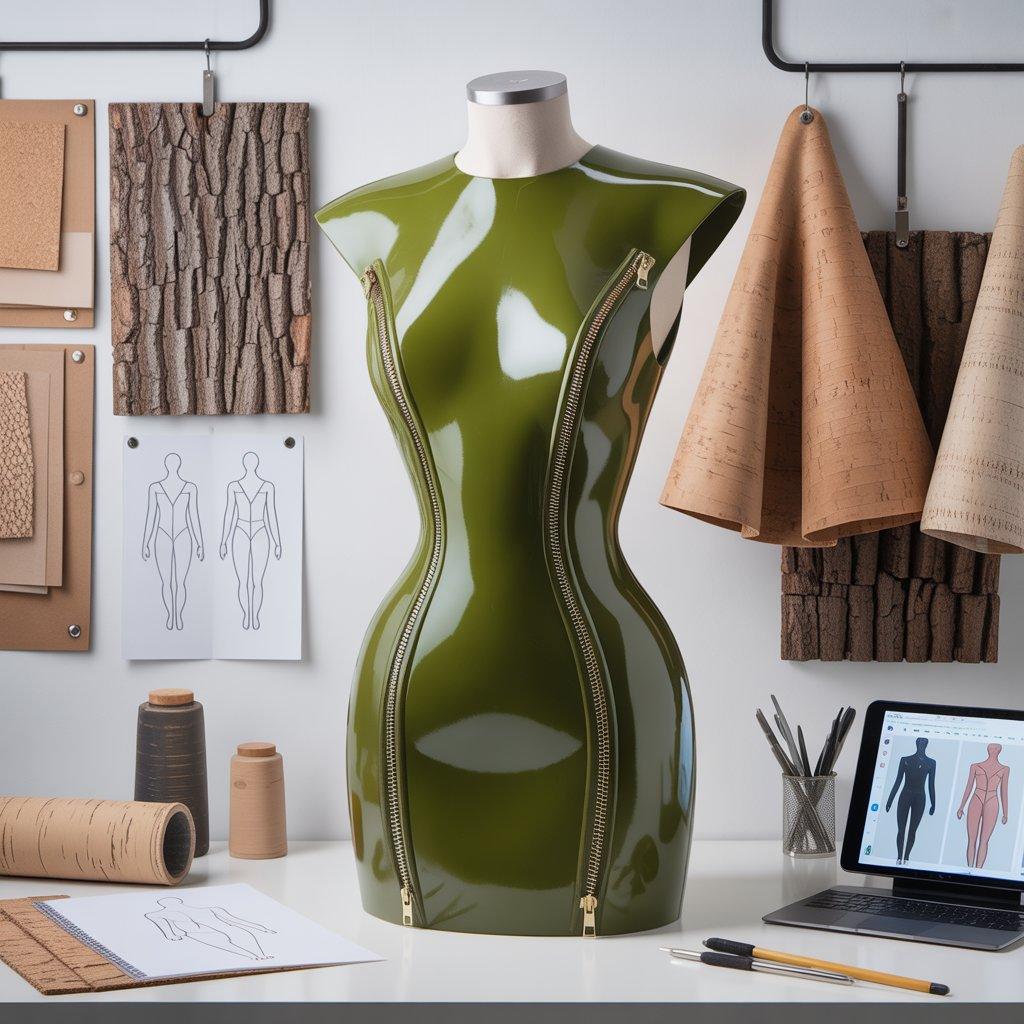
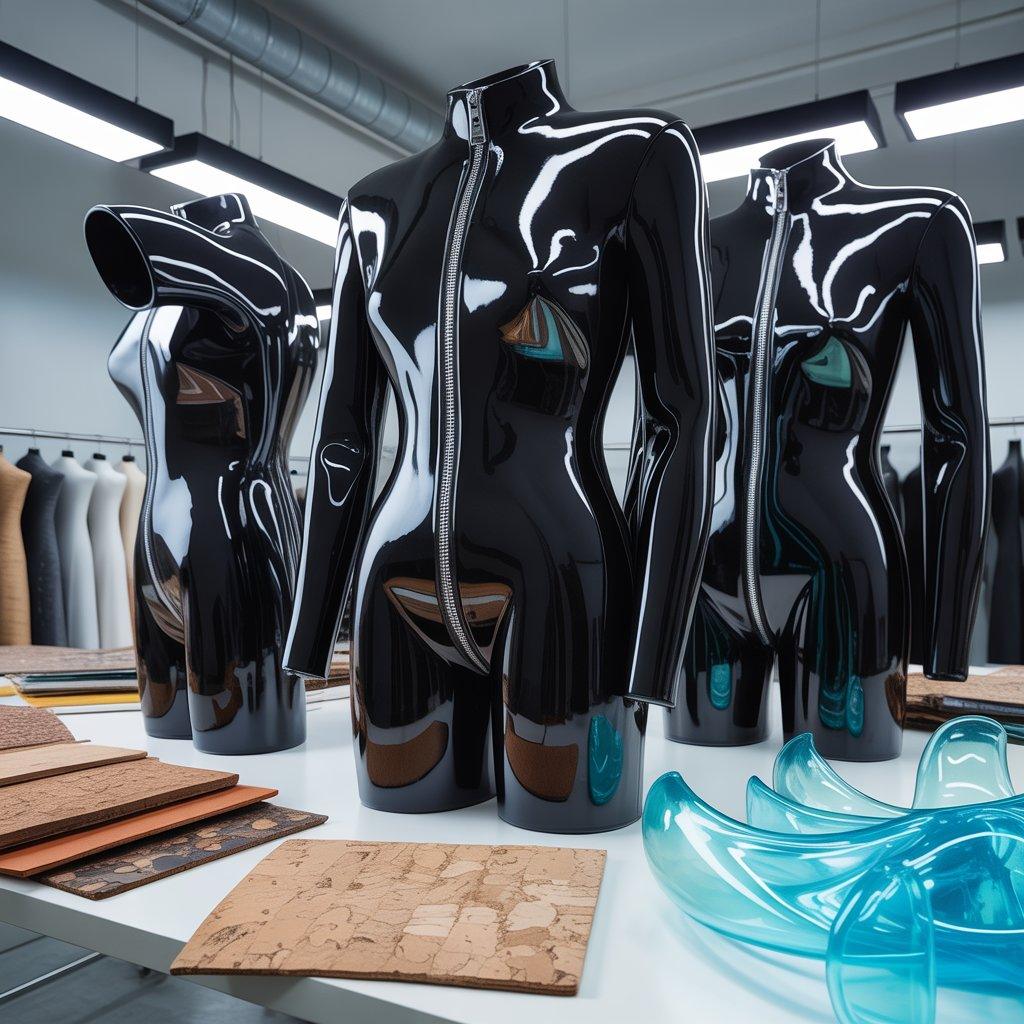
Fashion craft isn’t limited to cotton and polyester. Creatives are exploring materials like latex, which is surprisingly sustainable as it comes from tree sap.
Making latex clothes involves techniques like bonding seams (gluing them instead of sewing) and adding zippers. It sounds advanced, but many beginners pick it up through short courses or online tutorials.
It’s a bold material that allows for very sculptural, futuristic designs. Exploring alternative materials helps you think outside the box and realize that “fabric” can be just about anything you can wear.
Getting Started with Patterns
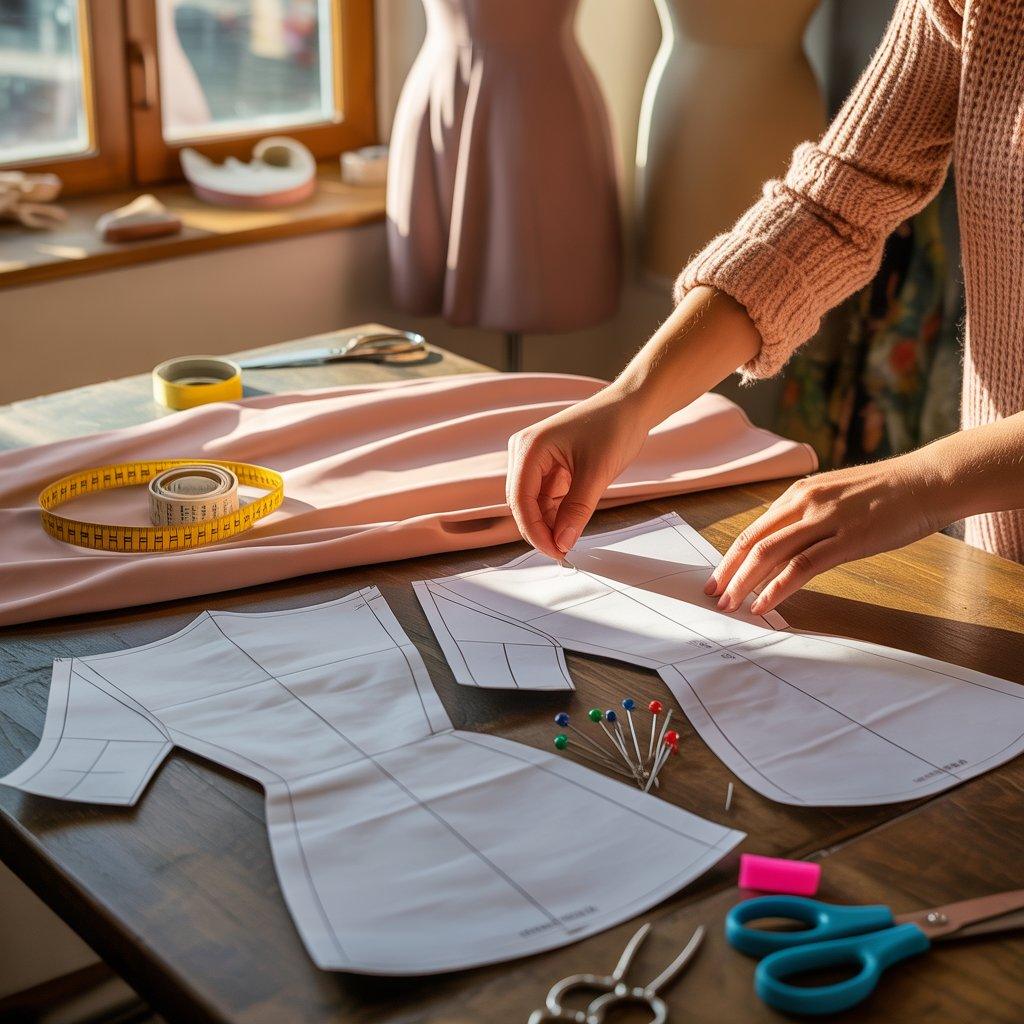
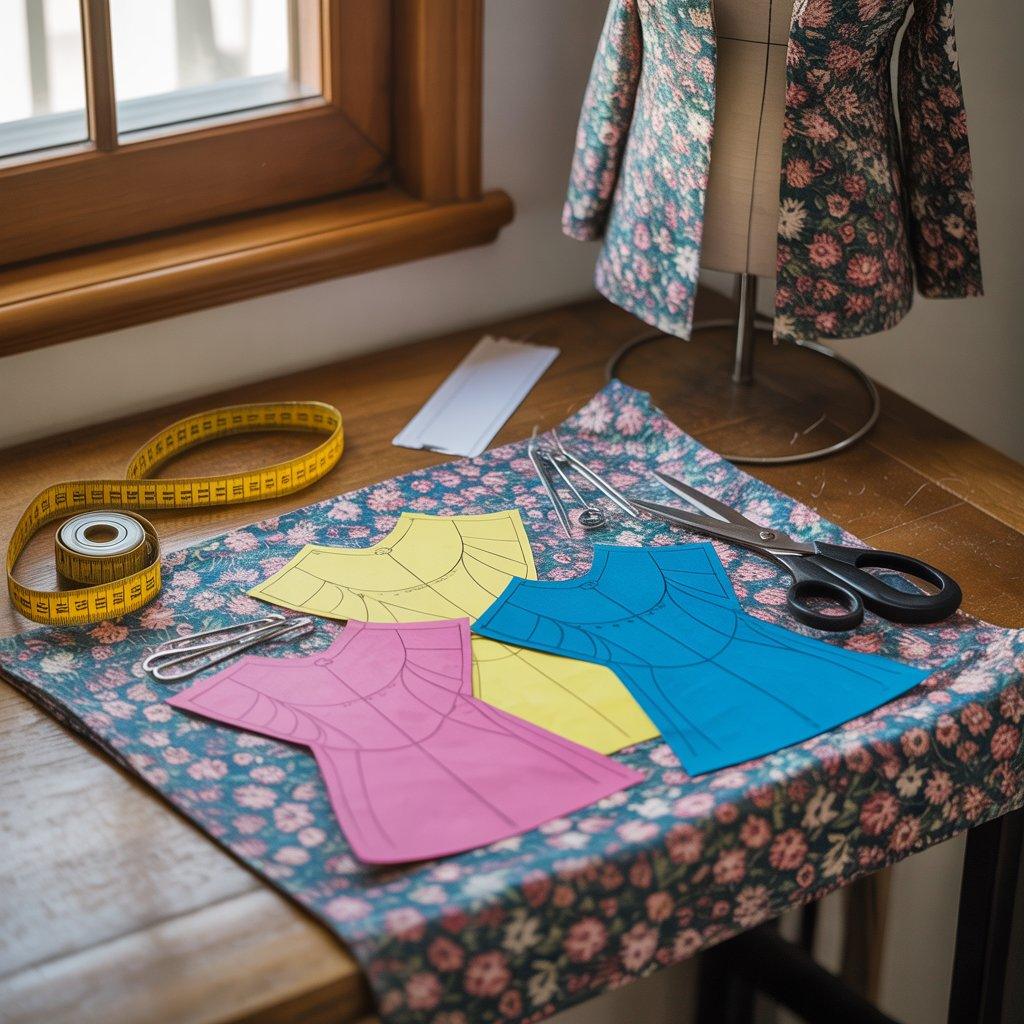
If you prefer structure, dressmaking is a fantastic branch of fashion craft. It all starts with a pattern. You measure your body, cut out the pattern pieces, and pin them to your fabric. This is where patience pays off.
When you cut the fabric, you want to follow the grainline to make sure everything hangs correctly. As you sew the pieces together, you’ll see a flat piece of material transform into a 3D garment.
It feels like magic, but it’s actually just careful planning. Starting with a simple skirt or a pair of shorts is a great way to build your confidence.
Essential Tools for the Beginner
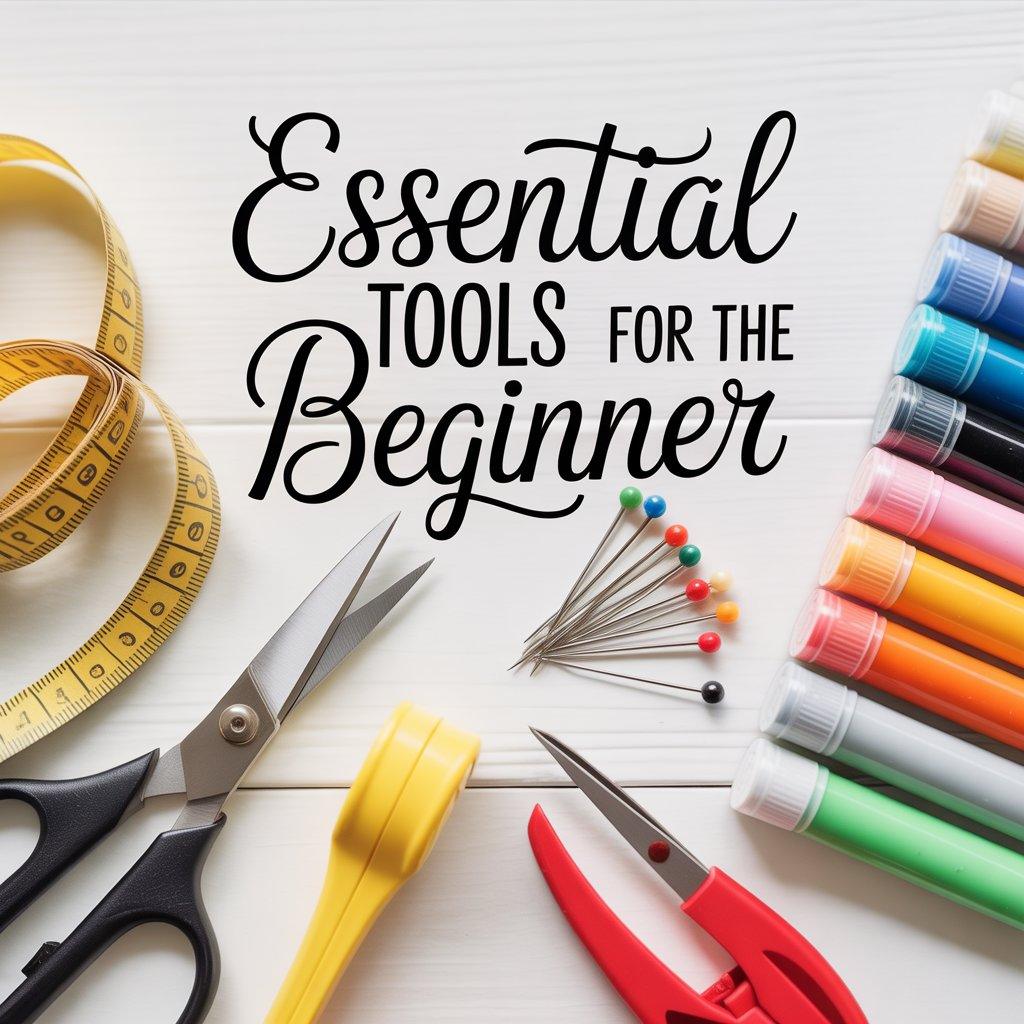
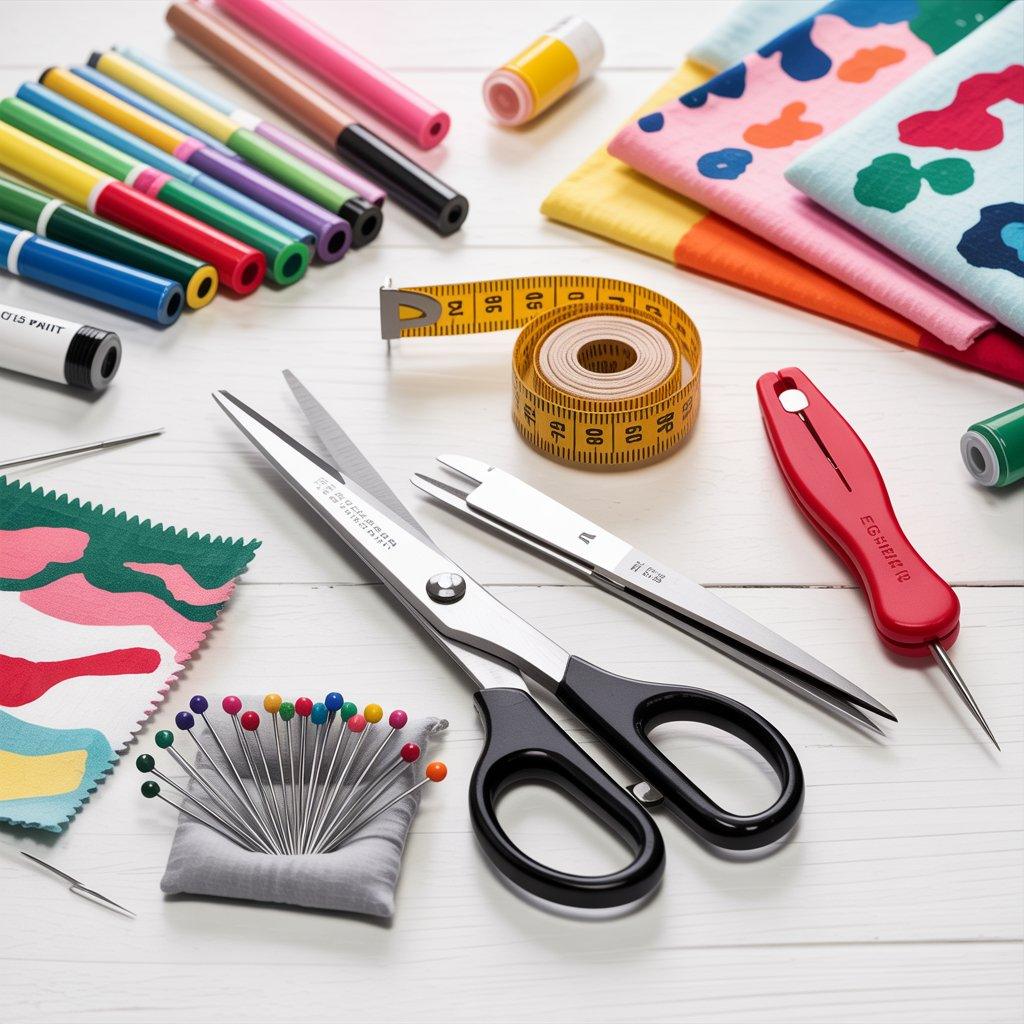
You don’t need a fancy studio to get into fashion craft. You just need a few basic tools. A good pair of fabric scissors is a must trust me; using them on paper will dull them quickly, so keep them for fabric only.
You’ll also want a tape measure, pins, and a seam ripper (for fixing mistakes, which happen to everyone). For embellishment, grab some fabric markers or paints.
These allow you to add illustrations and patterns instantly without any sewing. Starting simple lets you focus on the fun part: being creative.
Embroidery and Embellishment Basics
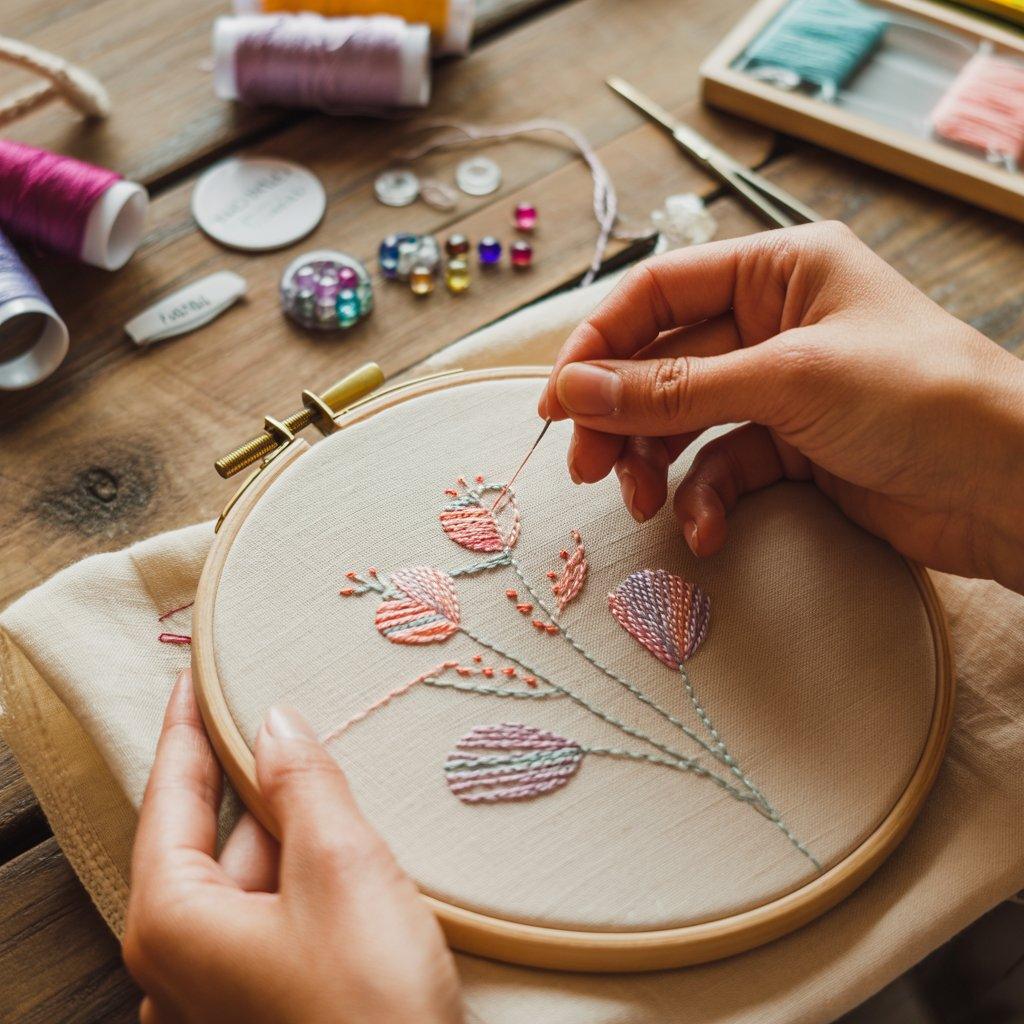
Embroidery is one of the easiest entry points into fashion craft. All you need is a needle, some thread, and a piece of clothing.
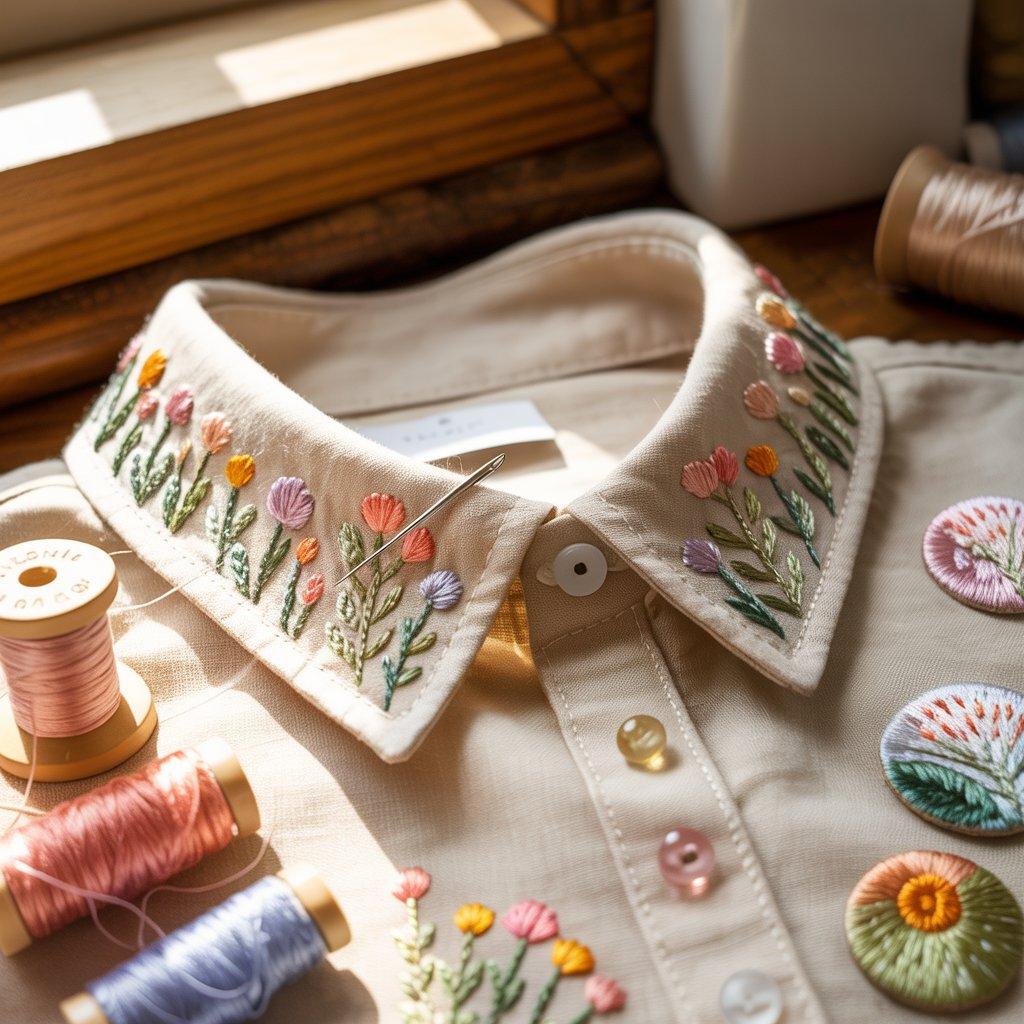
You can buy a simple hoop and learn a few basic stitches like the running stitch or French knot. Before you know it, you can add little flowers along a collar or stitch a meaningful word onto a pocket.
It’s meditative and almost impossible to mess up because even “mistakes” look charmingly handmade. This is wearable art at its most personal. You can also try iron-on patches, beads, or even simple fabric paint to add texture and color without any sewing at all.
Knitting and Crochet for Beginners
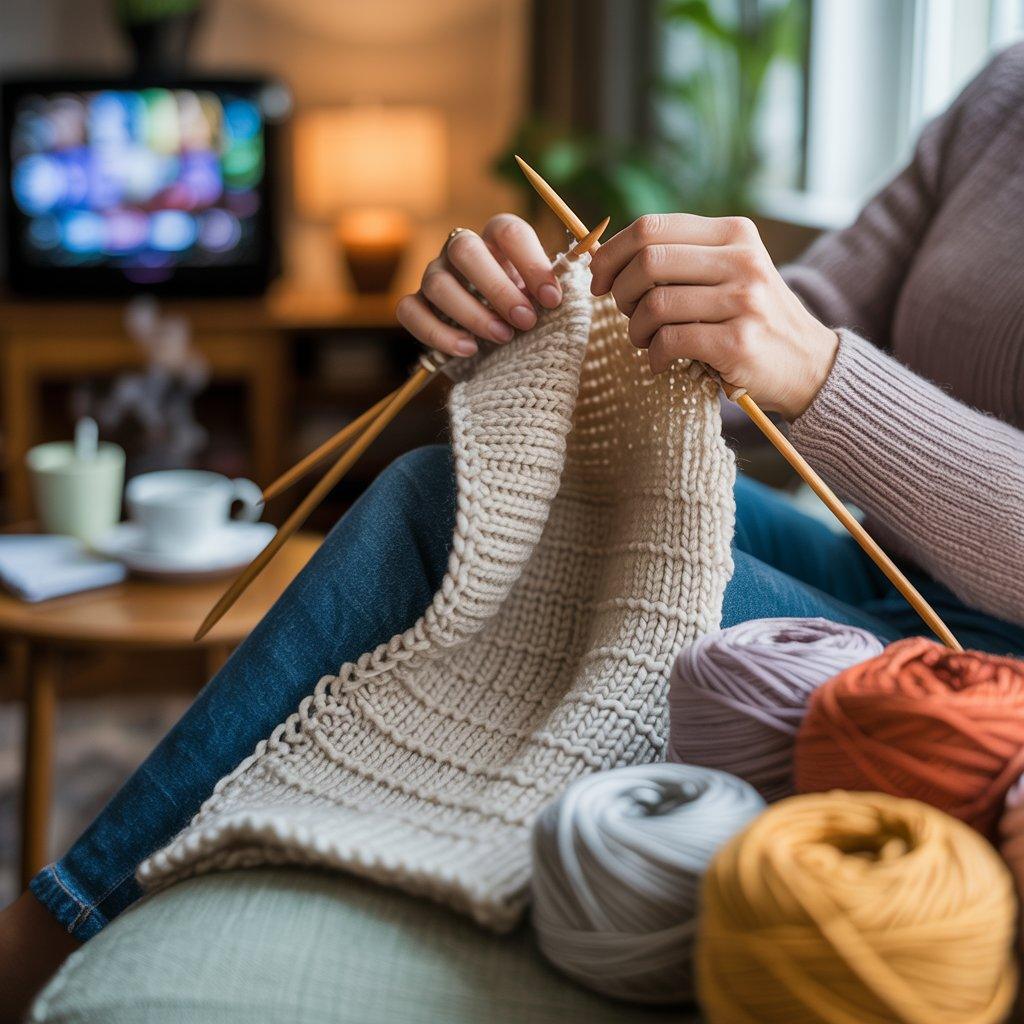
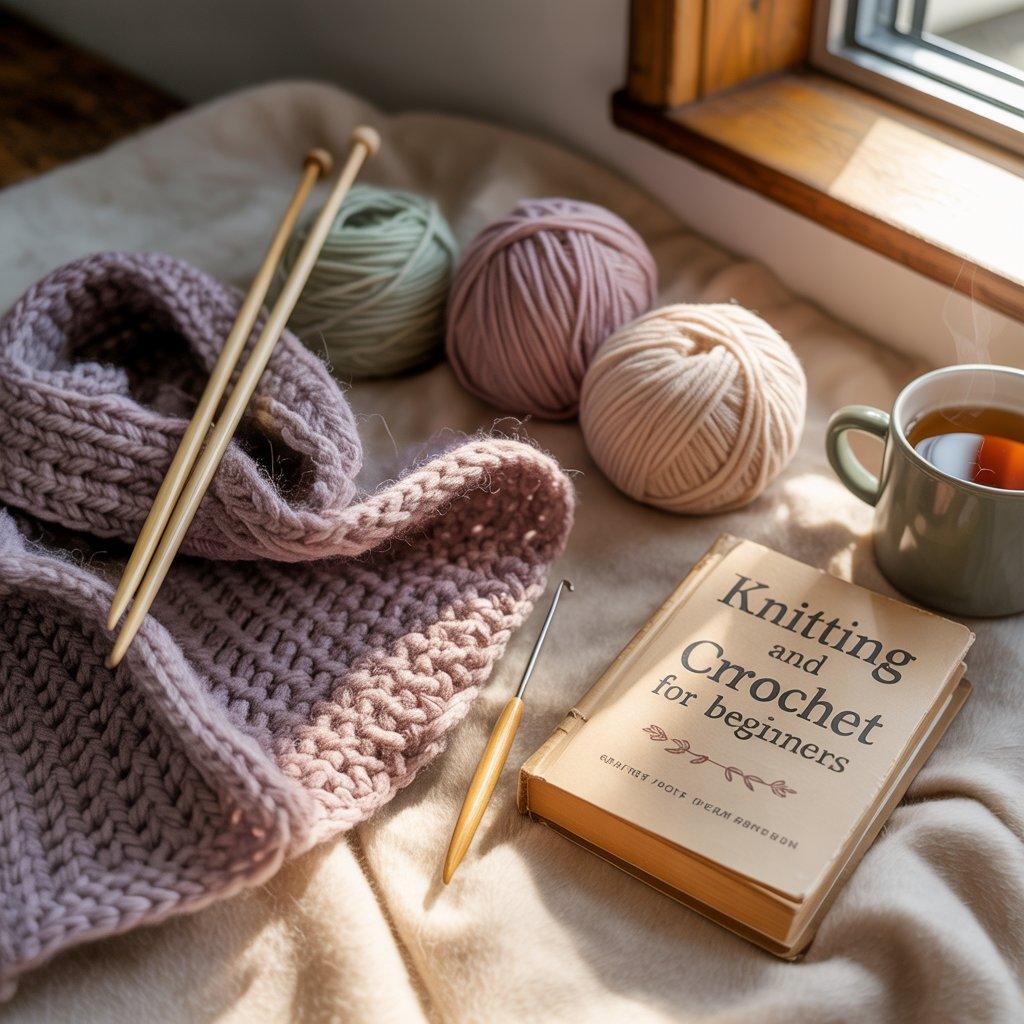
Knitting and crochet might seem old‑fashioned, but they are having a huge comeback in fashion craft. With just a pair of needles or a single hook and some yarn, you can make scarves, beanies, or even a chunky sweater.
The best part? You can work on it while watching TV or chatting with friends. Start with a simple garter stitch scarf it’s just one stitch repeated. Once you get comfortable, you can experiment with color changes or different yarn textures.
Hand‑knit pieces feel extra special because you literally created every loop. They also make amazing gifts that show how much you care.
Fabric Dyeing and Painting
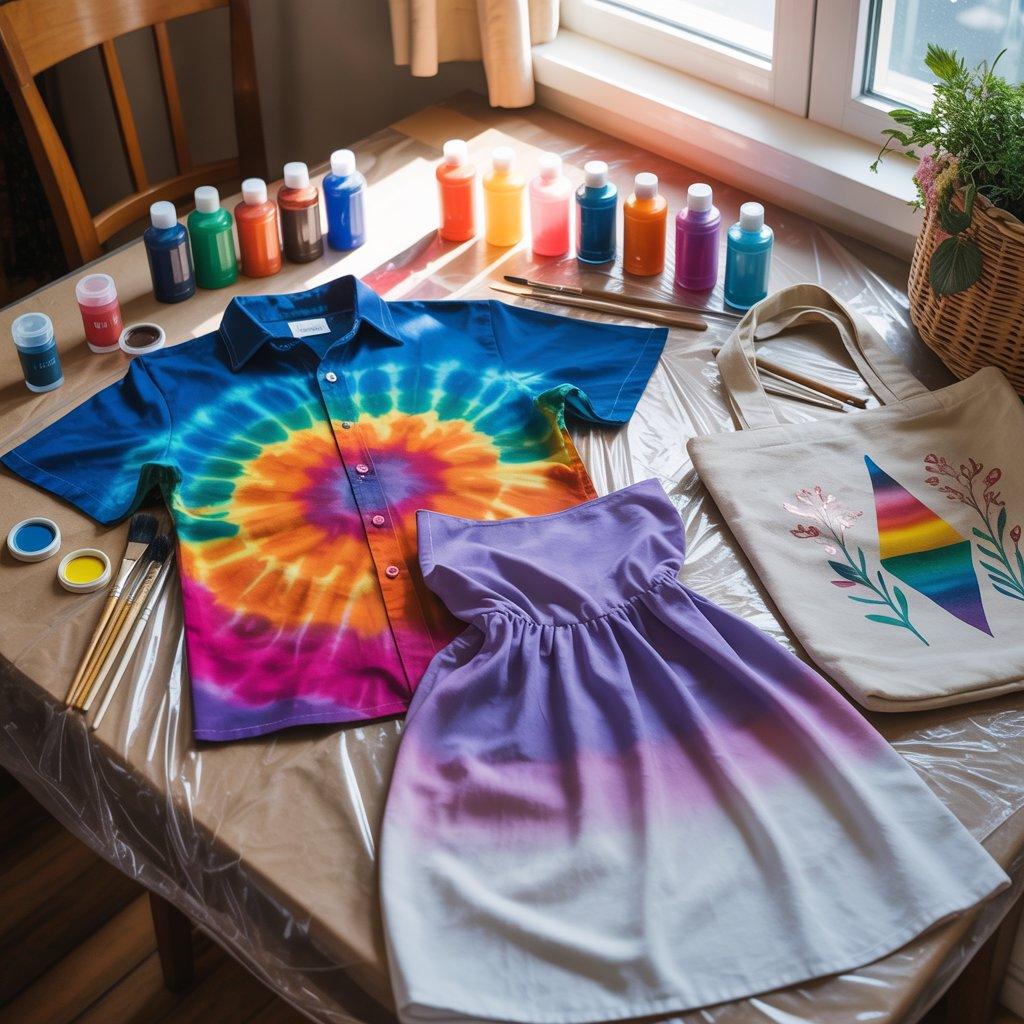
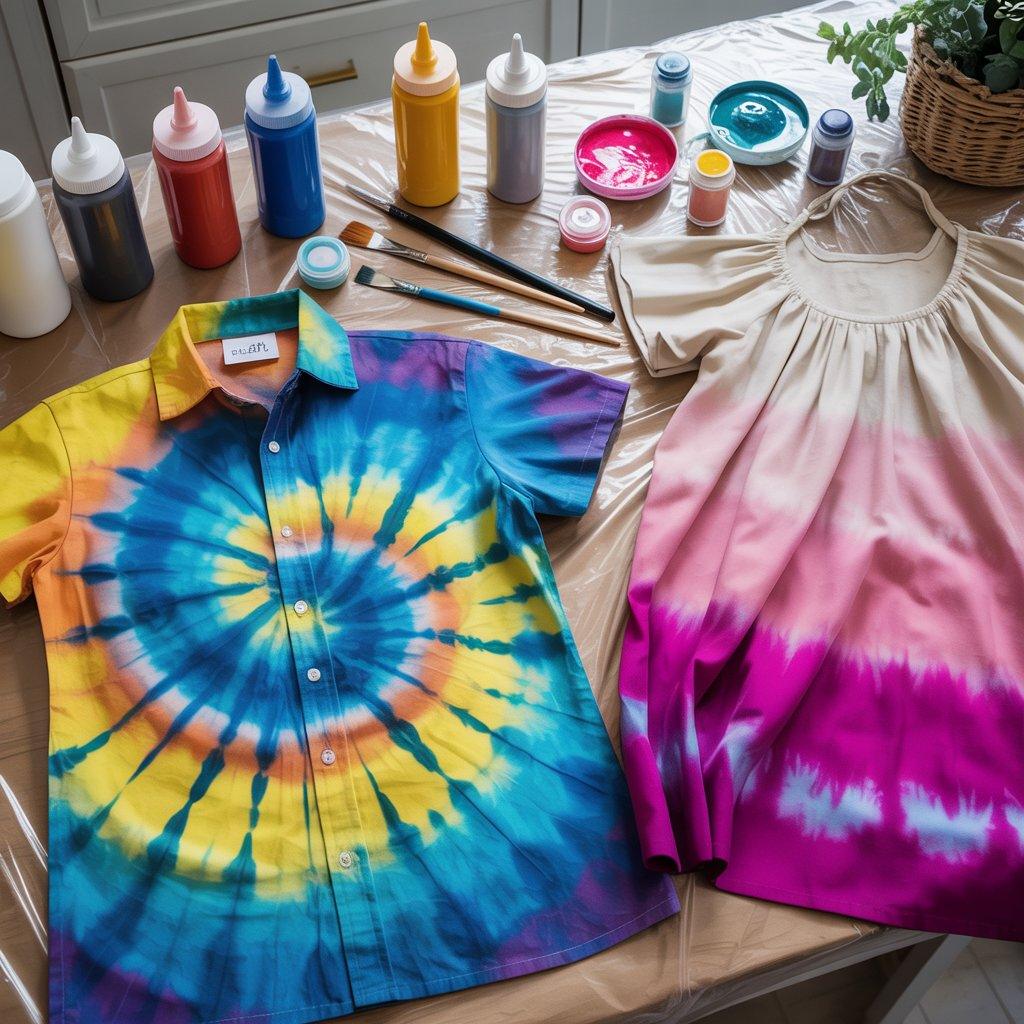
If you love color, fabric dyeing and painting will open up a whole new world. You can buy inexpensive fabric dye and transform a white cotton shirt into a tie‑dye masterpiece or a soft ombre dress.
Fabric paints let you paint anything from geometric shapes to free‑hand floral designs. The key is to use paint or dye made for fabric so it stays soft and lasts through washes. You don’t need a studio; a plastic tablecloth in your kitchen works fine.
This is a great way to refresh clothes that have stains or that you’re just tired of looking at. A little color can make an old piece feel brand new.
Building a Capsule DIY Wardrobe
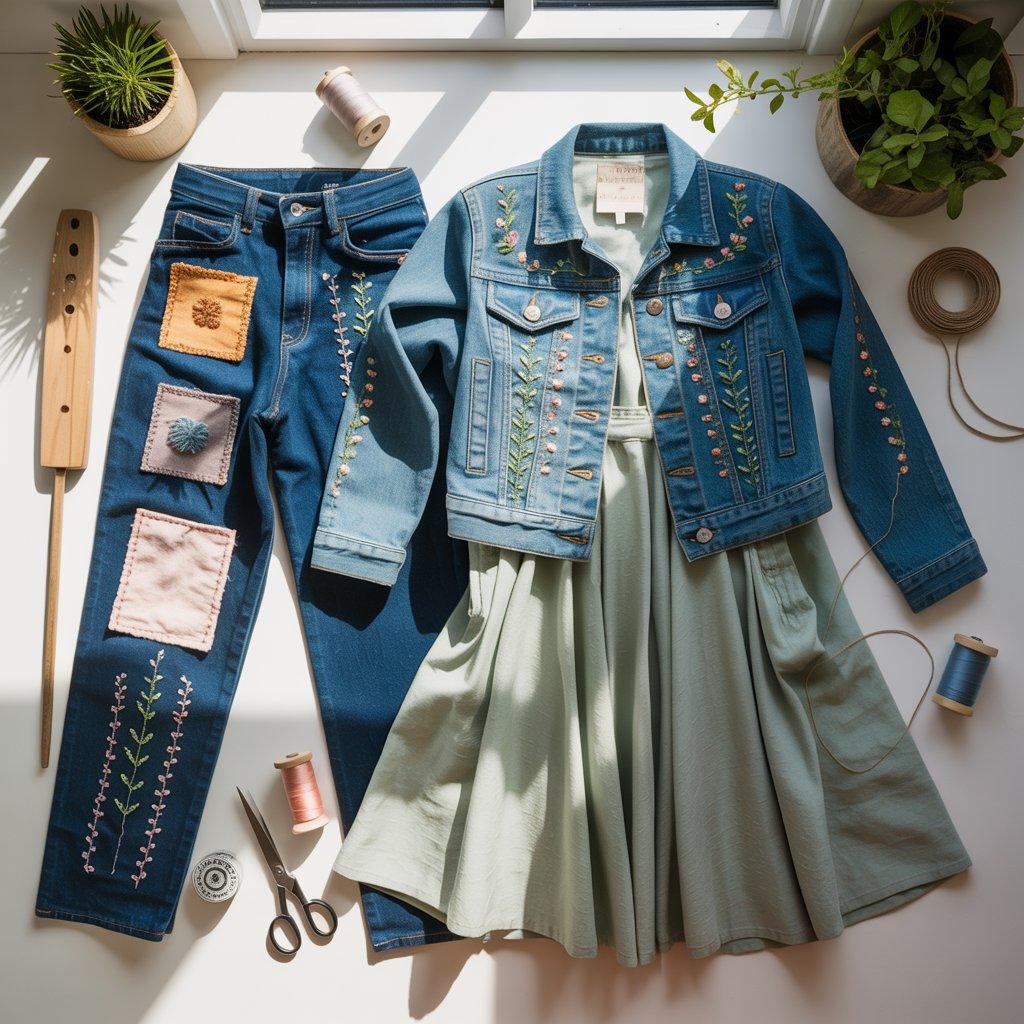
As you learn different fashion craft skills, you can start building a capsule wardrobe of pieces you truly love. The idea is to make or customize a few versatile items that all work together.
For example, you could upcycle a pair of jeans, embroider a denim jacket, and sew a simple linen skirt. Because you made them or added your own touches, they fit your style perfectly.
This approach saves money, reduces waste, and means you never have to worry about wearing the same thing as everyone else. Plus, when you know how to repair your clothes, they last longer, so your wardrobe stays strong season after season.
Wearable Art as Self-Expression
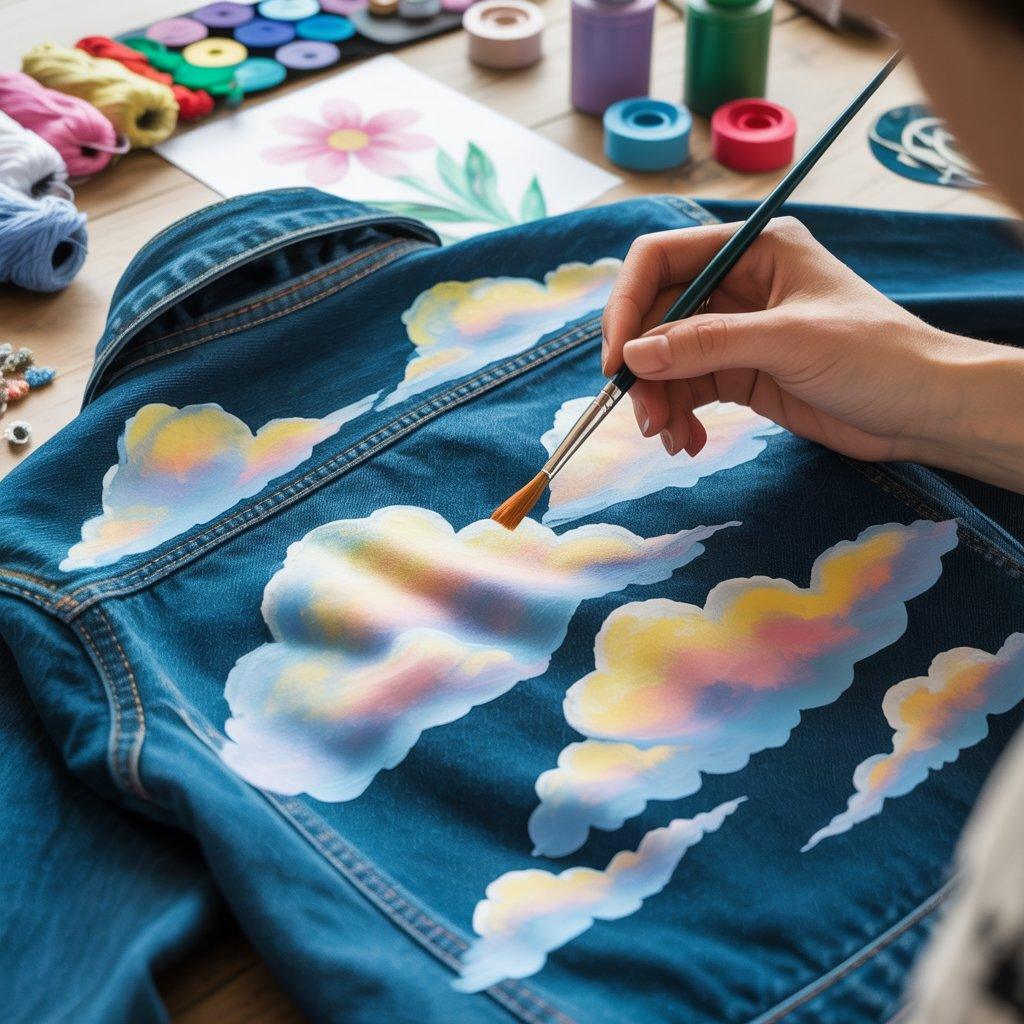
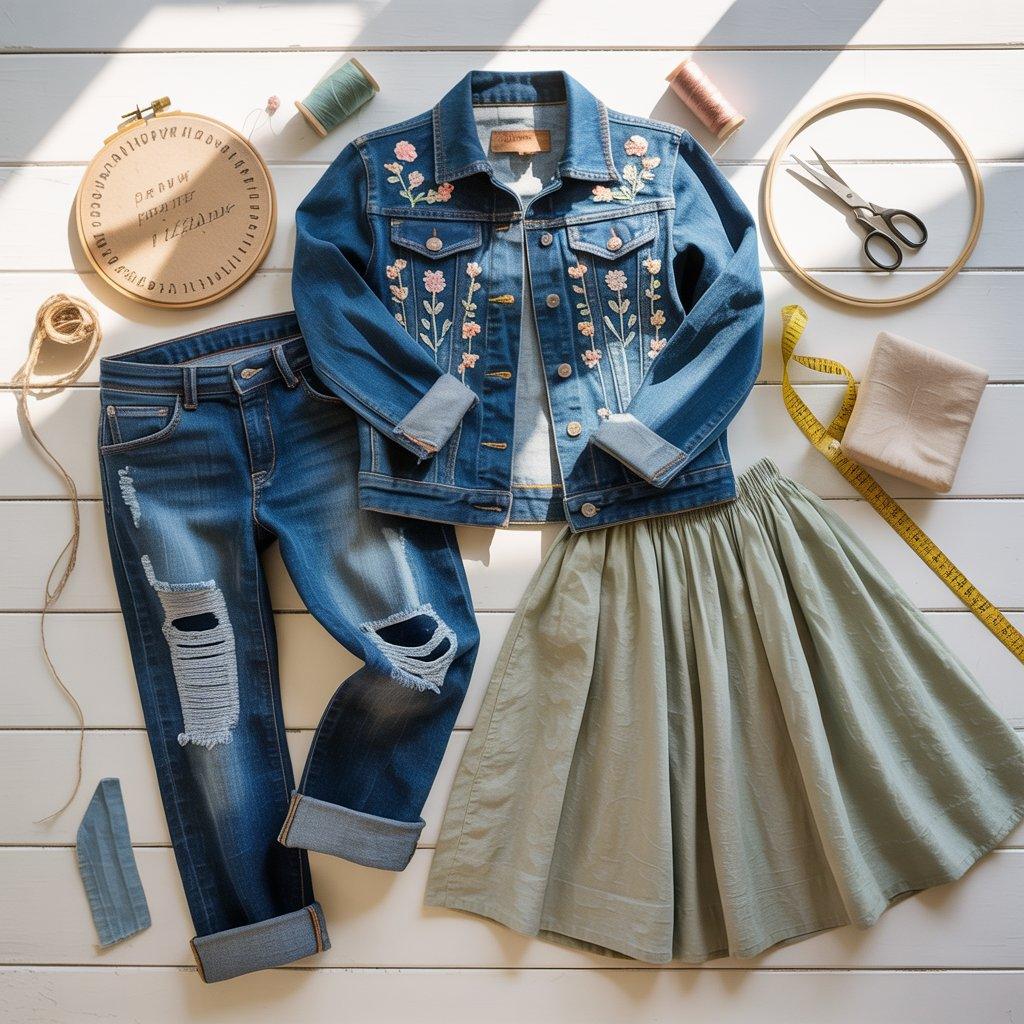
Ultimately, fashion craft is about wearable art. It’s clothing elevated beyond utility. When you paint a surrealist cloud on a denim jacket or bead a floral design onto a scarf, you’re creating a conversation piece.
It’s a way to push back against fast fashion trends and say, “I like what I like.” You don’t need to be a master artist. The joy is in the process. Even a simple hand-stitched patch makes a garment yours. It’s about reclaiming your voice and your style in a world full of cookie-cutter options.
Frequently Asked Questions
1. Do I need to know how to sew to start fashion craft?
Not at all. Sewing is one part of fashion craft, but there are plenty of ways to start without a needle and thread. Fabric painting, dyeing, using iron-on patches, and even gluing with fabric glue are all great entry points.
You can also try upcycling by cutting and tying fabric to make fringe or no‑sew tote bags. As you get comfortable, you might decide to learn a few basic stitches, but there’s no requirement to sew anything if that’s not your thing.
2. What’s the easiest first project for a beginner?
A great first project is customizing a plain t‑shirt or denim jacket with fabric paint or iron‑on patches. It’s low‑risk, requires almost no tools, and gives you a quick sense of accomplishment.
Another super simple one is turning old jeans into a cut‑off shorts with frayed hems all you need is scissors and a little patience. The key is to pick something you’re excited about so you stay motivated.
3. How do I avoid ruining my clothes when I try something new?
It’s smart to practice on old clothes you don’t mind experimenting with, or pick up a few inexpensive pieces from a thrift store. That way, there’s no pressure. If you’re trying a technique like embroidery or fabric painting, you can also test it on a scrap of similar fabric first.
Remember, mistakes are part of learning sometimes they even lead to cool, unexpected results. And if something truly goes wrong, you can often cover it with a patch or turn it into something else entirely.
4. What tools should I buy first without spending too much?
Start with a good pair of fabric scissors (never use them on paper!), a seam ripper (your best friend for fixing mistakes), a tape measure, and a pack of hand‑sewing needles with basic thread.
If you want to try painting, a small set of fabric paints and a few brushes go a long way. You can build your tool collection slowly as you take on new projects. Many of these items cost just a few dollars each.
5. Can I really make clothes that look professional?
Absolutely. With practice and patience, your skills will improve quickly. Many people start with simple alterations like hemming pants or taking in a shirt and move up to sewing their own garments from patterns.
The handmade look is also celebrated right now; visible mending, unique embroidery, and custom paint jobs are all part of the appeal. Even if your first projects aren’t perfect, they’ll have a charm that store‑bought clothes just don’t have.
Final Thoughts
Fashion craft is one of the easiest ways to take control of your style. You don’t need a big budget or professional training to start. All you need is a simple idea and the willingness to try.
What I like most about it is how practical it is. You can fix, reuse, and redesign clothes instead of throwing them away. At the same time, you get something unique that no one else has.
If you’re just starting, keep it simple. Pick one small project and give it a try. That’s how most people begin and it’s usually how they discover they enjoy it more than they expected.
Related Post: