
I started DIY clothing because I had clothes I didn’t wear anymore, but the fabric was still good. Instead of throwing them away, I tried small changes. Some worked, some didn’t, but I learned quickly.
DIY clothing is not about being perfect. It is about trying simple ideas that make clothes feel new again. Many projects only need scissors, thread, or basic sewing. Some don’t need sewing at all.
If you are just starting, don’t choose complicated designs. Start with small changes that give visible results. When you see progress, you feel motivated to try more.
Here are 20 easy DIY clothing ideas for beginners that real people can do at home. I focused on simple projects that don’t require expensive tools or advanced skills.
STEP 1
1. Cut Old Jeans into Shorts
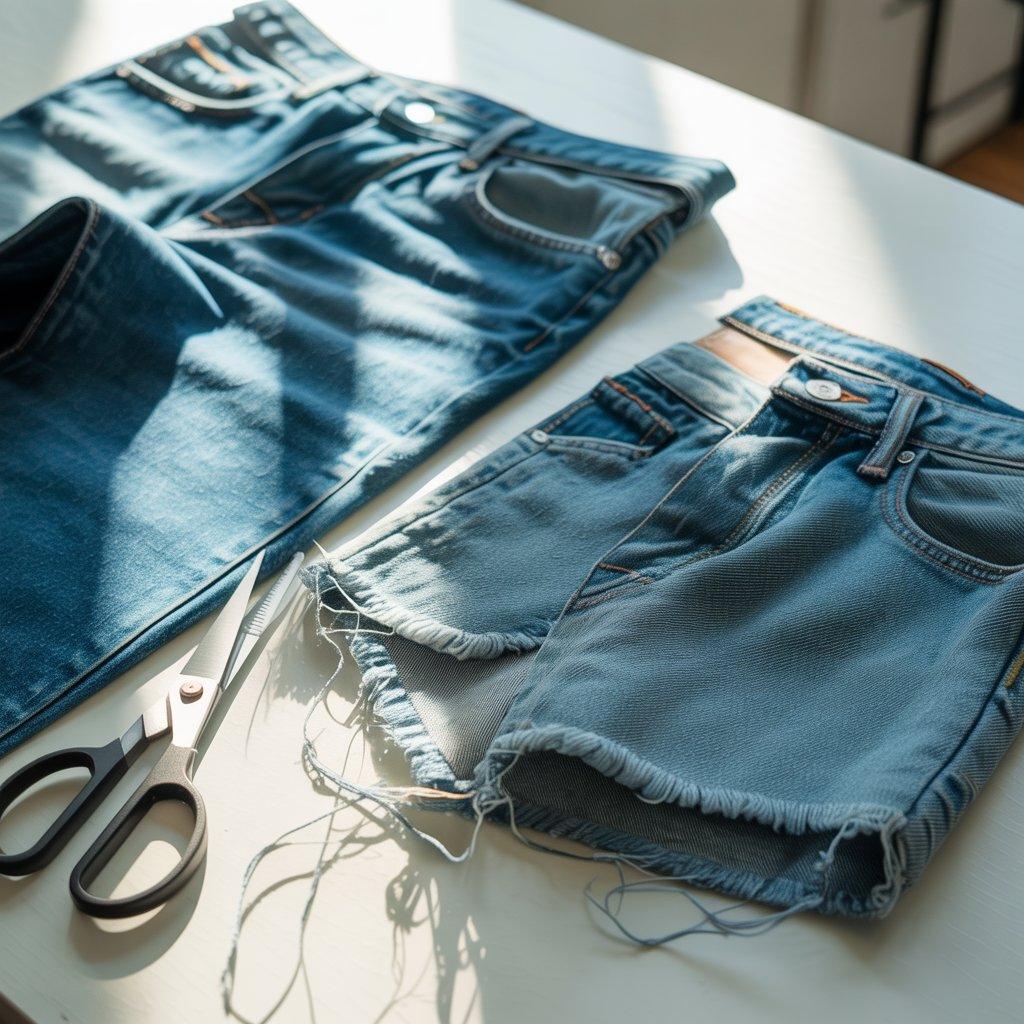
I like this project because it is very hard to mess up. Find jeans you don’t wear anymore. Try them on and mark where you want the shorts to end. Take them off and cut straight across.
After cutting, you can leave the edge simple, or pull a few threads to create a soft rough look. If you want a clean finish, fold the edge once and sew a straight line.
Denim is strong, so it forgives small mistakes. Even if the cut is not perfectly straight, it still looks natural. These shorts are good for home, travel, or casual days. Many people start with this project because it builds confidence quickly.
2. Make a Simple Crop Top from a T-Shirt
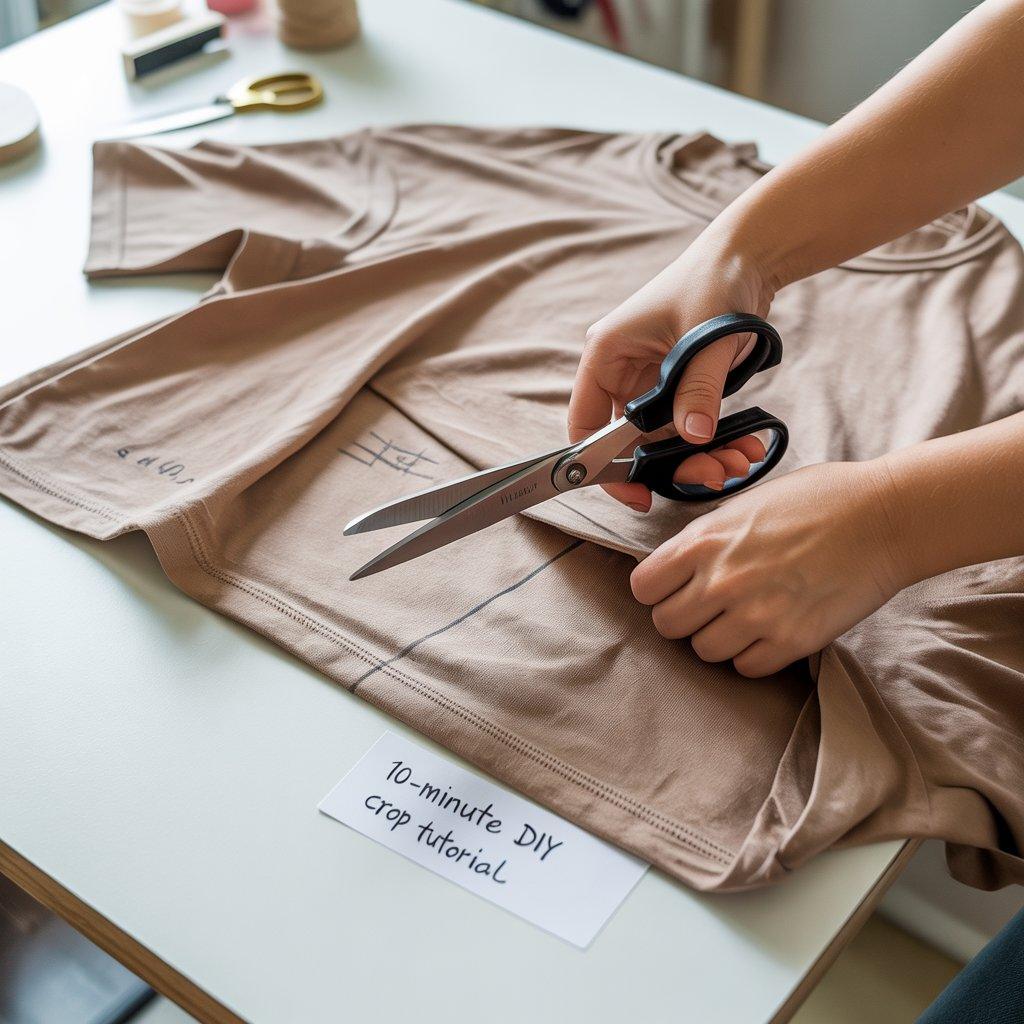
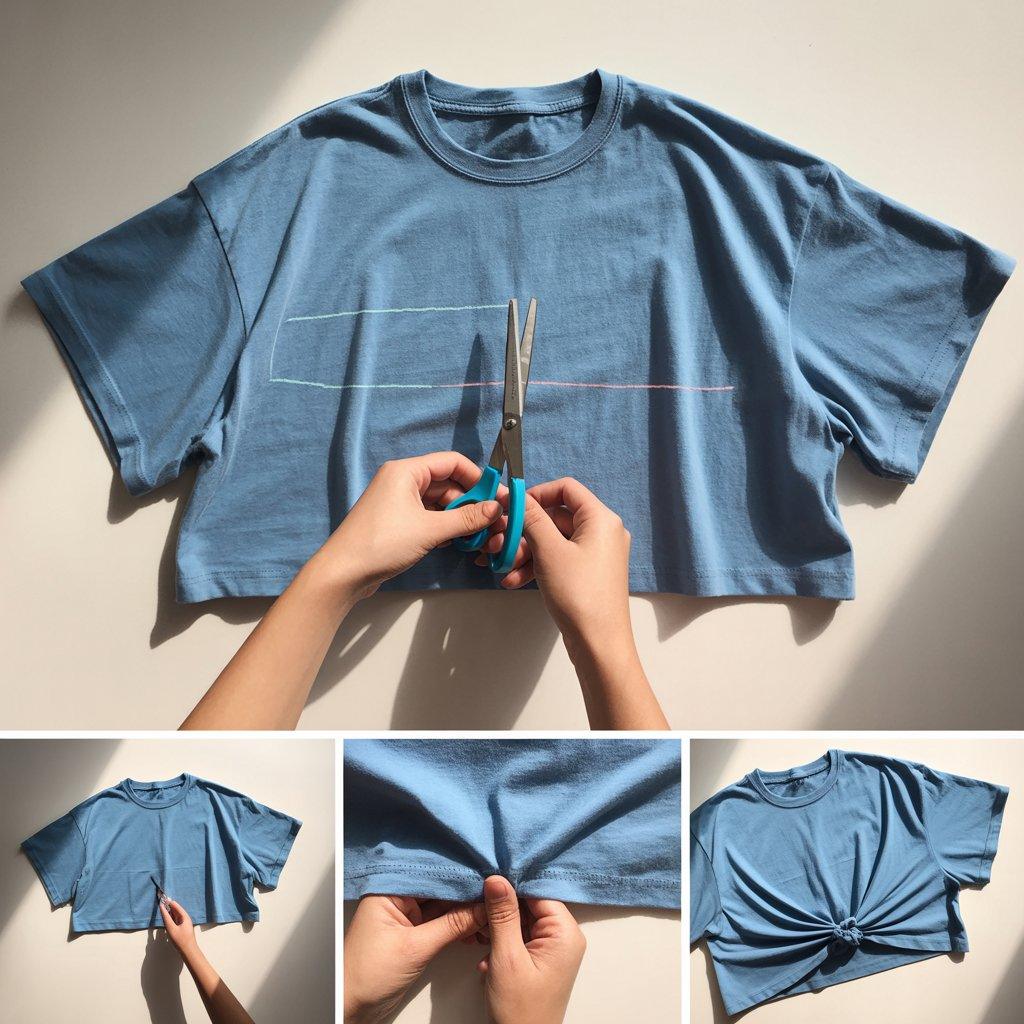
Oversized t-shirts are easy to change. Wear the shirt and look in the mirror. Decide how short you want it. Mark lightly with chalk or pencil.
Take the shirt off and cut across. Stretch the fabric gently with your hands. This helps the edge roll naturally so it does not look unfinished.
If the shirt is very wide, you can tie a small knot on one side or at the back. Cotton fabric works best because it stretches easily.
This is one of the fastest DIY clothing ideas for beginners because it takes less than 10 minutes.
3. Add Patches to Old Jeans
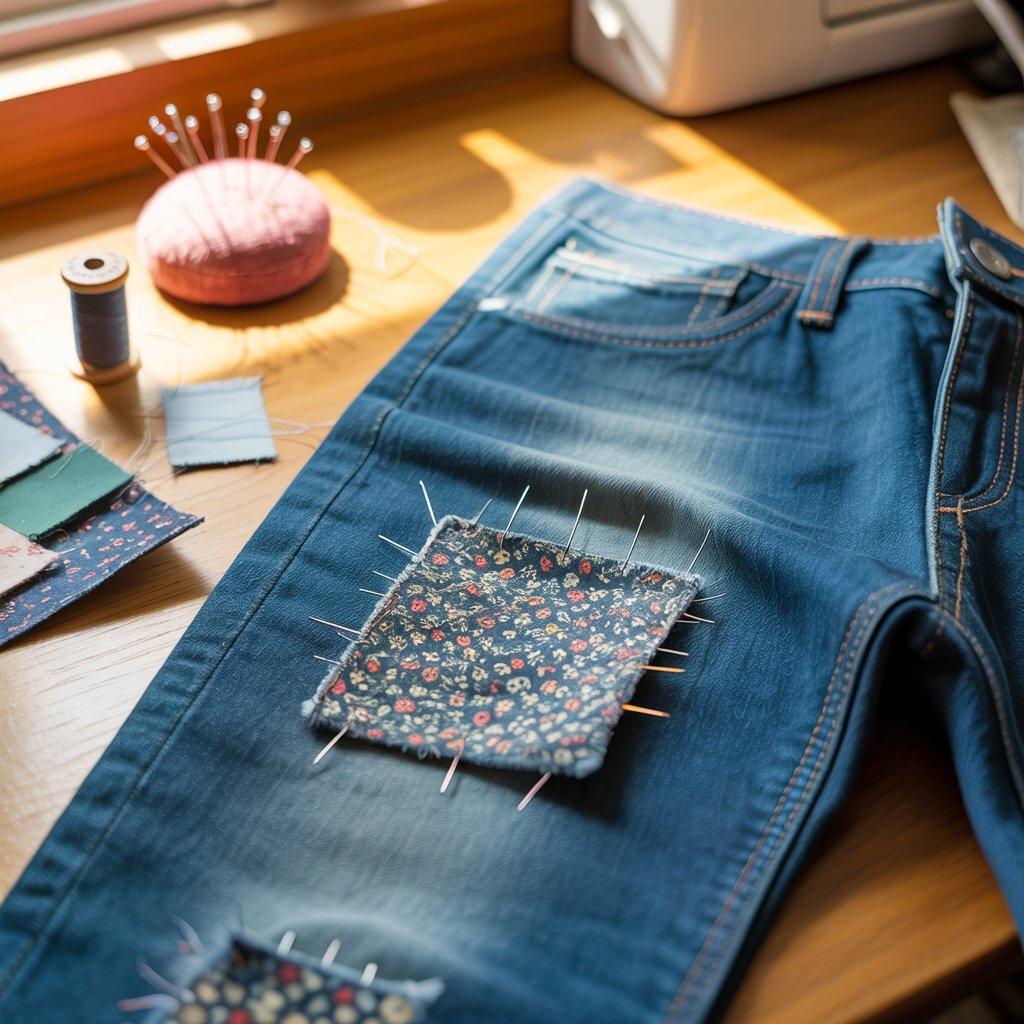
Sometimes jeans are still good but have small damage. Instead of throwing them away, I cover the area with a patch.
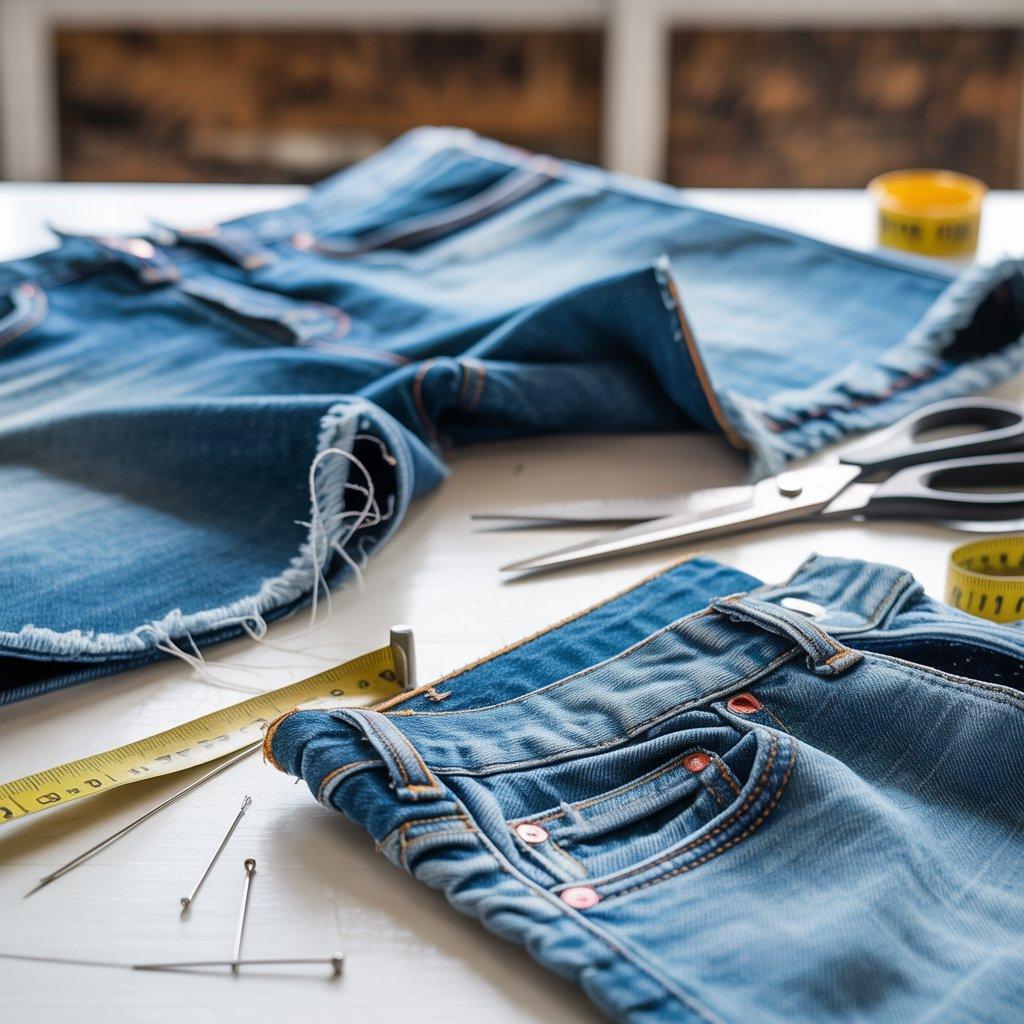
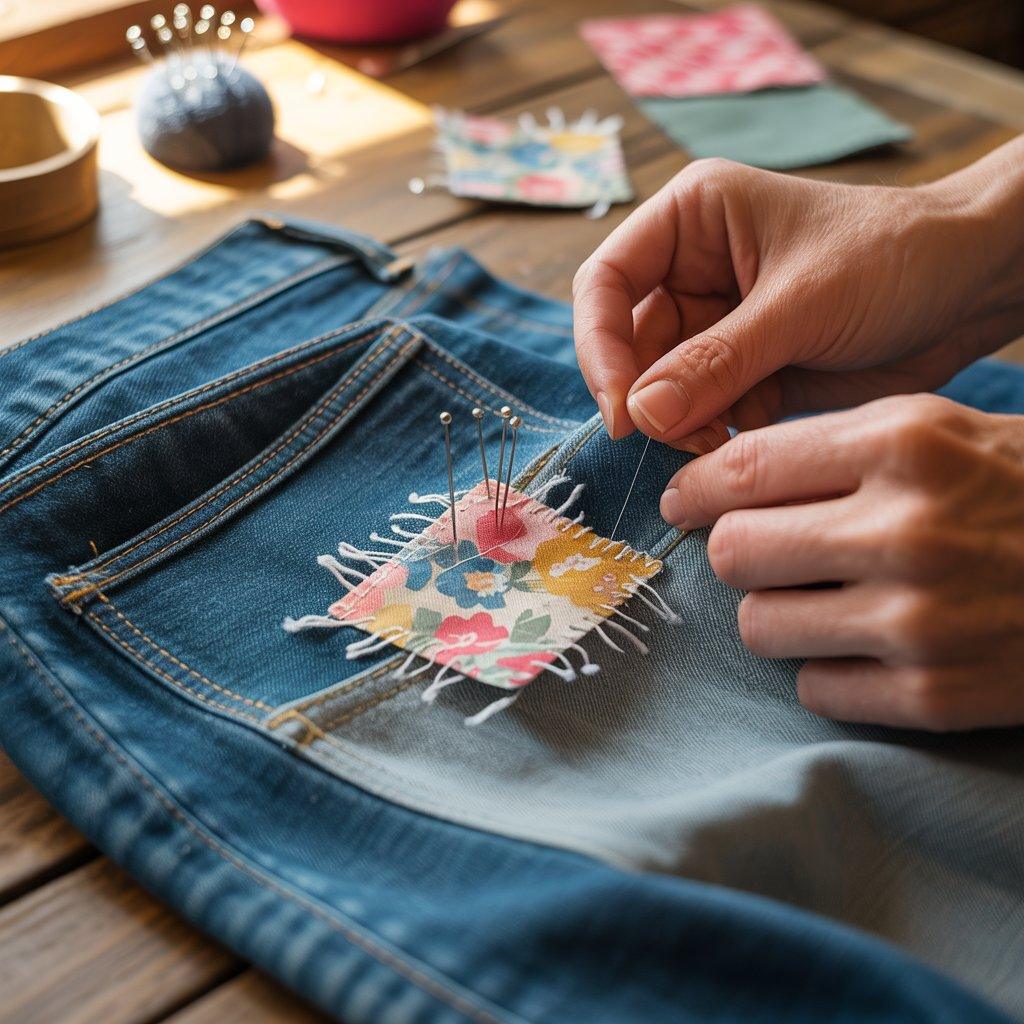
Place the patch where you want it. Use pins to hold it still. Sew around the edge slowly. You don’t need perfect stitches. Small uneven stitches can even look more natural.
Patches can also be used just for style, not only repair. Simple shapes or small designs work well for beginners. This idea helps clothes last longer, which saves money.
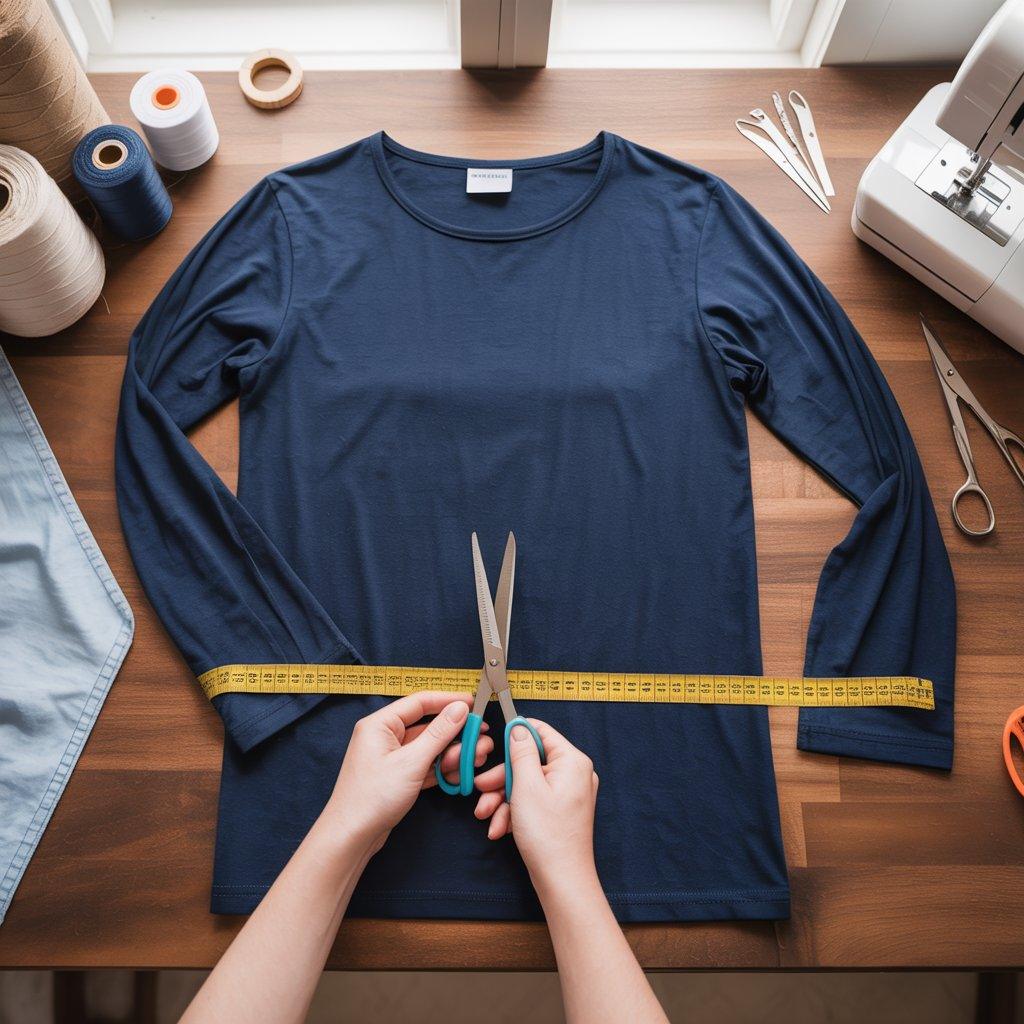
4. Turn Long Sleeve Shirt into Short Sleeve
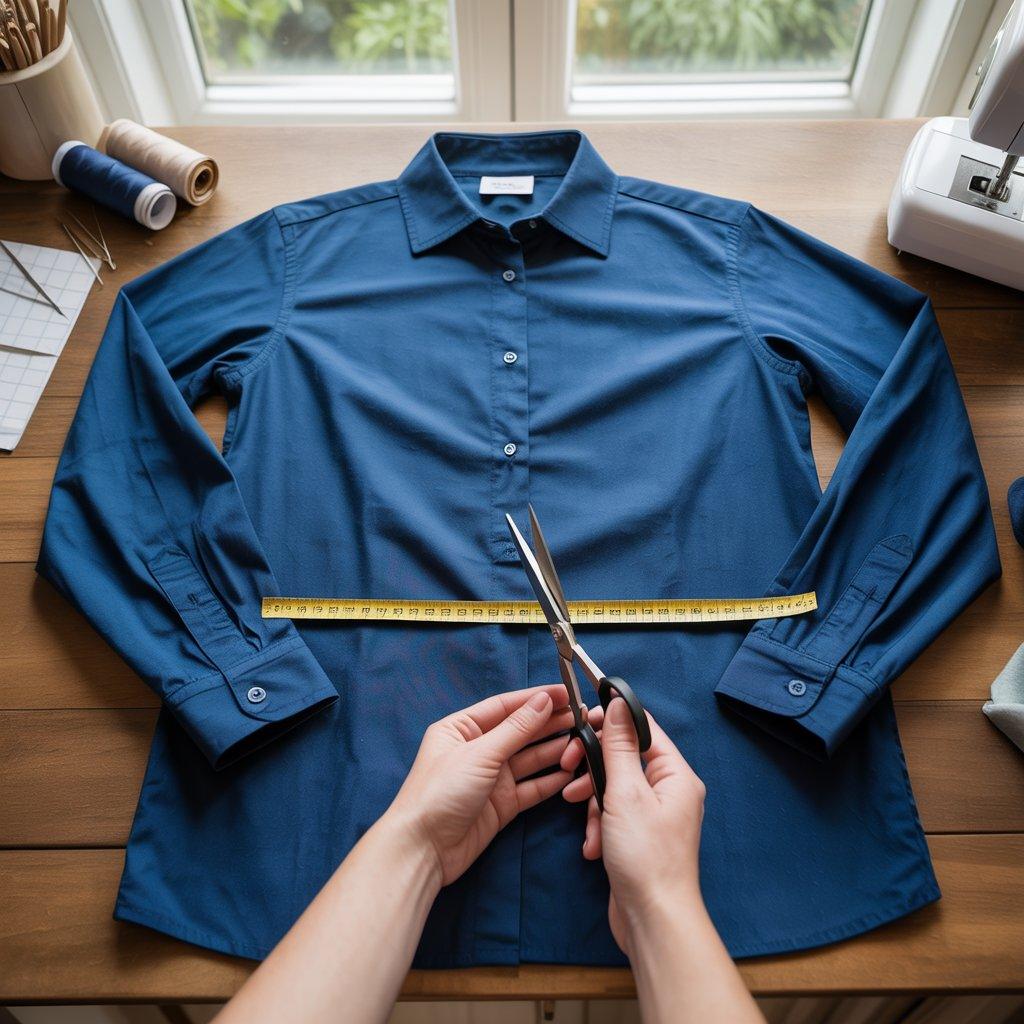
Some shirts feel too warm, especially in hot weather. Instead of not wearing them, cut the sleeves shorter.
Lay the shirt flat on a table. Cut both sleeves the same length. If you want a cleaner look, fold the edge slightly and sew a straight line.
Cotton shirts are easier to cut because the fabric stays stable. This small change can make an old shirt comfortable again.
5. Make a Headband from Fabric Scraps
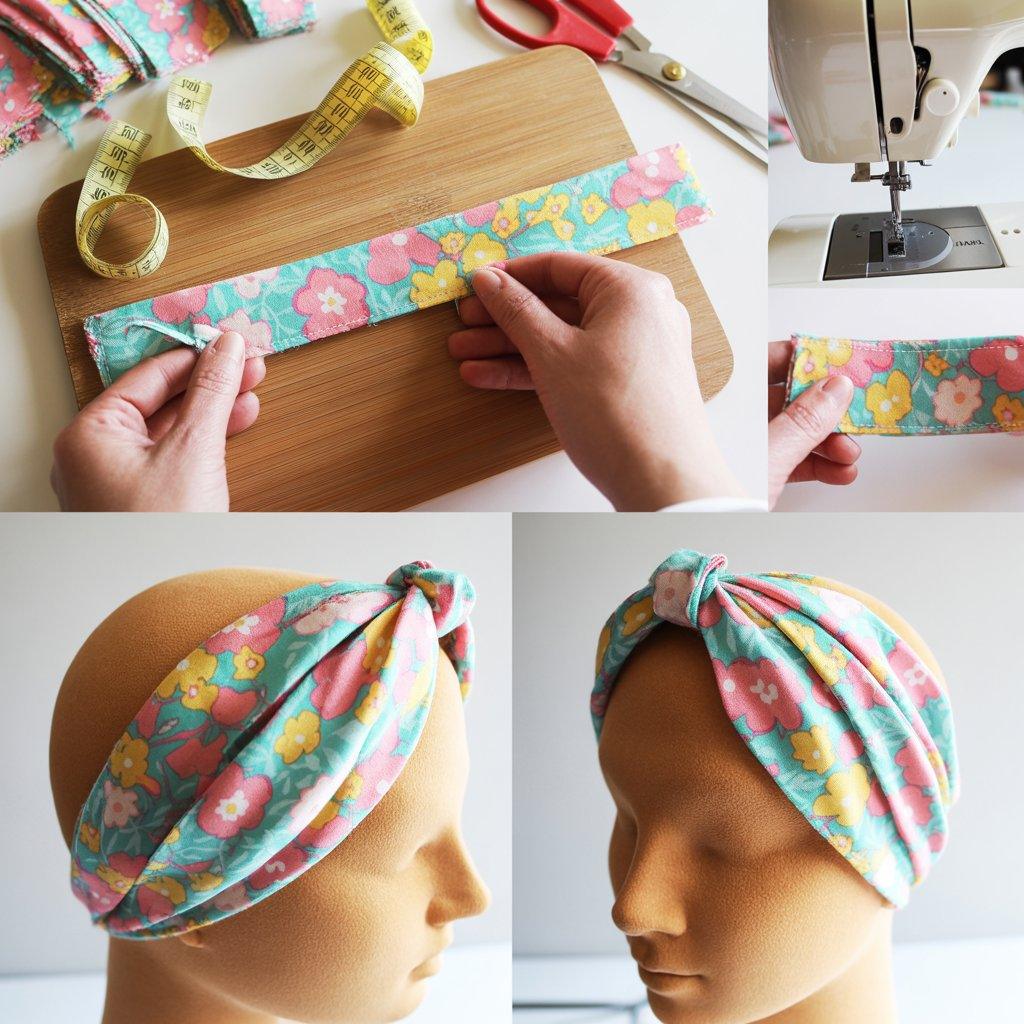
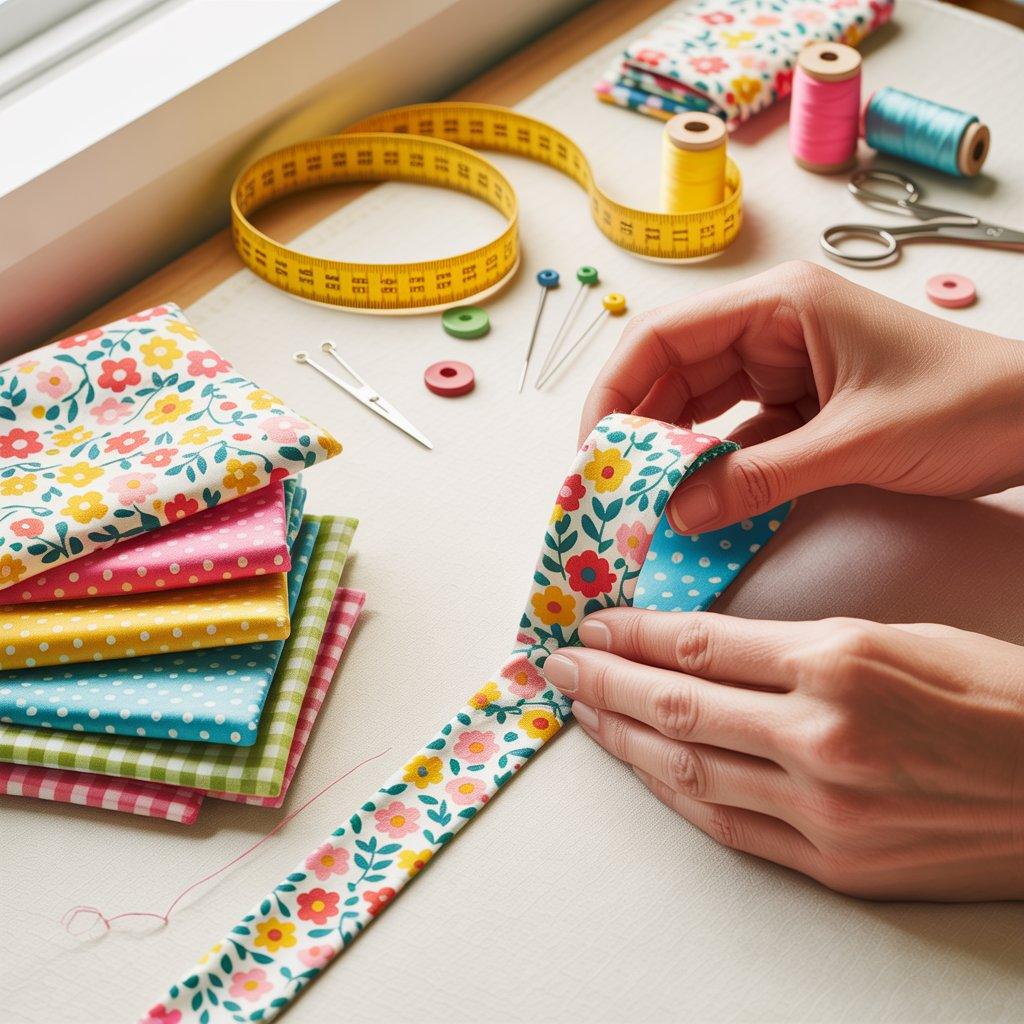
When fabric is left over, I don’t throw it away. Small pieces can become useful items like headbands. Cut a long strip of fabric. Fold it lengthwise and sew the edge. Turn it inside out so the seam stays hidden.
You Measure around your head so it fits comfortably. You can add elastic at the back if needed. This project is simple but useful. It also helps beginner’s practice straight sewing without pressure.
STEP 2
6. Turn Old T-Shirt into a Tank Top
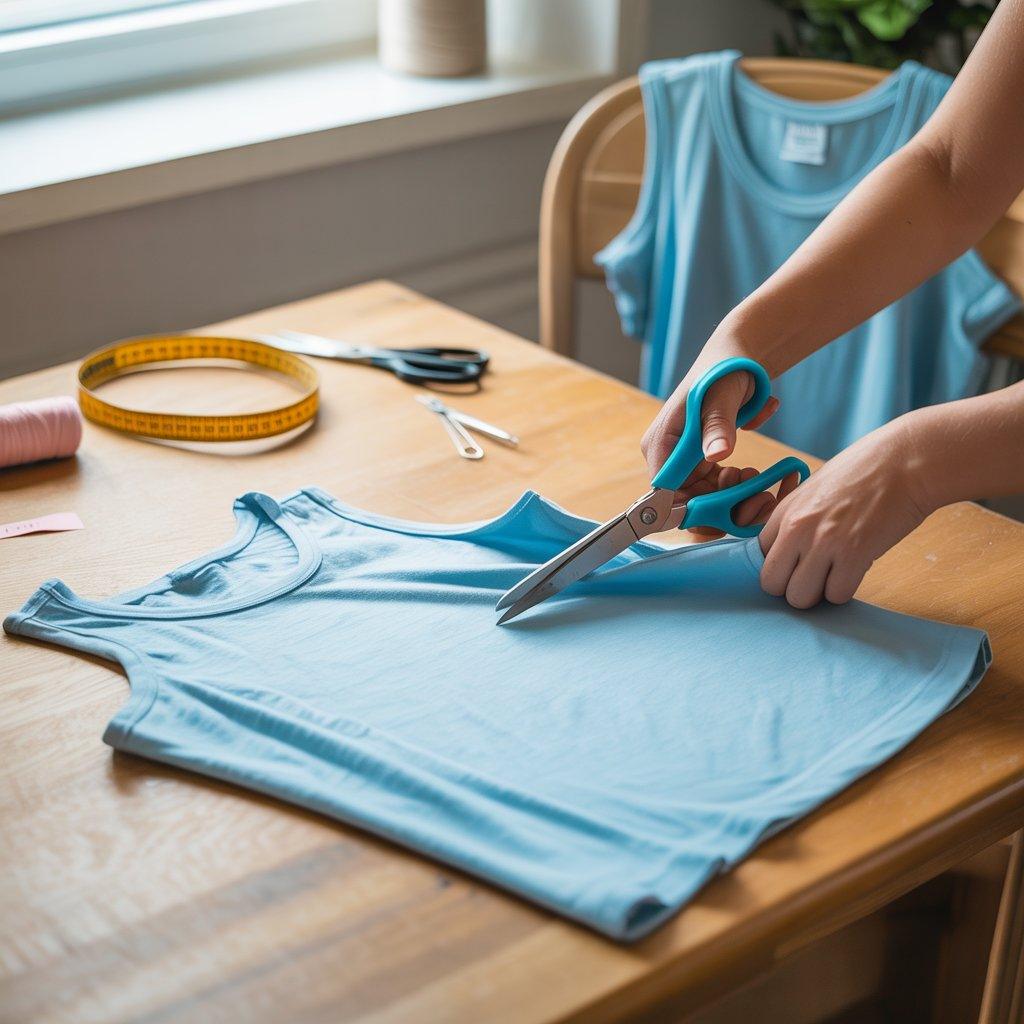
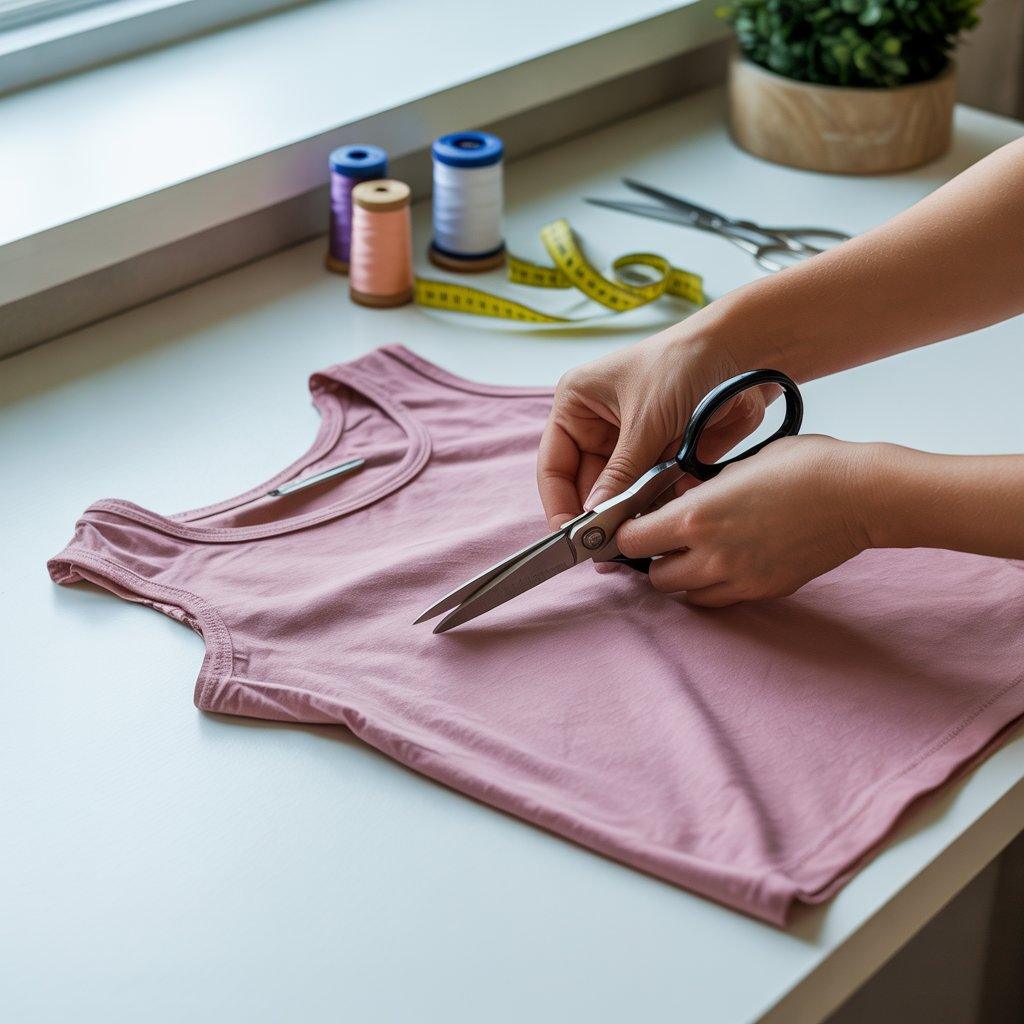
Sometimes a t-shirt feels too warm or the sleeves feel tight. Instead of leaving it in the closet, you can turn it into a tank top. Lay the shirt flat on a table so the fabric is even. Use scissors to cut along the sleeve seam. Try to cut slowly so both sides match.
If the arm holes look too wide, you can sew a small line to adjust the fit. Stretch the edges gently so the fabric softens and rolls a little. Cotton shirts are best because they don’t fray easily.
This project is simple but very useful for warm weather. It also helps beginners feel comfortable using scissors on clothing.
7. Add Simple Embroidery to a Shirt
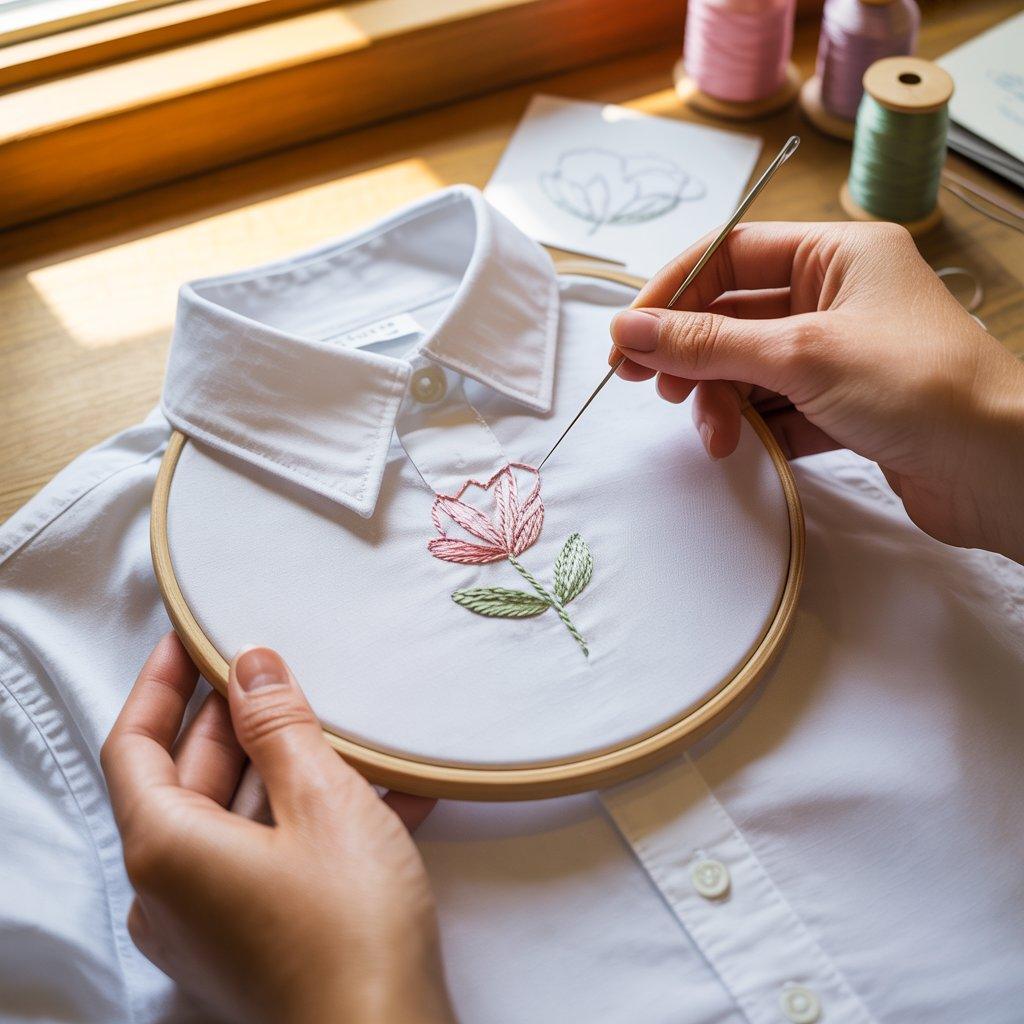
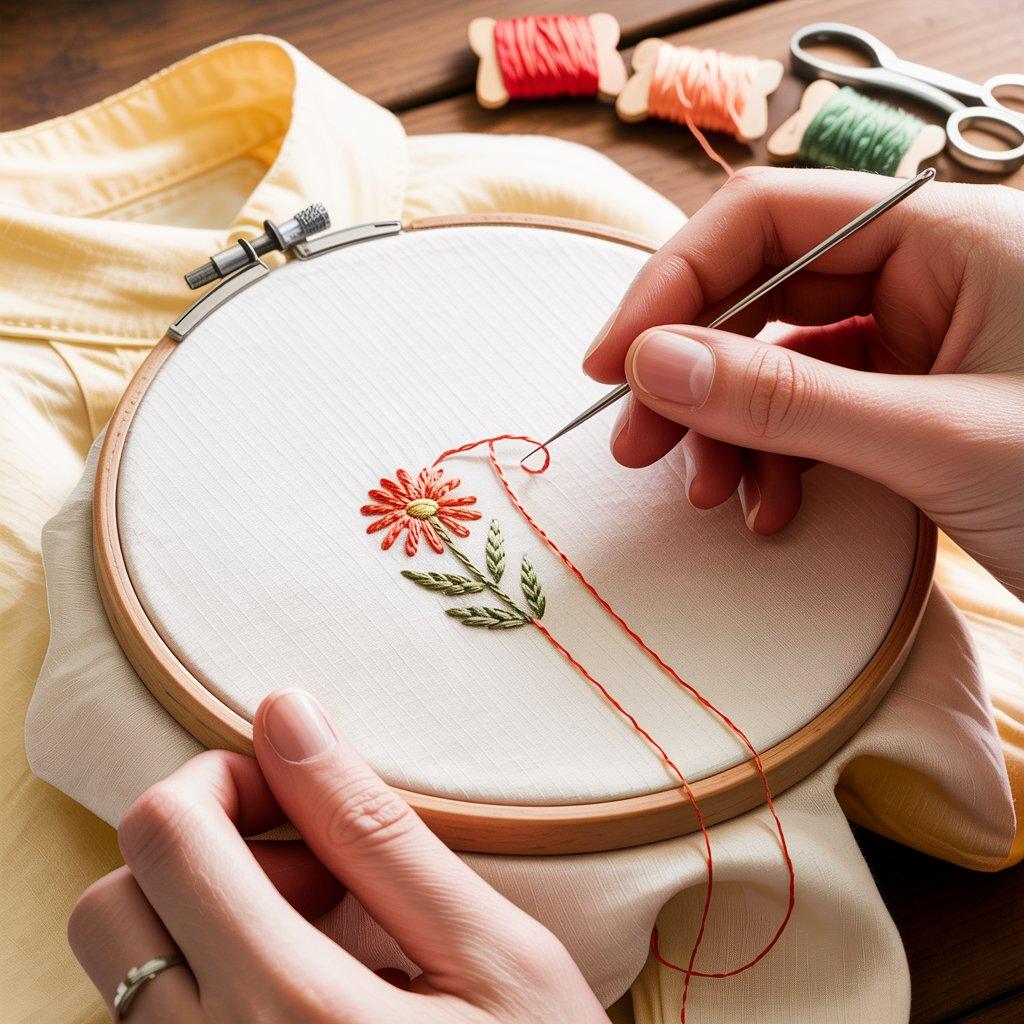
Basic embroidery can change plain clothing without much effort. Start with a simple design like a small heart, star, or flower. Draw lightly with pencil where you want the design.
Thread a needle with embroidery thread and sew small stitches following the shape. You don’t need complex patterns. Simple designs often look cleaner.
Embroidery works well near the collar, pocket, or sleeve edge. It gives clothing a personal touch that cannot be found in stores.
This idea helps beginners practice patience and control while sewing by hand.
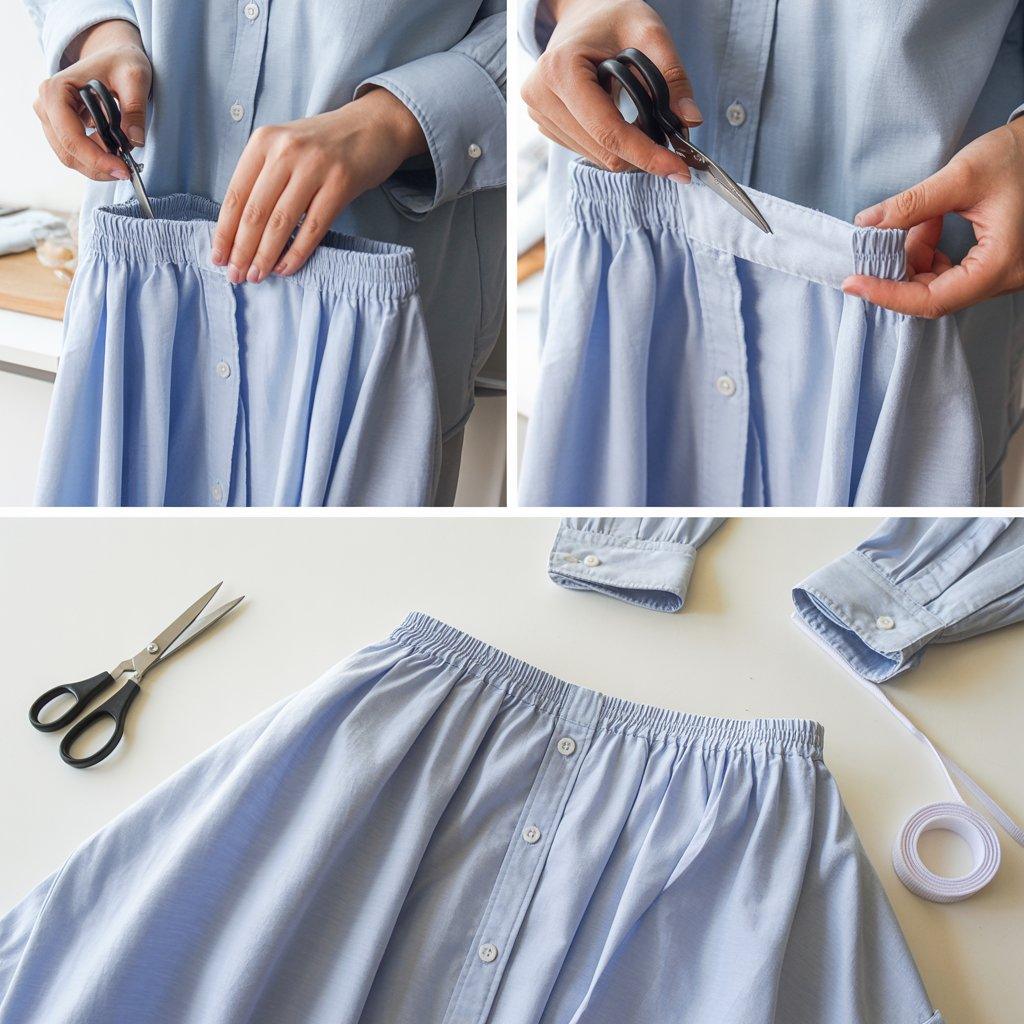
8. Make a Skirt from an Oversized Shirt
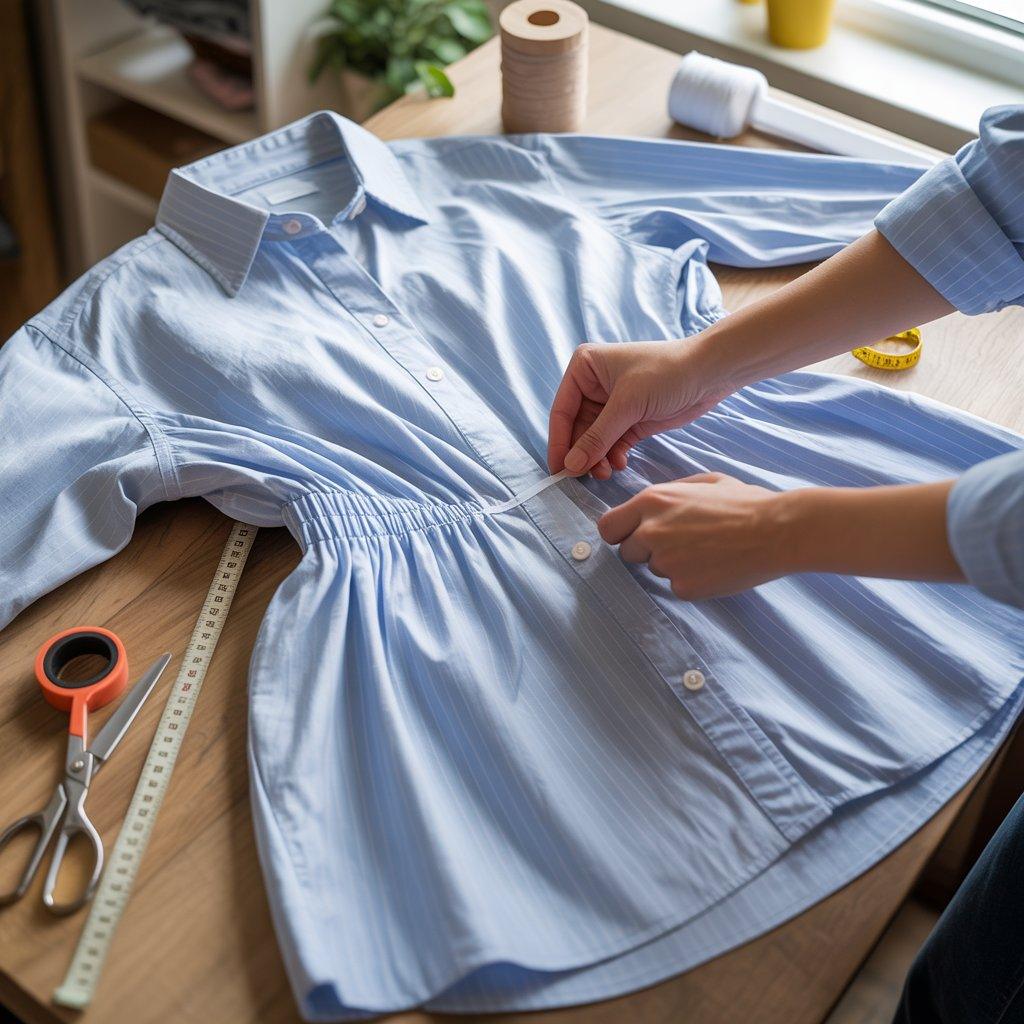
Oversized button shirts have enough fabric to become a simple skirt. Button the shirt and place the waist part around your hips. Use chalk to mark where the skirt should start.
Cut off the top part of the shirt. Fold the top edge and sew a channel for elastic. Insert elastic and adjust until it fits comfortably.
Light cotton shirts work best because they are soft and easy to sew. This project shows beginners how clothing can change shape and purpose.
9. Create Distressed Jeans
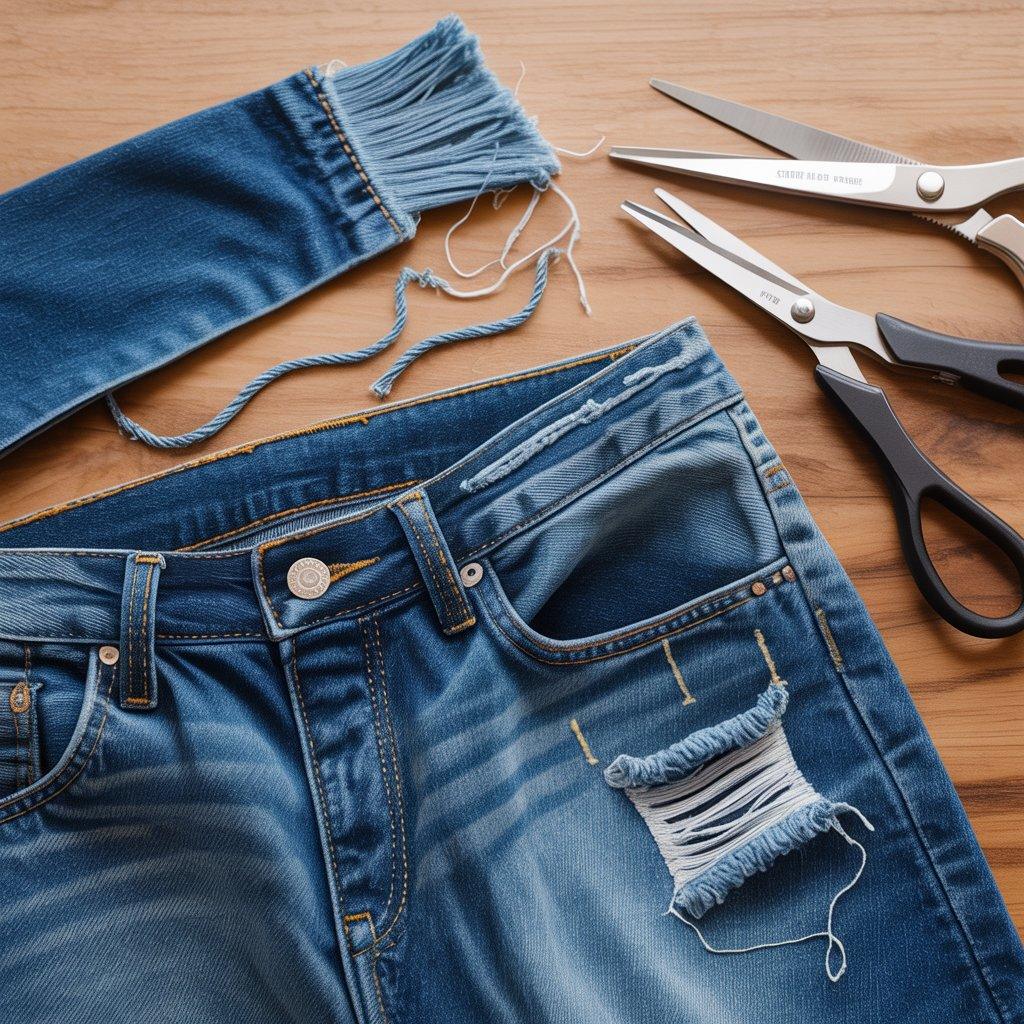
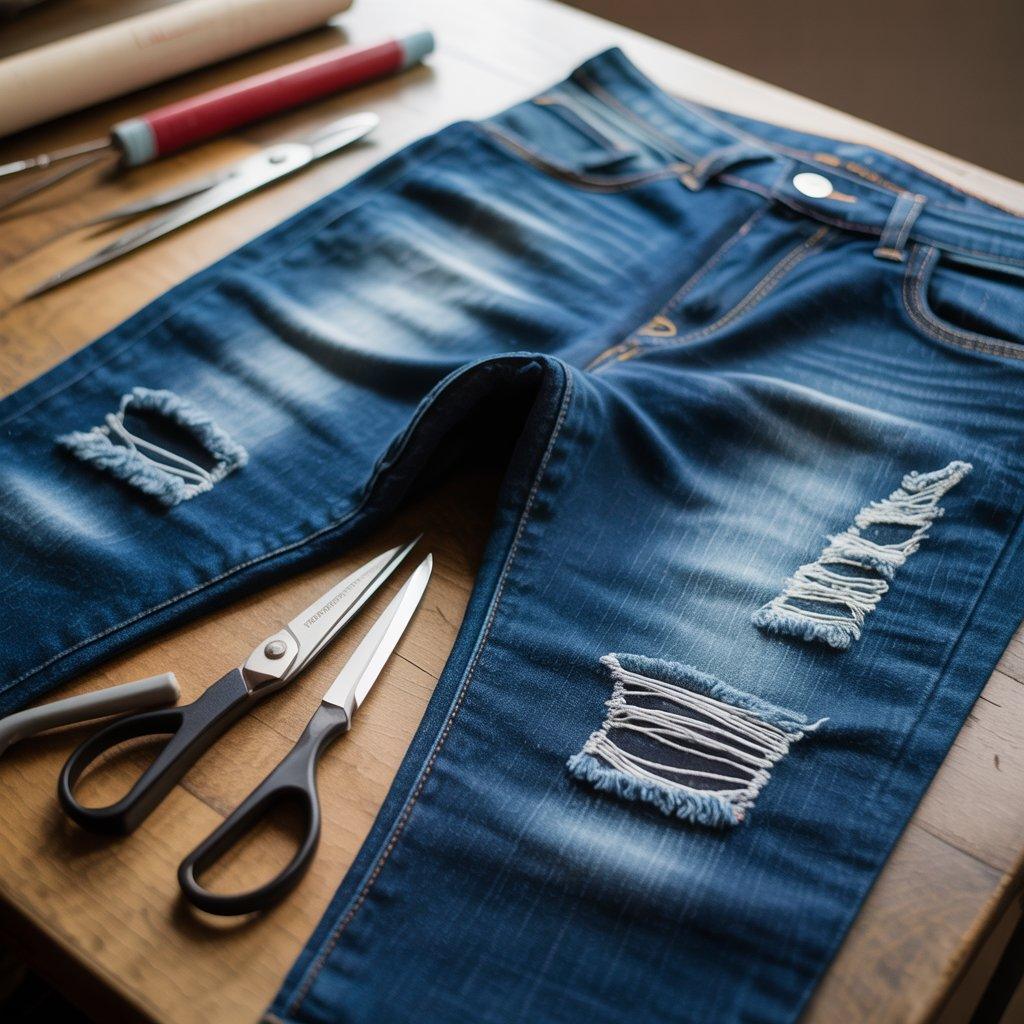
Distressed jeans look stylish but they are easy to make at home. Choose jeans that are not too thin. Mark small areas where you want light distress.
Use scissors or sandpaper to gently rub the fabric. Pull a few threads carefully to create a natural worn look.
Start small. You can always add more distress later. Too many cuts at once can make the jeans weak. This project teaches beginners control and helps them understand denim fabric better.
10. Add Ribbon to Sleeve Edges
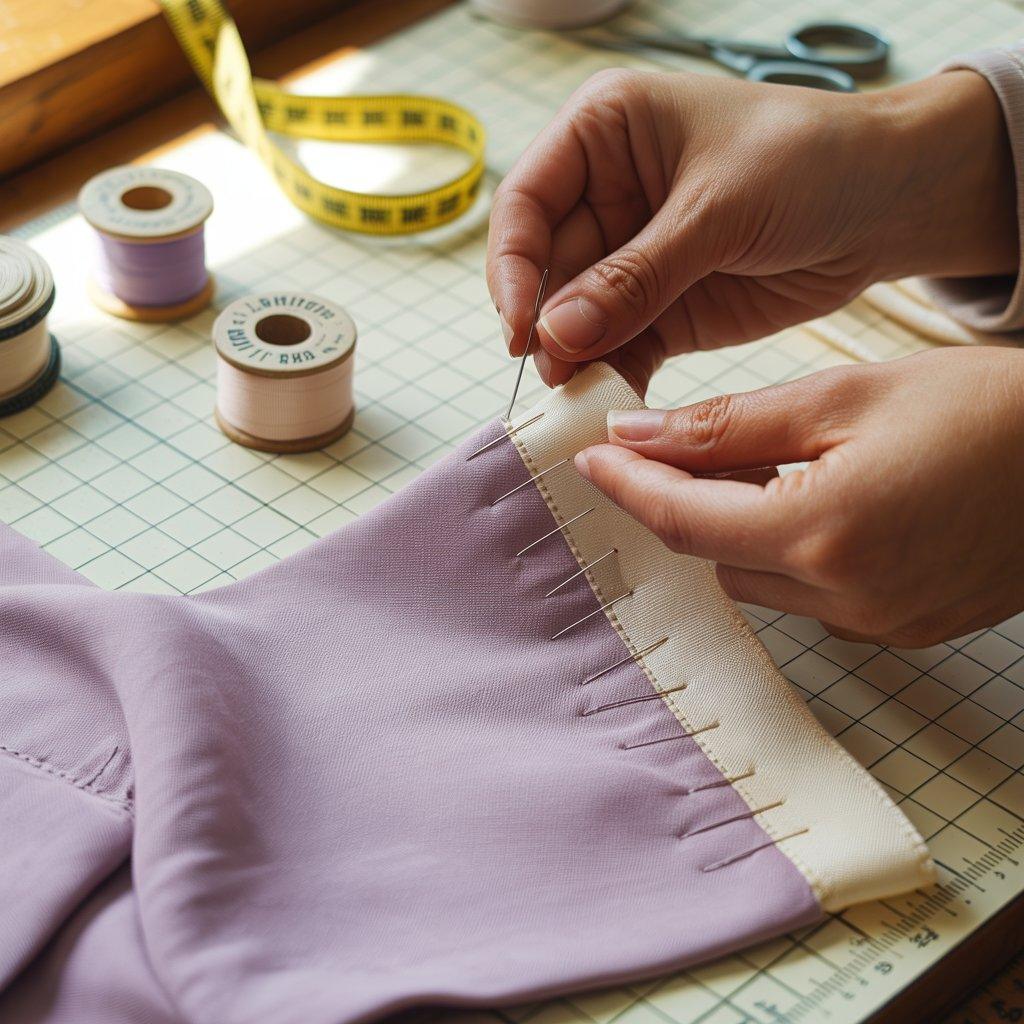
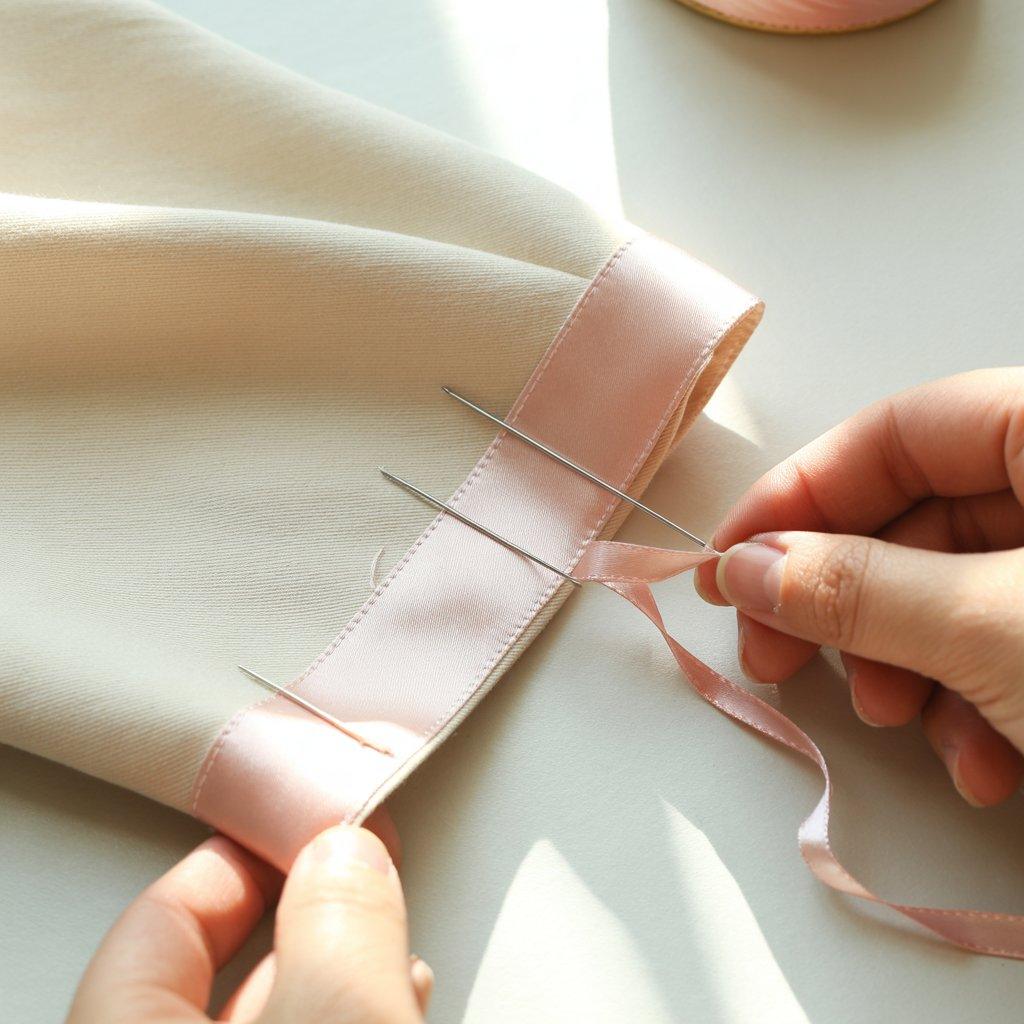
Ribbon can make simple clothing look more detailed. Measure ribbon around sleeve edges or bottom hems. Cut the correct length. Pin ribbon carefully so it stays straight. Sew slowly along the edges.
Choose ribbon color that matches or slightly contrasts with the fabric. Soft cotton ribbon is easiest to sew. This small detail can change the overall look of basic clothing without much effort.
STEP 3
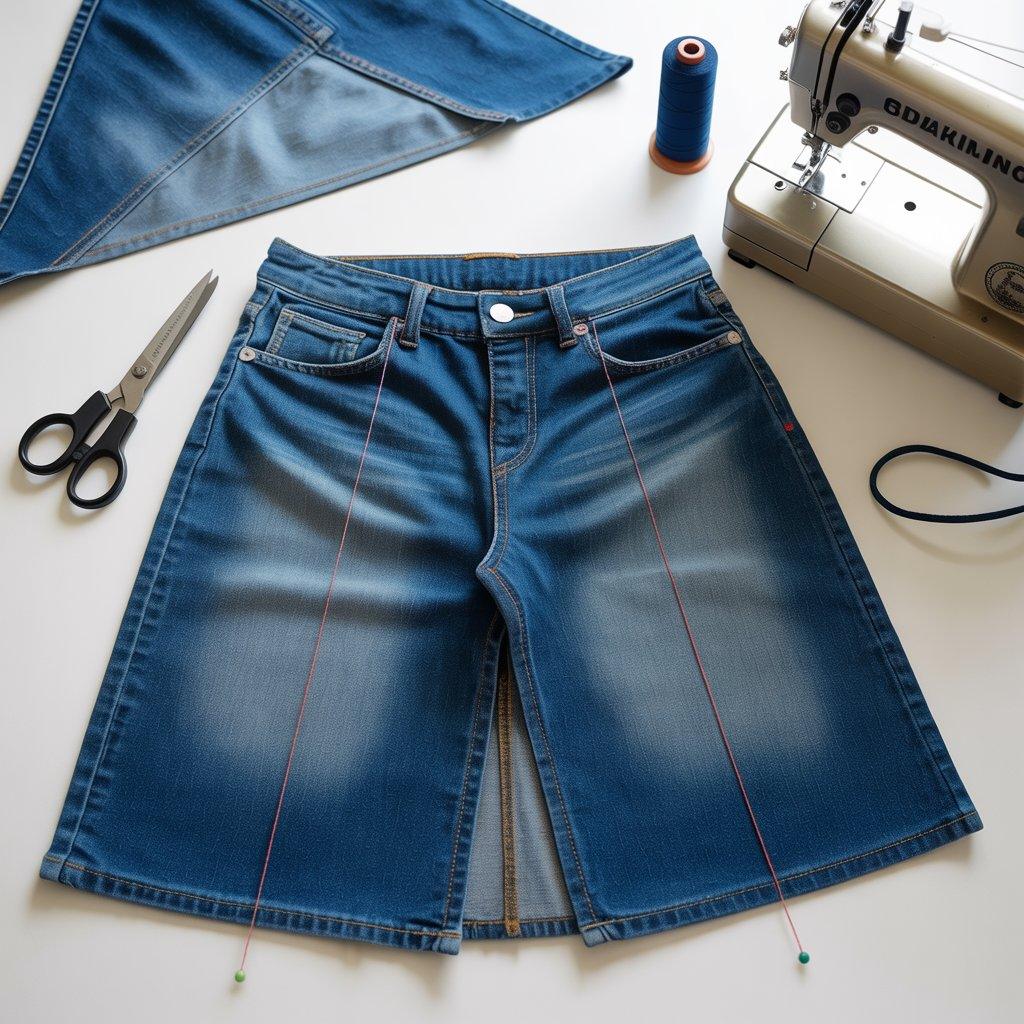
11. Turn Jeans into a Simple Skirt
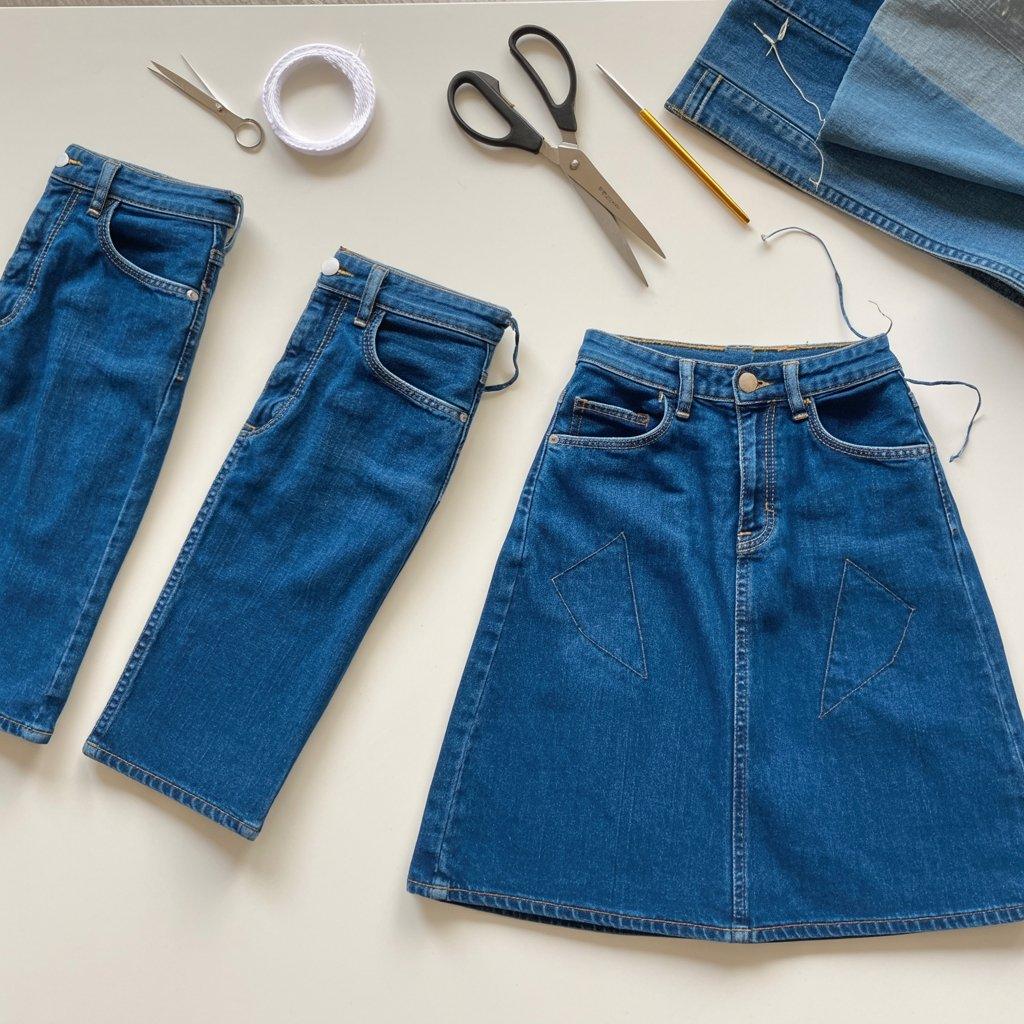
If you have jeans that fit at the waist but feel uncomfortable on the legs, you can turn them into a skirt. Lay the jeans flat and cut straight across both legs at the length you want. Open the inside leg seams using scissors.
Use a piece of extra fabric from the cut legs to fill the open triangle space in the middle. Pin the fabric in place and sew along both sides.
Denim is strong, so it holds shape well. Even simple stitching works fine. The result is a casual skirt that looks natural and is comfortable to wear.
This project helps beginners learn how clothing pieces can be reshaped instead of thrown away.
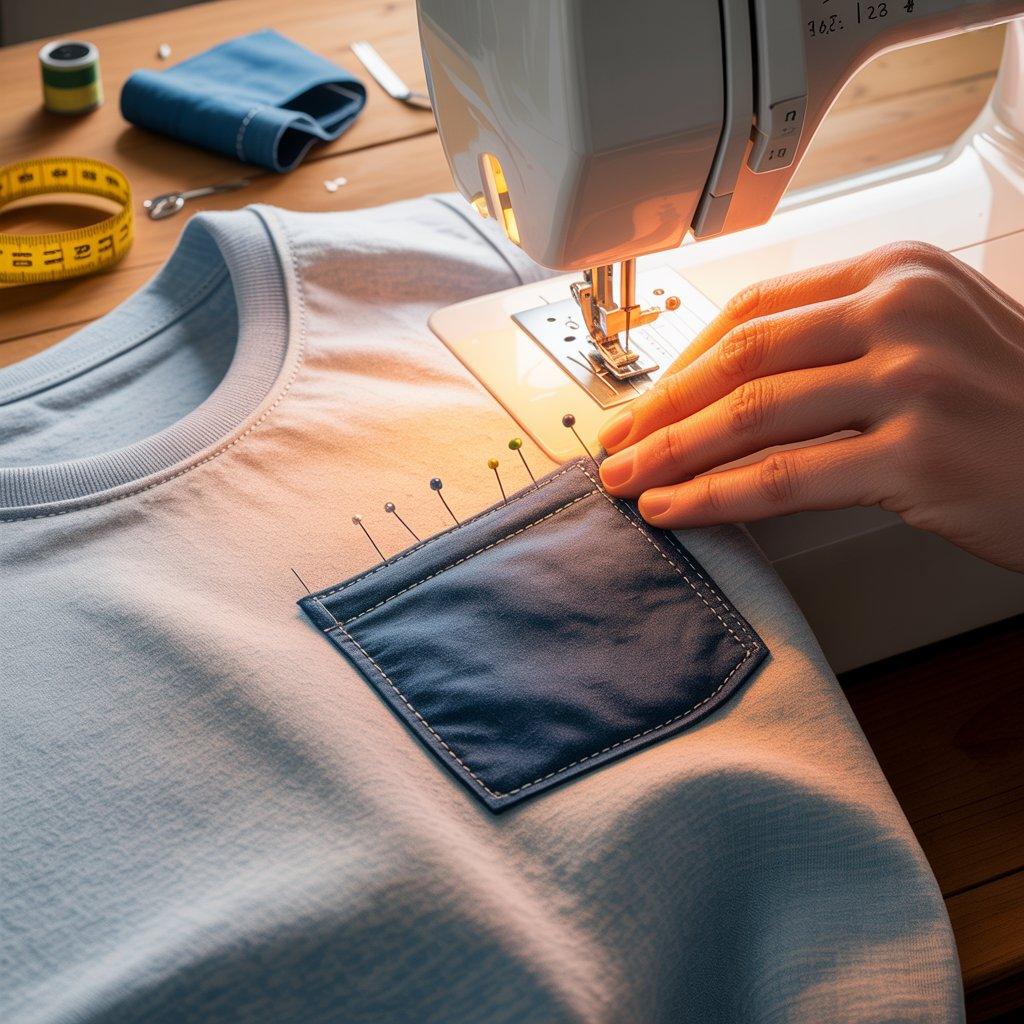
12. Add Pocket to a T-Shirt
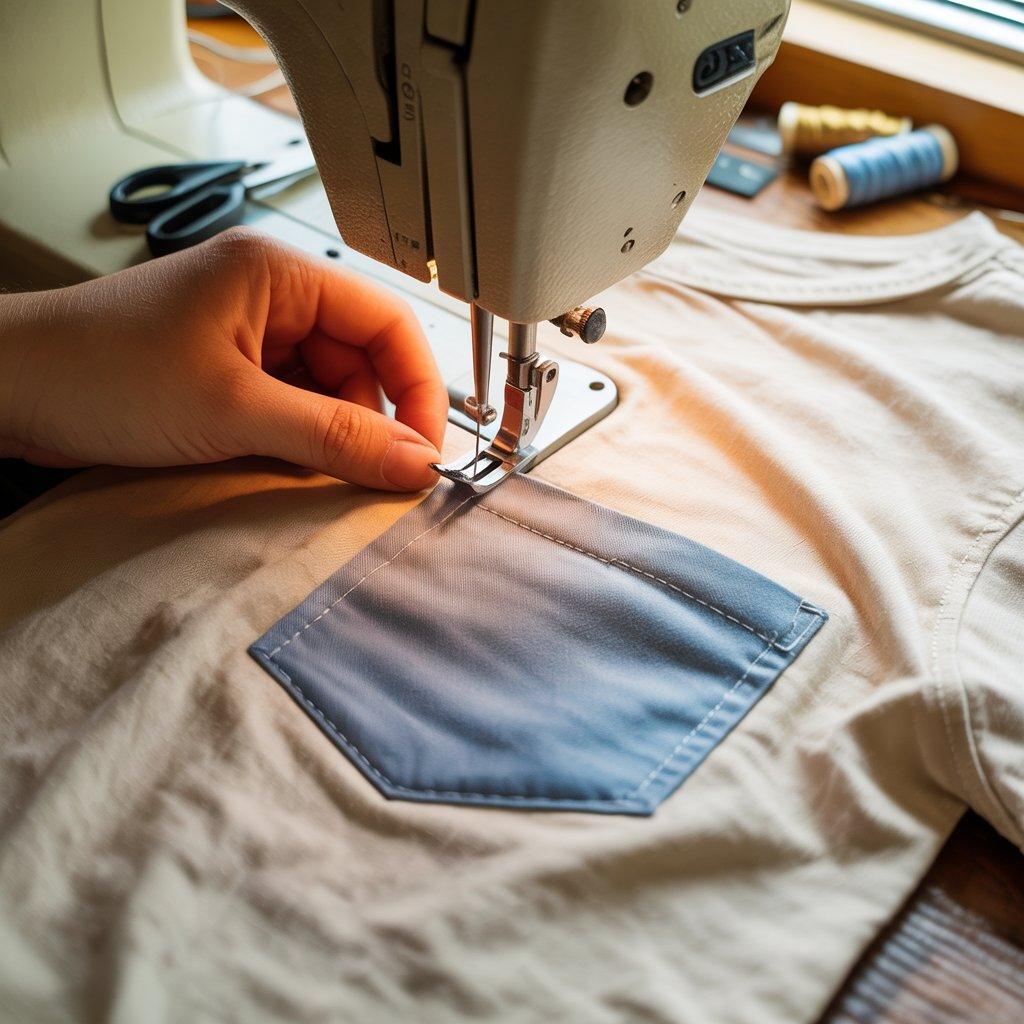
Some clothes look plain because they don’t have small details. A pocket can change that easily.
Cut a small square or rectangle from fabric. Fold the edges inward and iron if possible. Pin the pocket on the shirt where you want it. Sew slowly along the sides and bottom, leaving the top open.
Use fabric that contrasts slightly so the pocket is visible. This idea is simple but helps beginners practice straight stitching and careful placement.
13. Make Simple Pajama Shorts
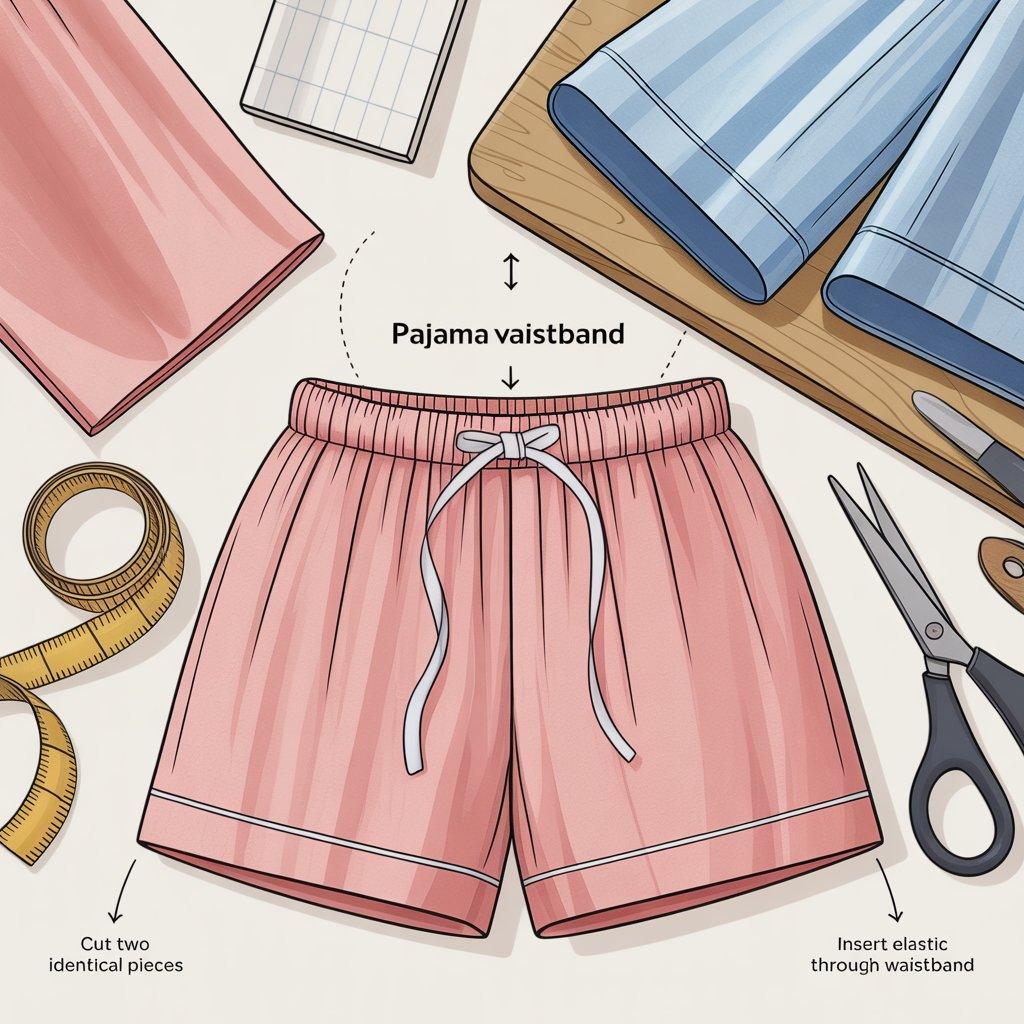
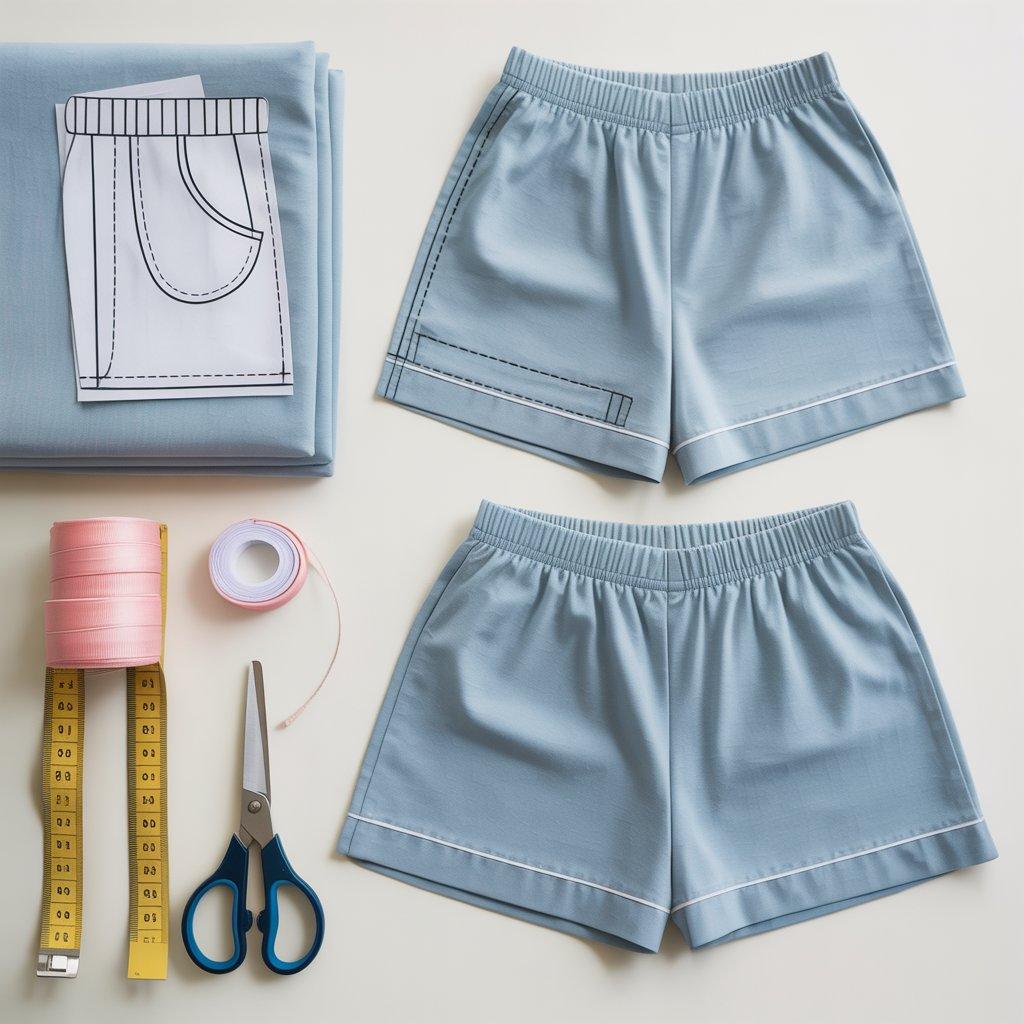
Comfortable pajama shorts are easy to make, especially with soft cotton fabric. Use existing shorts as a guide. Place them on the fabric and trace around, leaving a little extra space.
Cut two identical pieces. Sew the sides and inside leg seams. Fold the waist area and create space to insert elastic. Adjust elastic until the shorts feel comfortable.
This project teaches beginners how to copy clothing shapes and understand basic garment structure.
14. Add Fabric Belt to Dress or Shirt
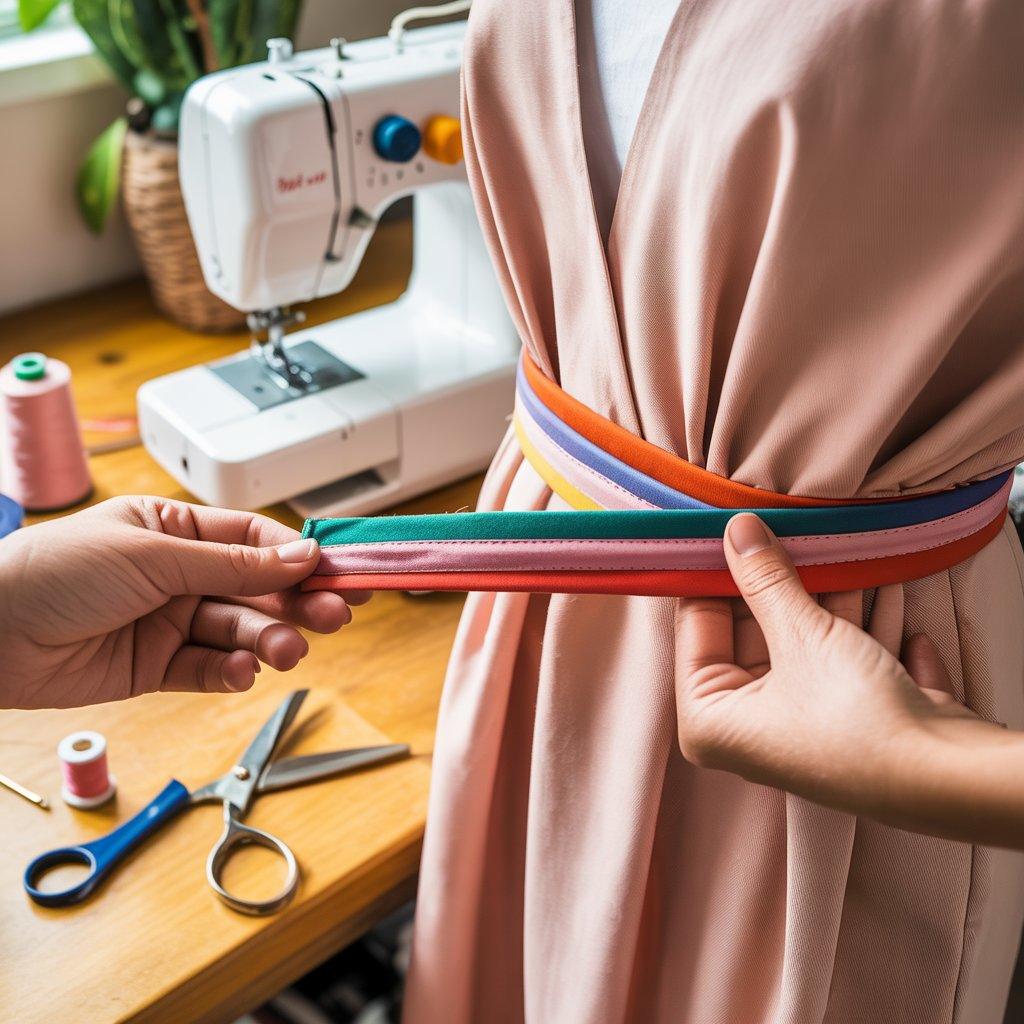
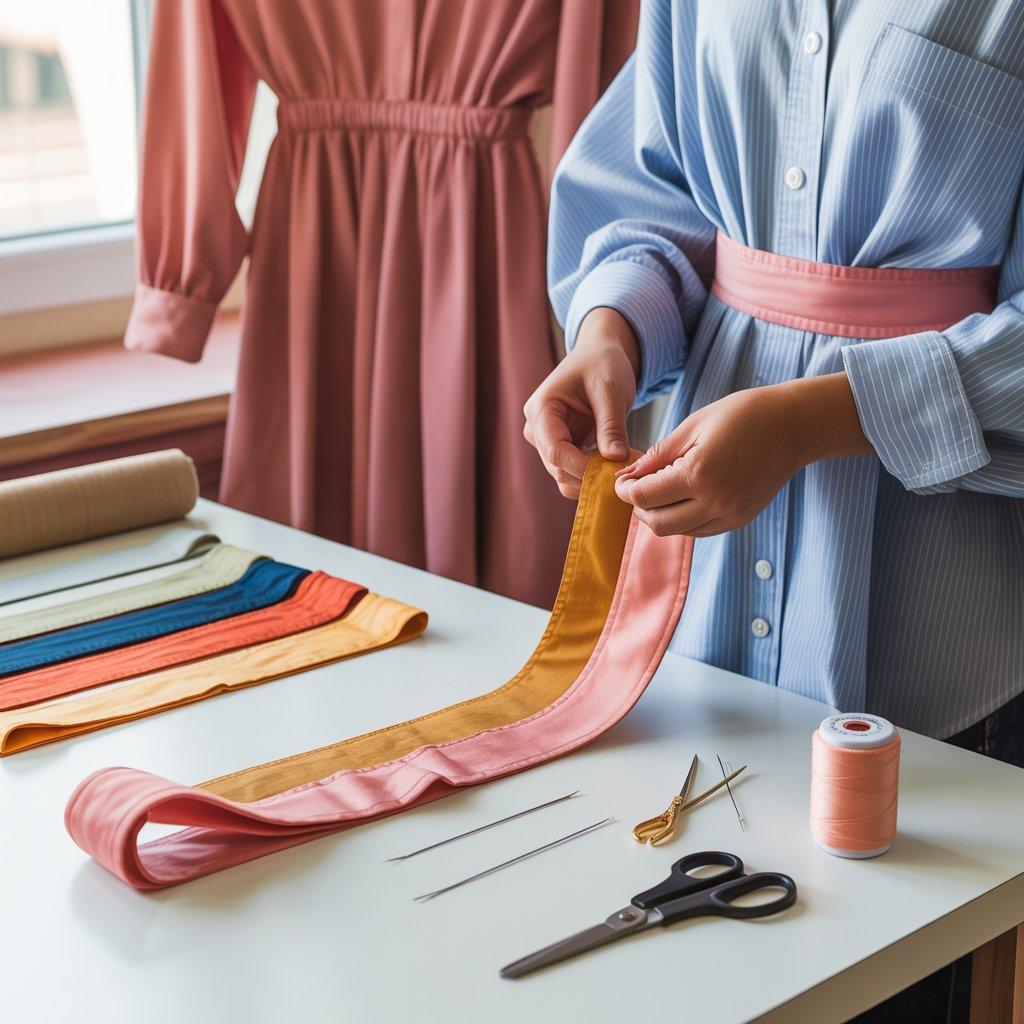
Sometimes clothing feels loose without shape. A simple fabric belt can fix that. Cut a long strip of fabric about 8–10 cm wide. Fold it lengthwise and sew along the edge. Turn the fabric inside out. Iron lightly if possible so it looks neat.
The belt can be tied around dresses, long shirts, or oversized tops. It adds shape without permanent changes. This project is easy and useful because the belt can be used with many outfits.
15. Decorate Collar with Simple Design
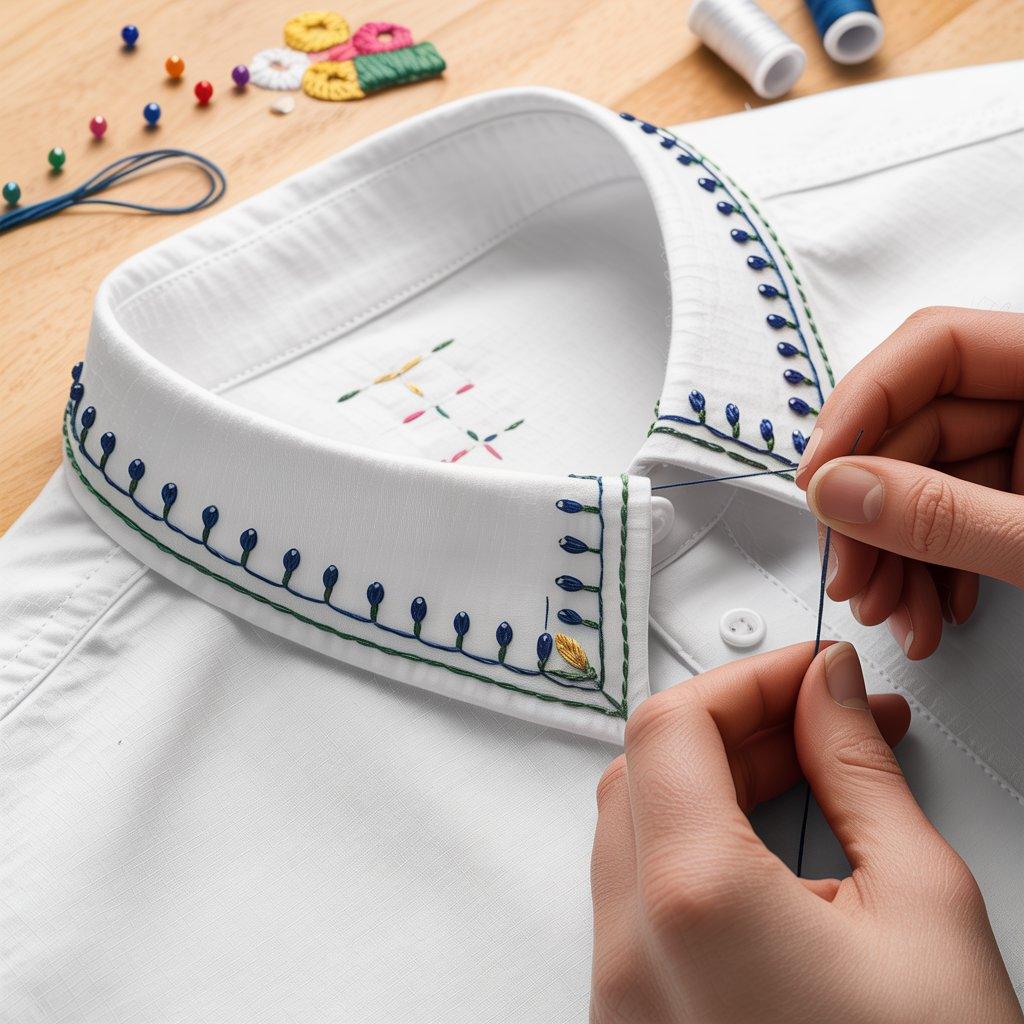
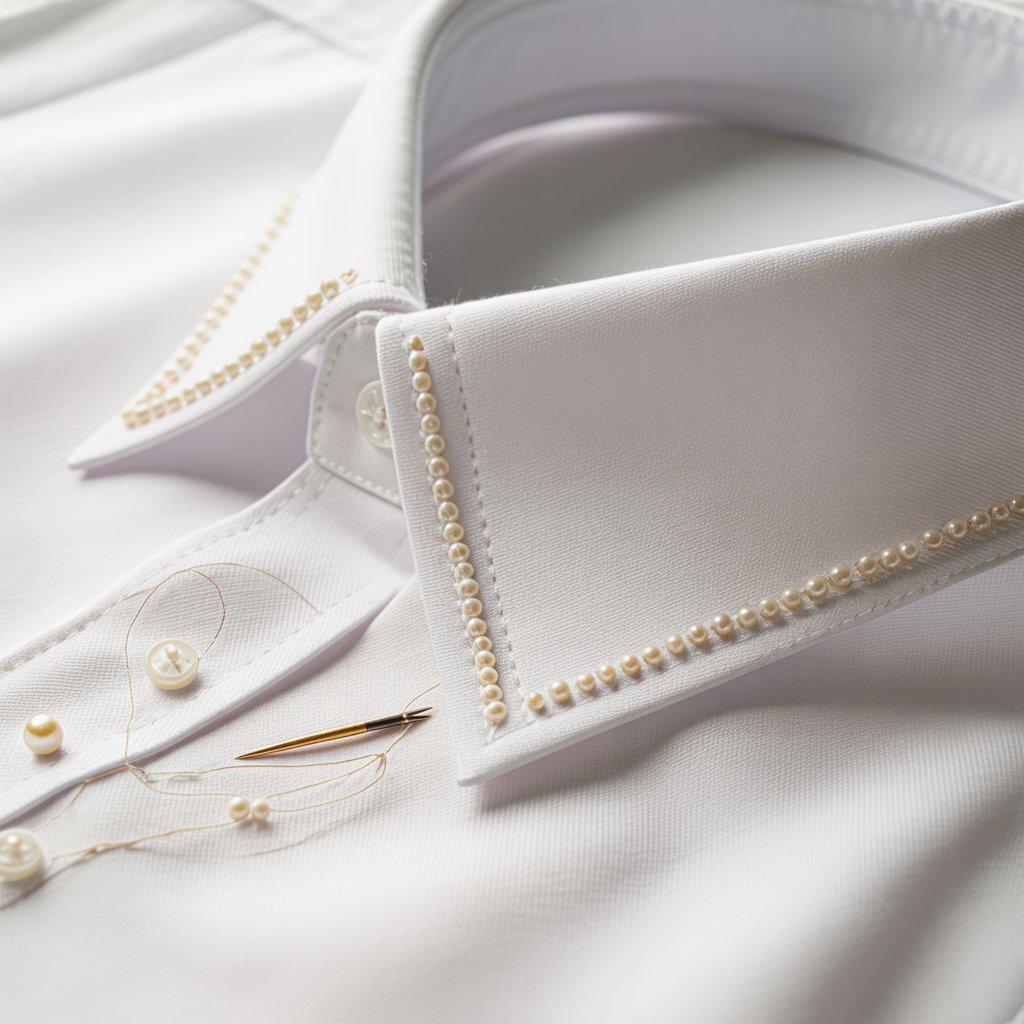
Collars are easy areas to decorate because they are small and visible. Use small beads, simple stitches, or fabric paint. Mark lightly where the design will go. Work slowly so spacing stays even.
Choose small patterns instead of large ones. Simple details often look better and cleaner. This project helps beginners practice working carefully on small areas of fabric.
STEP 4
16. Turn a Large Shirt into a Simple Dress
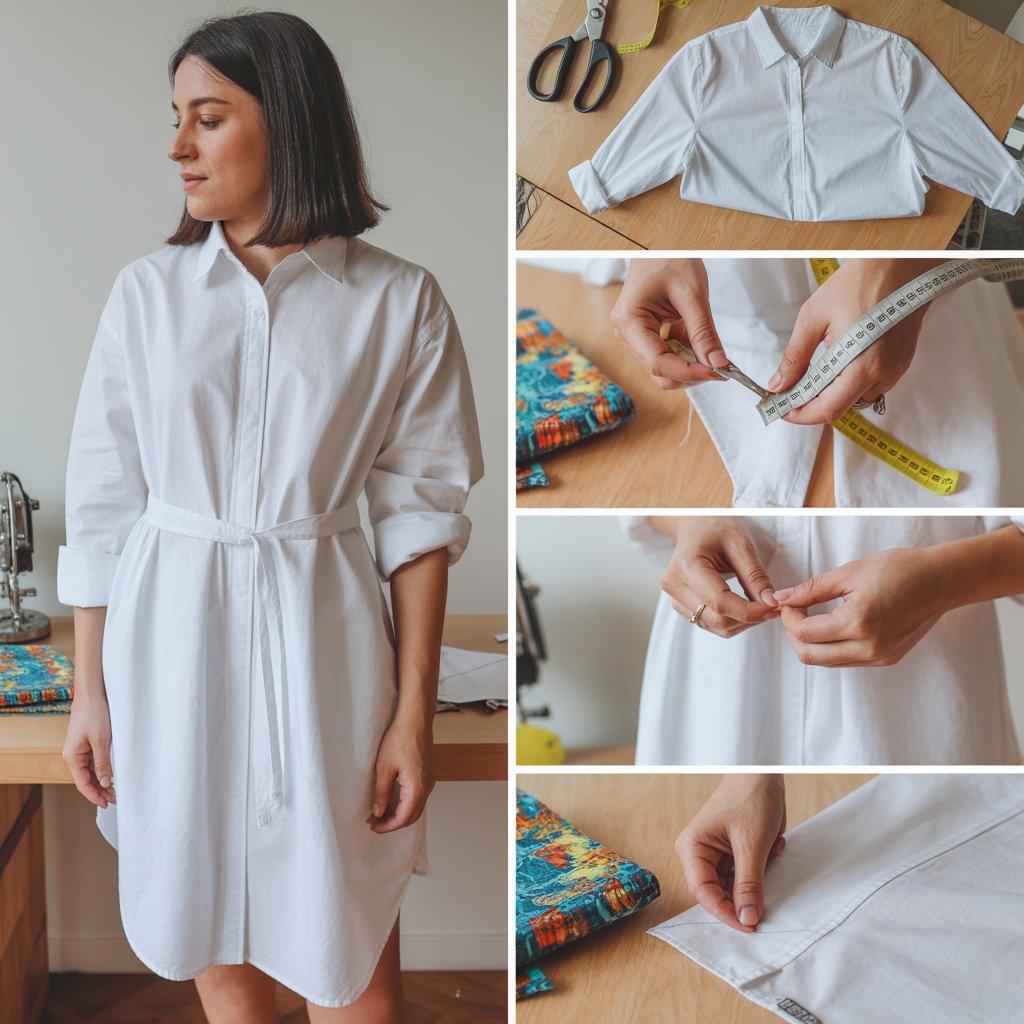
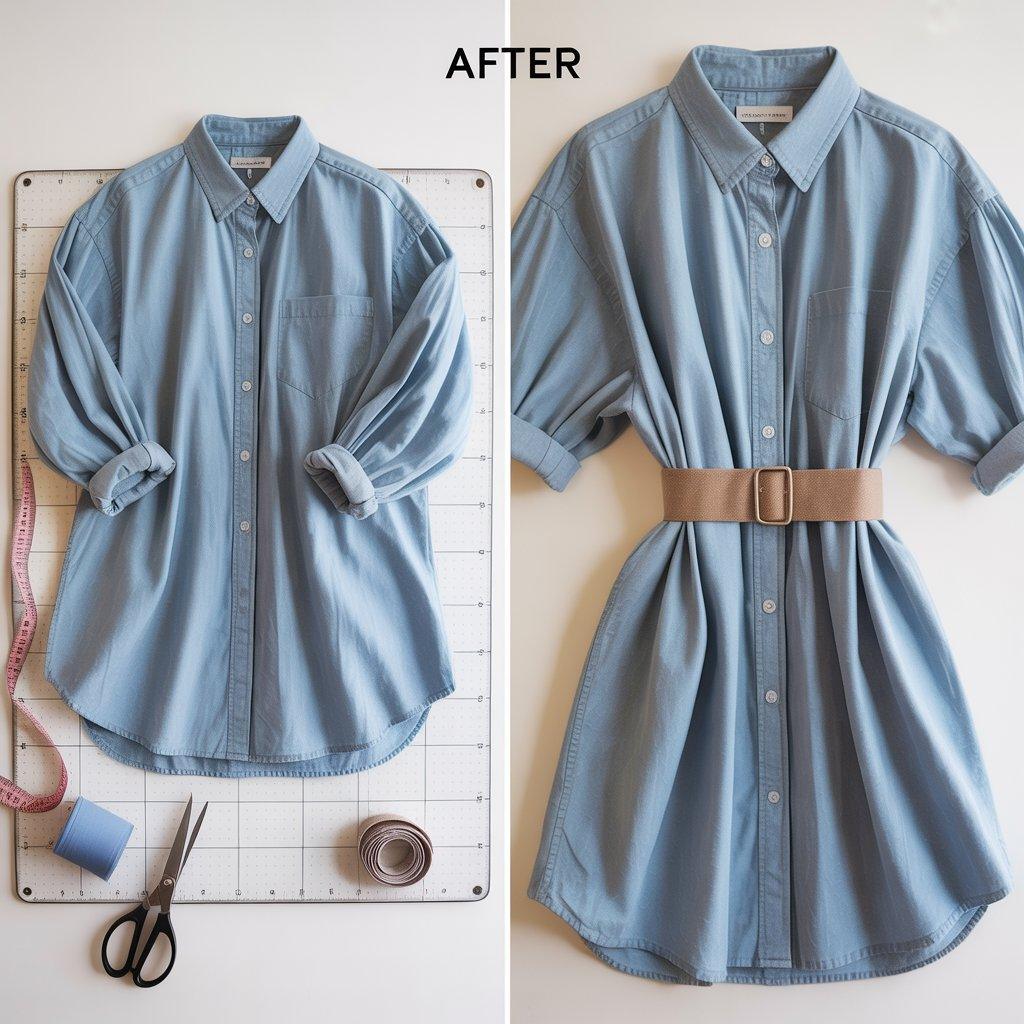
Sometimes a large shirt is too long to look good as a shirt, but it can work well as a casual dress. Choose a shirt that is slightly loose so it feels comfortable when worn longer.
Try the shirt on and decide the length you want. If it is too long, cut the bottom evenly. If the sleeves are wide, you can sew a small line under the arms to make the shape better.
You can also add a simple fabric belt to give the dress more shape. Cotton shirts work best because they are easy to sew and comfortable to wear.
This project is good for beginners because it does not require complex sewing, only small adjustments.
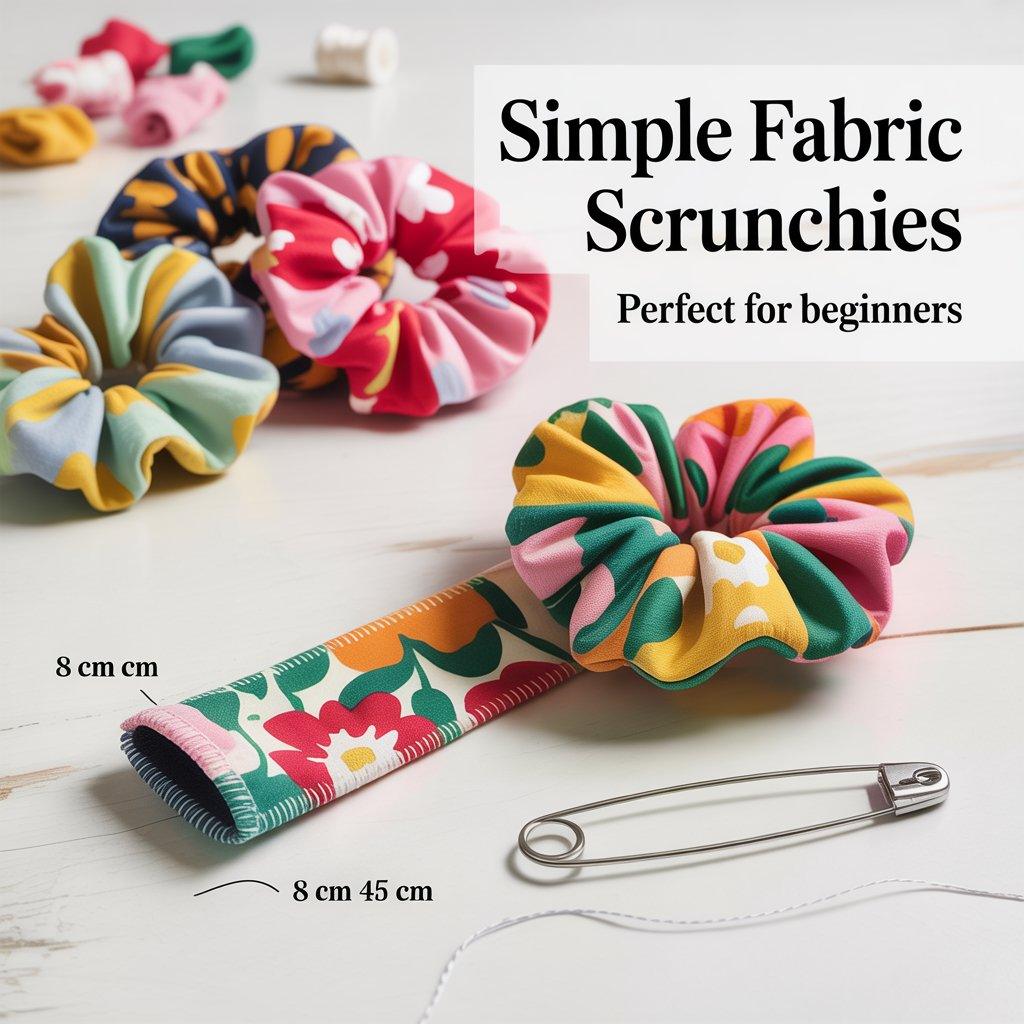
17. Make Simple Fabric Scrunchies
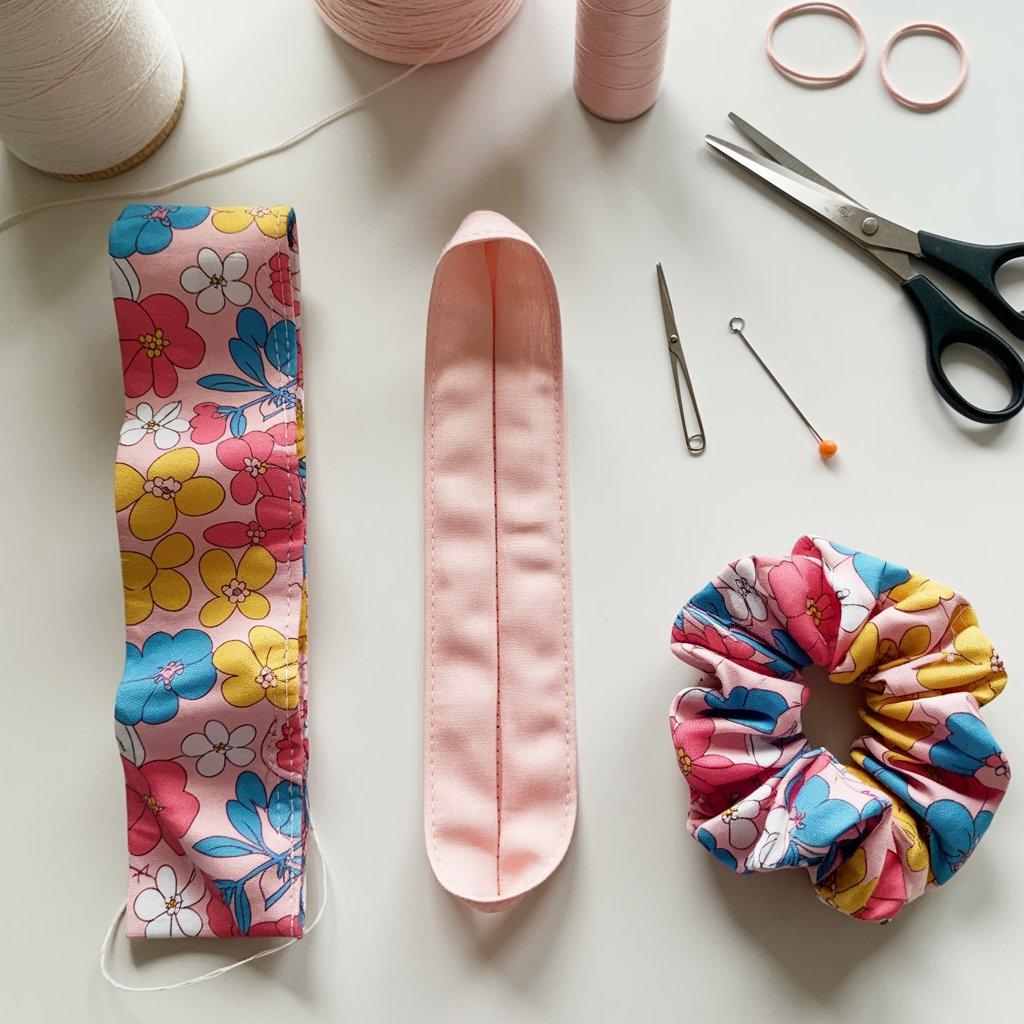
Scrunchies are small but useful, and they don’t require much fabric. Cut a strip of fabric about 8 cm wide and 45 cm long.
Fold the fabric lengthwise and sew along the edge to form a tube. Turn the tube inside out. Insert elastic through the tube using a safety pin.
Tie the elastic ends together securely, then sew the fabric opening closed. Scrunchies are good practice for beginners because they teach basic sewing steps in a small project. They are also good for using leftover fabric pieces.
18. Add Side Slit to Long Shirt
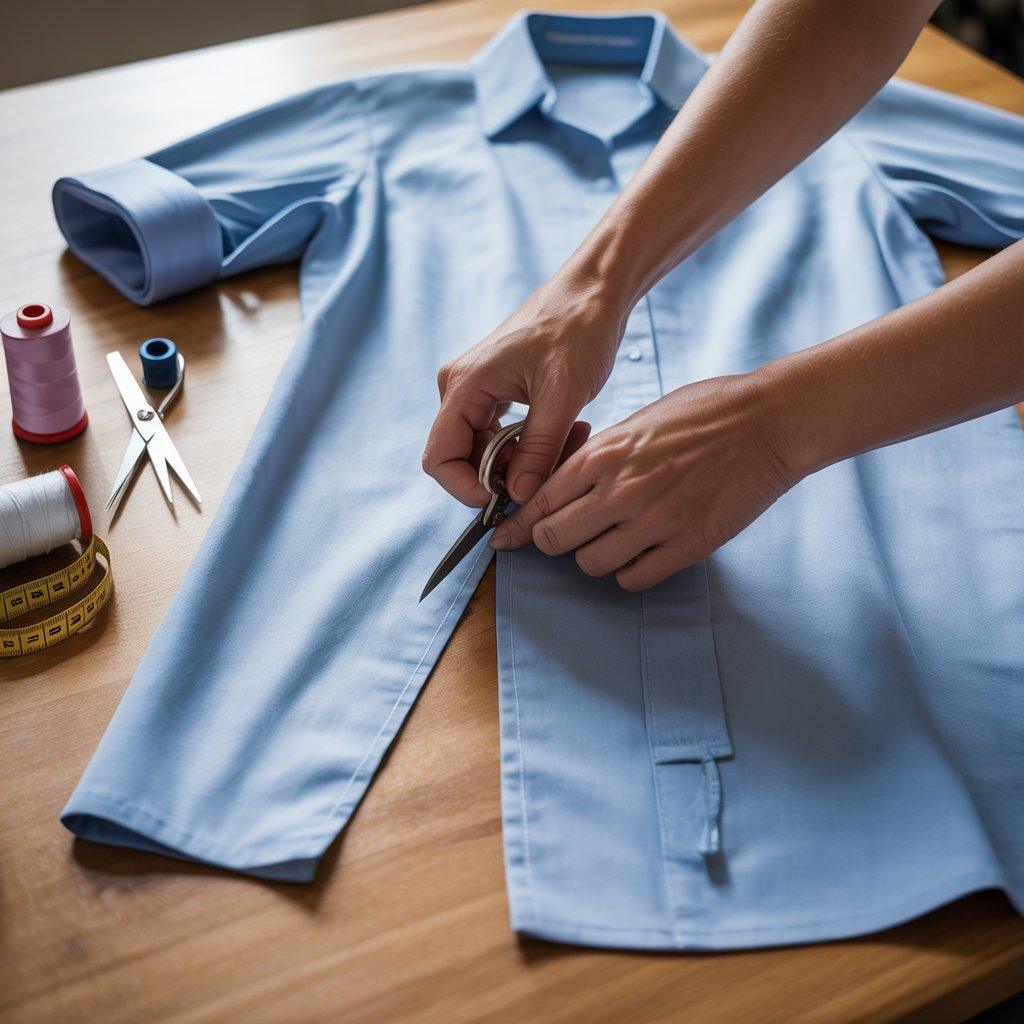
If a long shirt feels tight when walking, adding a small side slit can make it more comfortable. Lay the shirt flat and mark a small opening on both side seams near the bottom. Cut carefully along the seam about 5–10 cm.
Fold the cut edges slightly inward and sew to keep the fabric from fraying. This small change improves movement and also gives the shirt a cleaner shape. It is simple but very practical.
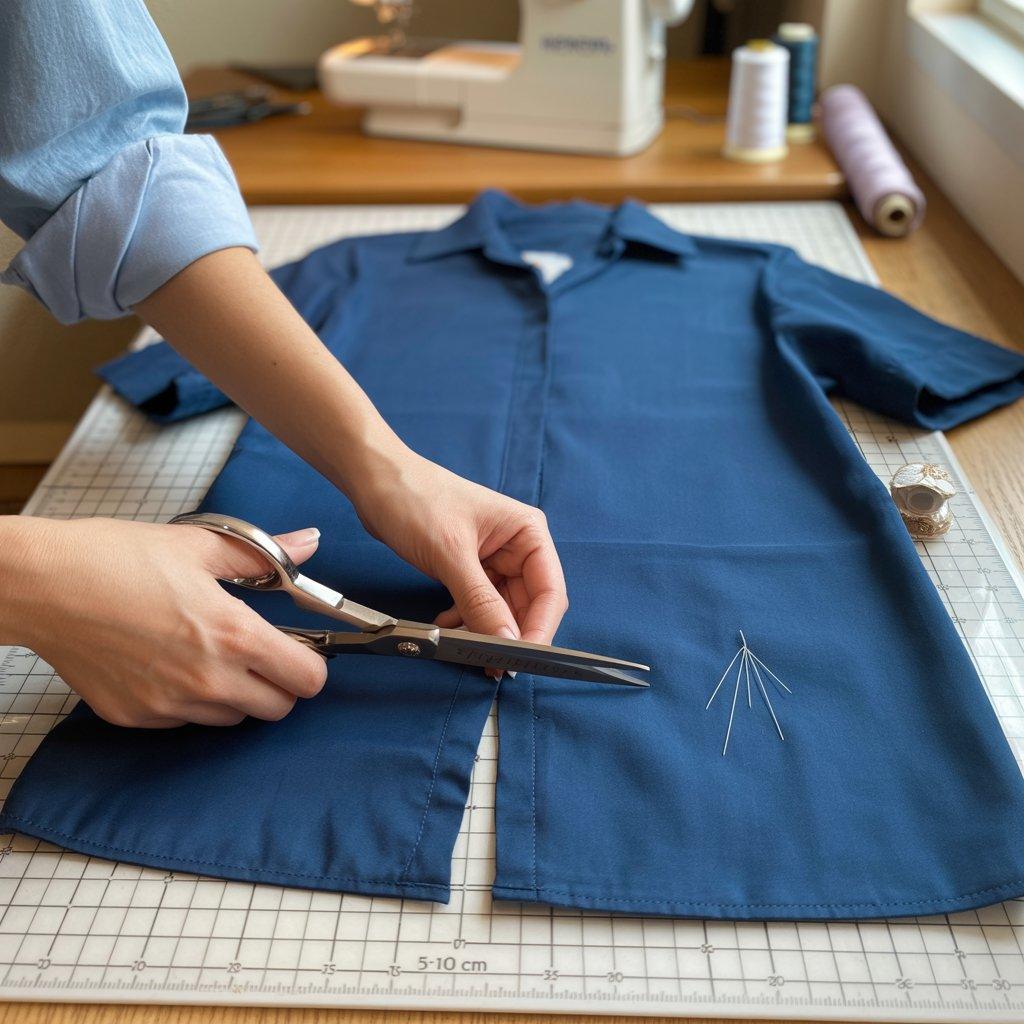
19. Turn Old Leggings into Workout Shorts
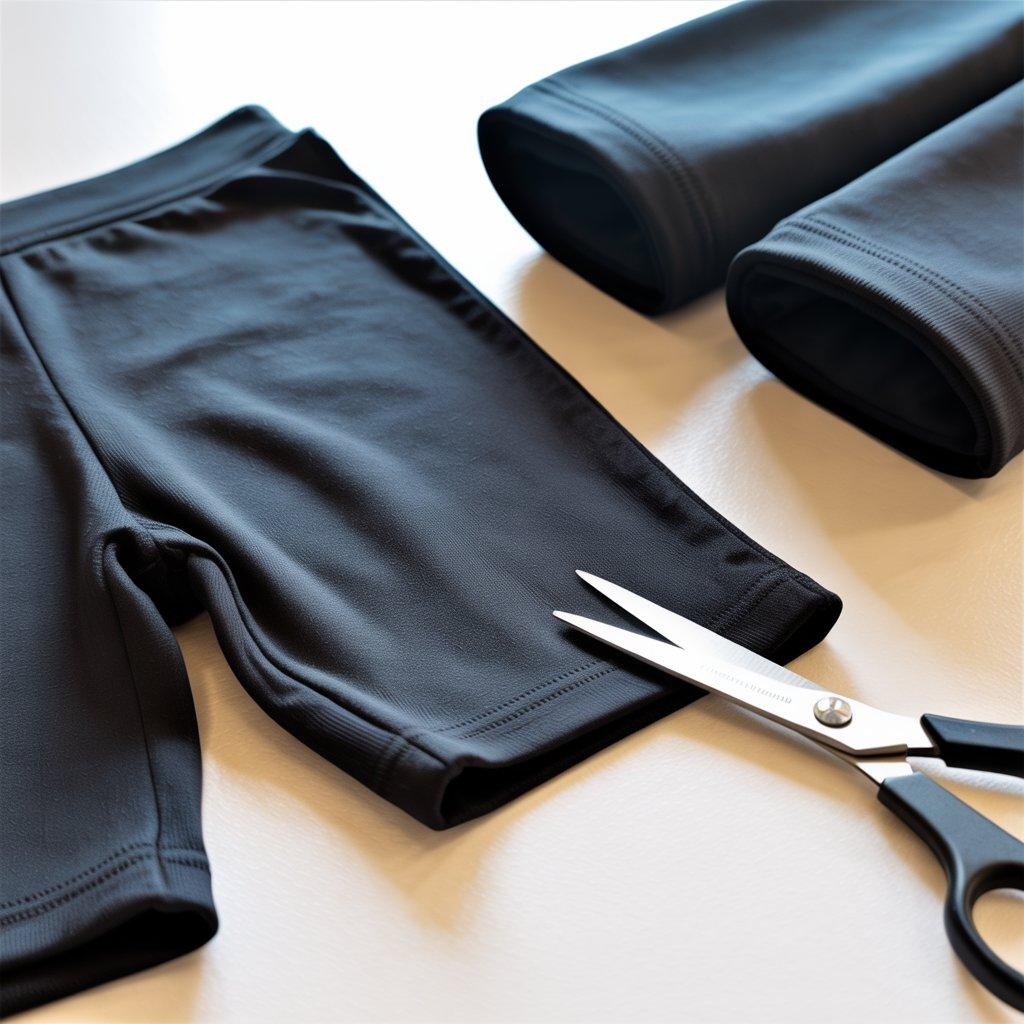
Old leggings often lose shape at the bottom but still fit well at the waist. Instead of throwing them away, cut them into shorts. Wear the leggings and mark the length you want. Remove them and cut straight across both legs.
Stretch the edge gently with your hands so the fabric rolls slightly. Stretch fabric works well because it does not fray easily. These shorts are comfortable for home, exercise, or sleepwear. This project is very easy and takes only a few minutes.
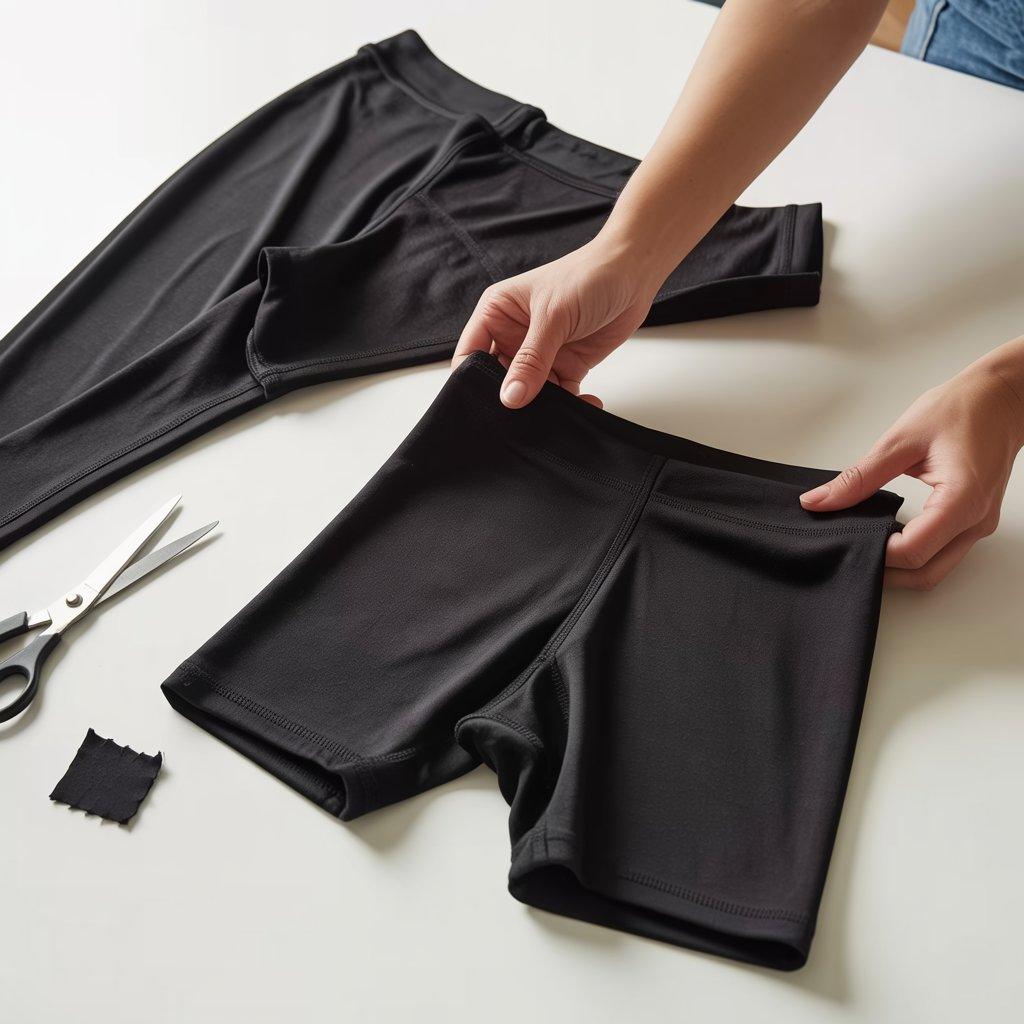
20. Add Simple Hem to Loose Pants
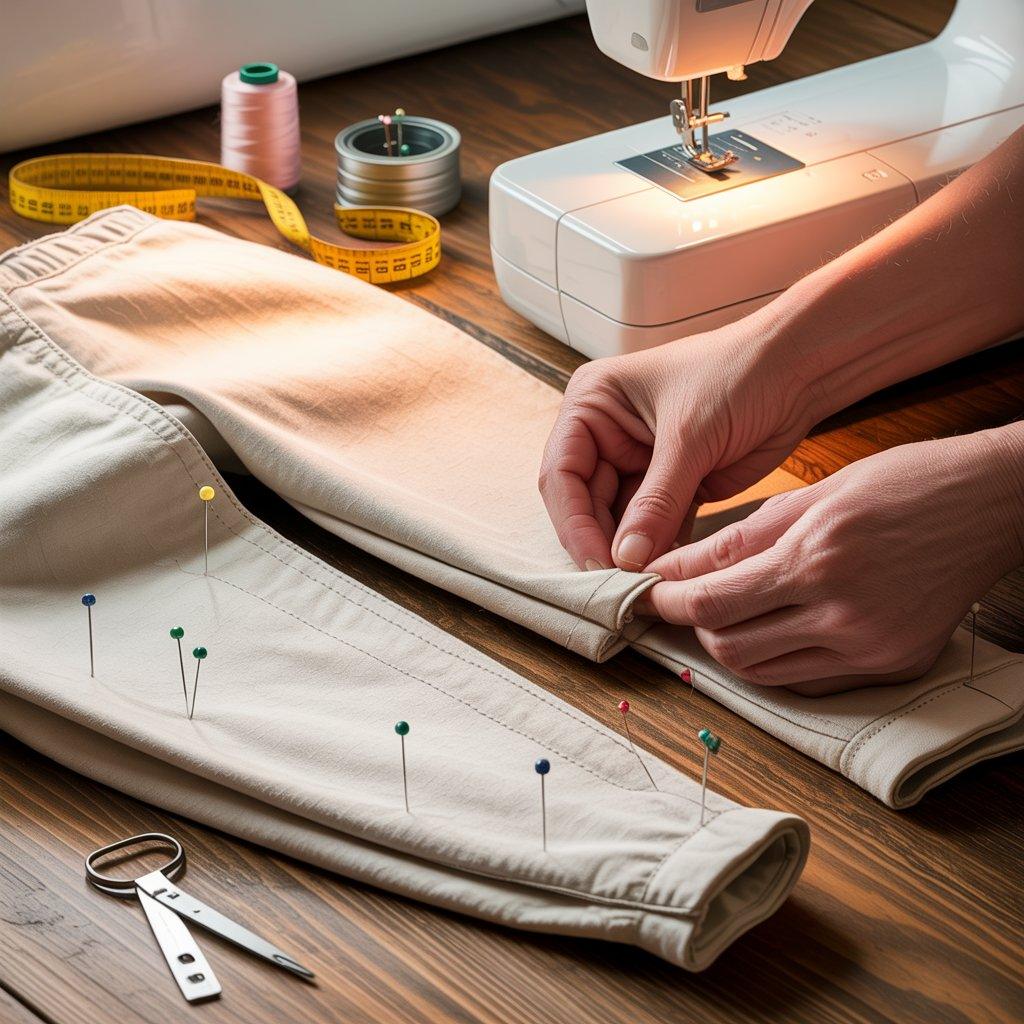
Sometimes pants feel too long, especially after washing when fabric changes shape. A simple hem can fix this quickly.
Wear the pants and fold the bottom to the length you want. Mark the fold line lightly. Remove the pants and fold the fabric evenly. Sew a straight line around each leg.
If sewing is difficult, fabric tape can also hold the hem in place. Learning how to hem pants is useful because many clothes need small length adjustments.
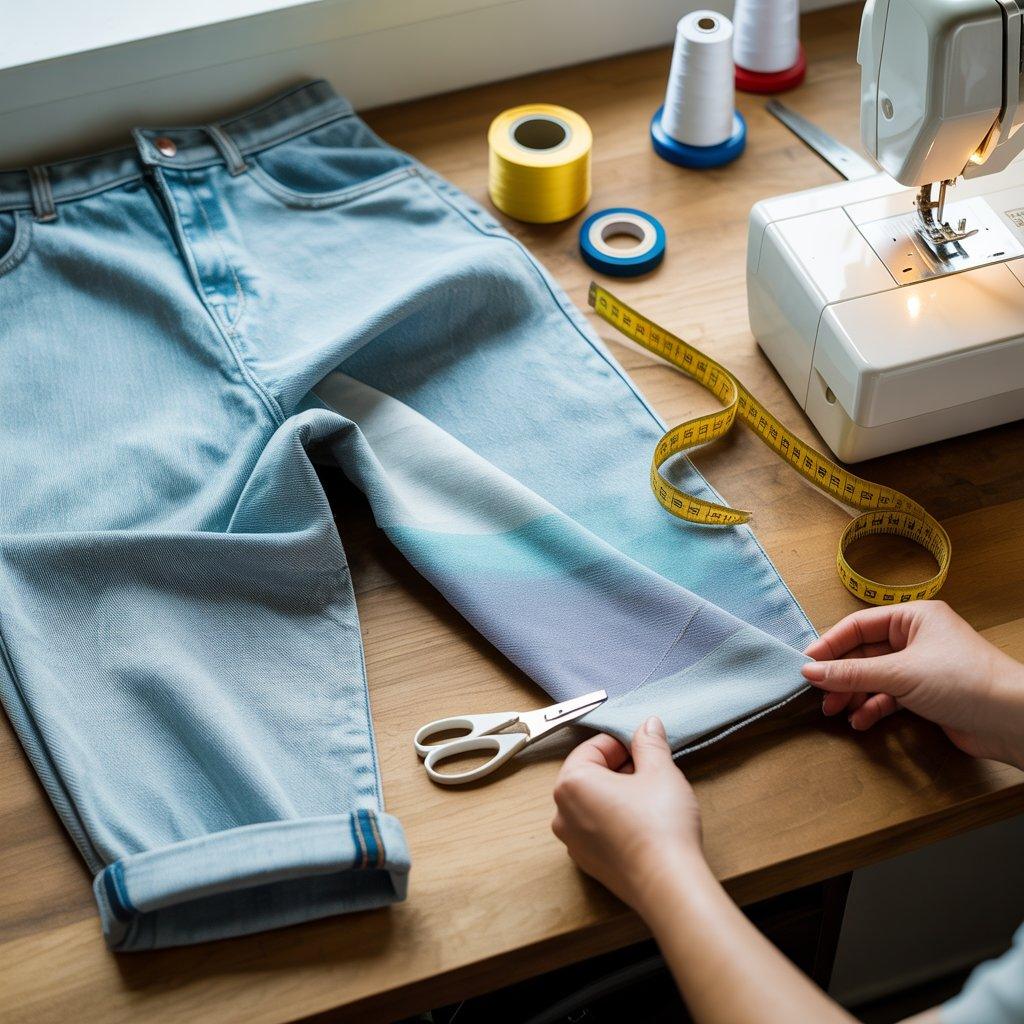
Recommended Tools for DIY Clothing Beginners
1. Beginner Sewing Machine (Best Overall Investment)
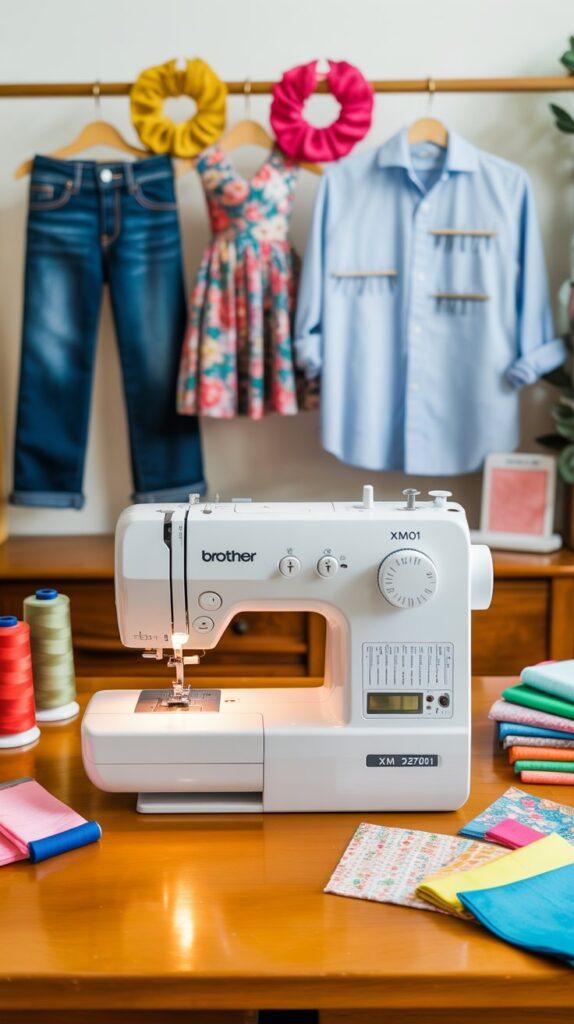
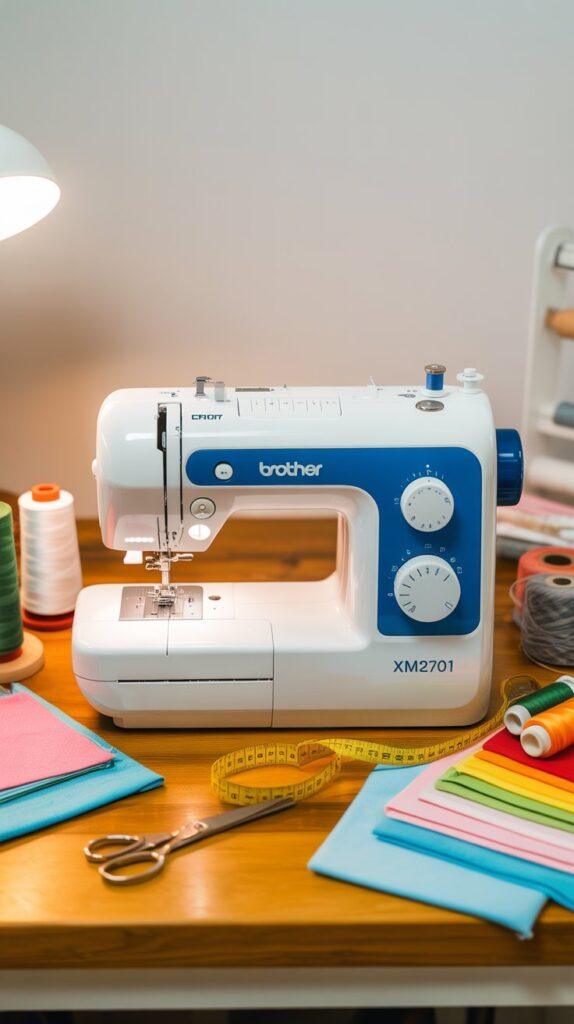
A basic sewing machine helps with many projects in this article like hemming pants, making skirts, scrunchies, and adjusting shirts. A beginner-friendly machine should be simple to thread and not too complicated to use. The Brother XM2701 is often recommended for beginners because it has essential stitches and easy controls.
Many people start sewing more consistently once they own a machine because it saves time compared to hand sewing. Even simple DIY clothing ideas become easier and cleaner.
➡ Suggested Supply: Check price on Amazon.com Beginner Sewing Machine
2. Fabric Scissors (Sharp and Accurate Cutting)
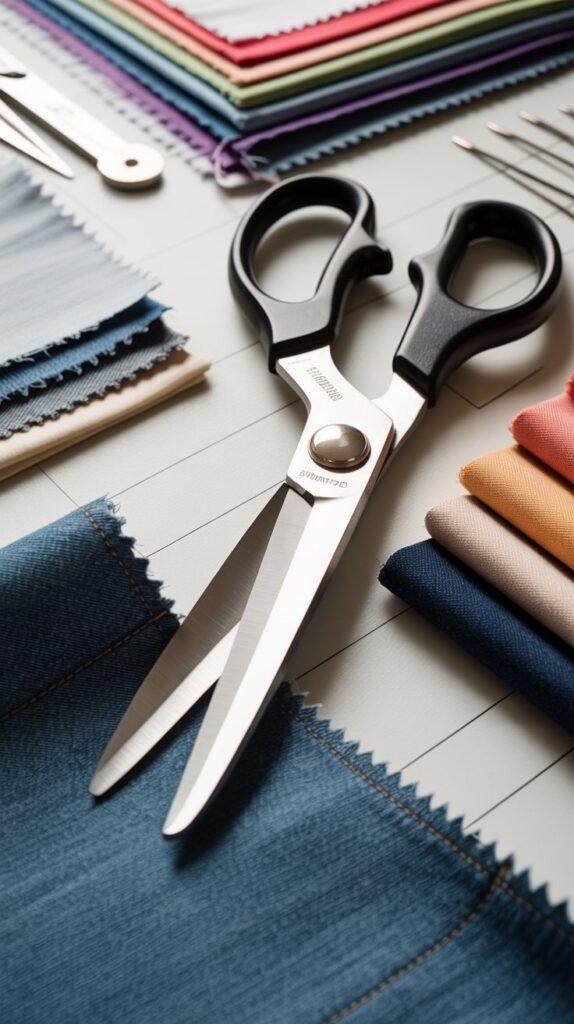
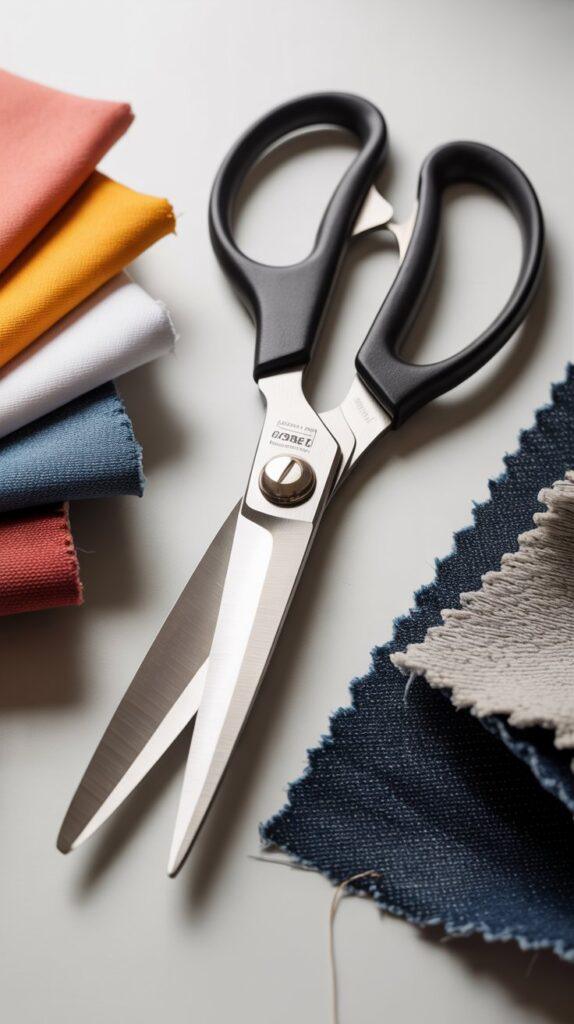
Regular scissors can damage fabric or create uneven edges. Fabric scissors are designed to cut smoothly through cotton, denim, and stretch material. Clean cutting makes DIY clothing look more professional even when the project is simple.
This tool is useful for almost every project in the article, including cutting jeans into shorts, trimming shirts, and shaping fabric for skirts.
➡ Suggested Supply: Check price on Amazon.com Fabric Scissors
3. Complete Sewing Kit for Beginners
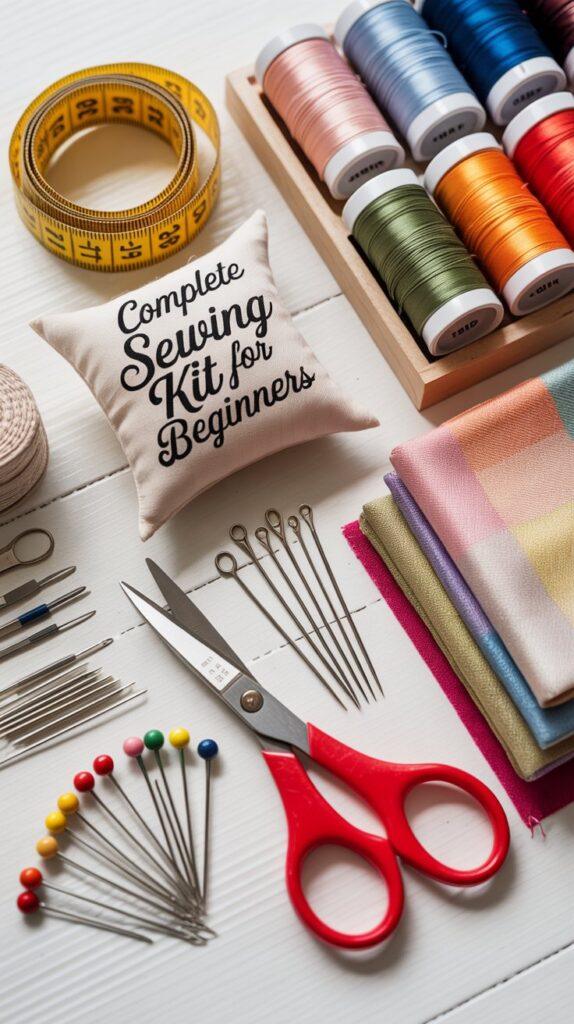
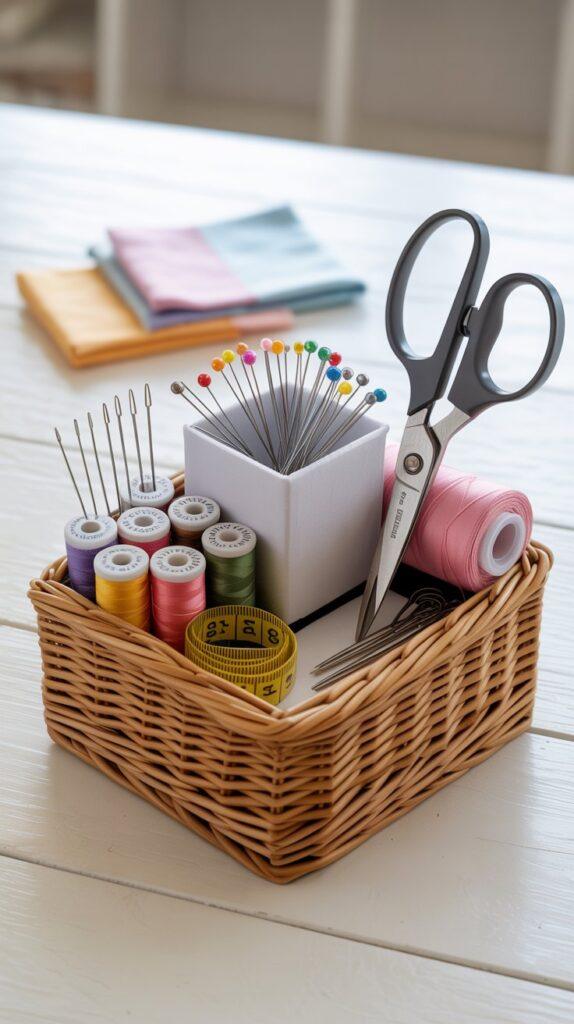
A sewing kit usually includes needles, thread, measuring tape, pins, and small scissors. These tools are necessary for simple adjustments like adding pockets, sewing patches, or fixing hems.
Buying a full kit is often cheaper than buying items separately. It also ensures beginners have everything needed to start immediately.
➡ Suggested Supply: Check price on Amazon.com
4. Fabric Paint Set (For Custom Designs)
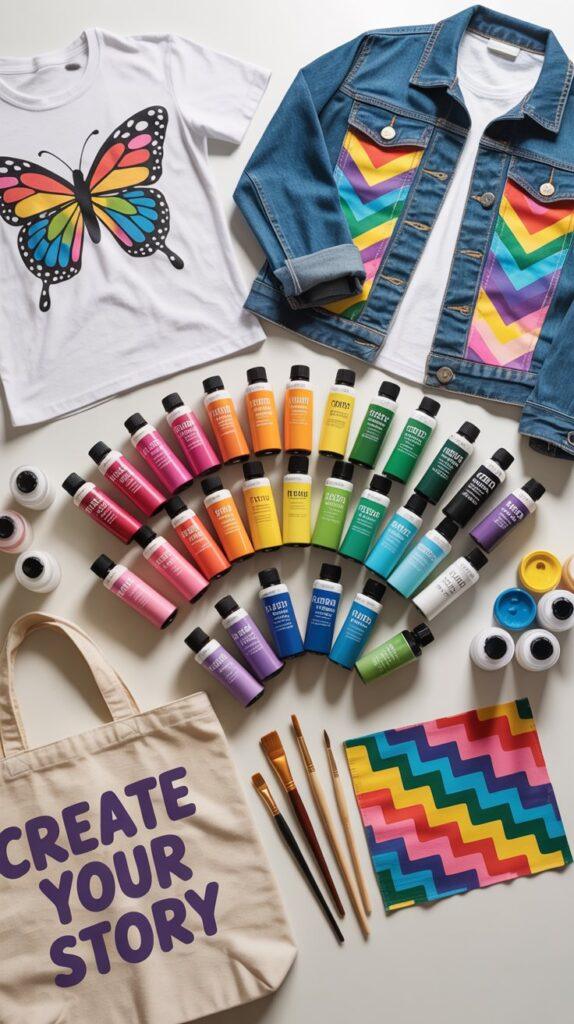
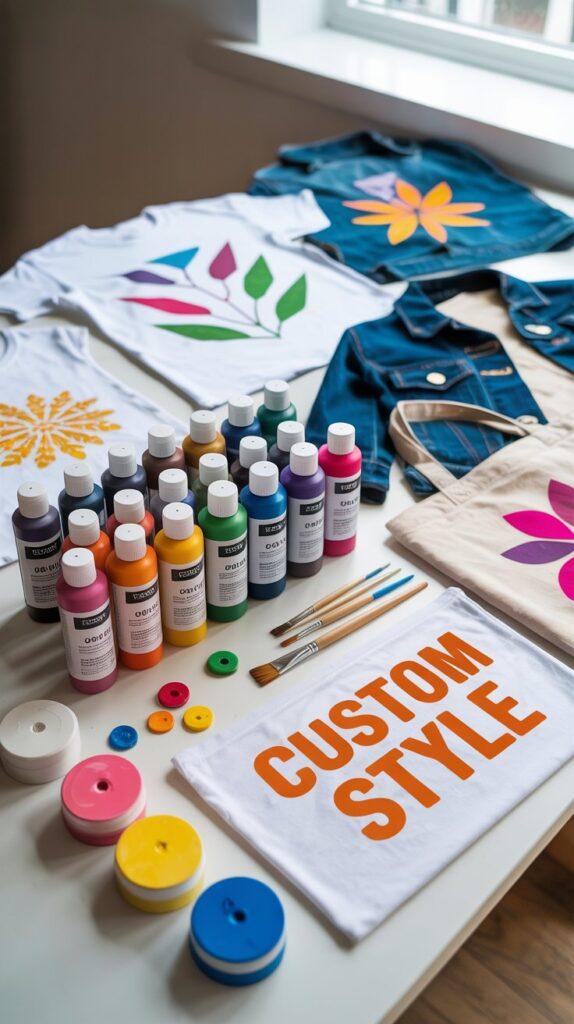
Fabric paint allows beginners to decorate plain shirts, jackets, or tote bags without sewing. It works well for adding small designs, shapes, or text.
Fabric paint stays flexible after drying, so the design does not crack easily when the clothing is washed. This makes it useful for DIY fashion projects that focus on personalization.
➡ Suggested Supply: Check price on Amazon.com Fabric Paint Set
Final Thoughts
DIY clothing becomes easier the more you practice. Start with simple ideas and focus on learning how fabric behaves. Small mistakes are normal, and most of them are not noticeable when wearing the clothes.
Many beginners feel unsure before cutting fabric, but confidence grows after finishing a few small projects.
These easy DIY clothing ideas for beginners are practical because they use clothes you already have. This saves money and reduces waste.
Over time, simple changes can help you build skills that allow you to try more advanced designs.
Related Post: