
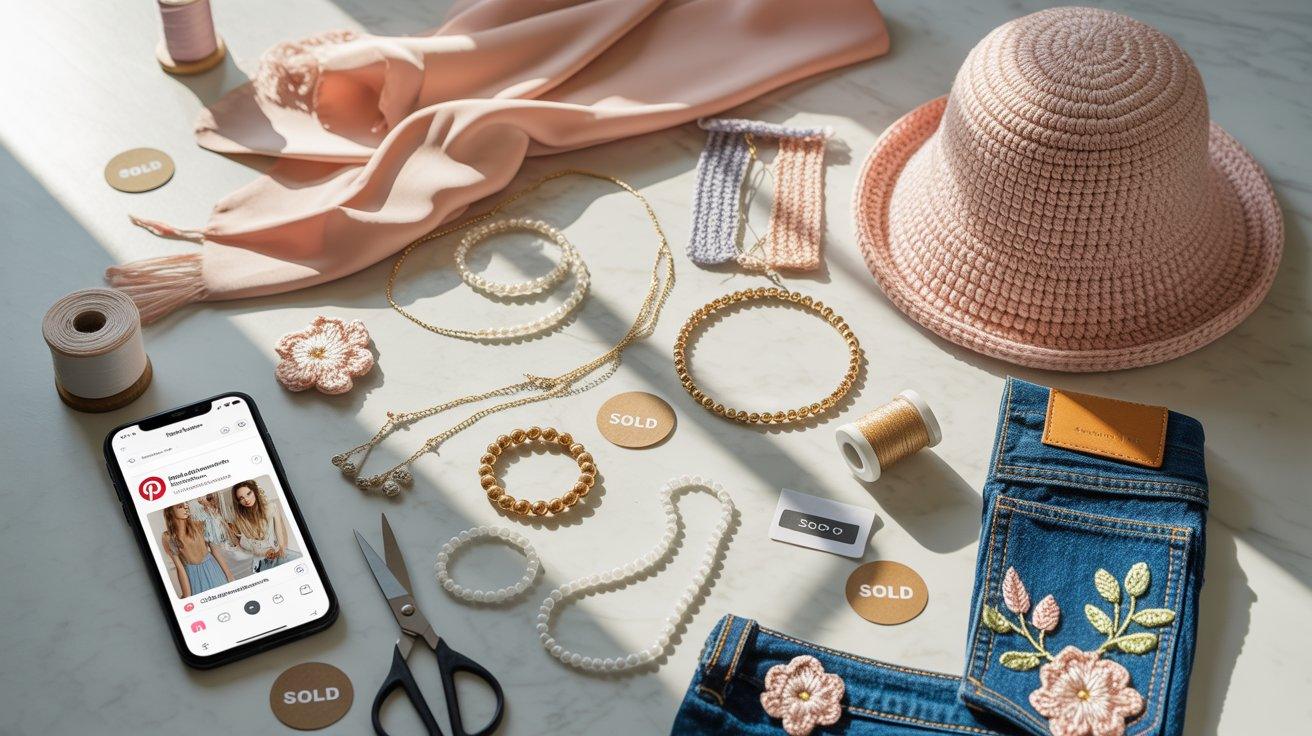
Over the past year, I’ve noticed something interesting on Pinterest. The crafts getting the most saves and shares are not just pretty they’re useful, sustainable, and wearable. People are moving toward eco friendly fashion craft projects that feel real. They want pieces made from recycled denim, natural fibers, hand stitching, and small-batch work.
I started paying attention to what was actually selling, not just what looked good online. Upcycled jeans turned into bags. Patchwork jackets. Handmade clay jewelry. Fabric baskets made from old clothes. These are things people can use every day, and that’s why they sell.
If you’re thinking about turning your skills into extra income, this list will help. These are fashion craft projects that are practical, possible to make at home, and aligned with what buyers are already searching for. No big factory tools. Just creativity, patience, and a clear idea of who you’re making for.
Below are 25 profitable fashion craft projects taking over Pinterest this year and why they work.
1. Upcycled Denim Tote Bags
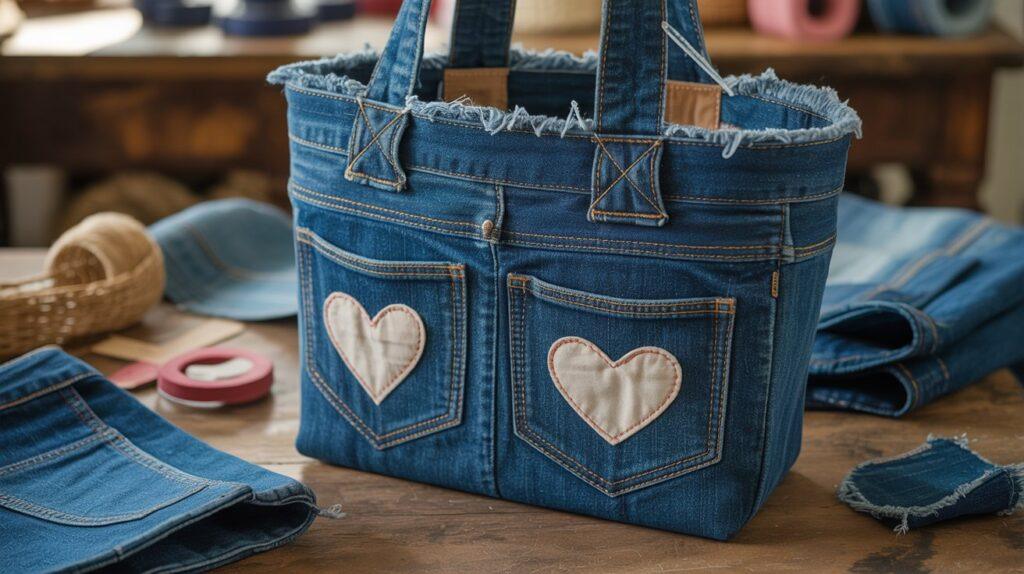
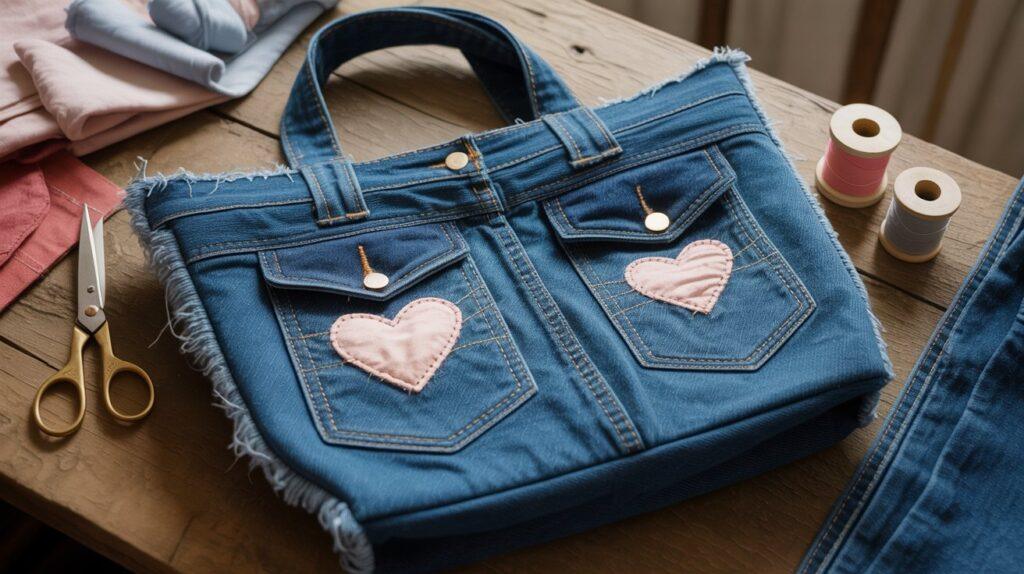
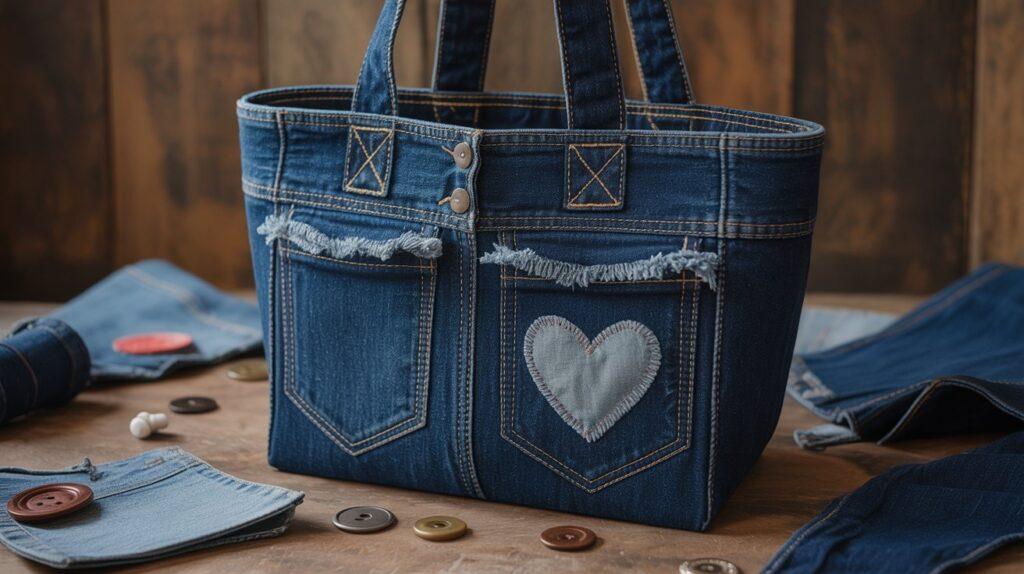
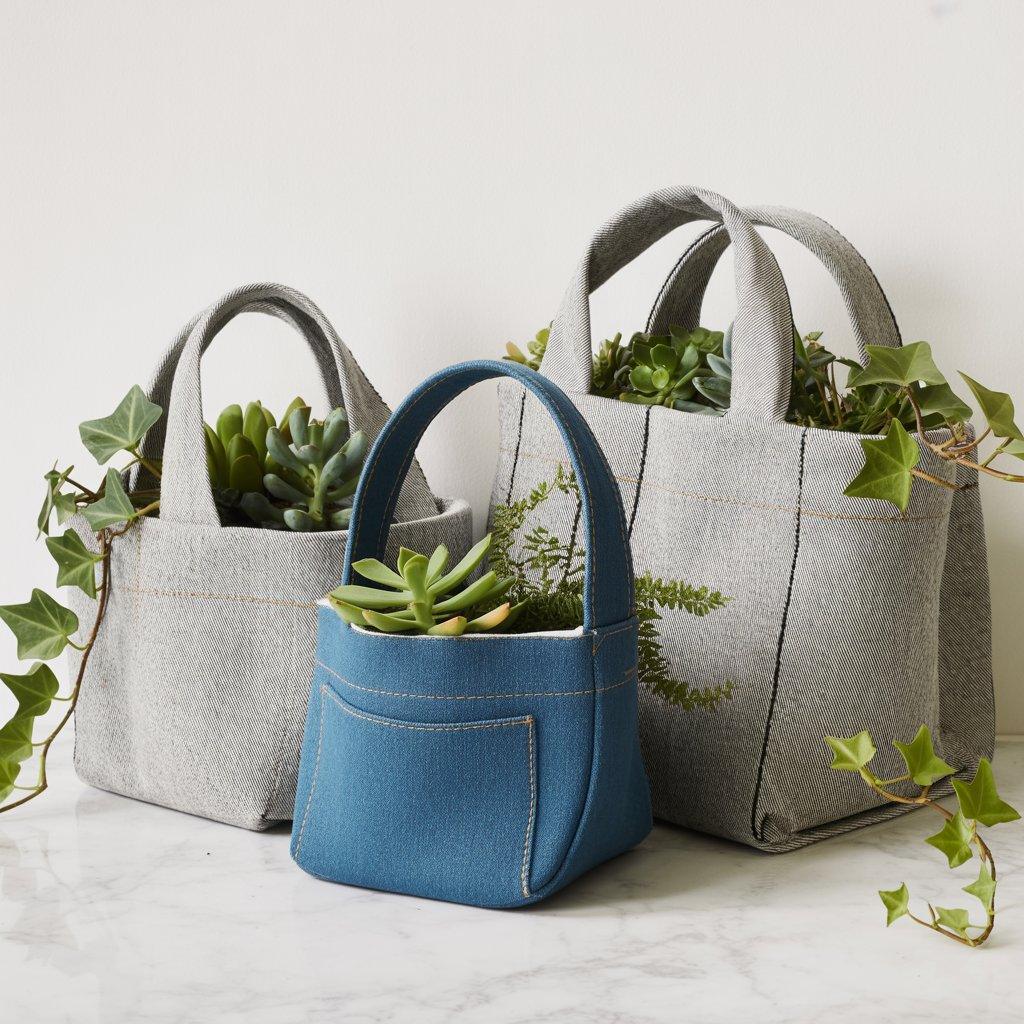
One of the strongest trends I’ve seen is turning old jeans into structured tote bags. I’ve done this myself using thick denim from worn-out blue jeans. The fabric is durable, and people love knowing the bag used to be something else. Adding reverse appliqué hearts, double pockets, or visible stitching makes it stand out.
These bags sell because they are practical. People use them for groceries, books, or daily errands. The raw denim edges and patchwork look are popular right now. I also noticed that leaving original jean details like belt loops or back pockets adds character.
What makes this profitable is cost. Old jeans are easy to source, sometimes even free. You’re transforming waste into something functional. That message matters to buyers who care about sustainable fashion.
2. Patchwork Sashiko-Inspired Jackets
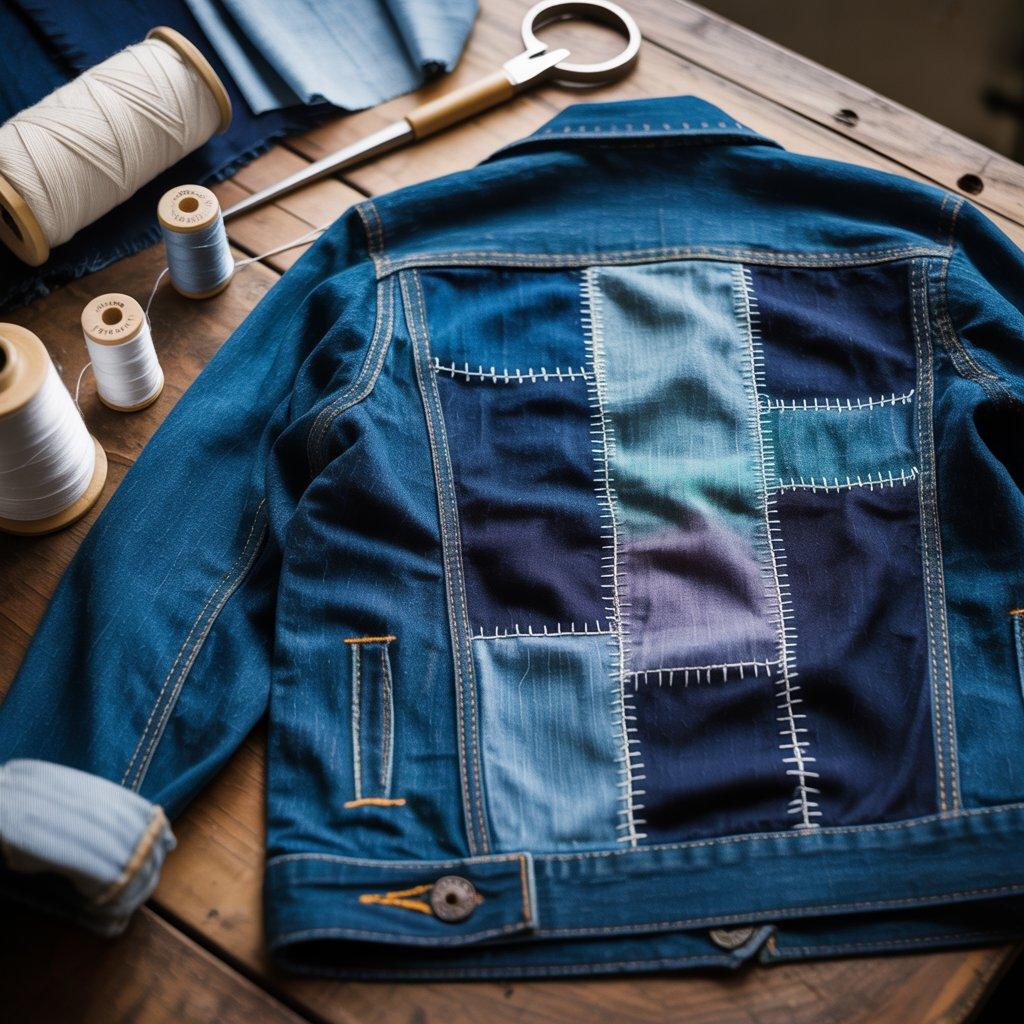
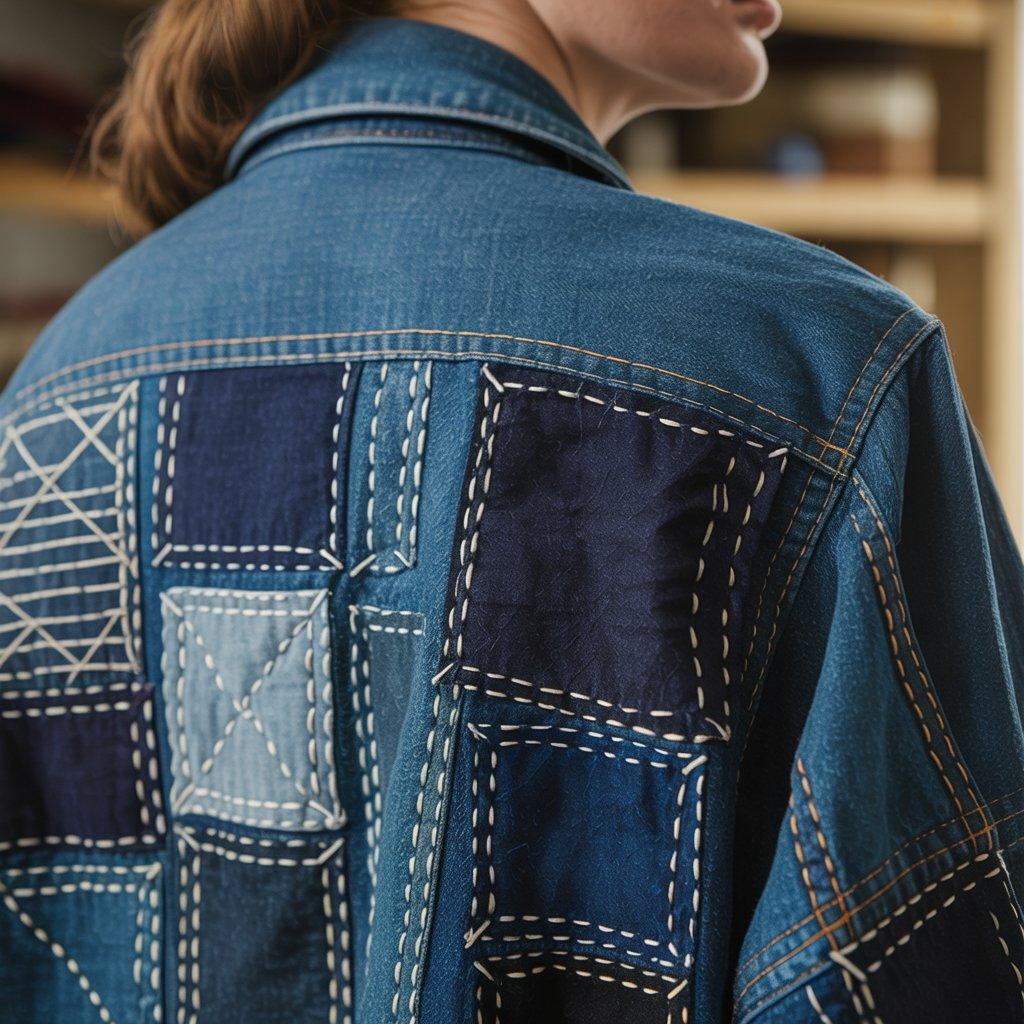
Sashiko-style stitching is trending again, especially in eco friendly fashion. I started experimenting with visible white thread stitching on navy and indigo fabric scraps. The beauty of this project is that it celebrates repair instead of hiding it.
People appreciate clothing that tells a story. A simple linen tunic or denim jacket can be transformed with patchwork and hand stitching. Each piece becomes one-of-a-kind. That uniqueness allows you to price it higher than mass-produced clothing.
This works well because Pinterest users save slow fashion ideas. They’re looking for craftsmanship and detail. You don’t need industrial equipment. Basic sewing skills and patience are enough. The visible stitching becomes the design itself.
3. Handmade Clay Statement Earrings
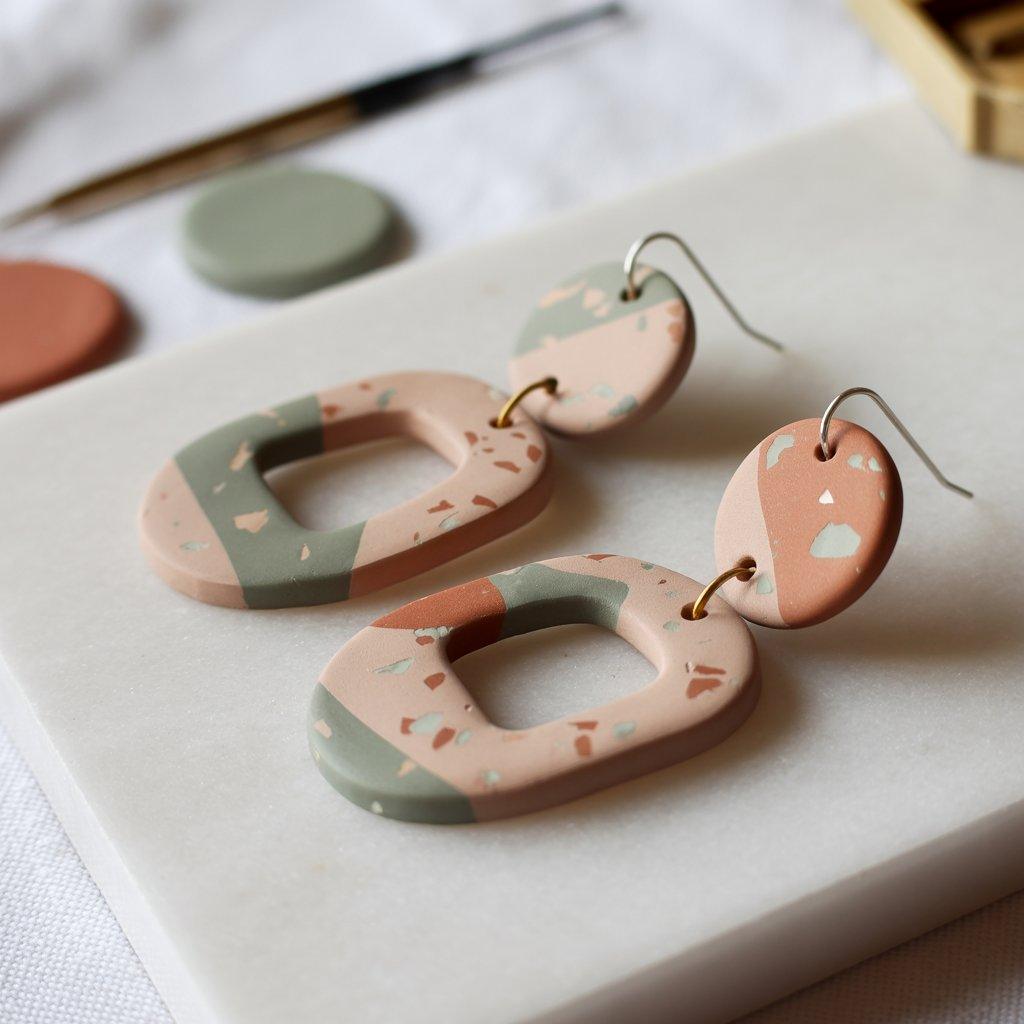
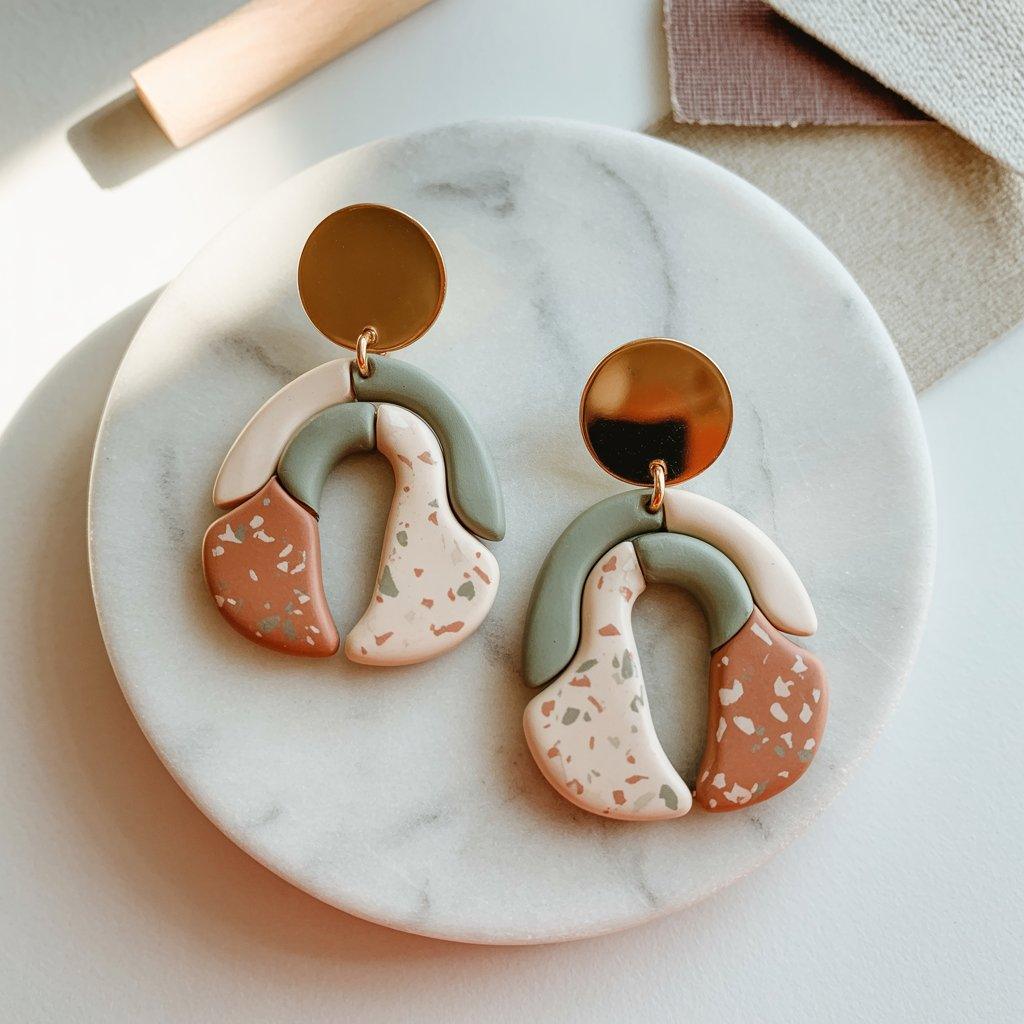
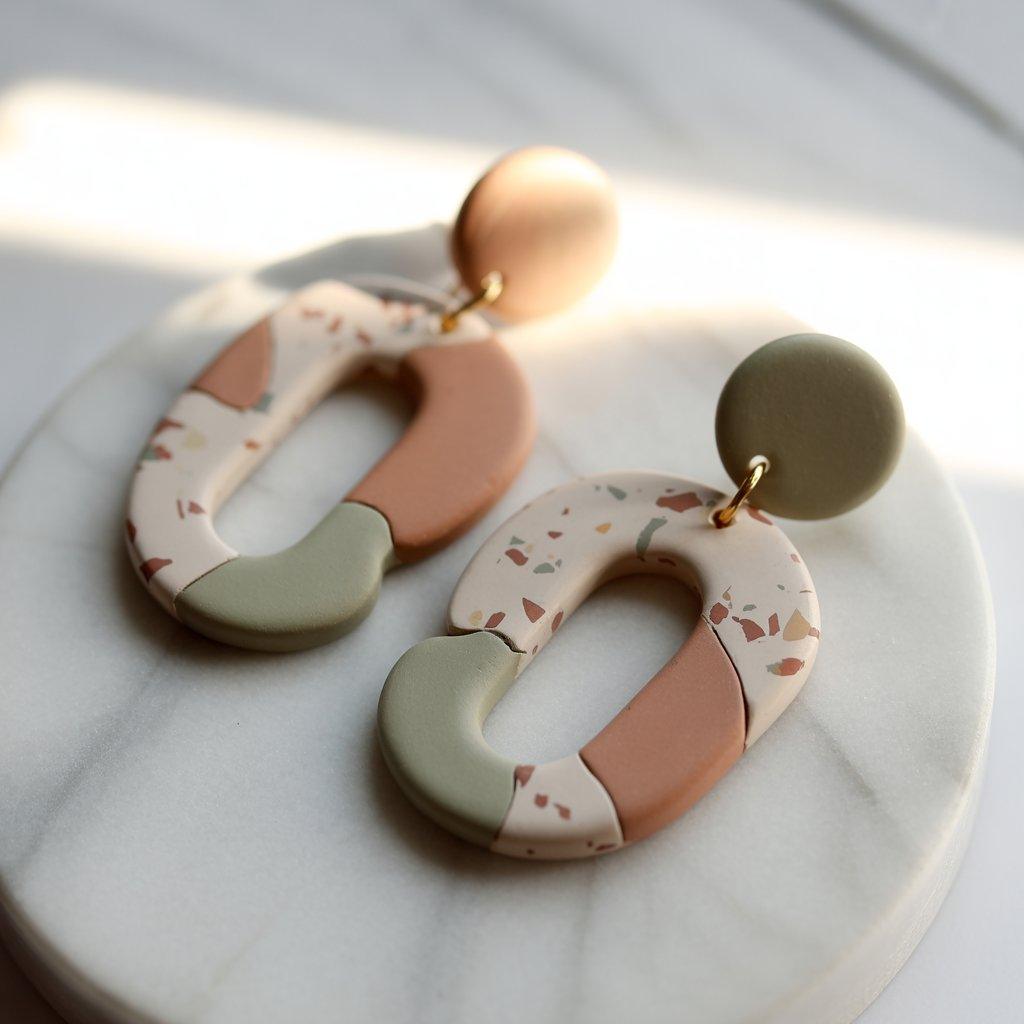
Clay jewelry has grown fast this year. I began with air-dry clay before moving to polymer clay. Neutral colors, terrazzo patterns, and organic shapes are what people are pinning the most.
These earrings are lightweight and affordable to produce. With simple cutters and hand-shaping, you can create modern designs that look boutique-made. Adding subtle texture or matte finishes gives them a high-quality feel.
Jewelry is profitable because materials are low-cost, and shipping is simple. Buyers love handmade pieces that feel artistic but wearable. The key is clean finishing and secure hardware. Good craftsmanship builds repeat customers.
4. Fabric Storage Baskets from Old Jeans
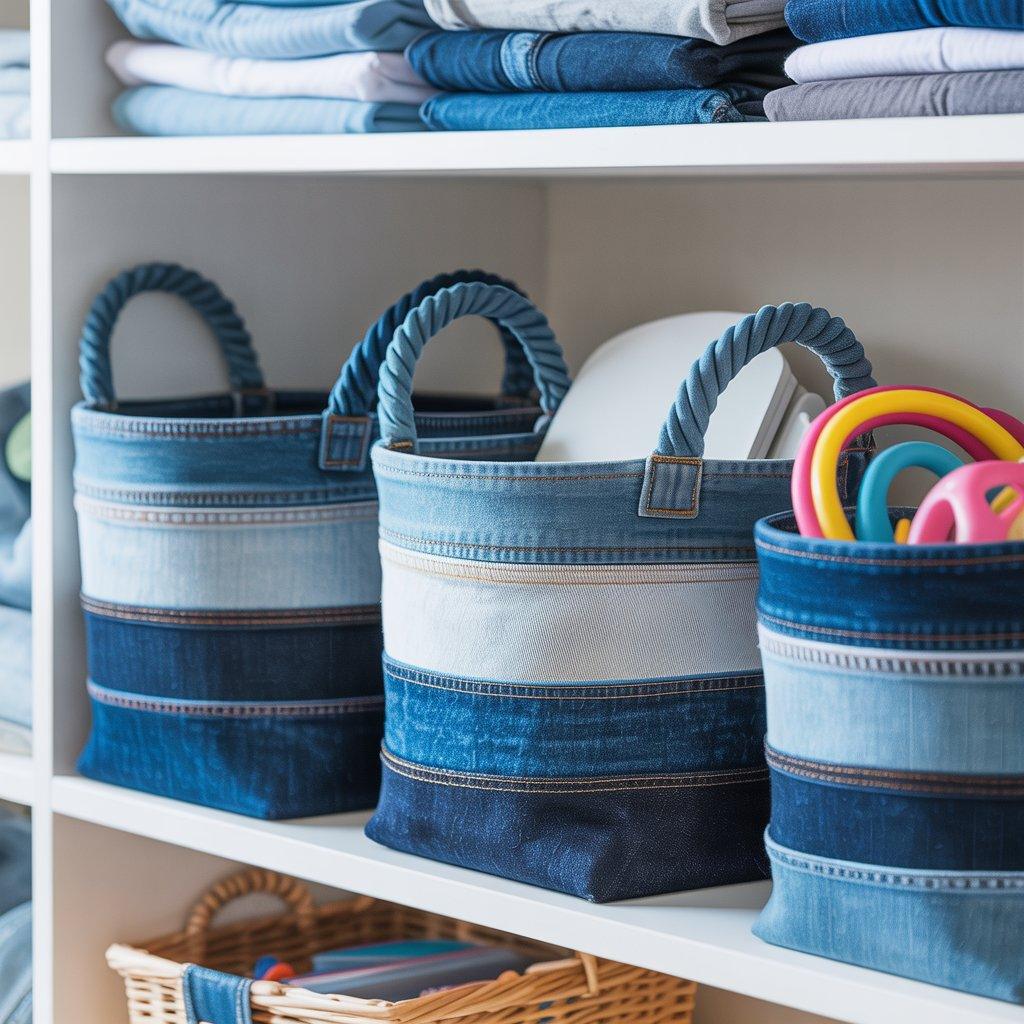
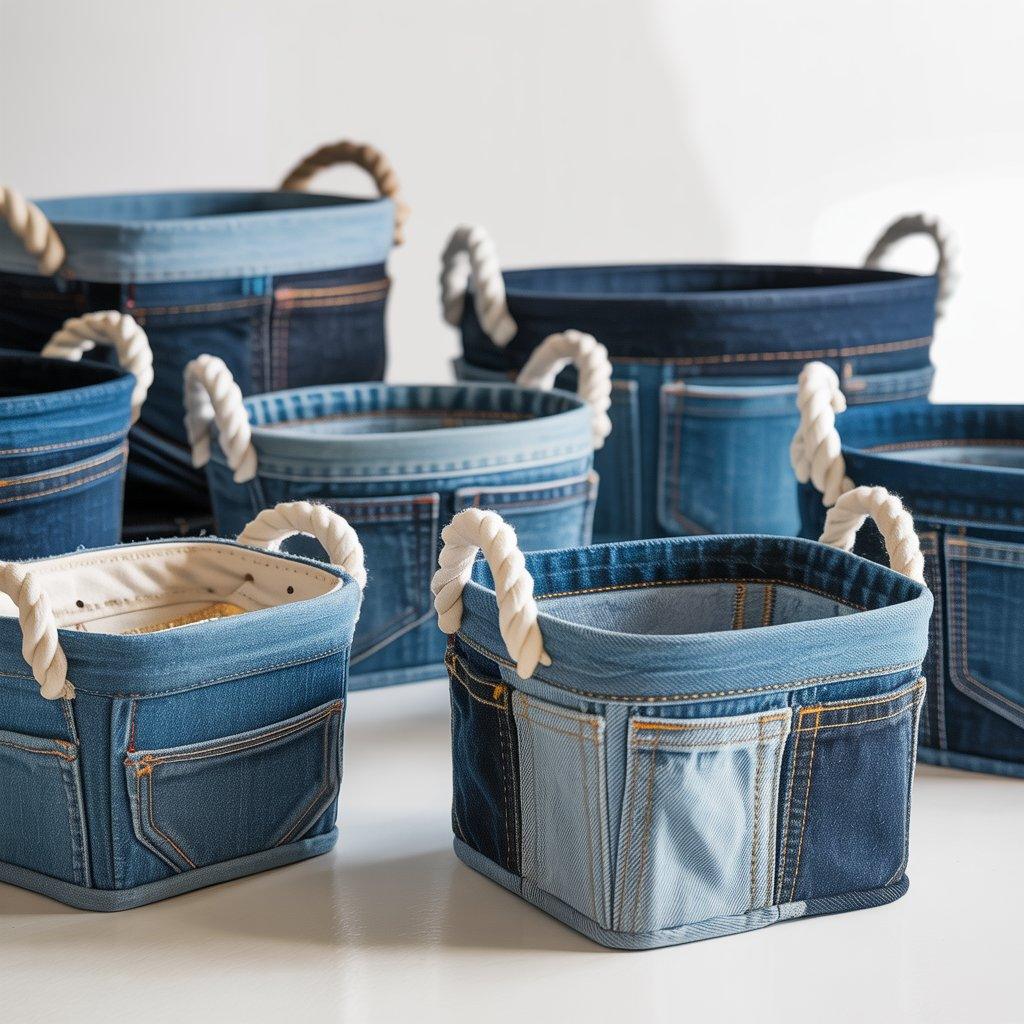
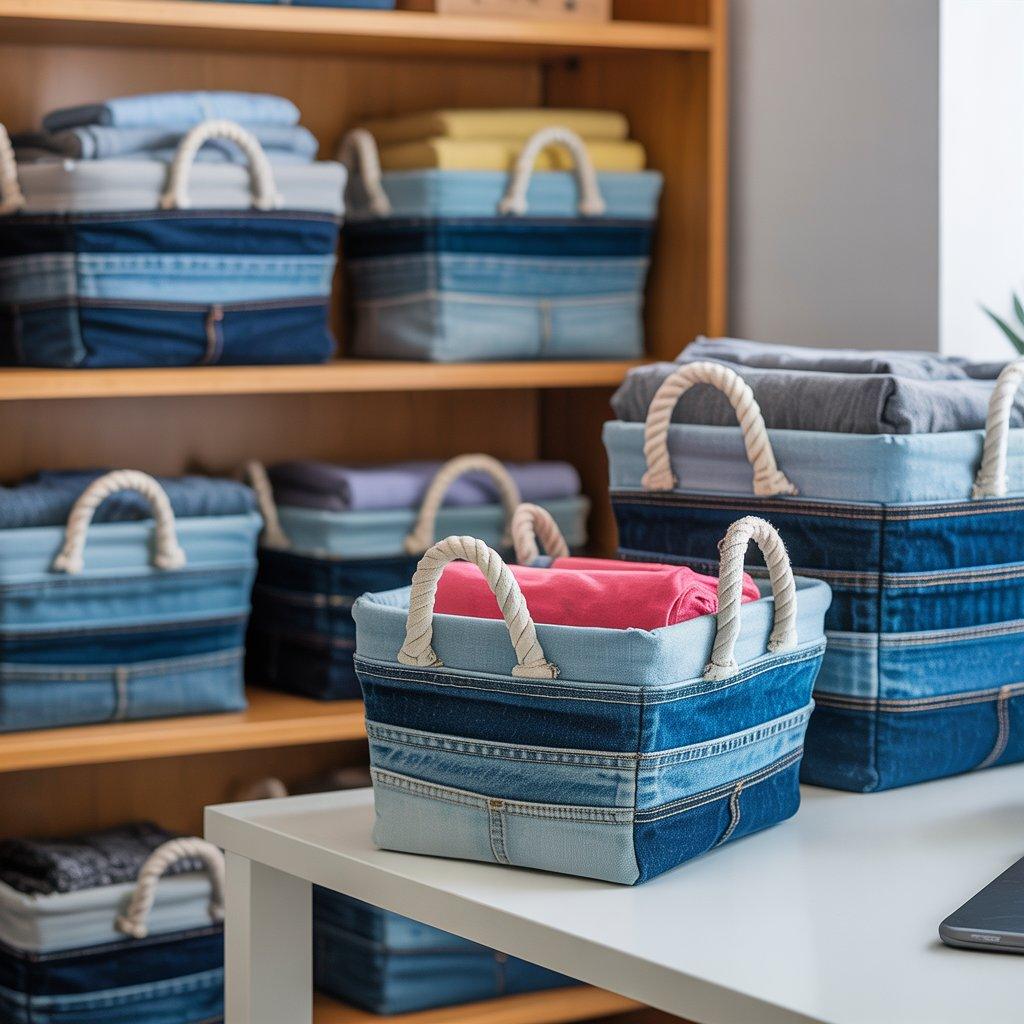
Turning old jeans into fabric baskets surprised me with how well it sold. Structured baskets made from layered denim hold their shape and work for storage. People use them in closets, kids’ rooms, or offices.
I’ve made versions with visible seams and soft handles. They feel sturdy and practical. What makes them appealing is that they solve a problem clutter while staying sustainable.
Pinterest users search for “upcycled storage” often. When you combine organization with eco friendly fashion craft projects, it becomes more than decor. It becomes functional design. That’s what makes it sell.
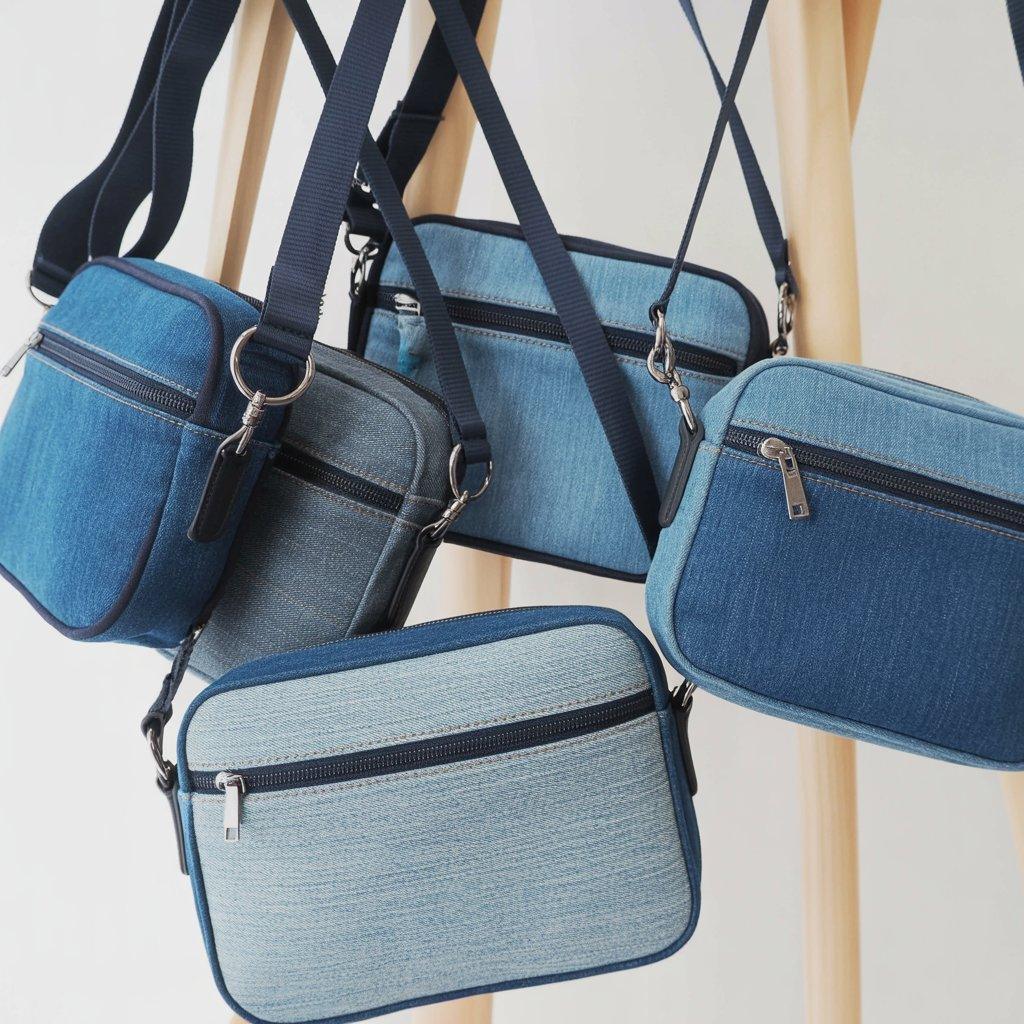
5. Crossbody Bags with Denim Prints
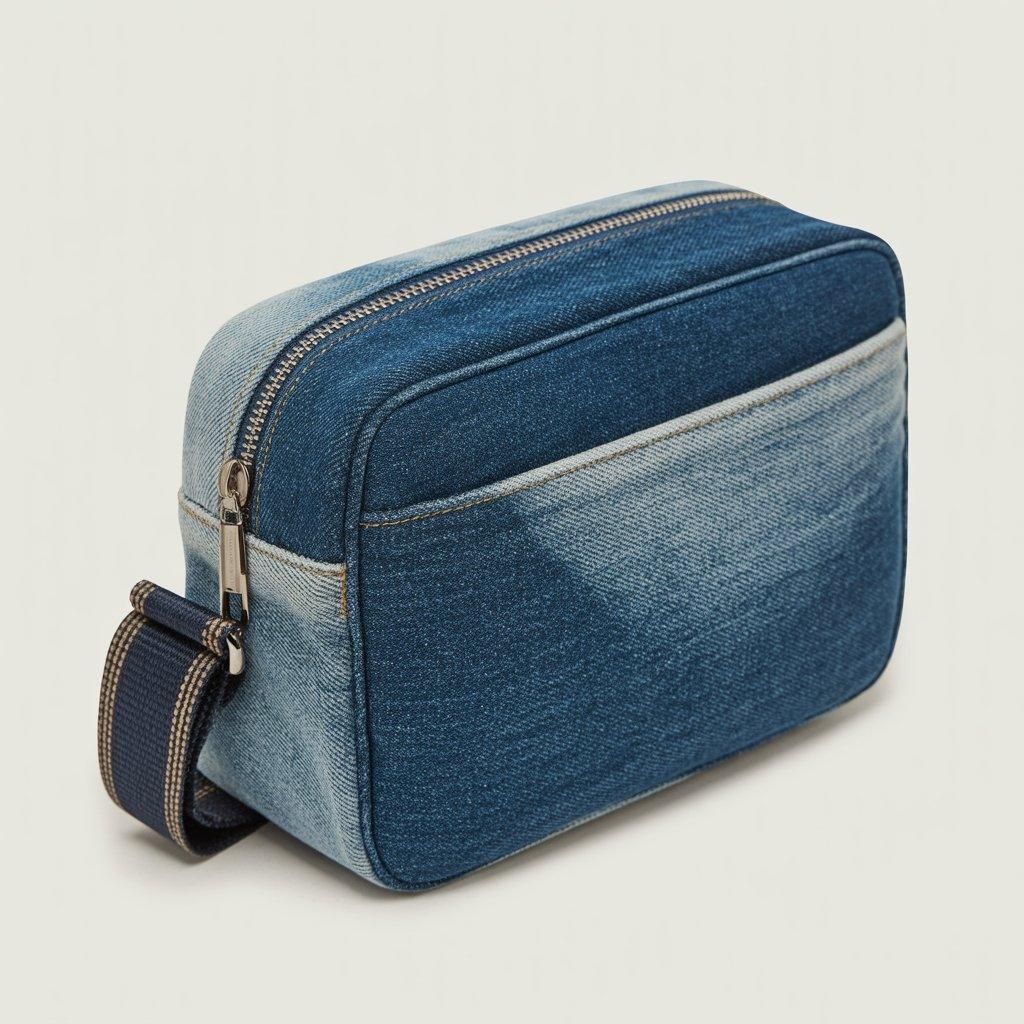
Crossbody bags are always in demand. I experimented with denim-print fabric and adjustable straps. Simple shapes work best clean lines, zipper closure, and lightweight feel.
These bags appeal to women who want casual, everyday pieces. Adding small details like interior pockets increases value. Because they’re compact, they’re easy to ship and photograph well.
Fashion crafts that balance style and function tend to move quickly online. A practical bag always has a market.
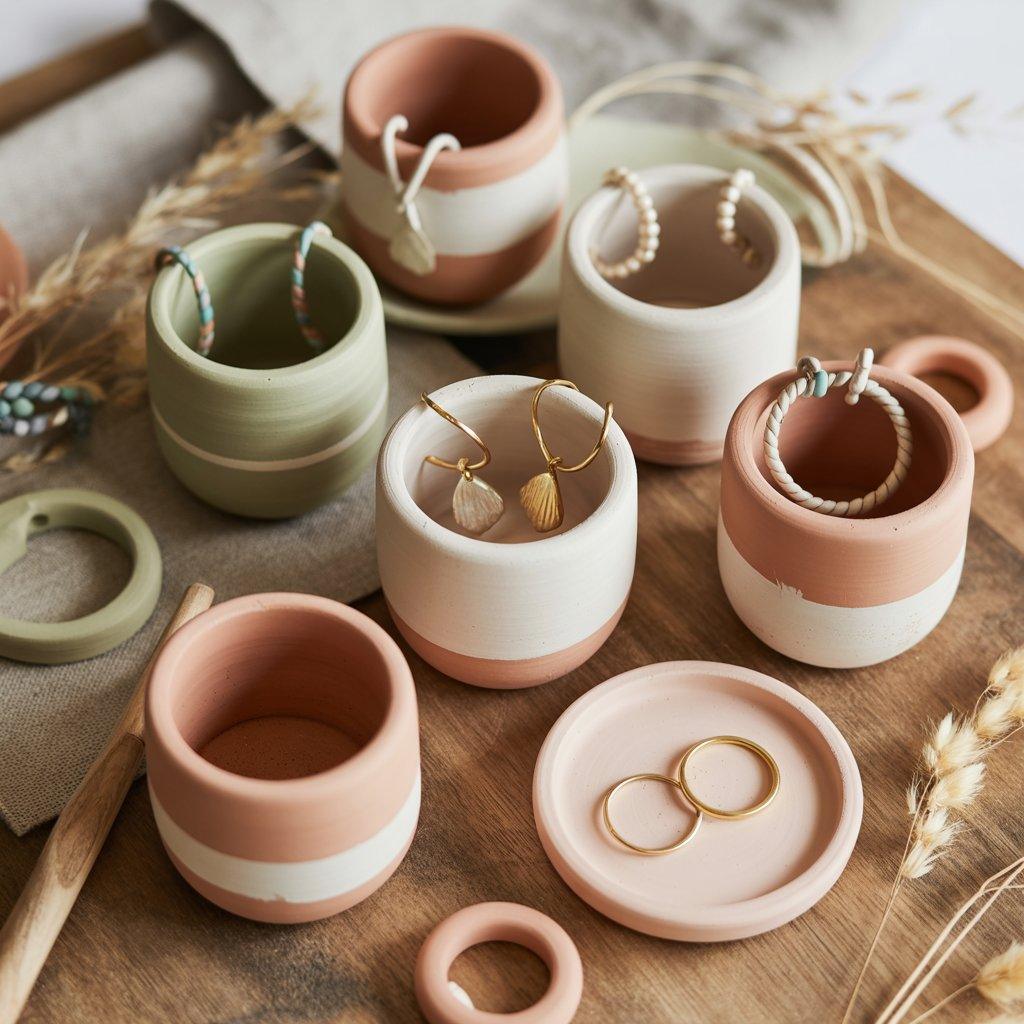
6. Terracotta Jewelry and Accessories Holders
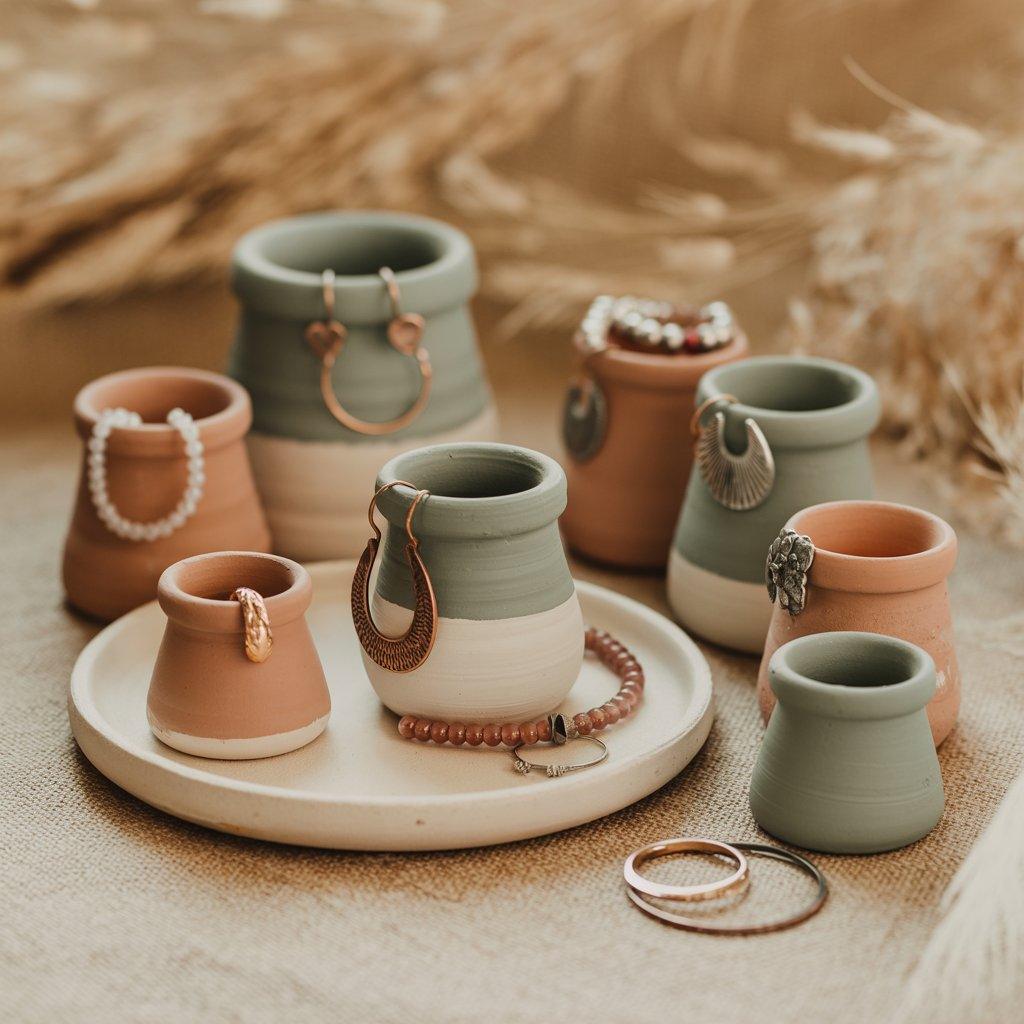
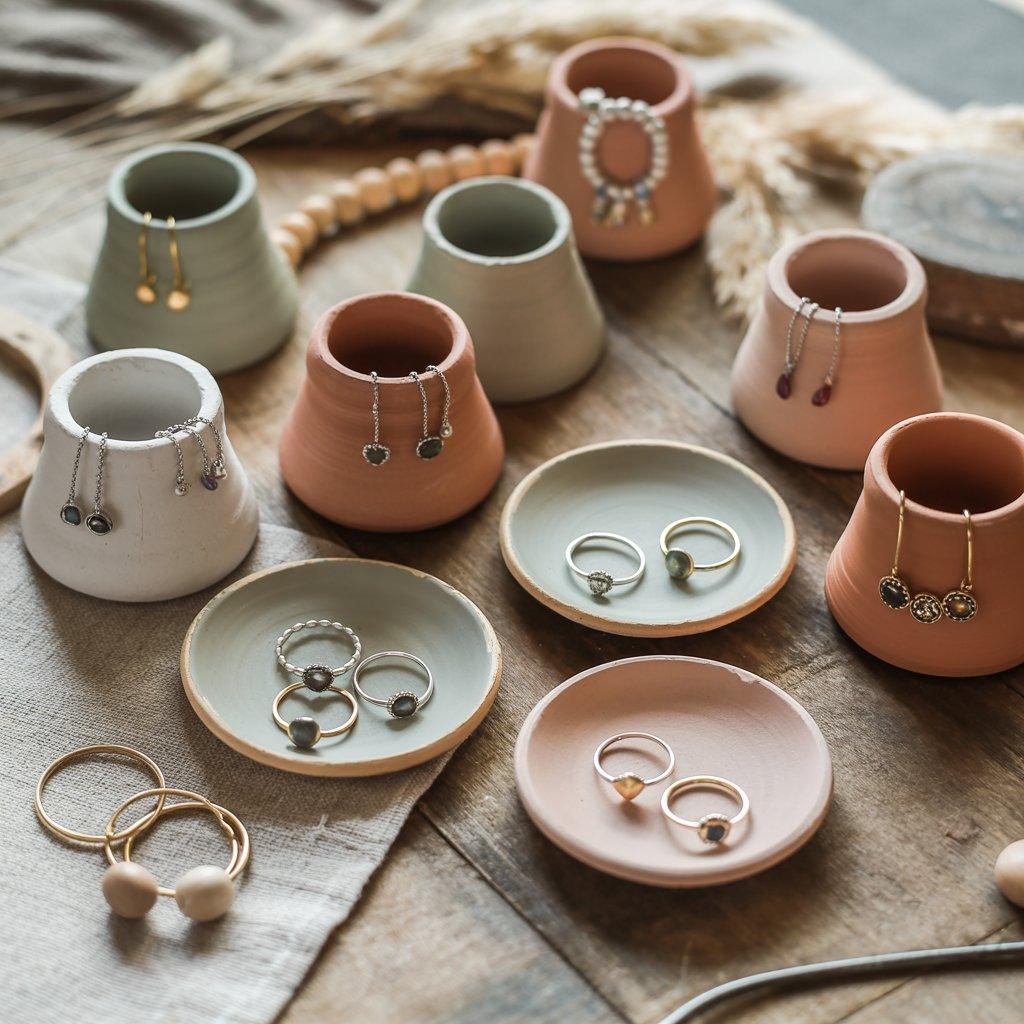
Small terracotta pots are not just for plants anymore. I started painting mini clay pots with chalk-style finishes and turning them into jewelry holders. Some I inverted and glued to small plates to create ring stands.
Earthy textures are trending. Natural clay fits perfectly into eco conscious fashion spaces. These small pieces pair well with handmade jewelry when sold as gift sets.
They’re simple to make and affordable to source. Buyers love handmade pieces that feel organic and raw.
7. Reworked Denim Aprons
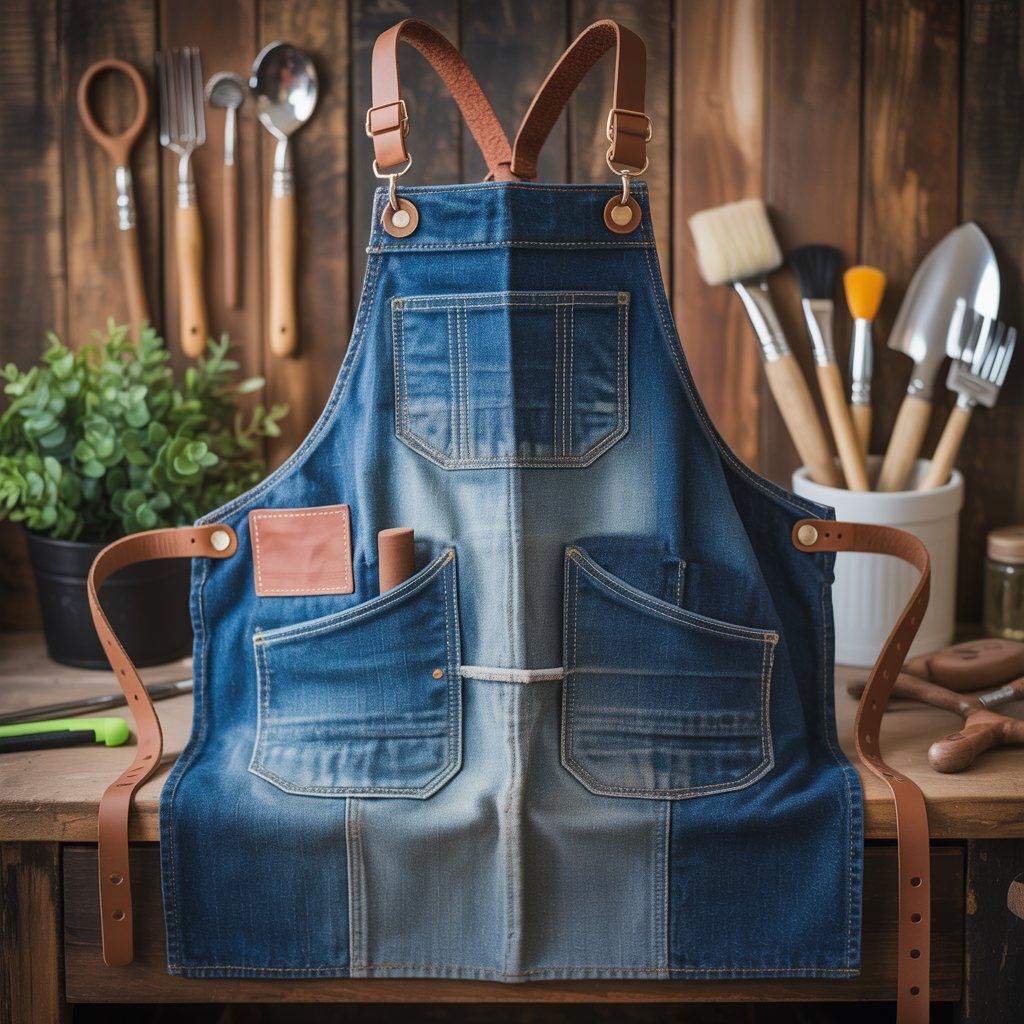
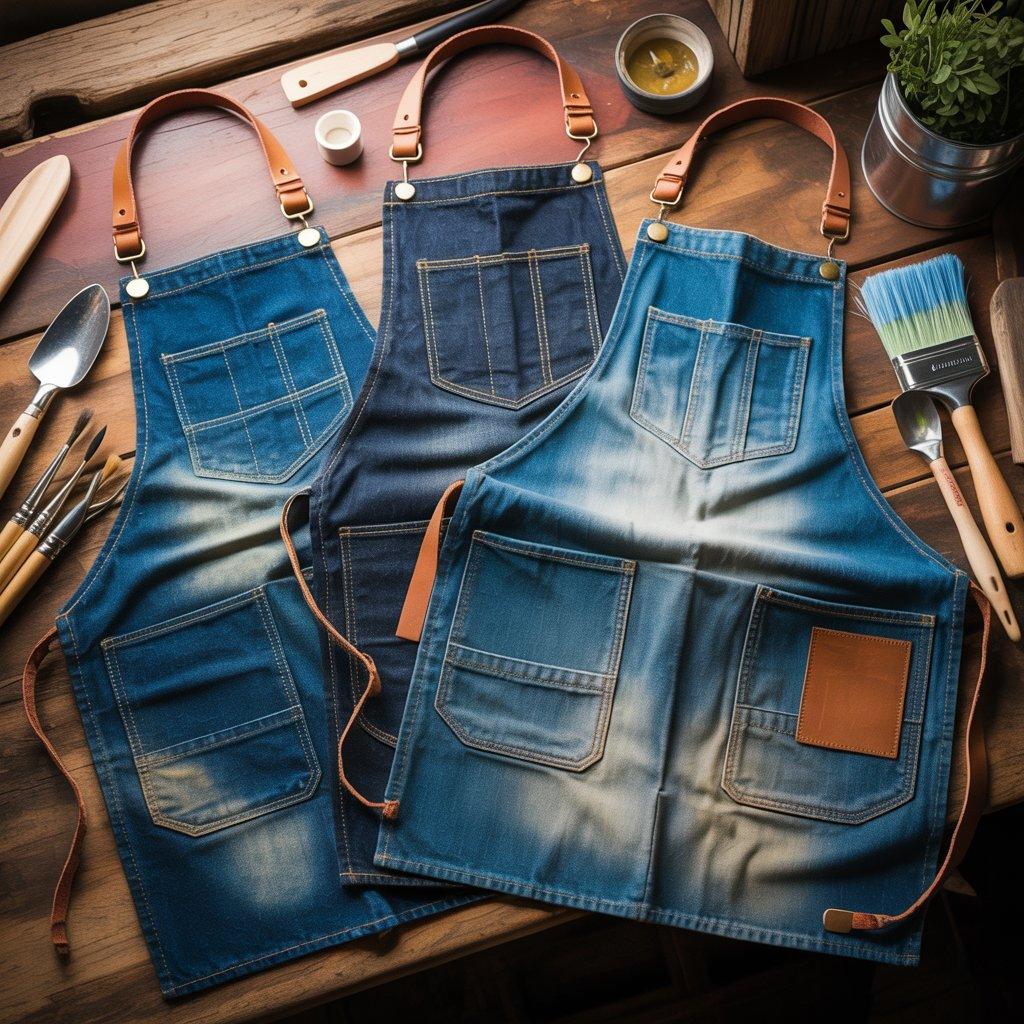
Denim aprons made from old jeans are practical and strong. I’ve made versions with front pockets and adjustable straps. They’re popular with gardeners, artists, and home cooks.
What works here is durability. Recycled denim is tough and built to last. The worn texture adds character.
Fashion craft projects that serve a purpose tend to earn steady sales, especially when marketed toward hobby communities.
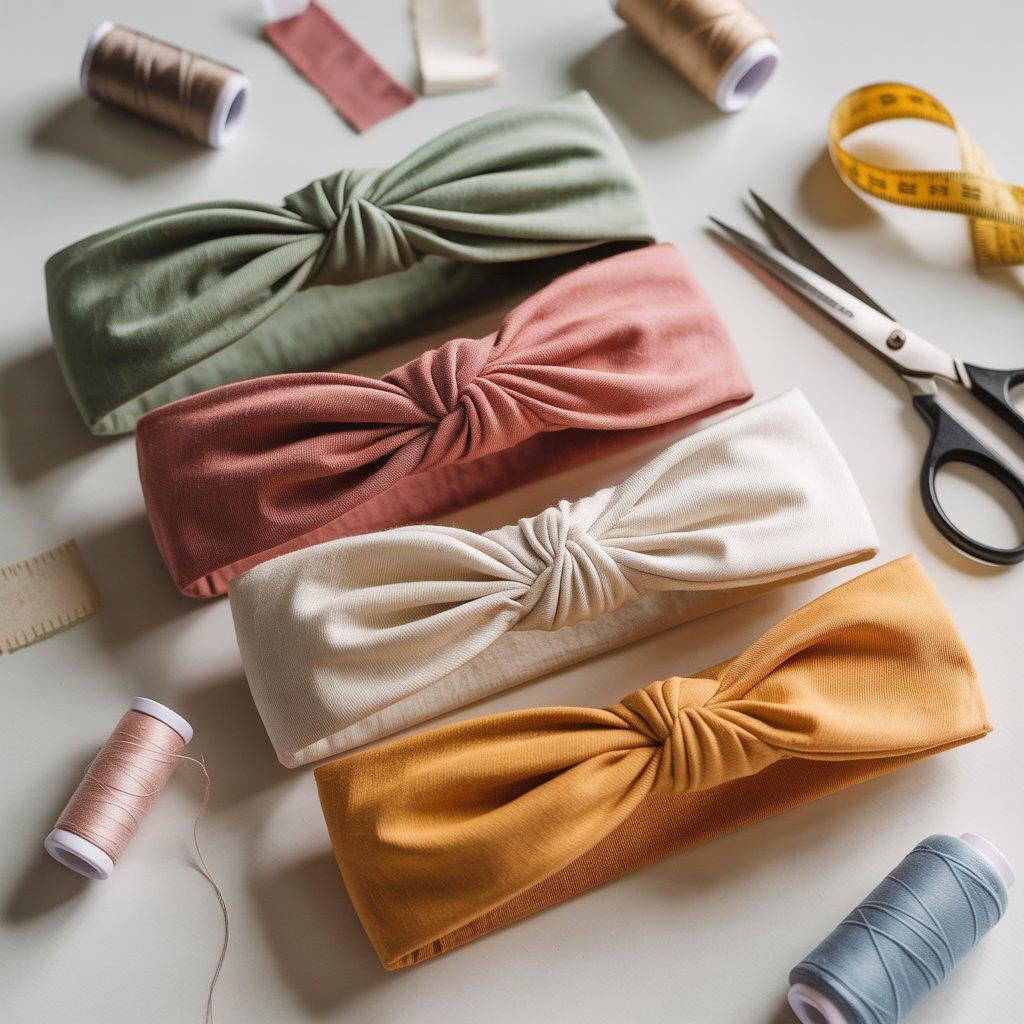
8. Fabric Scrap Headbands
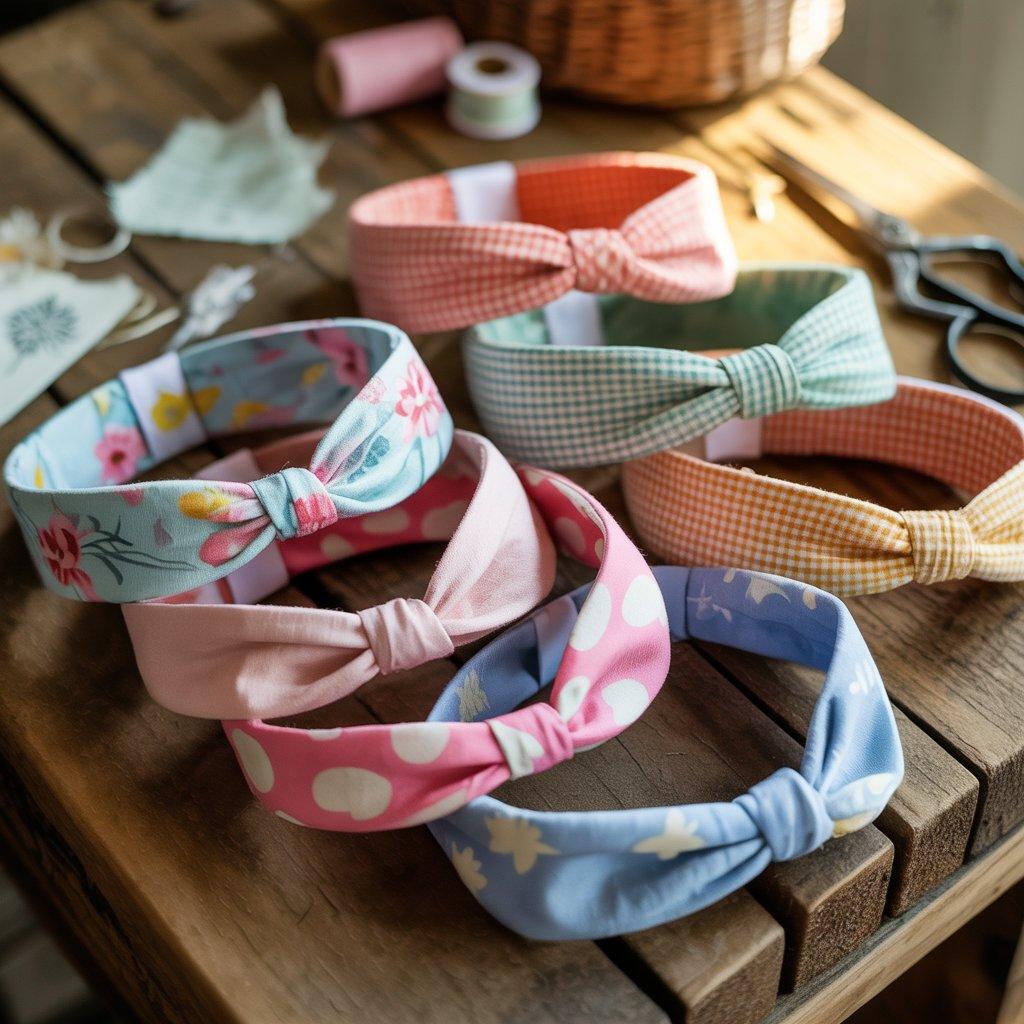
Instead of throwing away fabric scraps, I began turning them into twisted headbands. Soft cotton and linen work best. They’re quick to sew and sell well in sets.
Hair accessories are trending again, especially handmade ones. They’re affordable for buyers and easy to produce in batches.
This is a great entry-level eco friendly fashion craft project. Low waste and low cost.
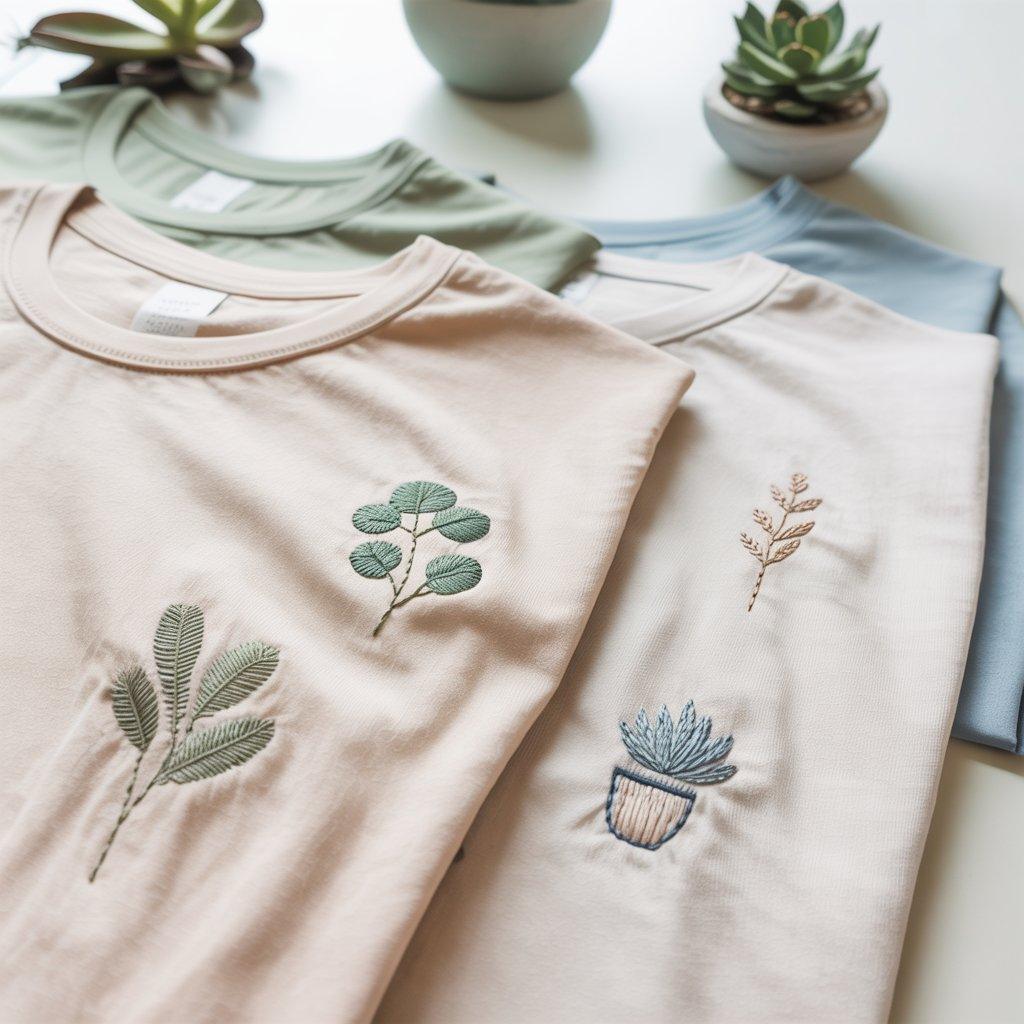
9. Plant-Inspired Embroidered T-Shirts
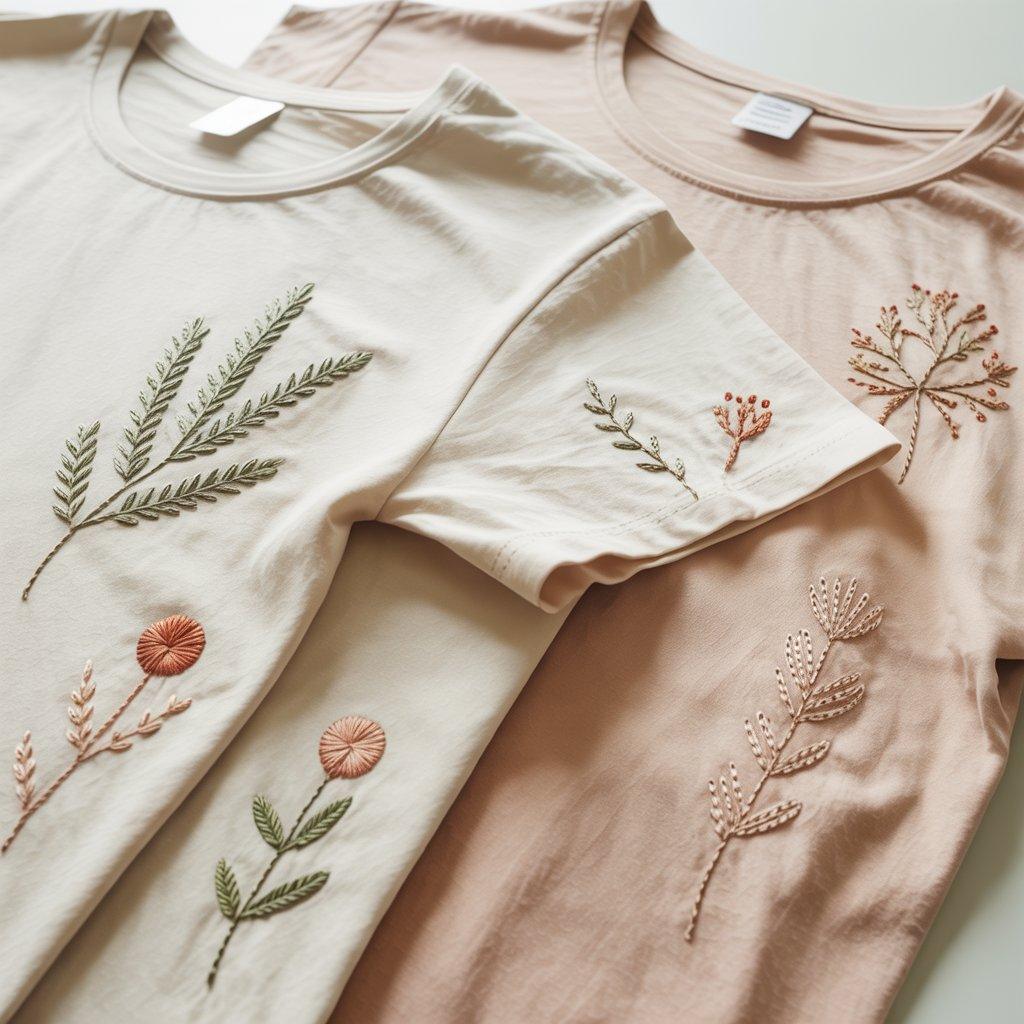
Minimal embroidery designs small leaves, succulents, or simple floral lines are doing well. I tested this on plain organic cotton shirts.
People like subtle designs they can wear daily. The handmade embroidery adds value without overwhelming the piece.
This project works because it blends fashion and nature in a simple way.
10. Cement Flower Pot Bags
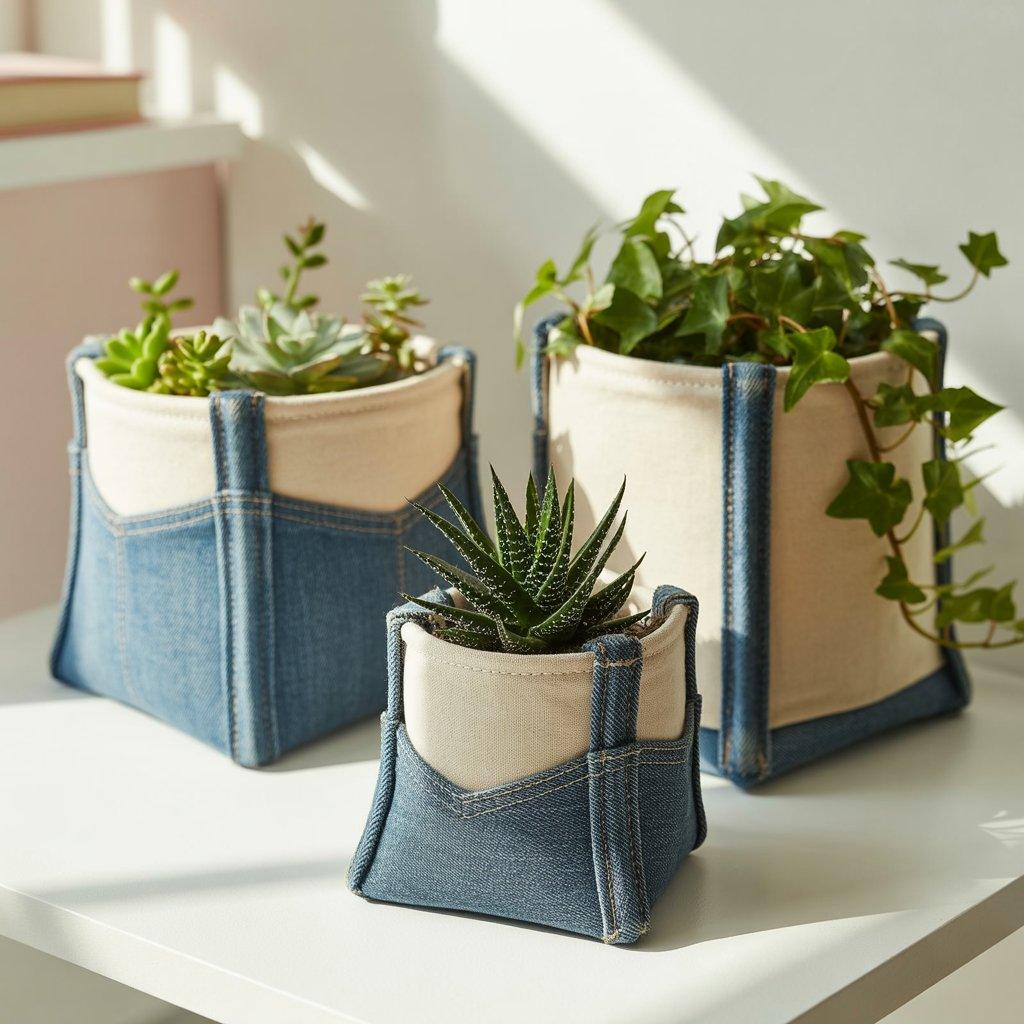
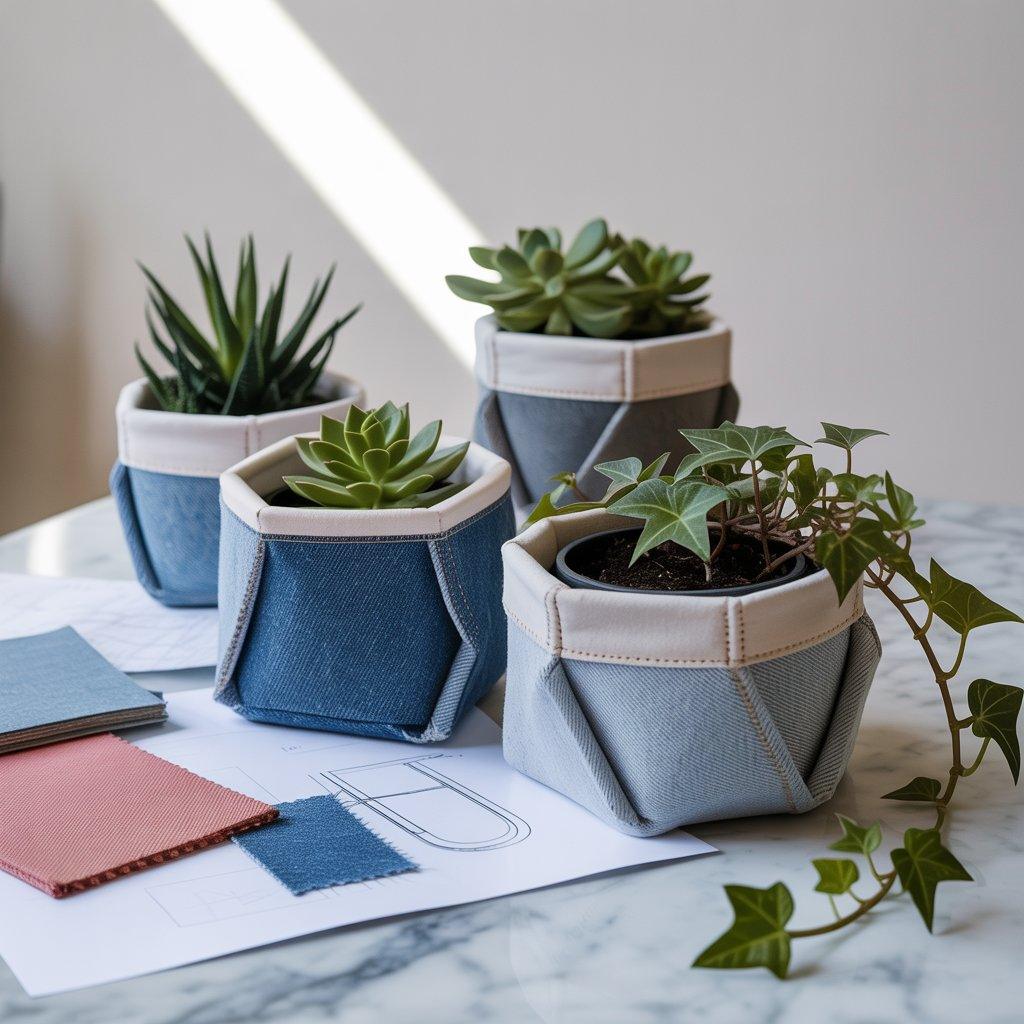
Inspired by denim cement planters, I tried mixing fashion with home style by creating structured fabric planters with reinforced lining.
They hold small plants and double as decorative pieces. The contrast of soft fabric and structured shape attracts Pinterest users.
When fashion meets home decor, it opens a wider customer base.
11. Patchwork Denim Skirts from Old Jeans
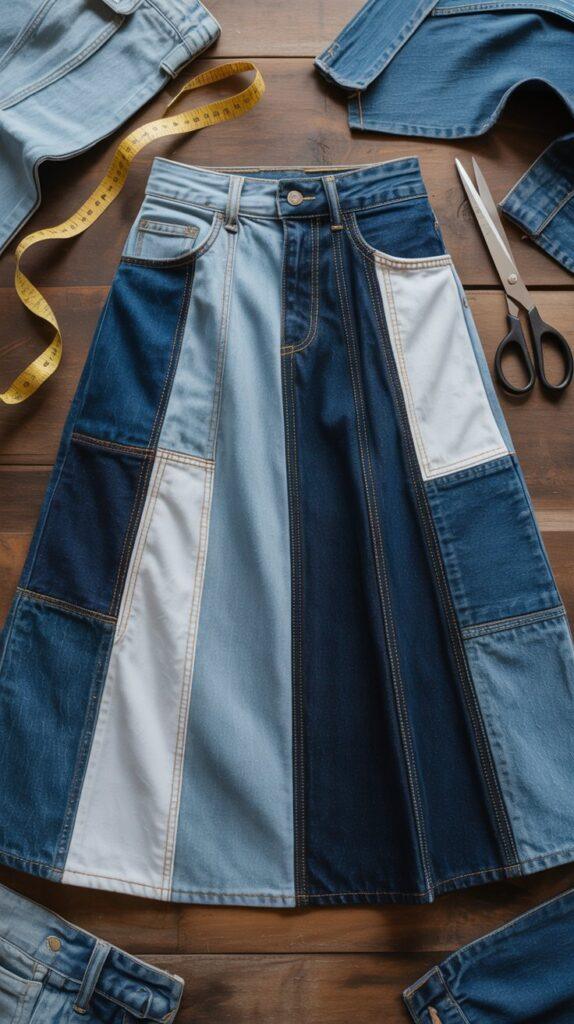
This is one of those projects that looks complicated but really isn’t once you break it down. I started by cutting panels from different pairs of old jeans and stitching them together into a simple A-line shape. Mixing light wash and dark wash denim gives it character. I keep the original seams visible because that’s part of the charm.
What makes patchwork skirts profitable is that no two are ever the same. Buyers on Pinterest love one-of-a-kind fashion pieces. I’ve found that midi length sells best because it’s easy to style. Pair it with a plain top and it becomes the statement piece.
The cost is low if you source thrifted jeans. The value comes from your time and design. Sustainable fashion buyers appreciate that you’re giving denim a second life instead of sending it to landfill.
12. Reworked Oversized Denim Jackets
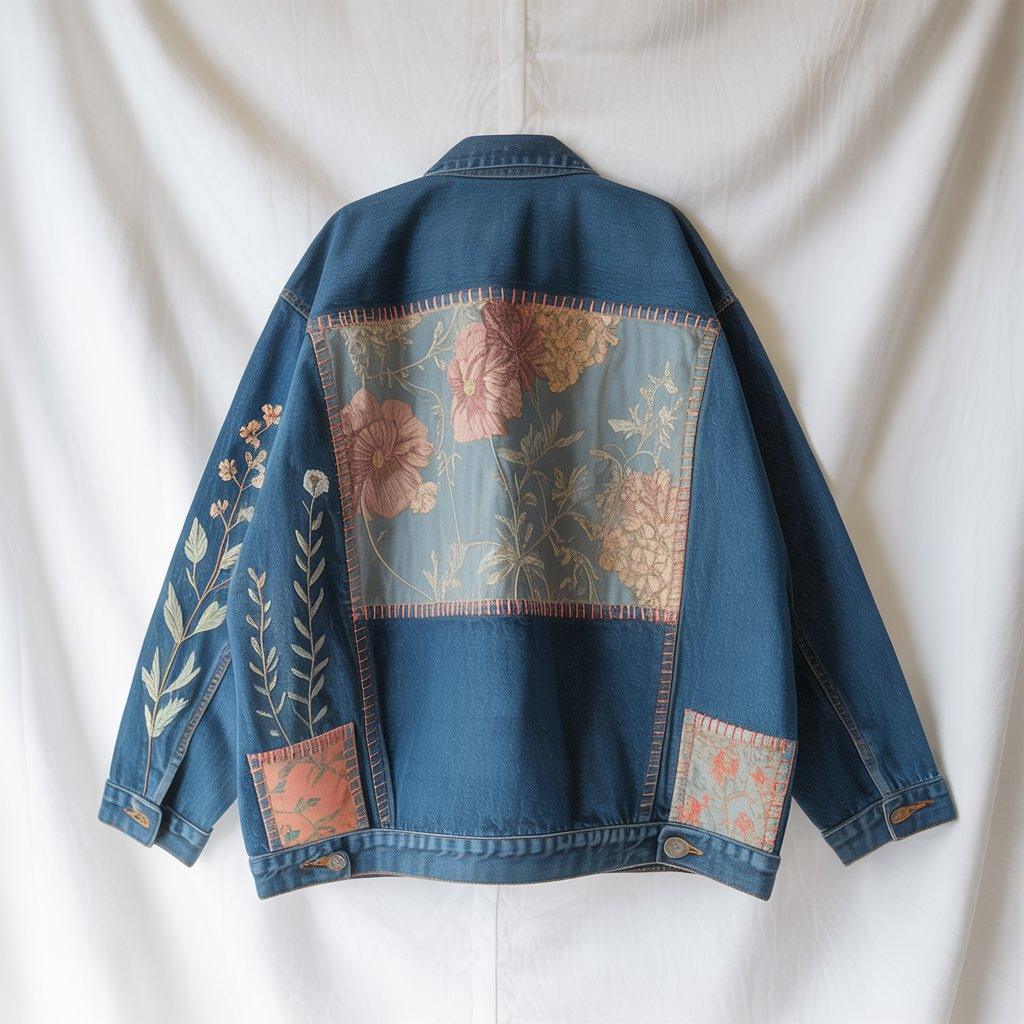
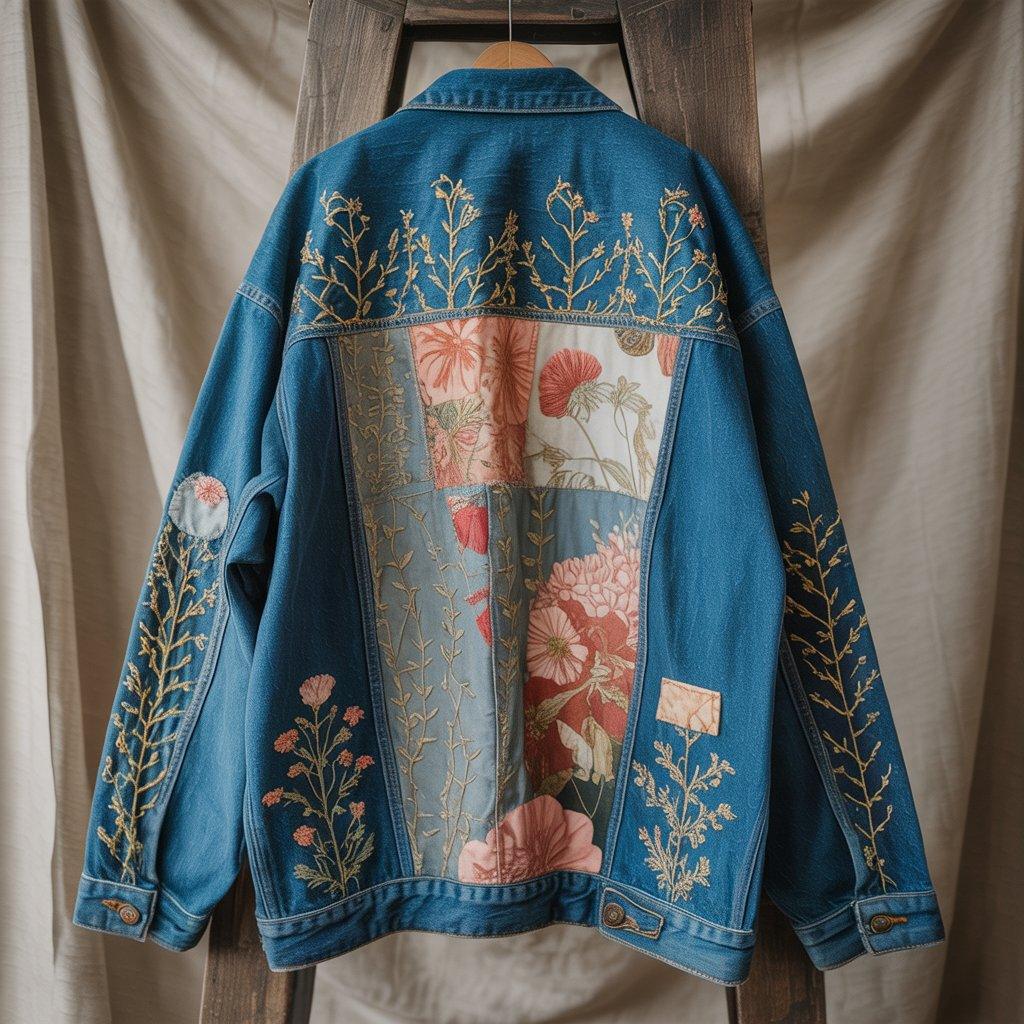
Oversized denim jackets are everywhere right now, but plain ones don’t stand out. I began adding fabric panels, visible mending, and hand embroidery to thrifted jackets. Even something as simple as a large patchwork panel across the back can turn a basic jacket into something special.
What I’ve learned is that people are willing to invest in outerwear if it feels unique. Pinterest trends show bold backs stitched quotes, botanical embroidery, or patchwork squares. I keep the design balanced so it still feels wearable.
This project takes more time, but the selling price is higher. It’s slow fashion, not fast fashion. When you photograph it well and show the details up close, it attracts buyers who want statement pieces made responsibly.
13. Handmade Fabric Belts from Scrap Materials
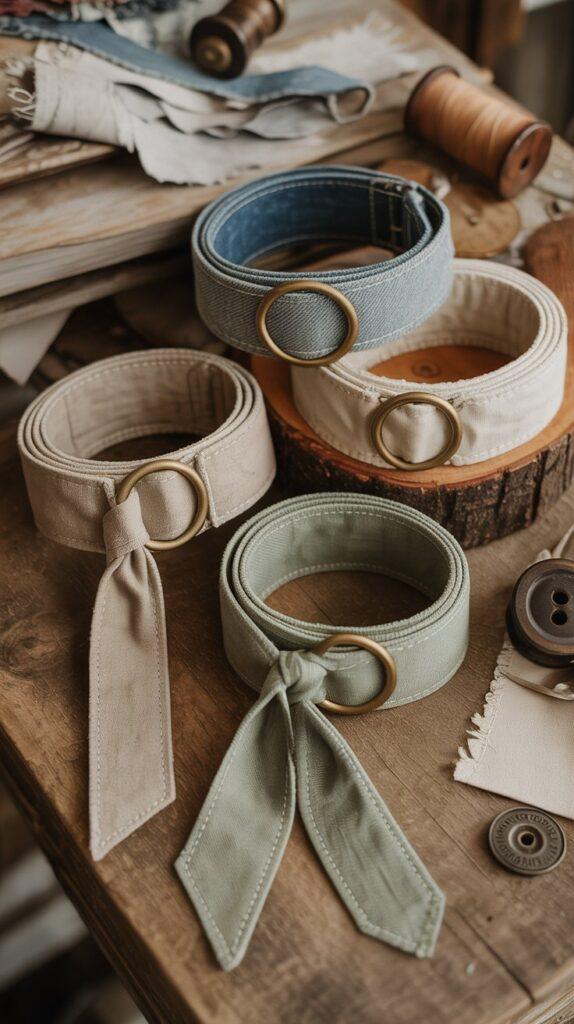
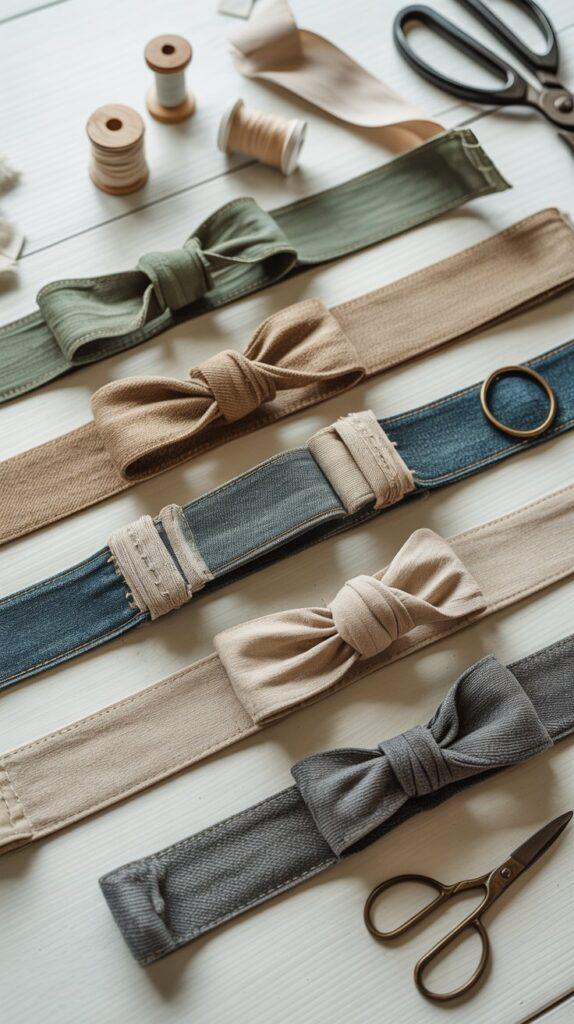
I didn’t expect fabric belts to sell, but they did. I started using leftover canvas, denim strips, and sturdy cotton to create wrap belts and tie belts. Some I added simple D-rings, others I left as soft wrap styles.
They’re practical because they adjust to different sizes. That makes them easy to sell online without worrying too much about measurements. Pinterest users are pairing fabric belts with dresses and oversized shirts, especially in neutral tones.
This is a low-waste project. You can use scraps that are too small for larger pieces. When you position it as an eco friendly fashion craft project made from reclaimed fabric, it connects with people who care about
reducing waste.
14. Quilted Laptop Sleeves from Recycled Fabric
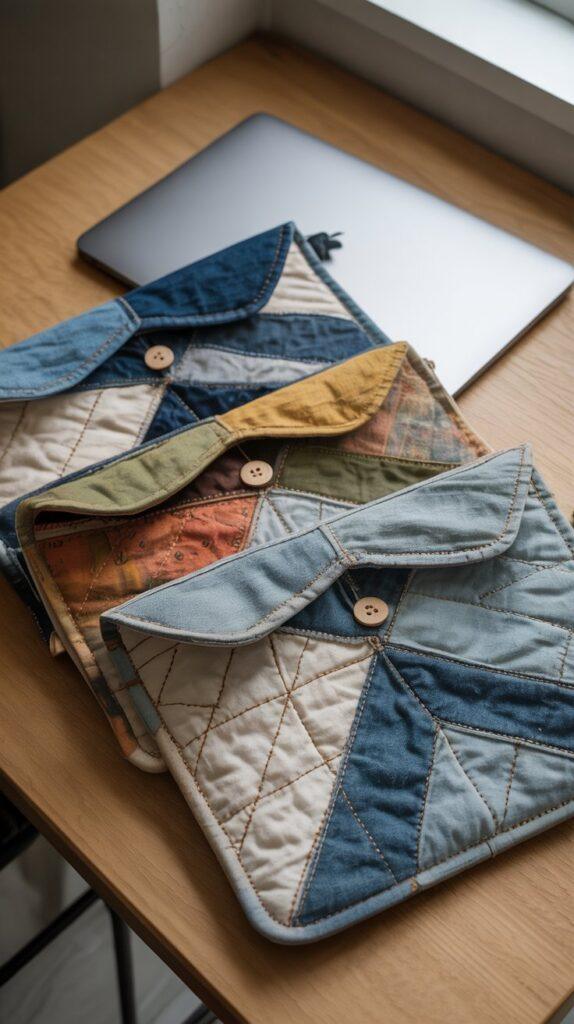
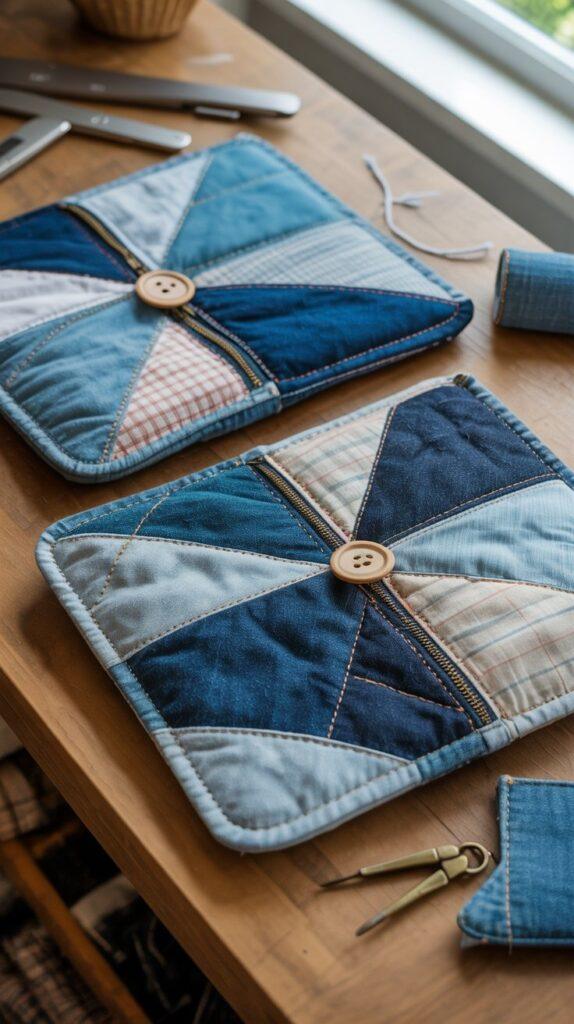
Laptop sleeves are functional, and that’s exactly why they sell. I began making padded sleeves using layers of old cotton shirts and denim scraps. Quilting the layers together not only secures the fabric but adds texture.
People want protection for their devices, but they don’t always want synthetic materials. A handmade quilted sleeve feels warmer and more personal. I add a simple button closure or zipper for security.
This project does well because it combines fashion and utility. It’s something people use every day. You can customize sizes, colors, and patterns. And since many people work remotely now, practical accessories like this continue to have demand.
15. Hand-Stamped Natural Dye Scarves
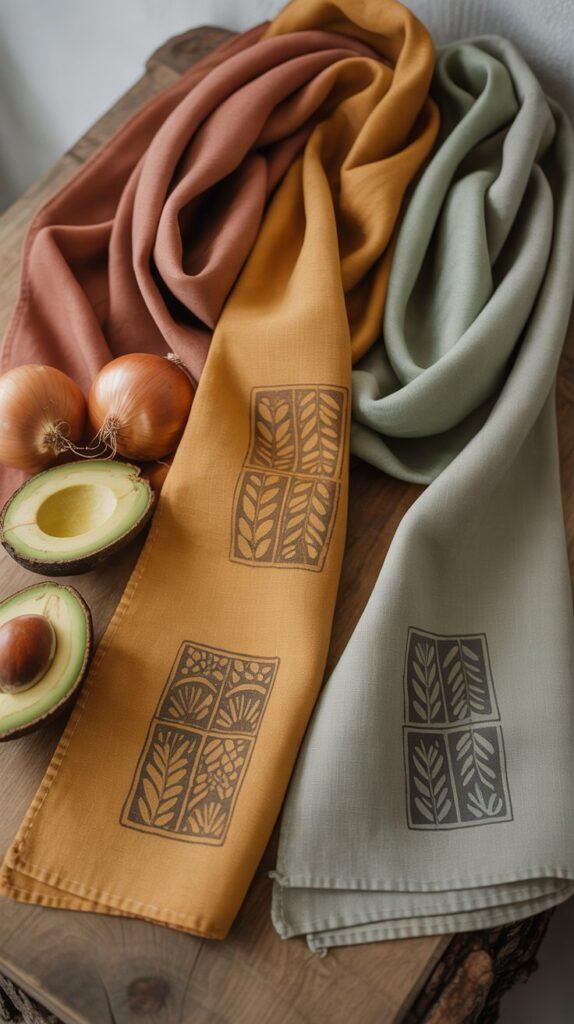
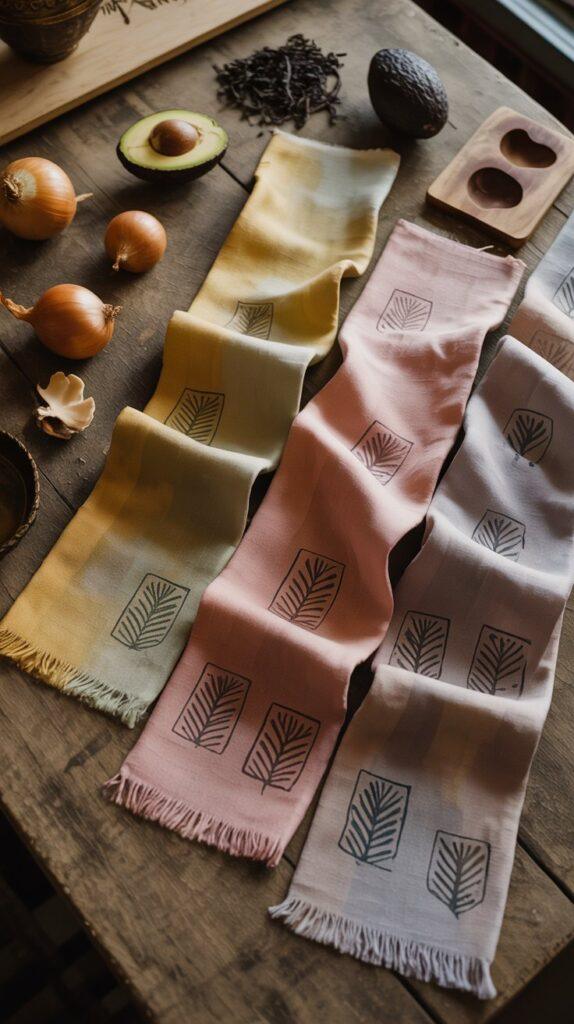
Instead of buying printed fabric, I started experimenting with natural dyes made from onion skins, avocado pits, and tea. The colors are soft and earthy. After dyeing plain cotton or linen scarves, I added simple hand stamps using carved block patterns.
Each scarf turns out slightly different. That’s part of the appeal. Buyers like knowing the color came from natural sources. Pinterest trends show growing interest in plant-based dye techniques and slow processes.
These scarves are lightweight and easy to ship. They work year-round, not just in winter. When you explain the dye process clearly and honestly, customers feel connected to the craft. It’s simple, sustainable, and surprisingly profitable.
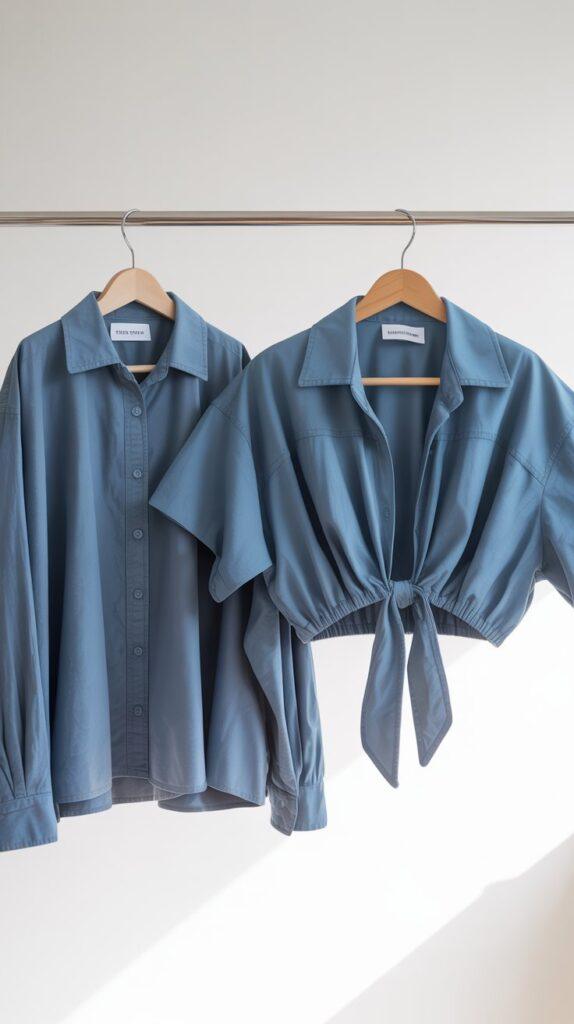
16. Upcycled Shirt-to-Crop Top Conversions
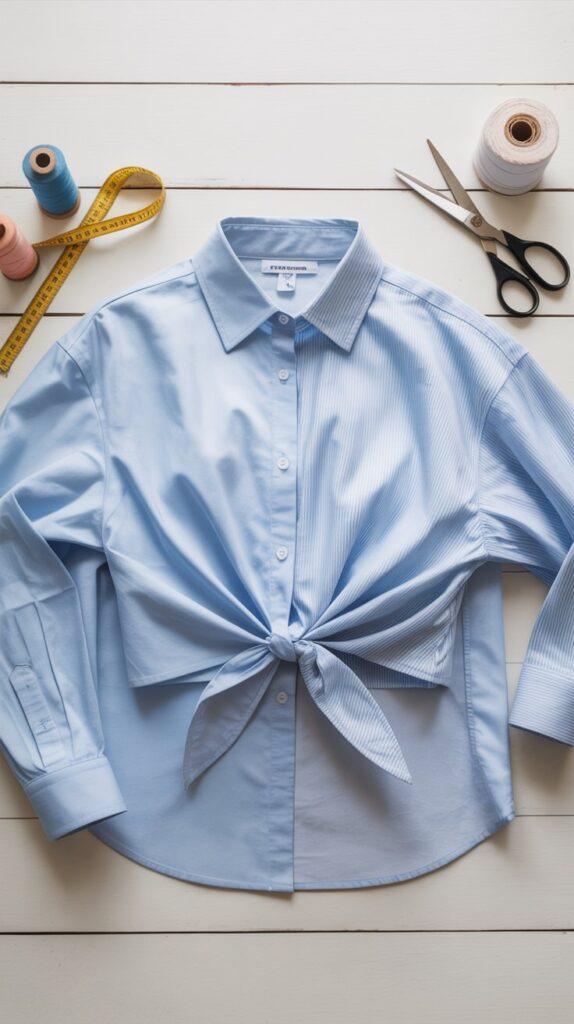
I started experimenting with oversized men’s shirts from thrift stores. Instead of leaving them as they were, I reshaped them into cropped tops with elastic hems or tie fronts. It’s a simple adjustment, but it completely changes the look.
Pinterest trends show a strong interest in clothing flips. People love seeing before-and-after transformations. What makes this profitable is the low starting cost. Oversized shirts are easy to find, and you’re adding value through tailoring and design.
The key is clean finishing. Straight seams, reinforced edges, and thoughtful proportions make it look intentional, not homemade. Sustainable fashion shoppers appreciate that you’re extending the life of existing garments instead of producing new fabric.
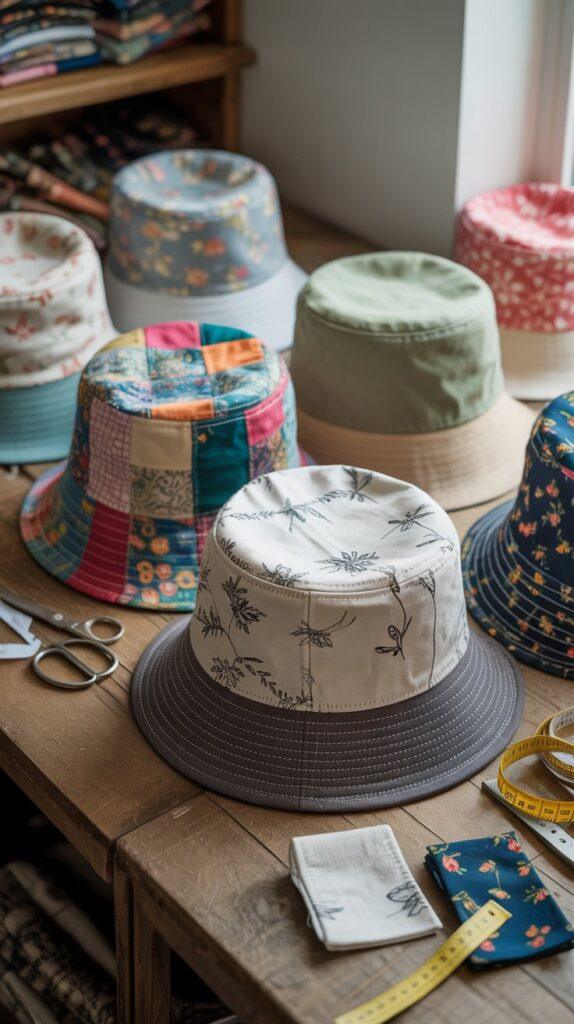
17. Reversible Bucket Hats from Fabric Scraps
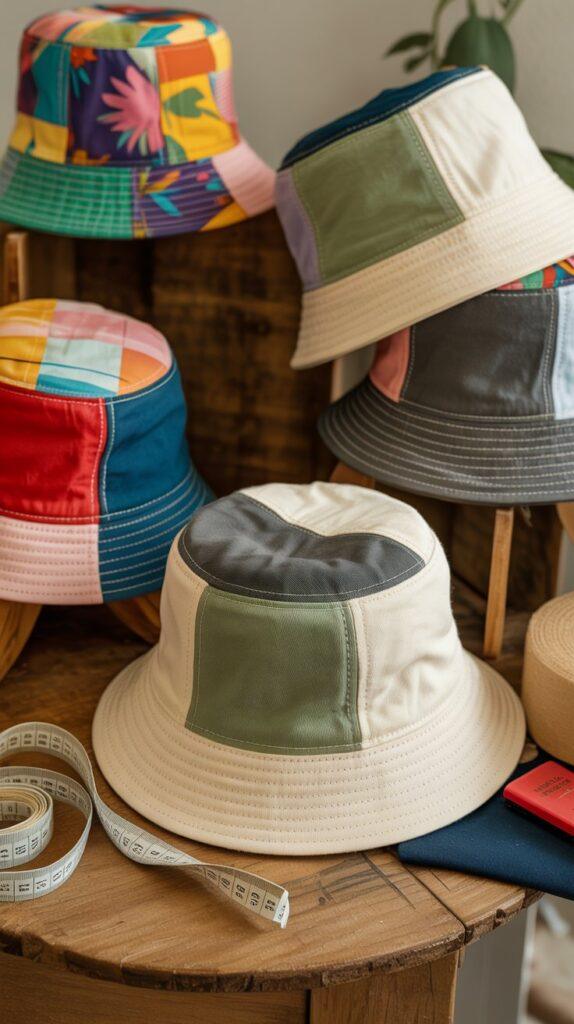
Bucket hats are still trending, especially in bold prints and patchwork styles. I began making reversible versions using two contrasting fabrics. On one side, I use patterned scraps. On the other, a solid neutral.
This doubles the styling options, which customers like. It also helps you use smaller fabric pieces that might otherwise go to waste. Structured cotton works best because it holds shape.
What makes this a strong seller is season flexibility. Lightweight versions work for summer, and thicker denim styles suit cooler months. They’re easy to size and easy to ship. Eco friendly fashion projects like this show creativity without requiring expensive materials.
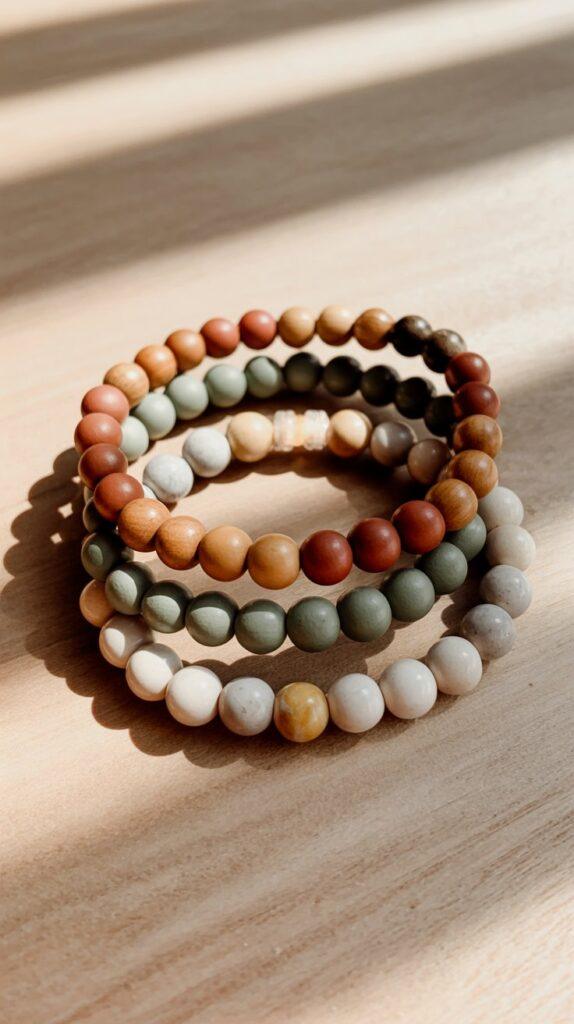
18. Handmade Beaded Bracelets with Natural Materials
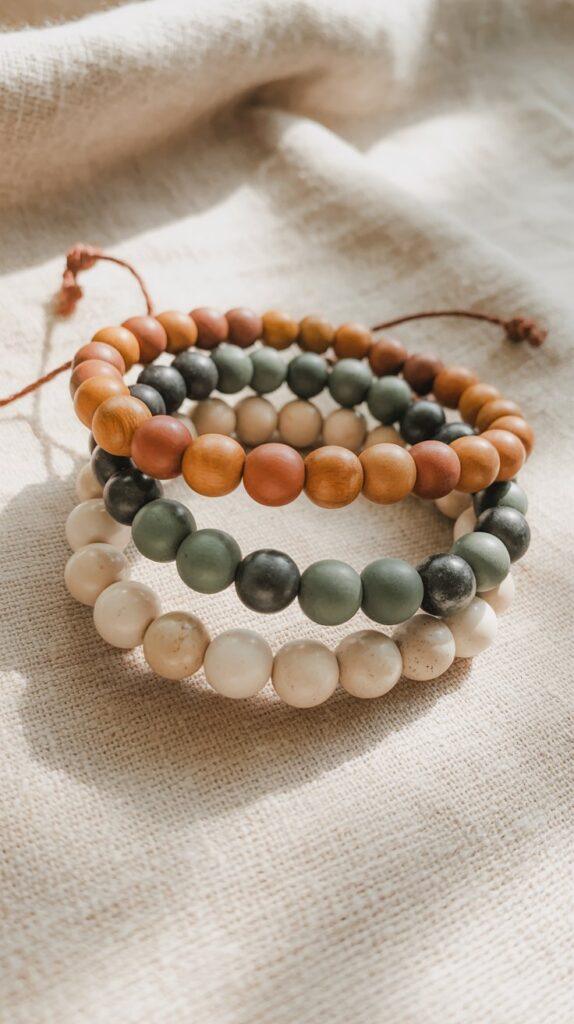
Instead of plastic beads, I started using wood, clay, and stone beads. Neutral, earthy tones sell best. Stretch cord designs are practical because they fit most wrist sizes.
These bracelets are simple to produce in batches, which helps with profit margins. Pinterest users often search for minimalist jewelry that feels natural and understated. Stacking sets selling three coordinated bracelets together increases the average sale value.
This project works well because it’s accessible. You don’t need advanced tools. Just attention to detail and secure knotting. Sustainable jewelry made from natural materials continues to gain interest, especially when marketed clearly and honestly.
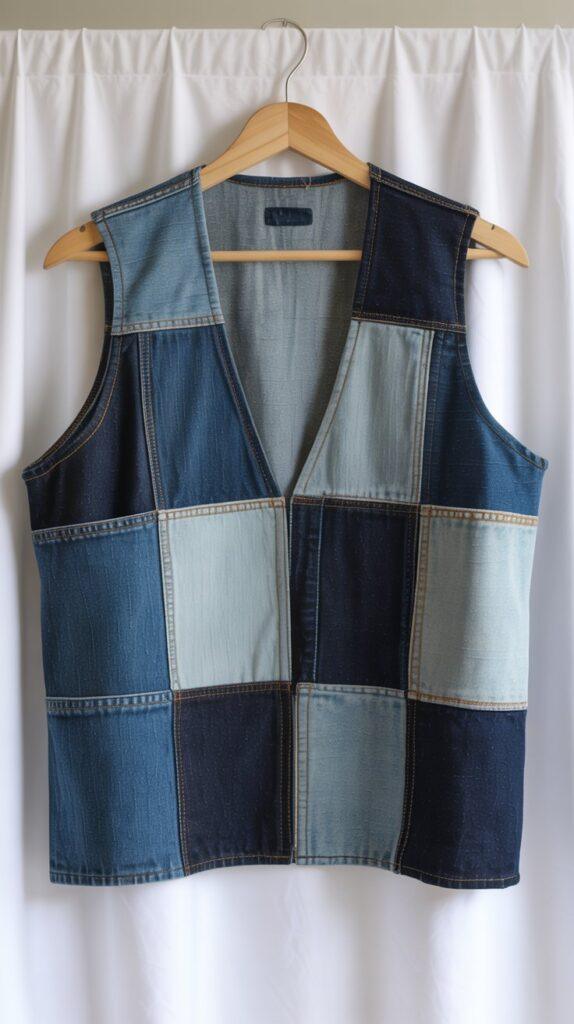
19. Upcycled Denim Patchwork Vests
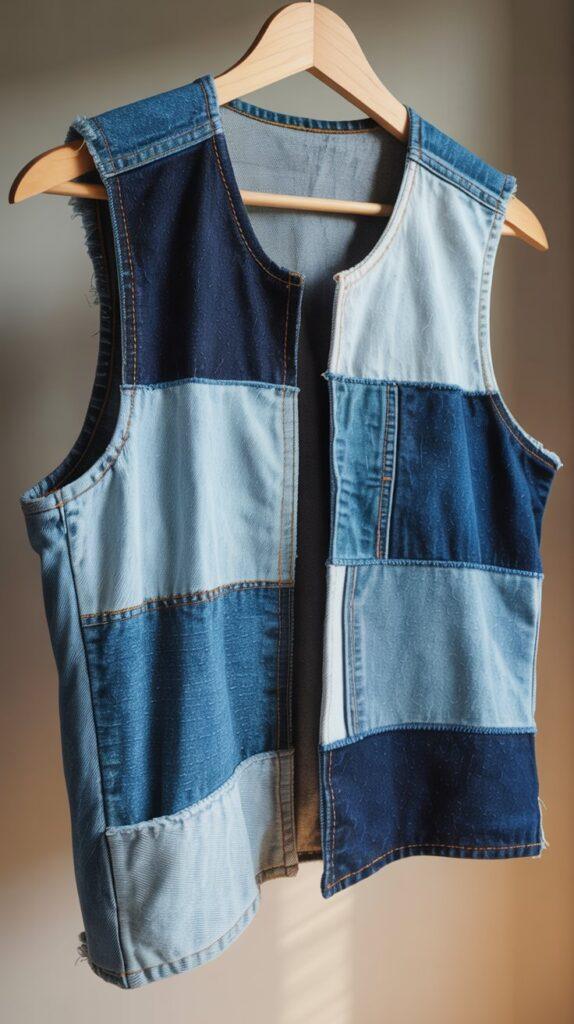
I’ve seen growing interest in sleeveless denim vests, especially layered over dresses or basic tops. I started creating patchwork panels from mixed denim tones and stitching them into simple vest shapes.
The vest format uses less fabric than a full jacket, which makes it more manageable. It also feels modern and easy to style. Leaving raw edges or visible stitching adds personality.
Because each vest is different, buyers feel like they’re getting something exclusive. Pinterest favors unique, handmade layering pieces. This project fits perfectly into slow fashion trends and supports fabric reuse.
20. Fabric Plant Hangers Using Scrap Textiles
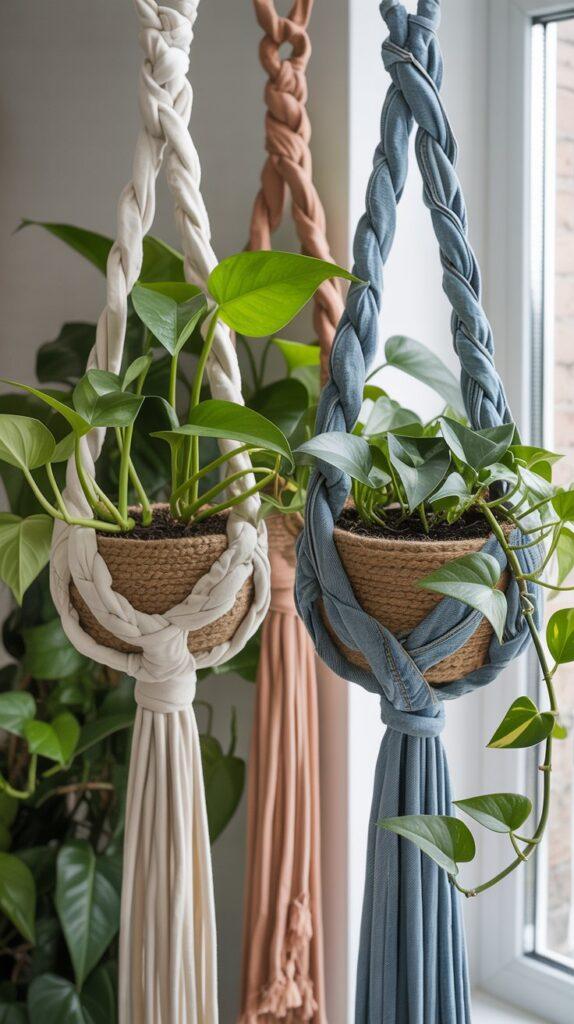
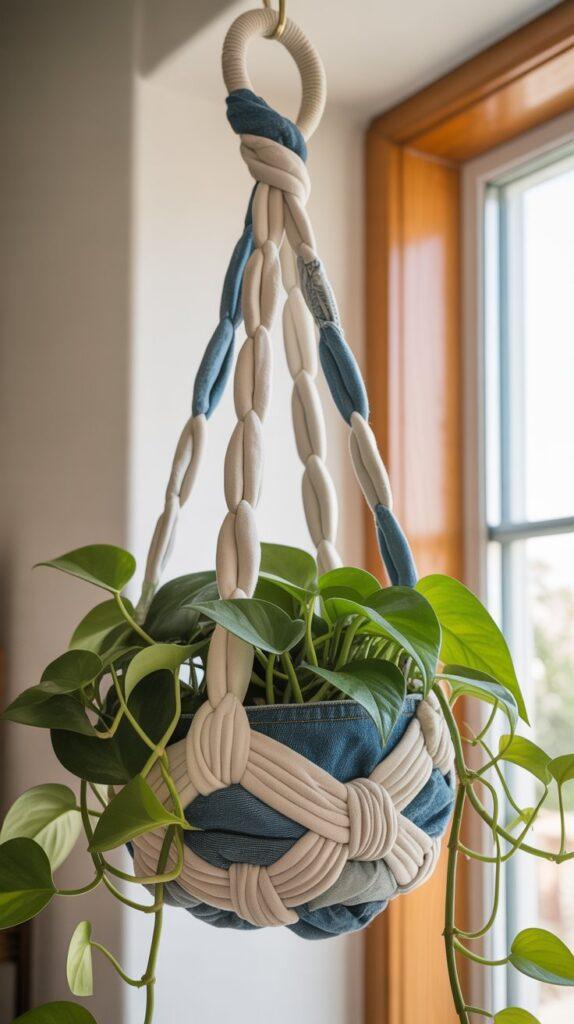
Instead of traditional macramé rope, I experimented with sturdy fabric strips braided or knotted into plant hangers. Old cotton sheets and denim work well when cut into long strips.
These hangers combine home decor and fashion craft skills. They’re soft but strong, and they photograph beautifully with greenery. Pinterest trends show strong engagement with indoor plant styling.
This project is profitable because it uses materials many people already have. It requires time and neat knotting, but not heavy equipment. When presented as an eco friendly alternative to synthetic rope, it connects with buyers who prefer natural, repurposed materials.
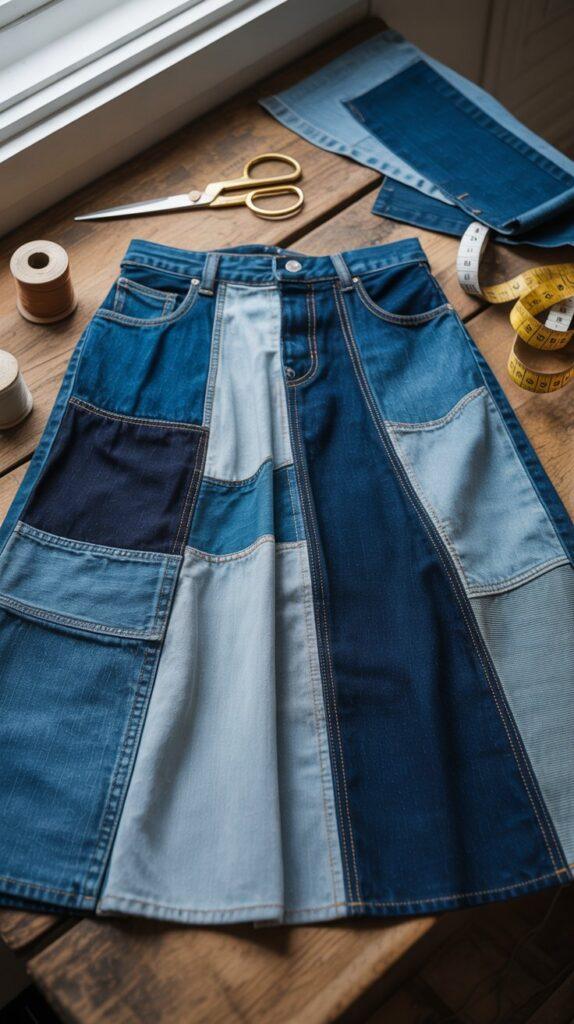
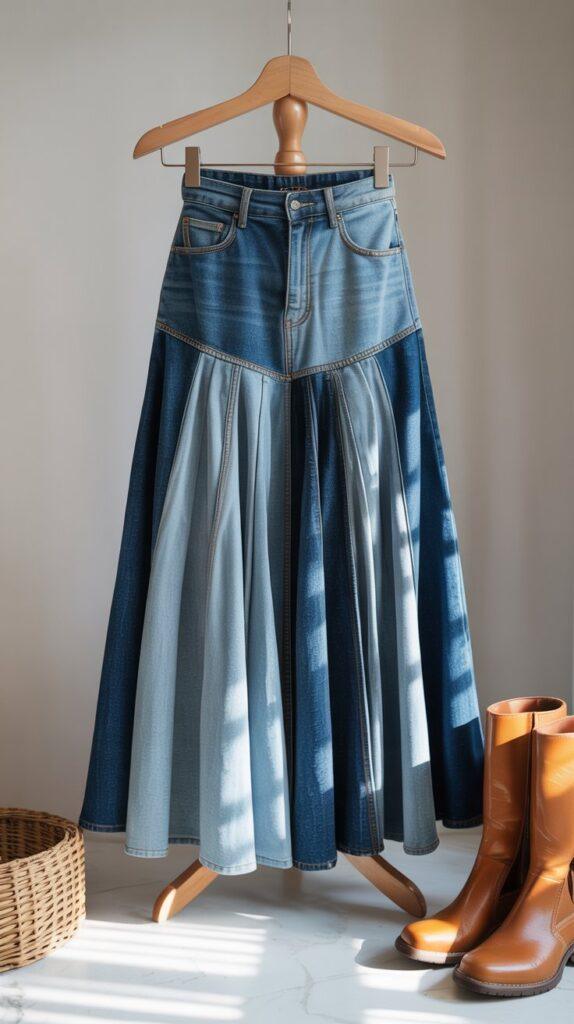
21. Reworked Denim Maxi Skirts
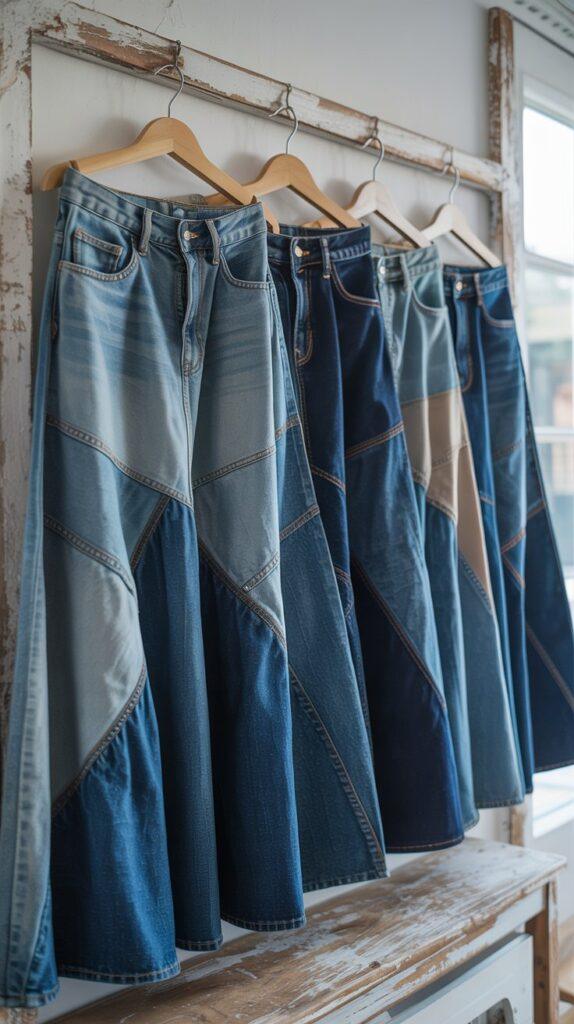
I started making maxi skirts by combining two or three pairs of old jeans. Instead of throwing away damaged sections, I cut around them and pieced together wider panels to create flow. The result feels structured at the top and relaxed at the bottom.
What works about this project is that maxi skirts are easy to style year-round. With boots in cooler months or sandals in warmer weather, they stay relevant. Pinterest users are saving modest, layered outfits, and long denim skirts fit right into that space.
Because you’re using recycled denim, your cost stays low. The value comes from shaping, clean stitching, and balance in color tones. When you keep the original waistband or pockets, it adds authenticity. Buyers like knowing their skirt once had another life.
22. Linen Wrap Dresses with Minimal Waste Cuts
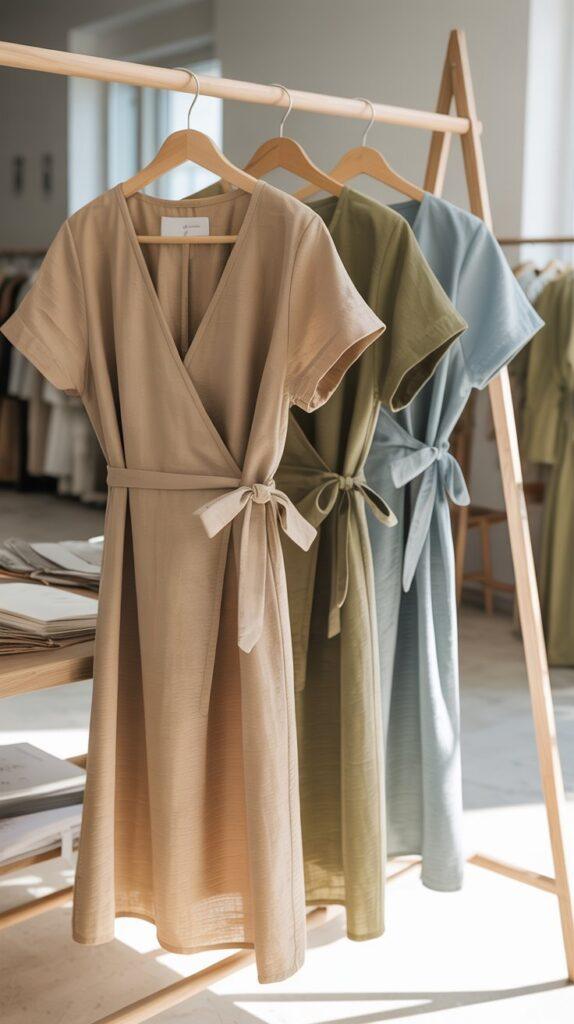
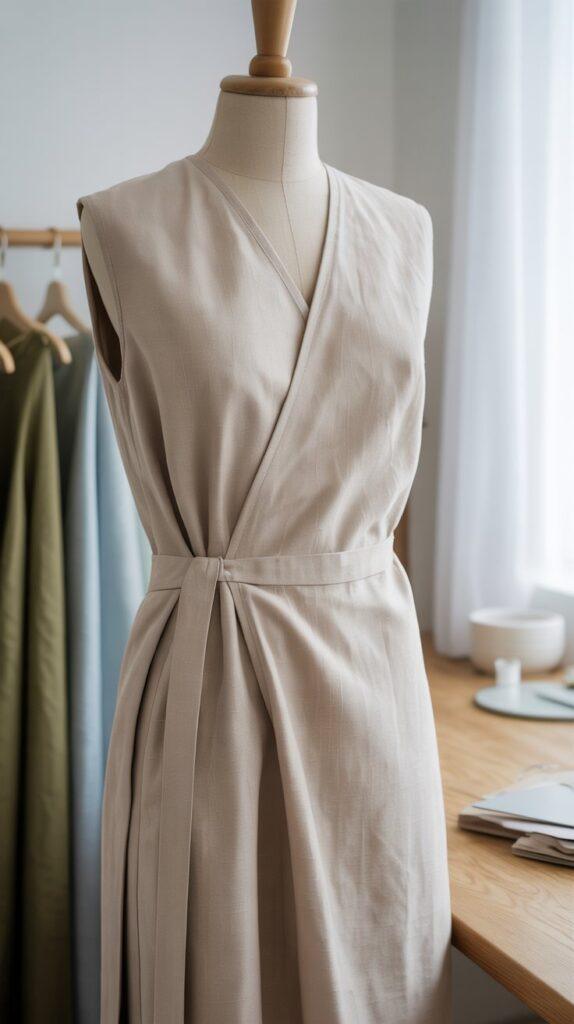
Linen wrap dresses are trending for their simple shape and breathable fabric. I focused on creating patterns that minimize fabric waste. Straight cuts, adjustable ties, and clean seams make this manageable even from a small workspace.
What makes this profitable is versatility. Wrap dresses fit different body types, so sizing is easier. Neutral tones like sand, olive, and soft blue tend to perform best online.
Eco friendly fashion buyers look for natural fabrics and timeless silhouettes. When you keep the design simple and well-finished, it feels thoughtful rather than trendy. Linen also holds value, so customers understand why it costs more than synthetic pieces.
23. Scrap Fabric Patchwork Tote Backpacks
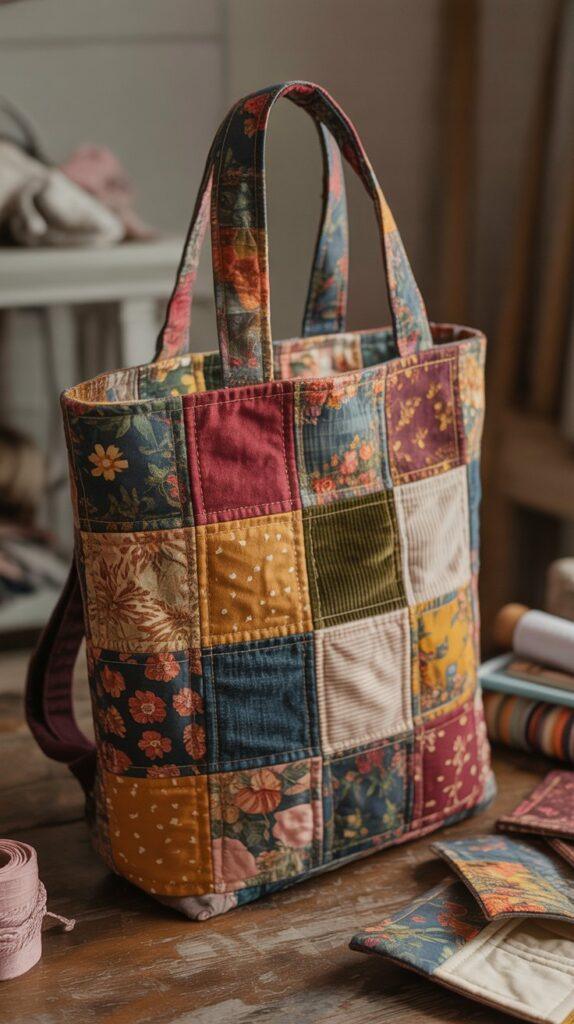
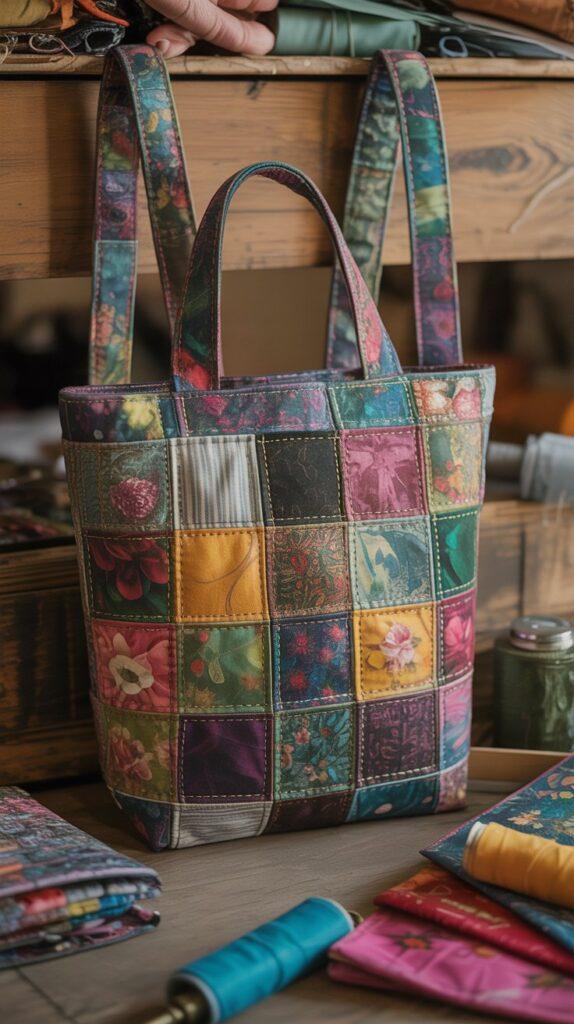
Instead of a standard tote, I began making hybrid tote backpacks using layered scrap fabric panels. The straps convert from shoulder carry to backpack style. It sounds complex, but the base shape is simple.
Patchwork makes each piece different, which helps when selling online. People want individuality. Pinterest boards are full of colorful, textured bags that feel handmade but practical.
This project allows you to use small fabric remnants efficiently. Reinforcing stress points and lining the interior properly keeps it durable. When buyers see that it’s strong enough for daily use, they’re more confident purchasing handmade.
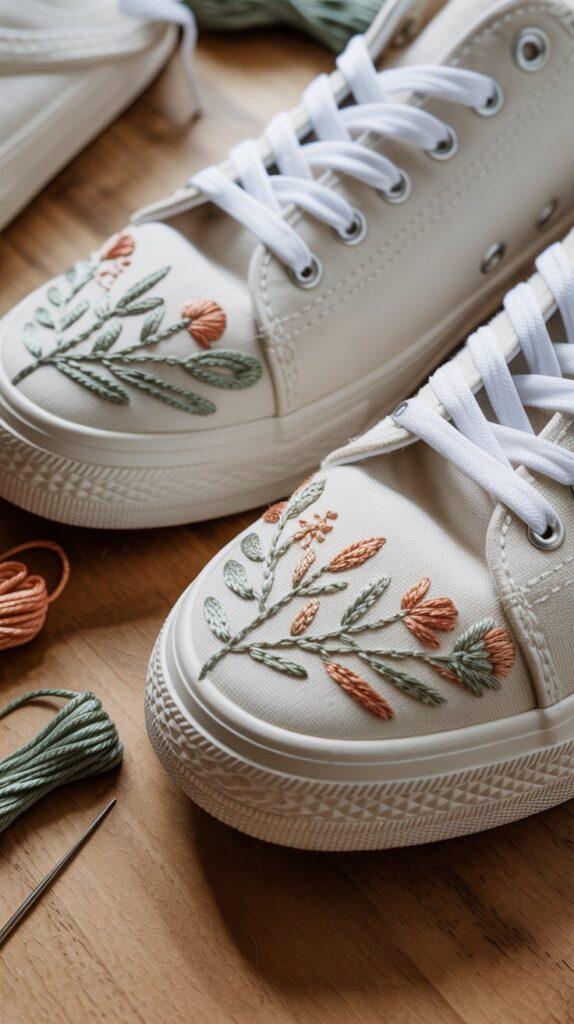
24. Hand-Embroidered Canvas Sneakers
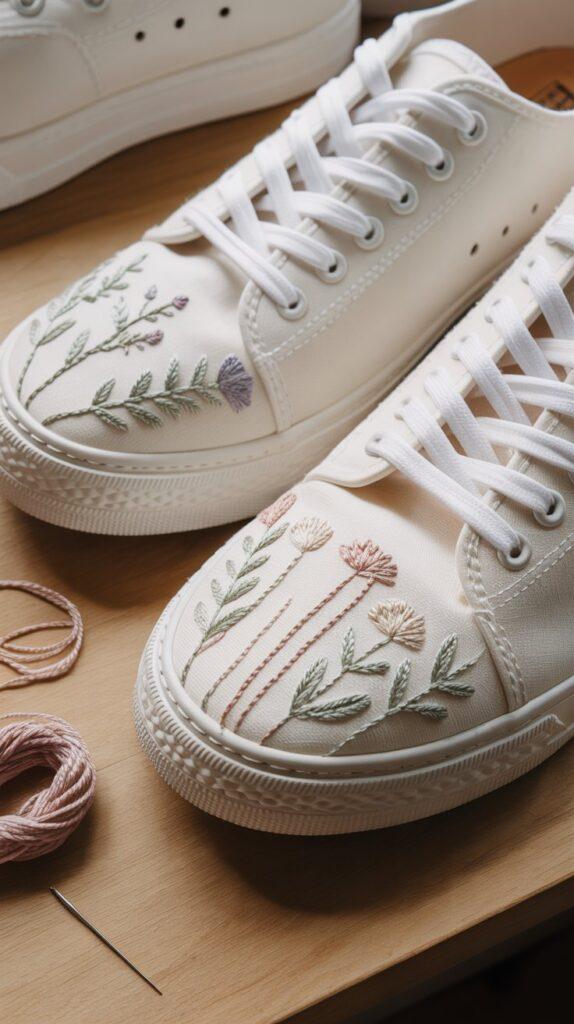
I experimented with plain canvas sneakers and added small embroidered designs leaves, abstract lines, or minimal florals. I kept the patterns simple so they stayed wearable.
Footwear customization is gaining attention because it transforms something basic into something personal. Buyers enjoy subtle detail rather than bold prints. Pinterest searches for custom sneakers continue to rise, especially among younger audiences.
This project works best when stitching is neat and secure. It takes patience, but the resale value increases significantly compared to plain shoes. It’s a strong example of adding craftsmanship instead of buying new materials.
25. Eco Friendly Fabric Jewelry Rolls
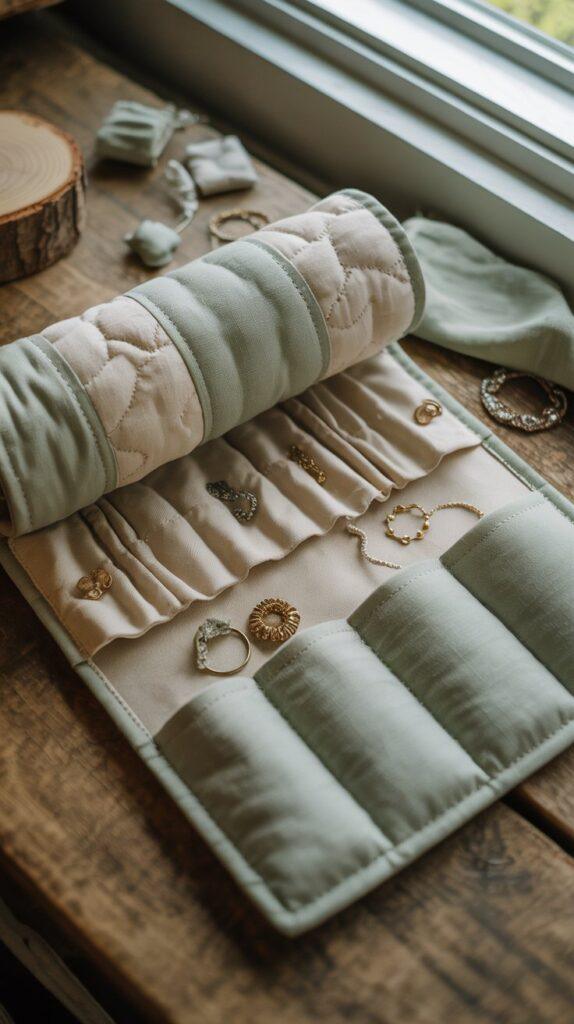
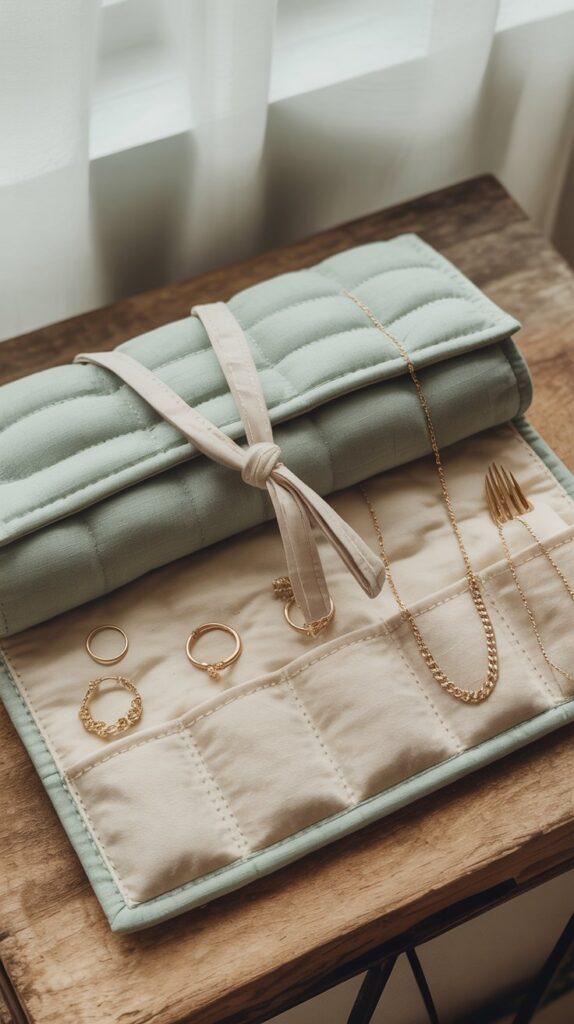
Travel jewelry rolls are surprisingly popular. I started making them using quilted cotton scraps with small inner pockets and tie closures. They roll up neatly and protect delicate items.
This is a practical accessory that people actually use when traveling. It pairs well with handmade jewelry if you want to bundle products together. Pinterest trends show interest in travel organization, especially soft, natural materials.
The design is simple: padded lining, stitched compartments, and secure ties. Because you can use leftover fabric pieces, production cost stays low. When positioned as a reusable, sustainable alternative to plastic organizers, it appeals to conscious buyers.
Final Thoughts
If there’s one thing I’ve learned, it’s this: you don’t need a factory, a big budget, or a fashion degree to start earning from eco friendly fashion craft projects. You just need to start with what you already have. Old jeans. Fabric scraps. Basic tools. A sewing machine. Or even just your hands.
The projects I shared are not trends that disappear overnight. They’re rooted in something steady sustainability, practicality, and individuality. People are paying attention to how things are made. They want clothing and accessories that feel thoughtful and responsible. That shift is not going away anytime soon.
If you’re serious about earning extra income, choose one or two projects that match your skills and start small. Test them. Improve your finishing. Take clear photos. Listen to what buyers respond to. That’s how you build something sustainable, not just financially, but creatively too.
Pinterest is full of inspiration, but real success comes from actually making the product, refining it, and standing behind your work.
You don’t have to do all 25. Start with one. Does it well? Then grow from there.
If this list helped you see new possibilities, keep exploring, and keep creating and most of all keep building something that feels honest and useful. That’s what lasts.