
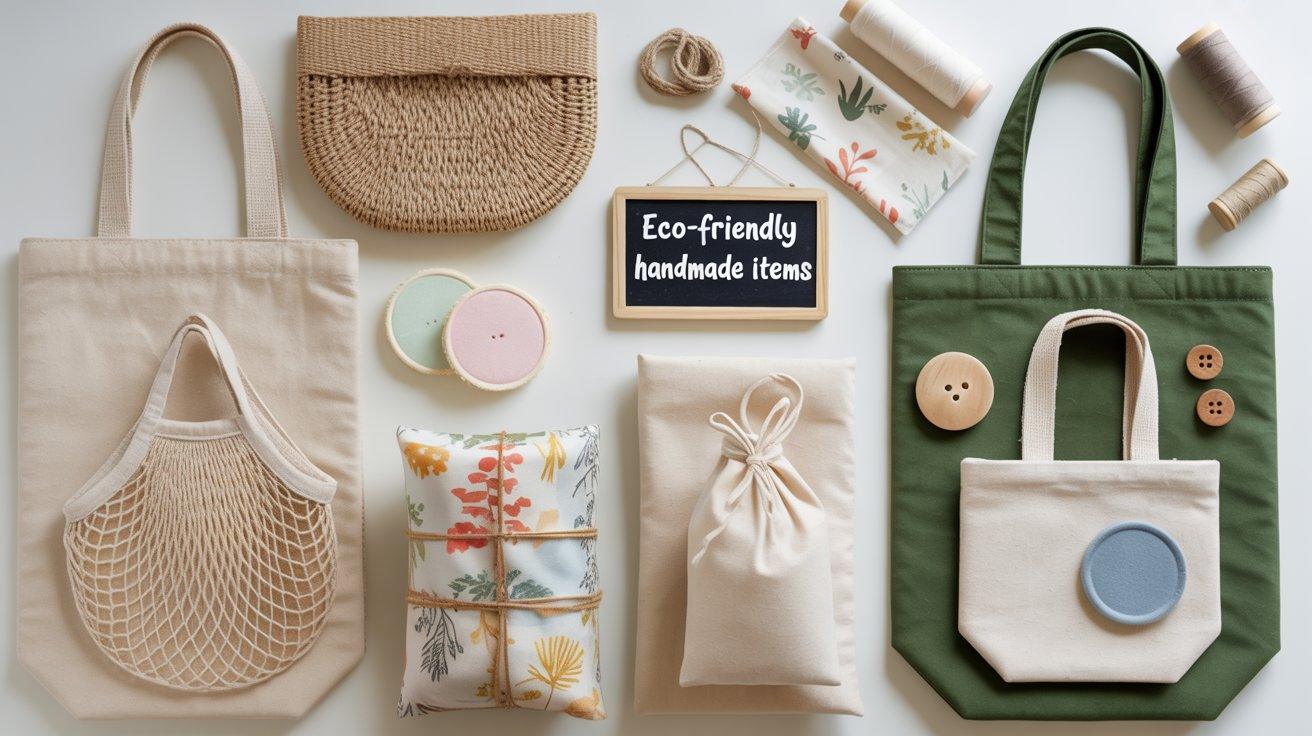
Over the years I’ve noticed something simple: people are trying to reduce waste, but they still want everyday items that work well. That’s where eco friendly sewing projects come in. Instead of disposable products, many shoppers now look for reusable cloth alternatives. If you know how to sew even at a basic level you can turn that shift into a small but steady source of income.
What works best are practical things people use every day. A reusable produce bag, cloth napkin, or washable kitchen sponge might seem simple, but those are exactly the types of items buyers are searching for. They help people cut down on plastic and paper waste without changing their routines too much.
I’ve also found that these items are usually inexpensive to make. Most require simple materials like cotton, linen, or recycled fabric. Some can even be made from leftover scraps, which keeps your costs low. When you focus on durable stitching and clean designs, customers notice the difference.
So here are some best selling eco friendly items to sew and sell that are realistic to make at home and have proven demand.
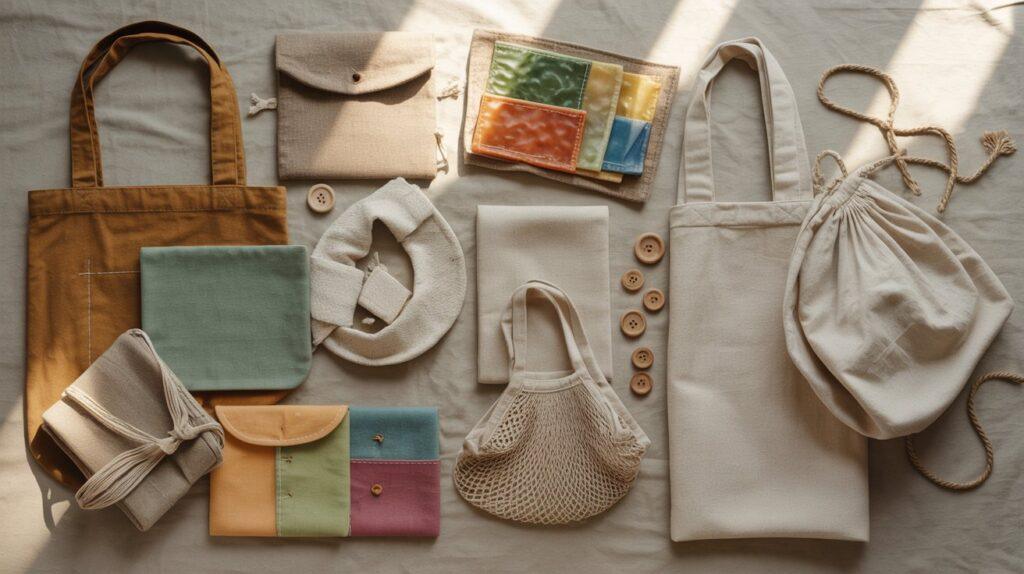
Reusable Produce Bags
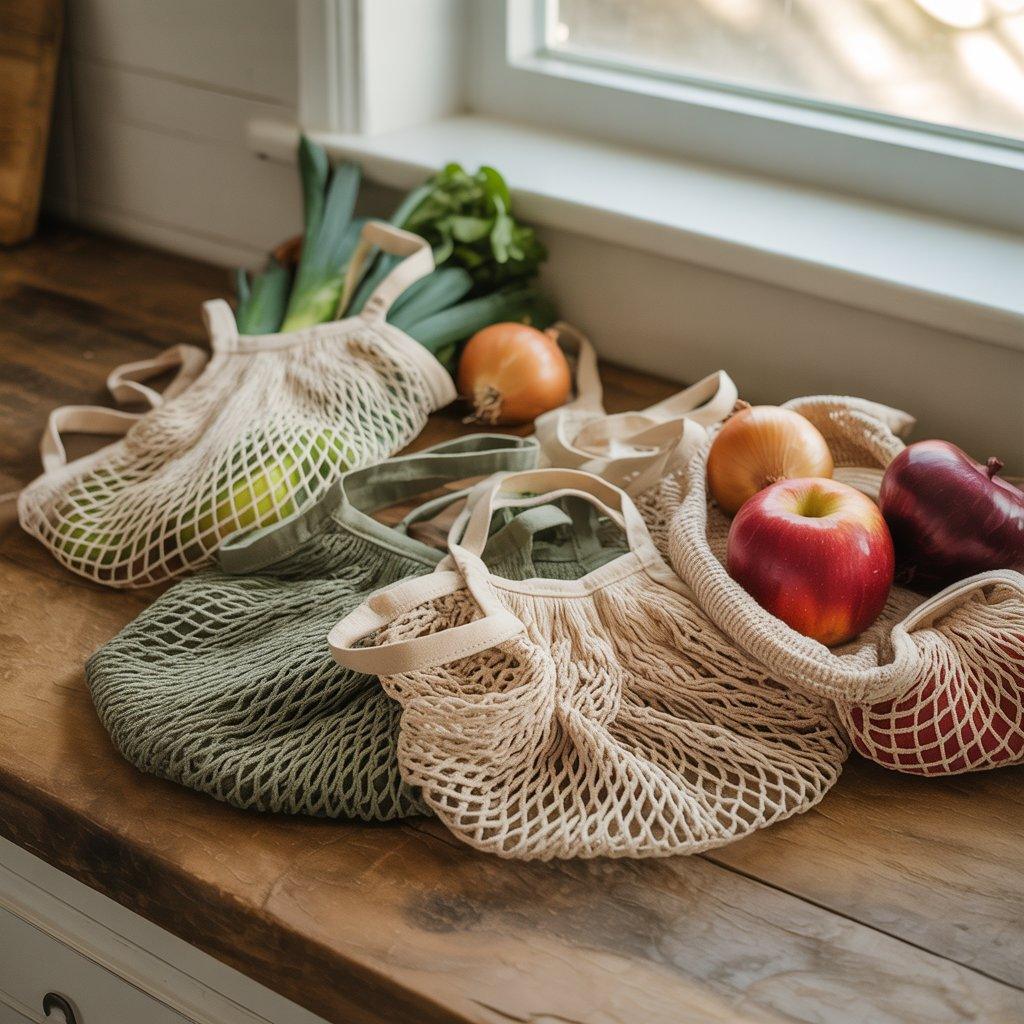
One of the easiest eco friendly sewing projects I started with was reusable produce bags. These are simple drawstring bags people use at the grocery store instead of plastic produce bags. They’re lightweight, washable, and easy to fold into a purse or shopping bag.
I usually make them using cotton mesh or lightweight muslin. Mesh works well because store clerks can see what’s inside without opening the bag. The sewing itself is straightforward: a basic rectangle, reinforced seams, and a drawstring channel at the top. Even beginner sewers can make several in one afternoon.
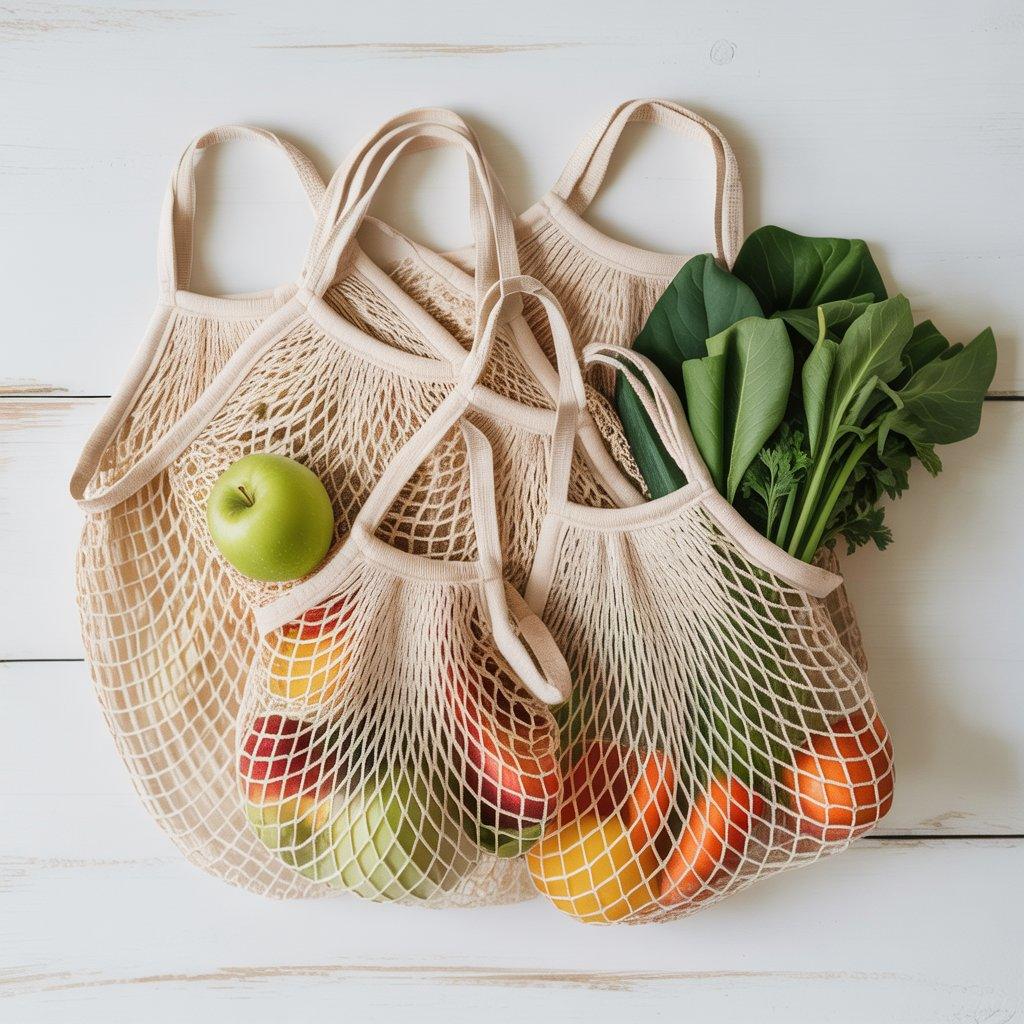
What I noticed is that customers rarely buy just one. Most people want a full set for apples, potatoes, onions, and other produce. That’s why selling them in bundles of four or six works well. It also increases your average sale.
People like these bags because they solve a real problem. Plastic produce bags are used once and thrown away, while a cloth bag can last for years.
Eco-Friendly Fabric Jewelry
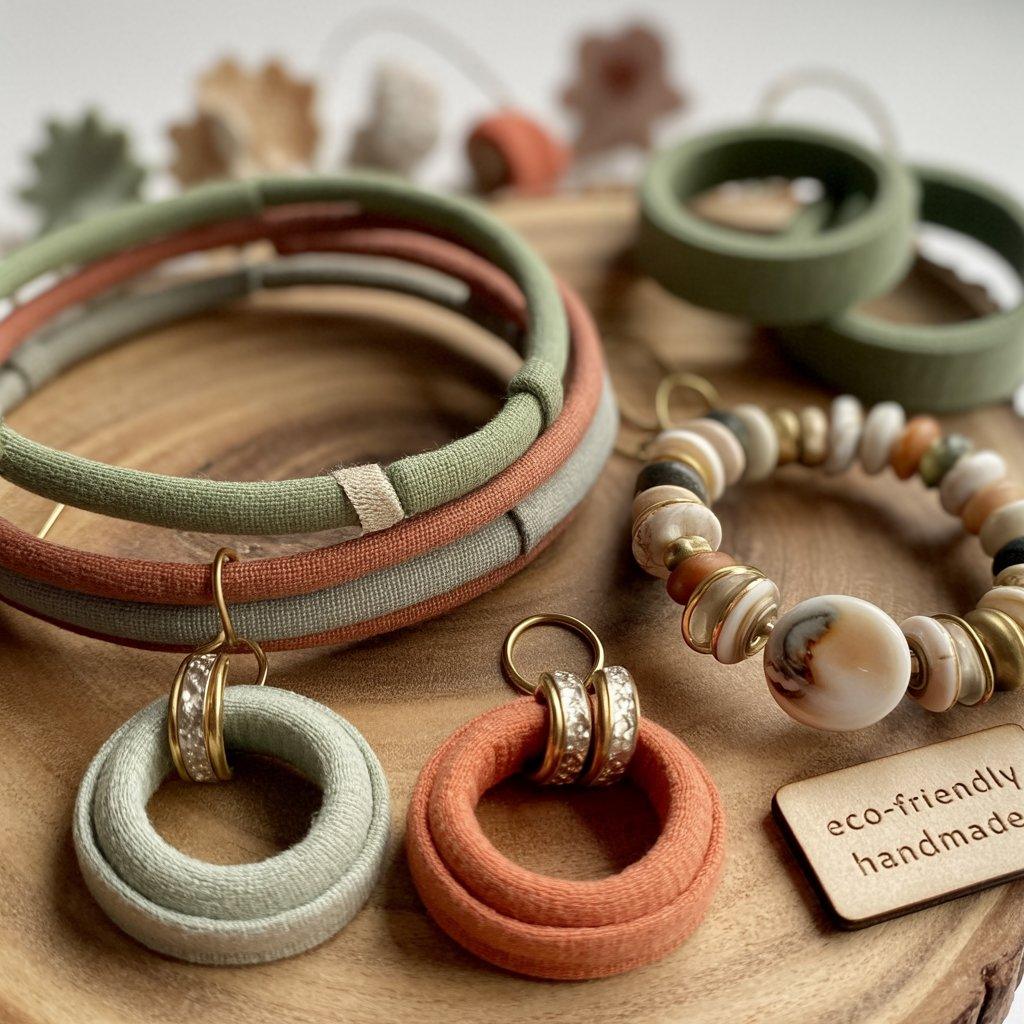
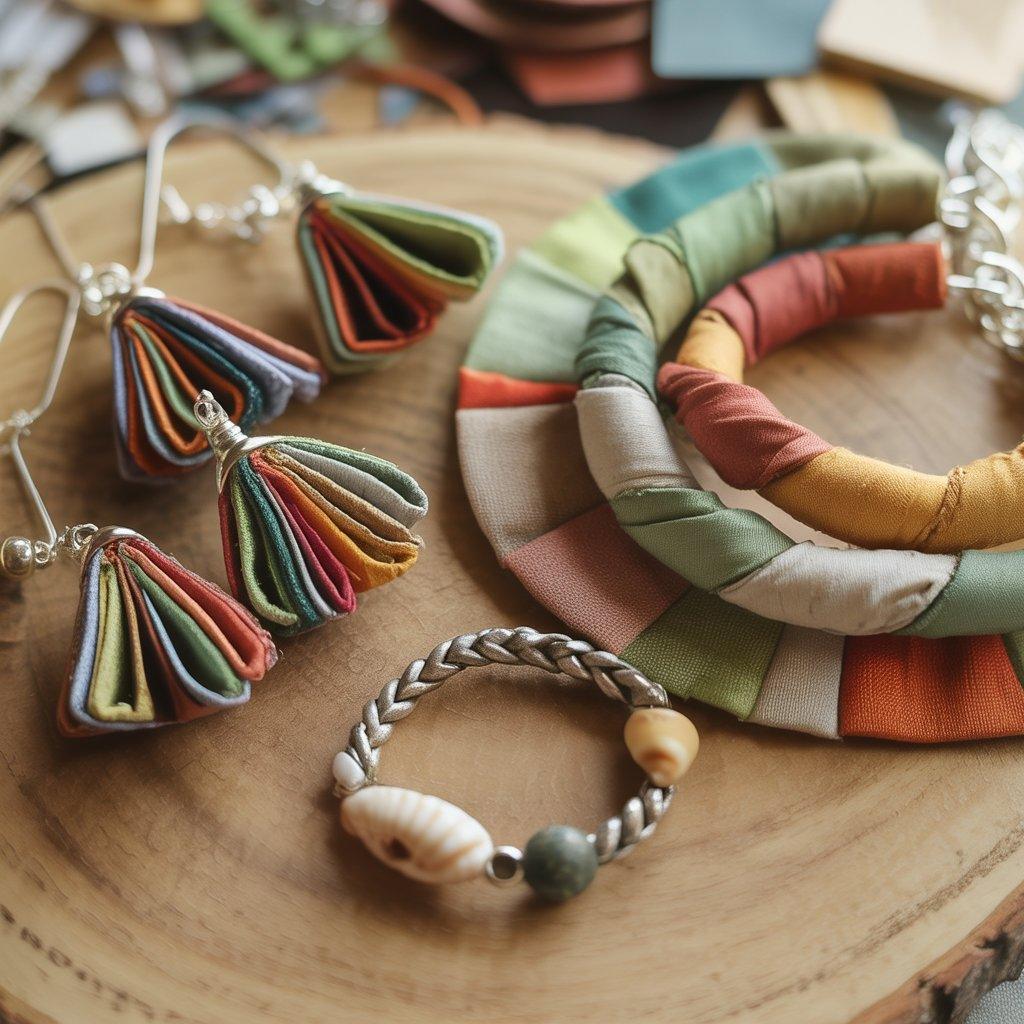
One sewing project that surprised me with steady interest is eco-friendly fabric jewelry. You can make earrings, necklaces, or bracelets using small scraps of fabric, felt, or recycled textiles. The idea is to create lightweight, colorful pieces that are comfortable to wear while reducing waste.
I usually start with basic shapes circles, triangles, or strips of fabric and fold, twist, or layer them to create interesting textures. Adding small beads or natural elements, like wooden beads or shells, gives the pieces a more polished look. You can attach findings like hooks, chains, or clasps to turn them into wearable jewelry.
What makes this sell well is that people like unique, handmade accessories that don’t harm the environment. Many customers are looking for something different from mass-produced jewelry. You can also make sets like matching earrings and a necklace to increase the perceived value.
These pieces are lightweight, inexpensive to make, and easy to ship. Even a small batch can quickly attract buyers online or at local markets. Once you get the hang of combining fabrics and textures, making eco-friendly jewelry can be both creative and profitable.
Reusable Paper Towel Alternatives
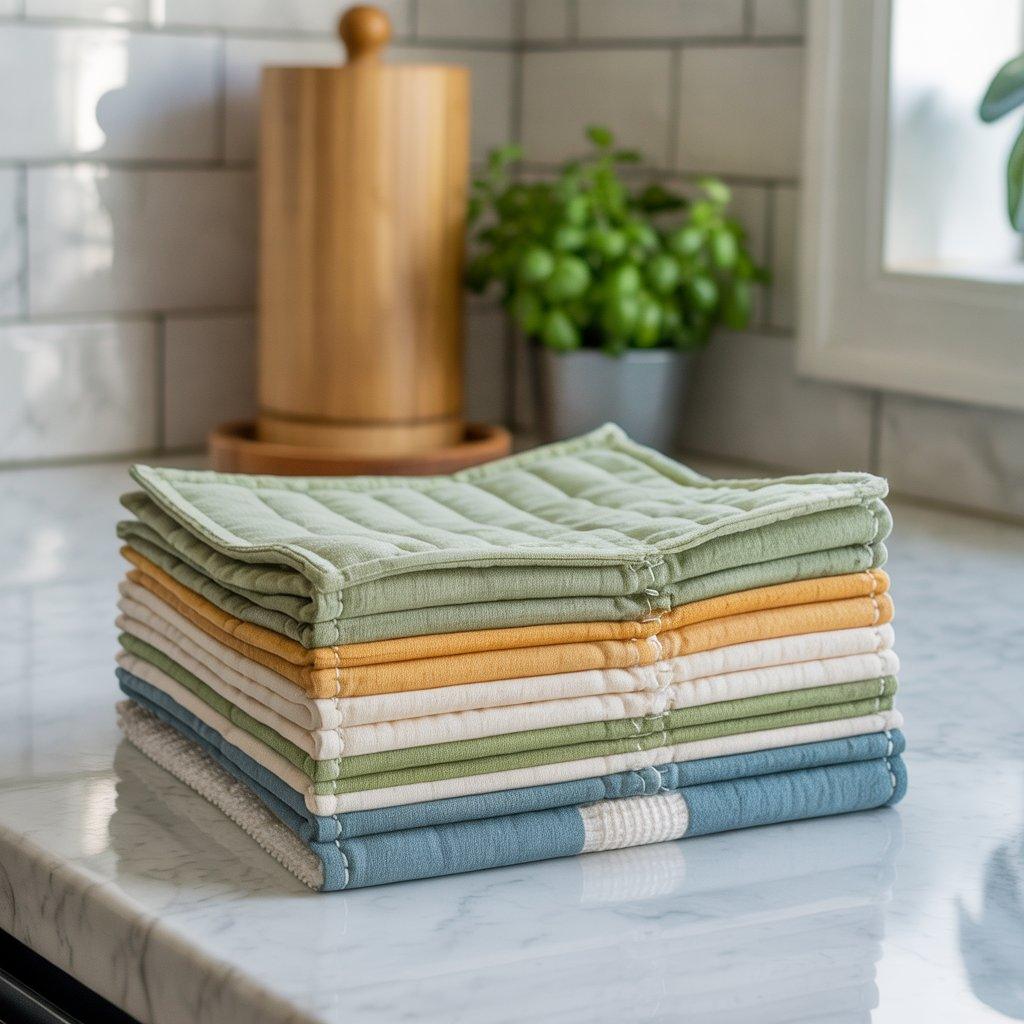
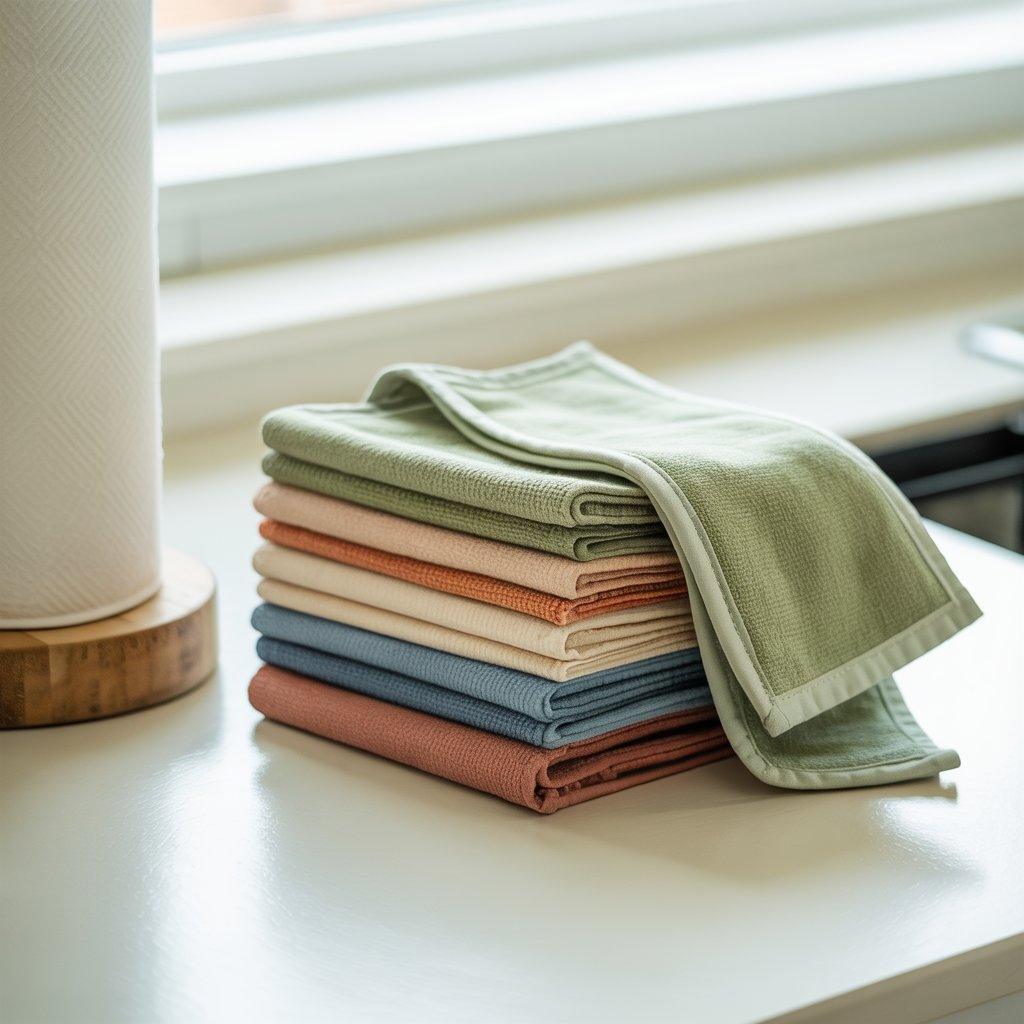
Another item that sells consistently is reusable cloth paper towels. Instead of using disposable paper towels for spills and kitchen cleaning, many households now keep washable cloth versions.
I usually sew these using absorbent cotton flannel or terry cloth. The size is similar to regular paper towels, but the fabric makes them strong enough to wash again and again. Some people add snaps so the towels can roll onto a holder, but simple stackable squares work just as well.
These are great scrap-fabric projects too. Small leftover pieces can easily be turned into cleaning cloths instead of being thrown away.
Customers like reusable towels because they save money over time and reduce waste in the kitchen. When packaged in sets usually eight to twelve cloths they make practical gifts as well. Many people buy them when they’re trying to switch to a more sustainable home routine.
Cloth Snack Bags
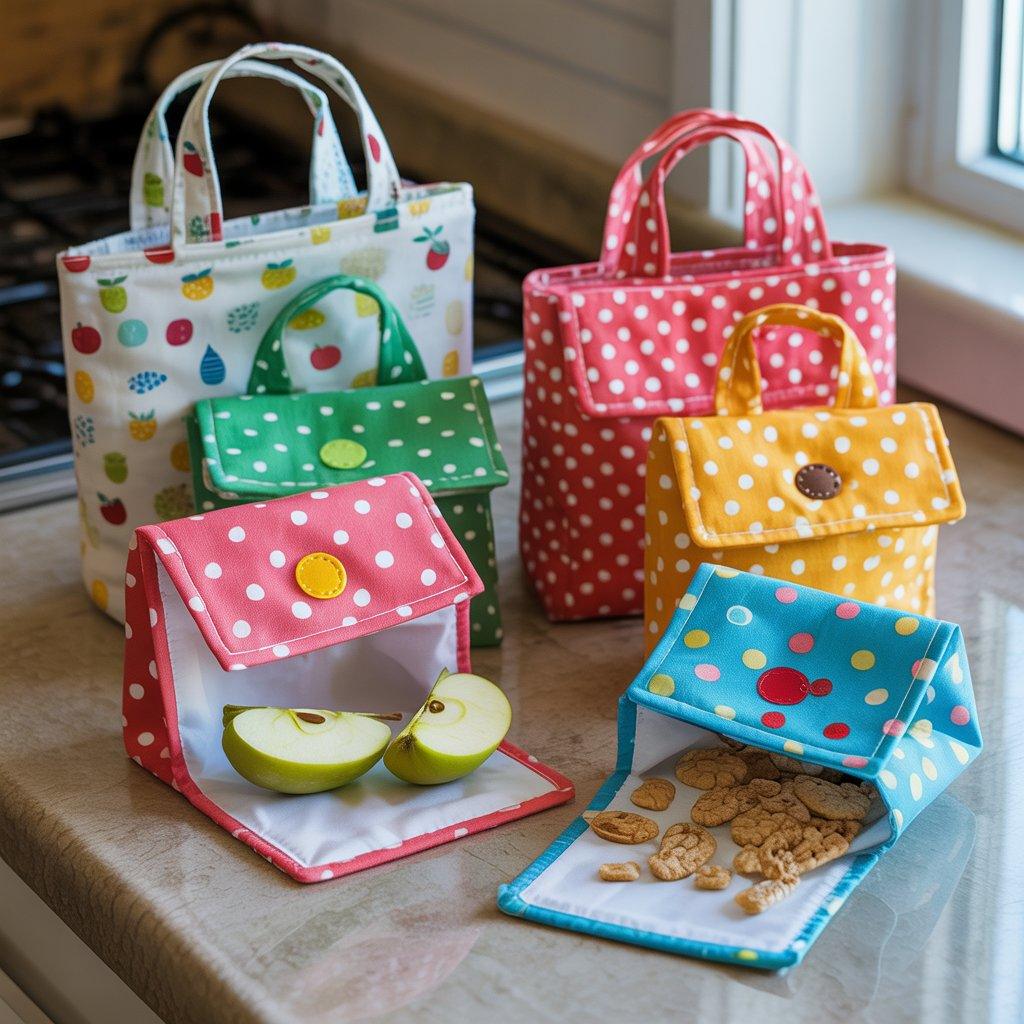
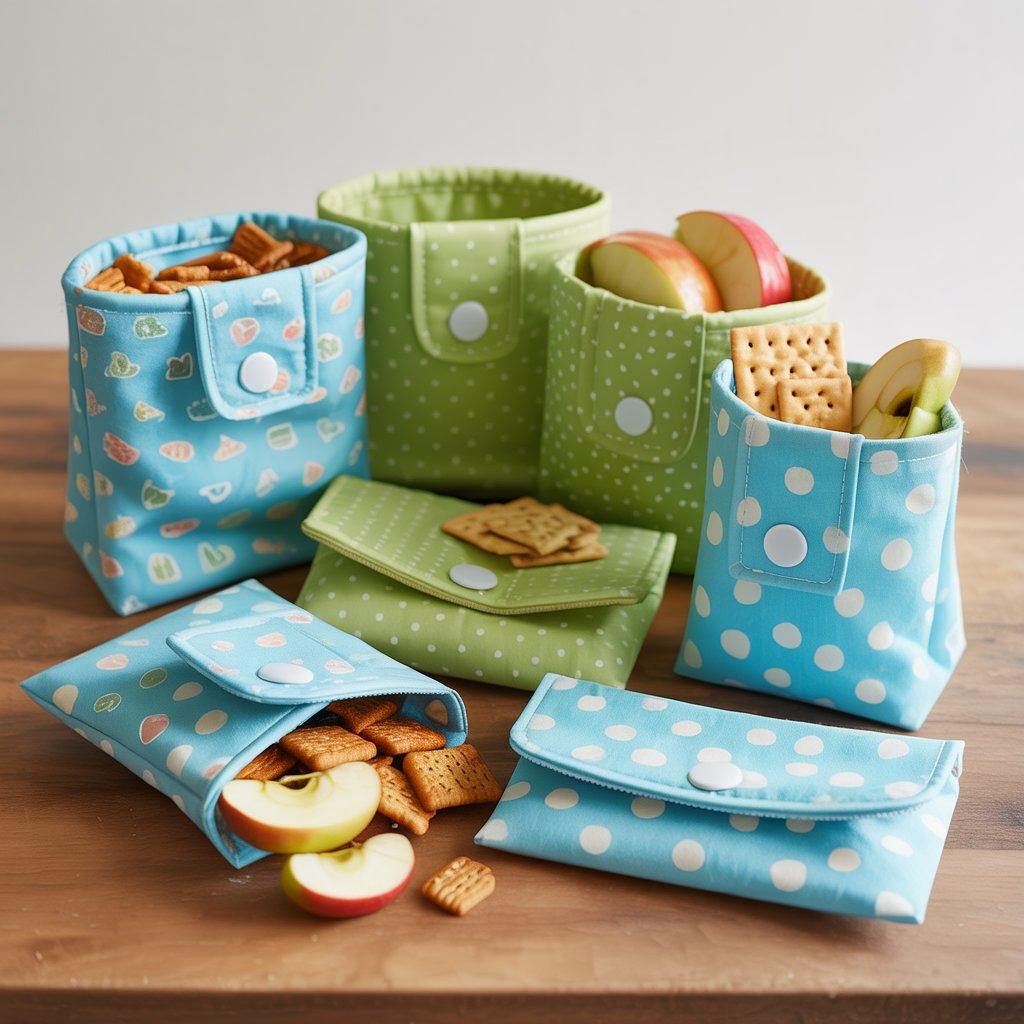
Cloth snack bags are another eco friendly sewing item that sells surprisingly well. They’re meant to replace disposable plastic sandwich bags. Parents often buy them for school lunches, and adults use them for nuts, fruit, or small snacks during the day.
I make these using cotton fabric with a food-safe lining, often something water resistant so crumbs and moisture don’t soak through. A simple fold-over flap with Velcro or snaps keeps the bag closed. They’re easy to turn inside out and wash after use.
One thing that helps sales is offering different sizes. Smaller bags work for snacks like crackers or trail mix, while larger ones can hold sandwiches.
These bags appeal to buyers because they reduce single-use plastic. Many families go through dozens of disposable bags each month, so a washable alternative makes sense. Once someone tries one, they often come back for more.
Fabric Bangles
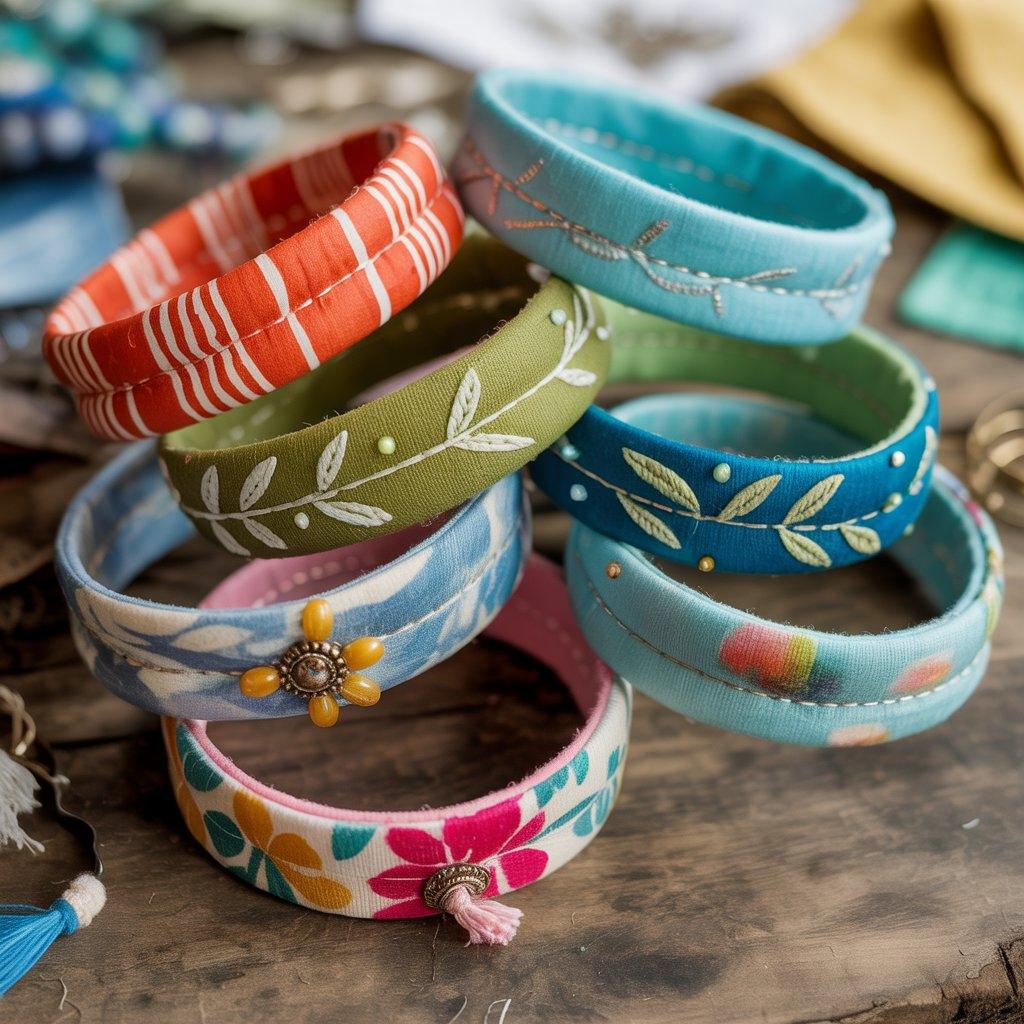
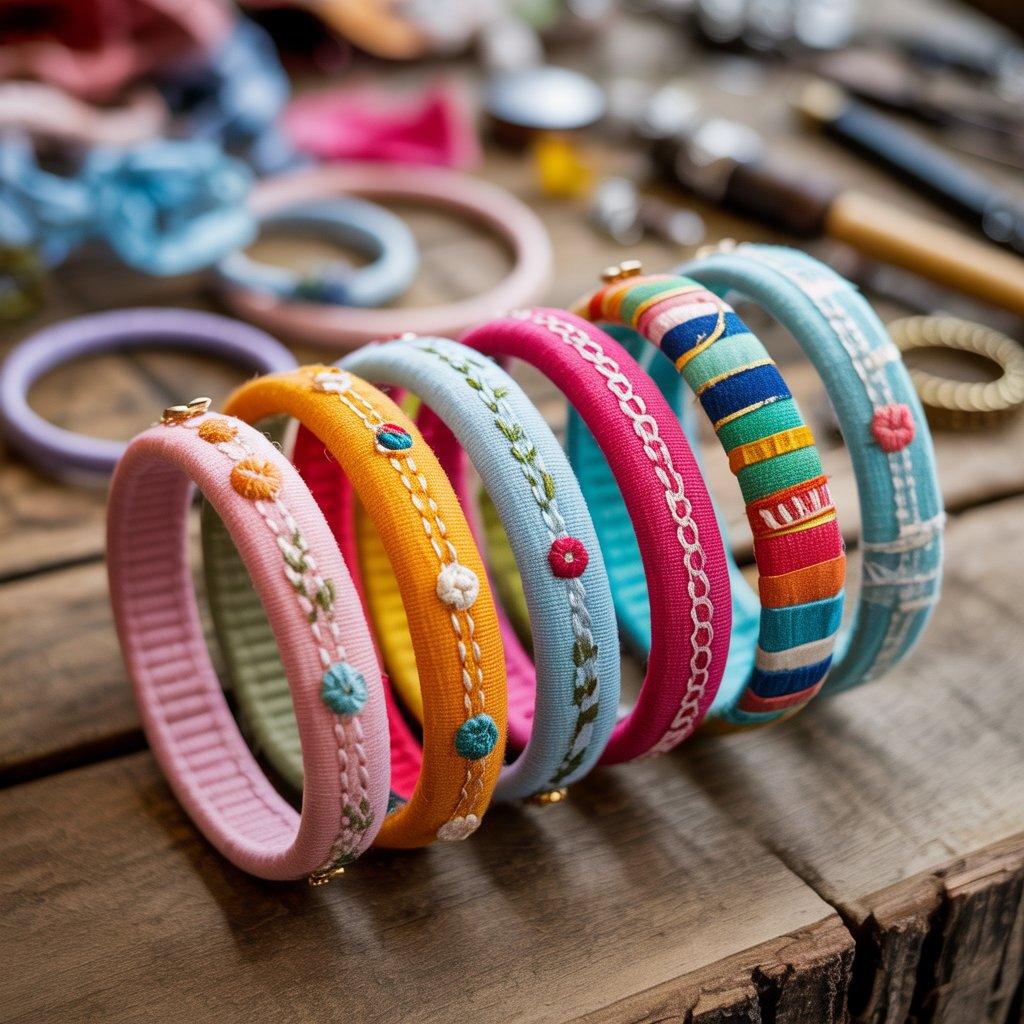
One of the best-selling eco-friendly jewelry items I’ve seen are fabric bangles. They’re lightweight, stylish, and completely handmade from recycled or leftover fabric scraps. People love them because they’re colorful, comfortable, and stand out compared to metal or plastic bangles.
I usually start by wrapping fabric strips around a lightweight base, like old wooden bangles, cardboard rings, or plastic hoops. Then I secure them with strong stitching or fabric glue, adding decorative touches like embroidery, beads, or small charms. Each bangle comes out unique, which is part of the appeal.
Some fun names I’ve used to make sets more attractive to buyers:
- Sunrise Stripes – bright multi-colored stripes
- Forest Whisper – earth tones with tiny leaf embroidery
- Ocean Breeze – blues and greens with subtle shimmer
- Boho Chic – mixed patterns with fringe or tassels
- Vintage Bloom – floral fabrics with muted tones
Selling them in sets of 3–5 usually works best because customers like to mix and match. They’re small, easy to ship, and perfect for eco-conscious shoppers who want handmade, one-of-a-kind accessories.
Reusable Makeup Remover Pads
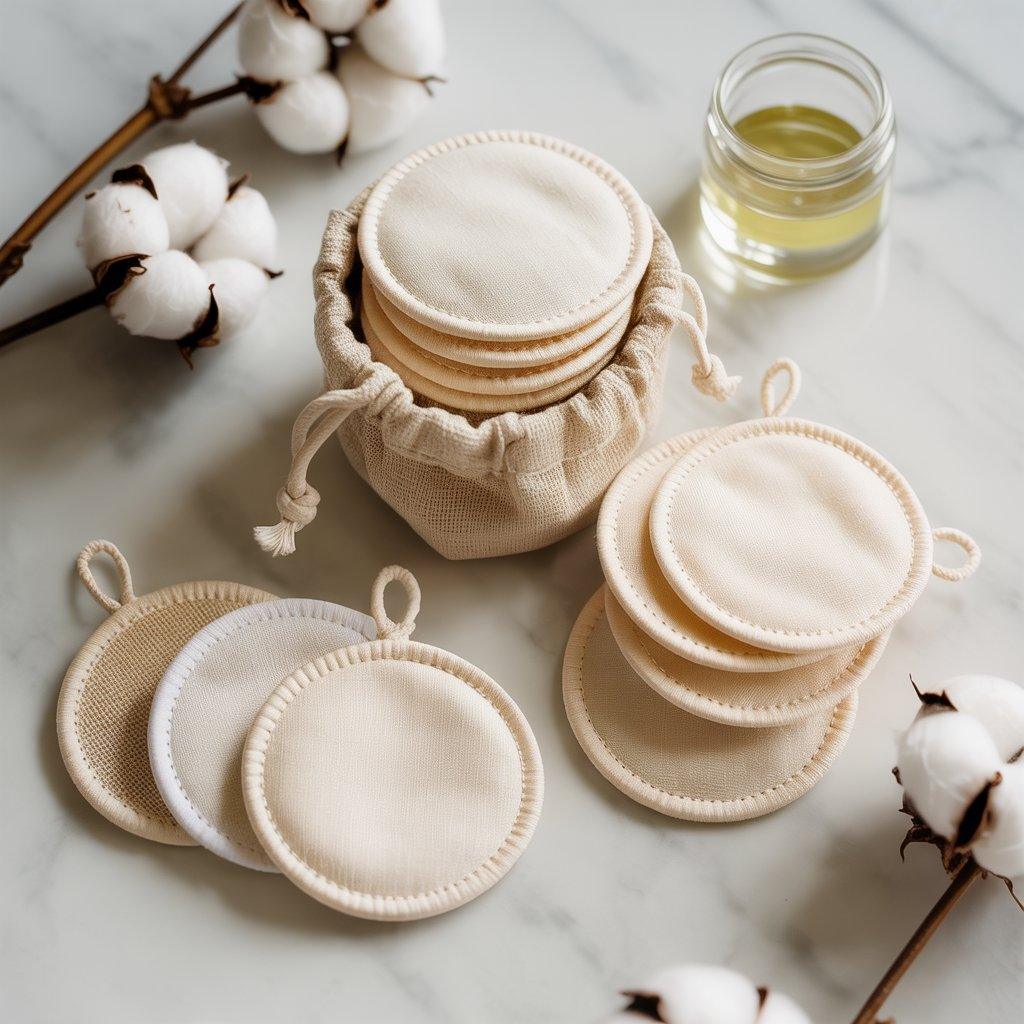
One small item that surprised me with steady demand is reusable makeup remover pads. At first, I didn’t think something this simple would sell much, but it turns out many people are trying to replace disposable cotton pads with washable ones.
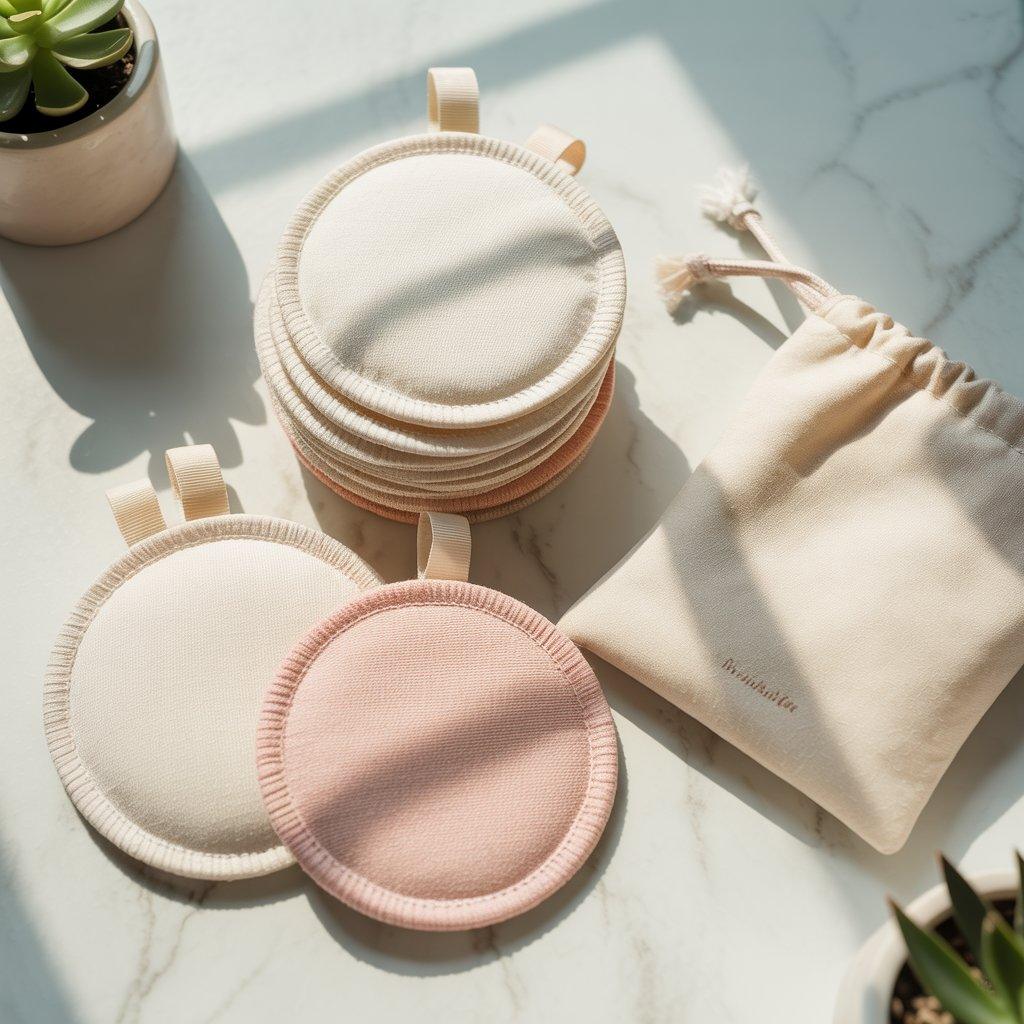
I usually make them using soft cotton flannel or bamboo fabric because it feels gentle on the skin. The shape can be round or square, and they only take a few minutes to sew. A simple two-layer pad with neat stitching around the edges works perfectly. Some people also like a small loop so they can hang the pads to dry after washing.
What really helps is selling them in sets. Most customers prefer a bundle of 10 to 15 pads so they can use them throughout the week before washing. Packaging them in a small drawstring pouch made from scrap fabric also adds value.
People like these pads because they reduce waste and save money over time. Instead of throwing away cotton rounds every day, they just wash and reuse them.
Reusable Bowl Covers
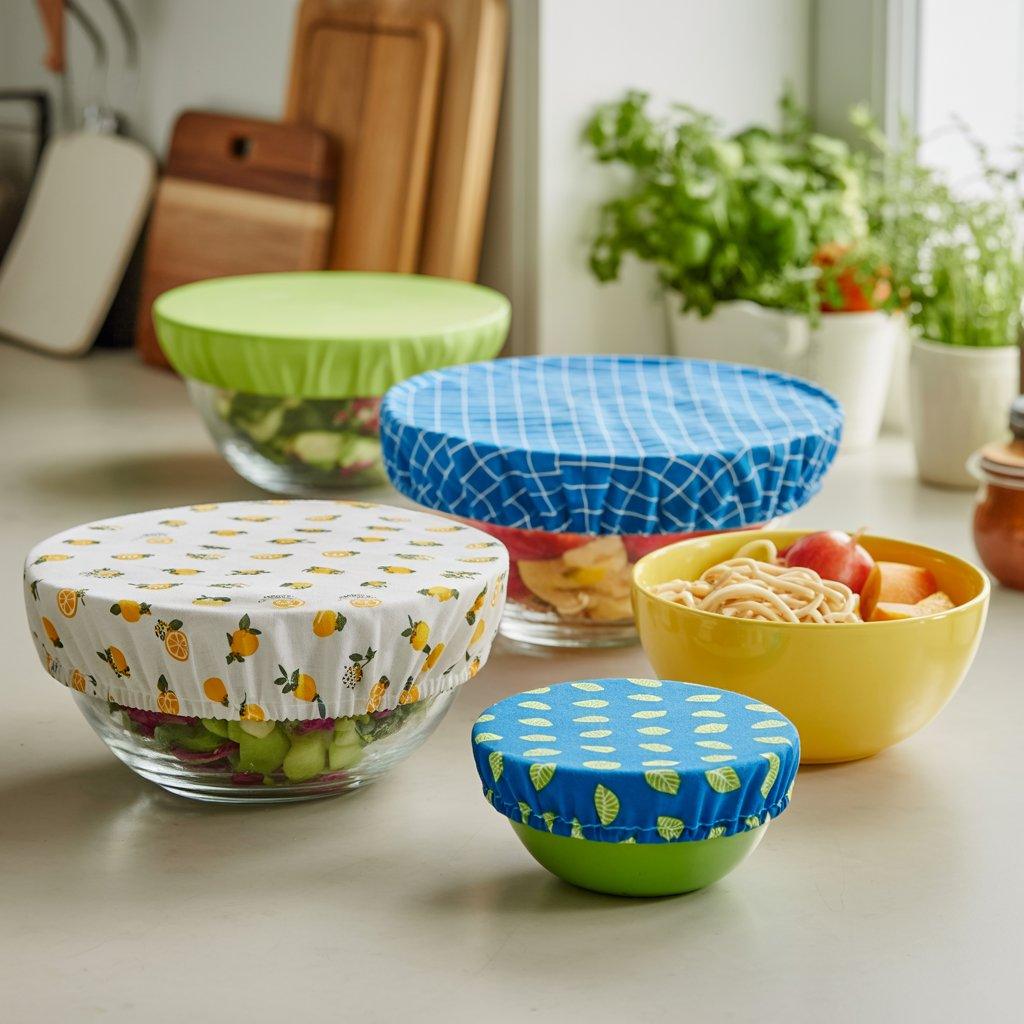
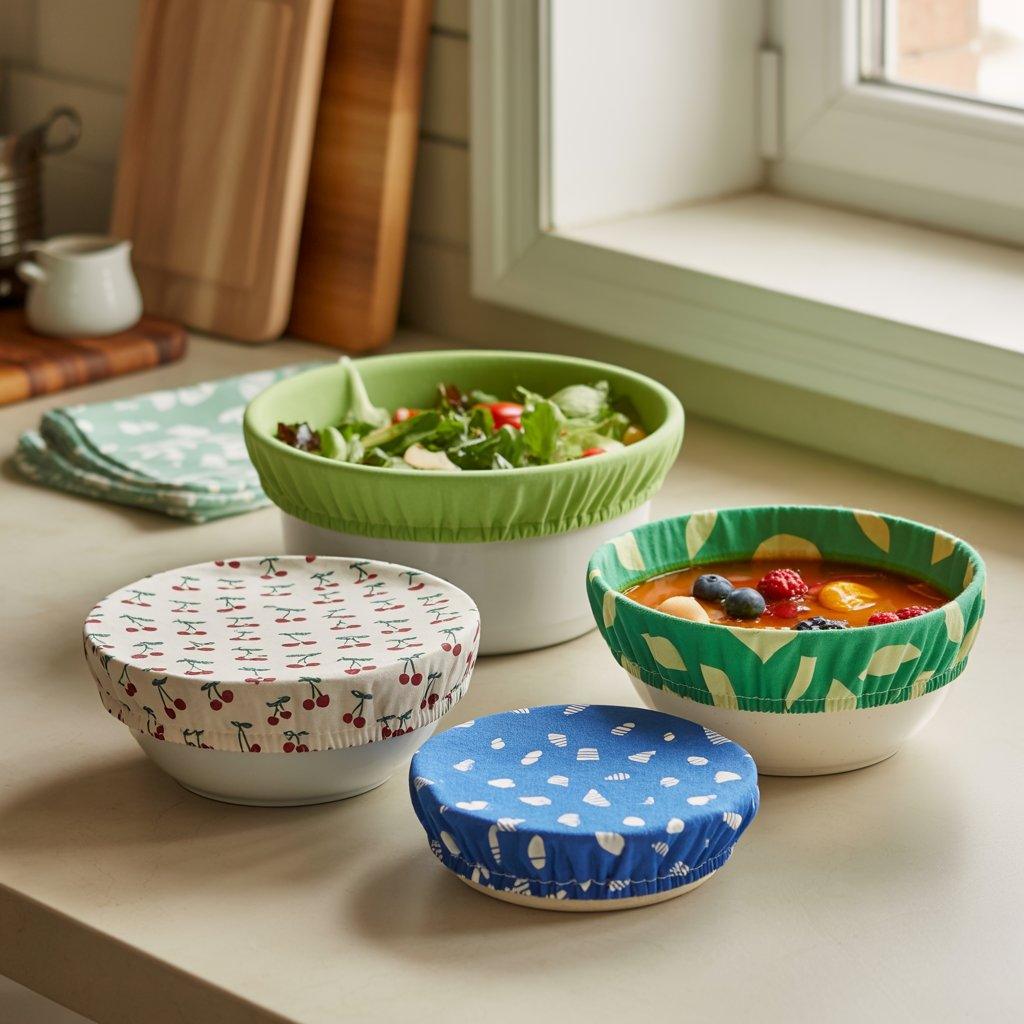
Reusable bowl covers are another eco friendly sewing project that people find very practical. Instead of using plastic wrap or foil, these fabric covers stretch over bowls to keep food fresh in the fridge.
I usually sew them using cotton fabric on the outside and a food-safe lining on the inside. Elastic around the edges allows the cover to stretch over different bowl sizes. The sewing process is straightforward, and once you get the pattern right, you can make several in one sitting.
What customers like most is the convenience. They can cover leftovers quickly without reaching for disposable plastic wrap. After use, the cover can be wiped clean or thrown into the washing machine.
Selling them in different sizes works well. A small cover for soup bowls, medium for mixing bowls, and larger ones for salad bowls. Many buyers choose a full set because it replaces several disposable kitchen products at once.
Reusable Coffee Cup Sleeves
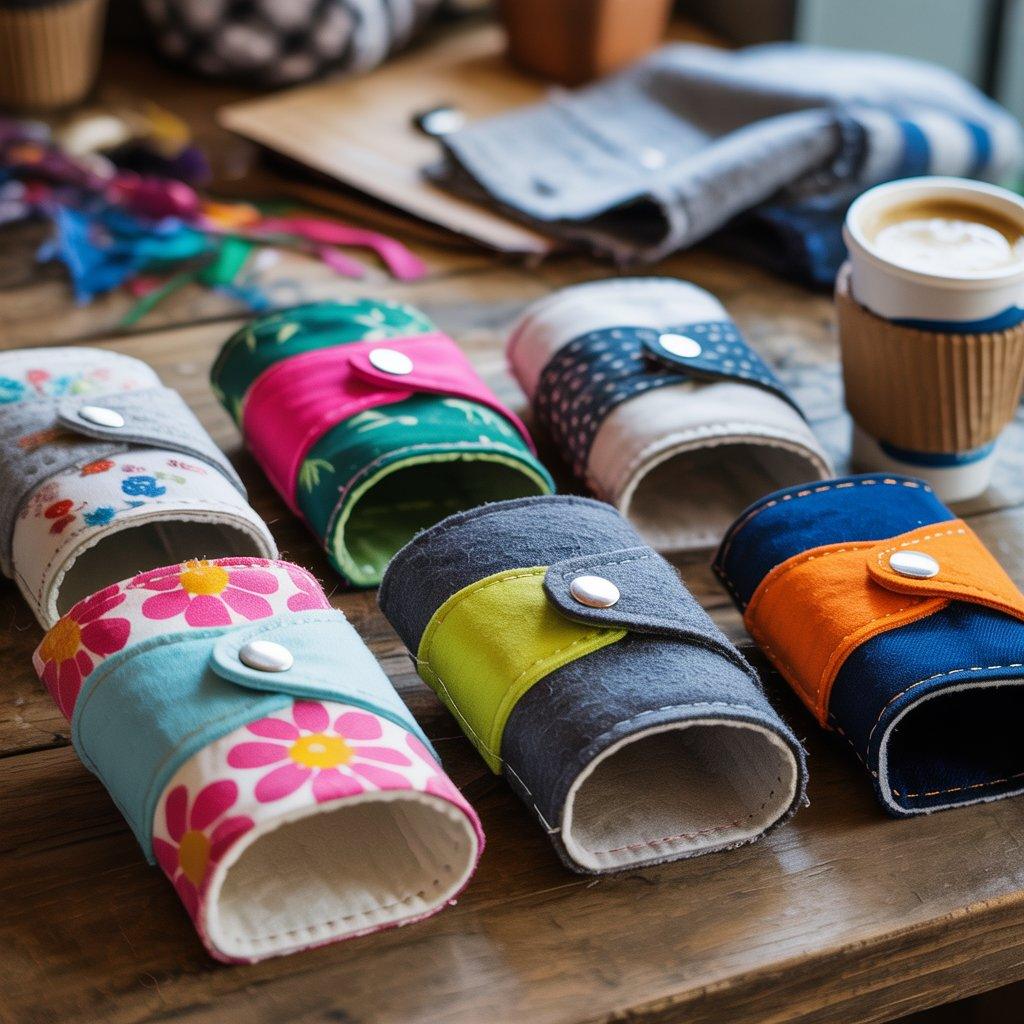
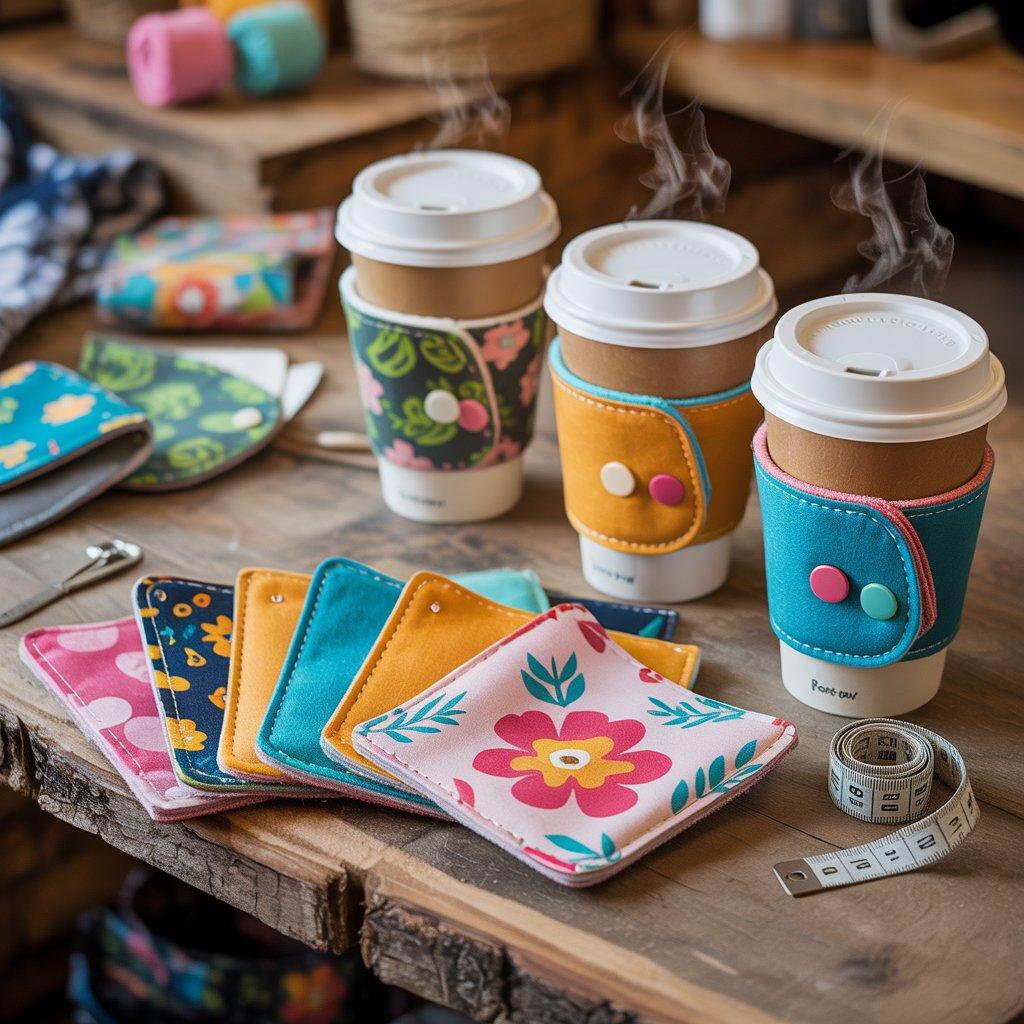
Reusable coffee cup sleeves are small projects, but they can be surprisingly popular. They wrap around takeaway coffee cups and protect your hands from heat while replacing disposable cardboard sleeves.
I usually sew these with two layers of fabric. The outside can be cotton with fun patterns, while the inside layer is thicker material like felt or insulated batting. This helps keep the heat from reaching your hand while also making the sleeve more durable.
The design is simple just a curved piece of fabric with a snap or button closure. Because they’re small, they’re great for using leftover fabric scraps that might otherwise go to waste.
Coffee drinkers like these because they can carry one in their bag and use it every day. Many people also buy them as small gifts or stocking stuffers. Offering different prints and colors helps attract buyers who want something that matches their personal style.
Reusable Sandwich Wraps
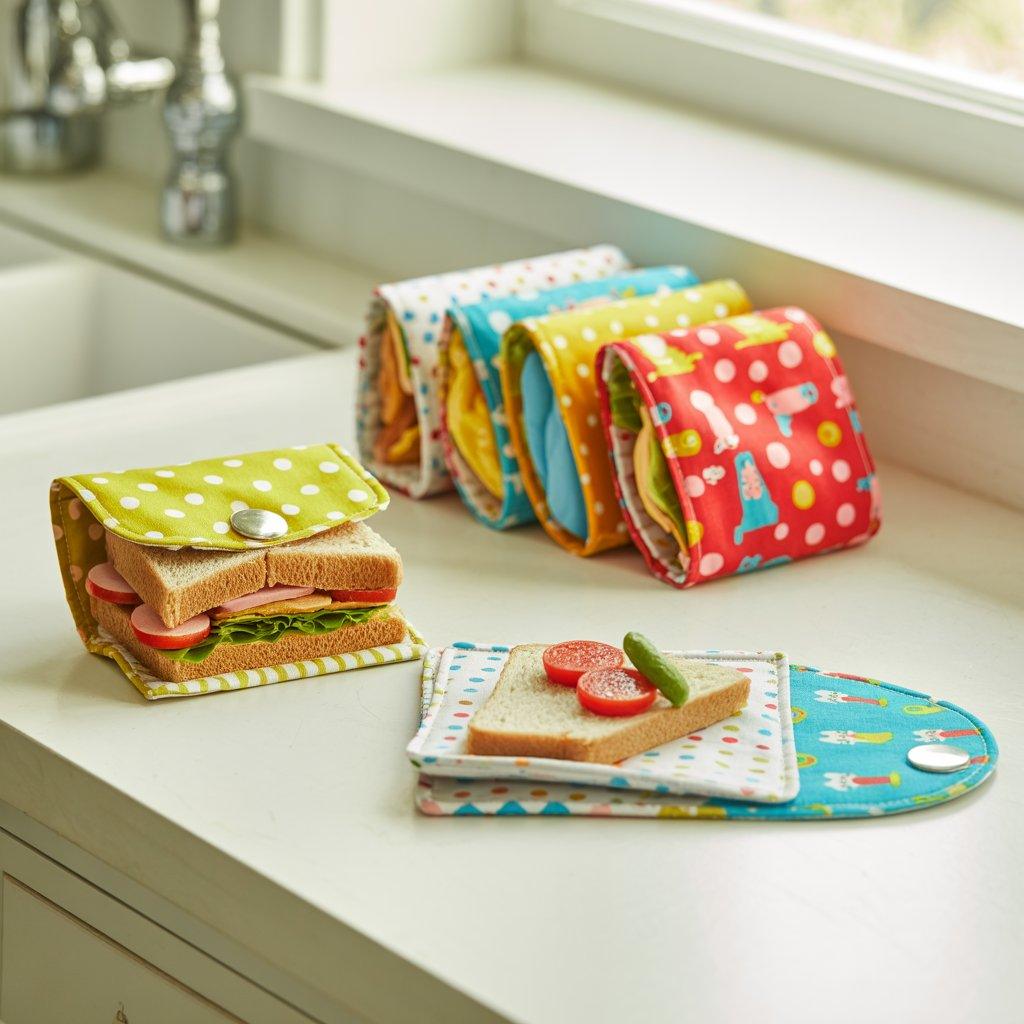
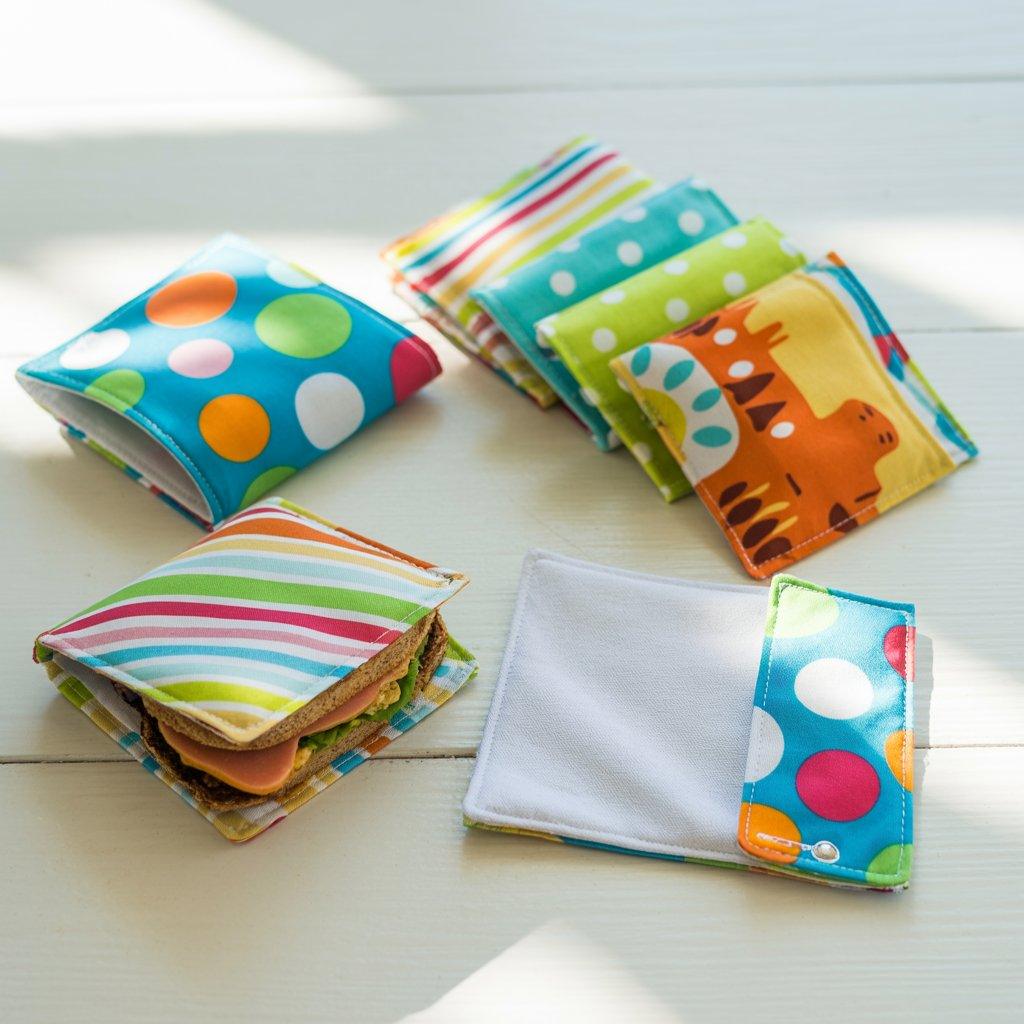
Reusable sandwich wraps are one of those items that look simple but solve a real problem. Many families use plastic wrap or disposable sandwich bags every day, especially for school lunches. A washable fabric wrap gives them a cleaner option that they can use again and again.
I usually make these using cotton fabric on the outside and a food-safe lining on the inside. The wrap folds around a sandwich and closes with Velcro or snaps. When it’s opened flat, it also works like a small placemat for kids to eat on. That small feature actually makes a big difference for parents packing lunches.
The sewing itself is fairly easy once you create a simple square pattern. The key is to use strong stitching so it holds up to regular washing. Bright patterns and fun prints tend to sell well because parents like items that feel cheerful in a lunch box.
Most people buy more than one wrap, so offering them in sets can increase sales.
Cloth Napkins
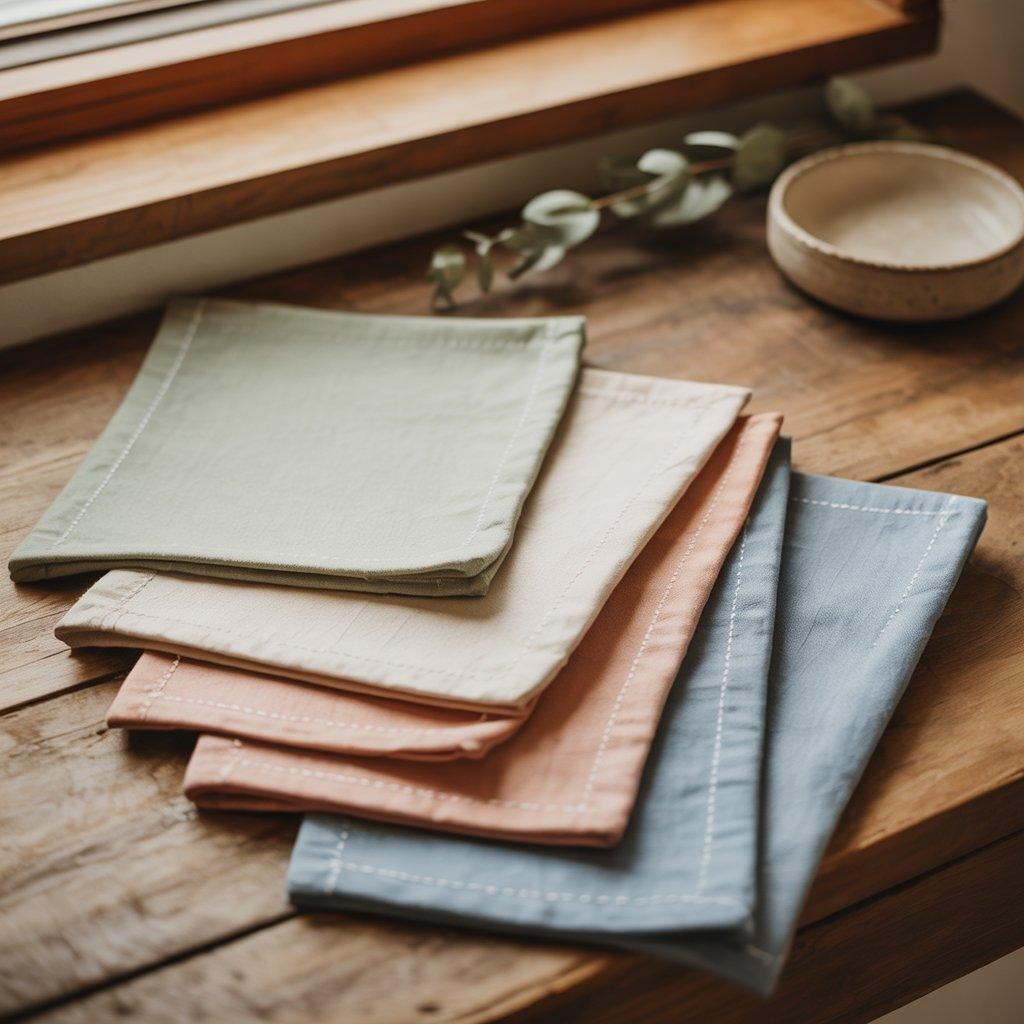
Cloth napkins are one of the oldest reusable household items, and they’re making a quiet comeback. Many people want to reduce paper waste at home, and washable napkins are an easy step in that direction.
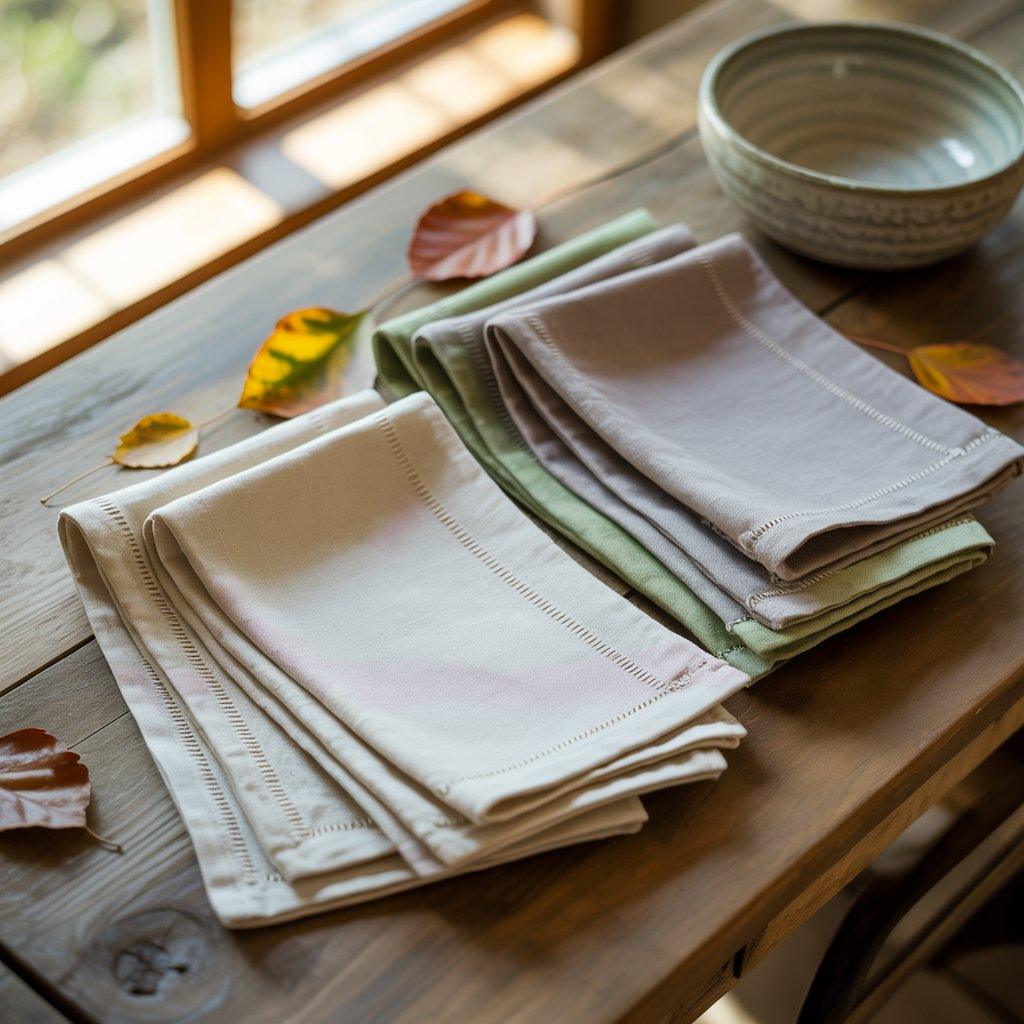
I like making them with cotton or linen because those fabrics hold up well after many washes. The design can stay very simple: a square piece of fabric with neatly folded edges. Sometimes I add decorative stitching or mix coordinating fabrics to make a small set.
What helps these sell is presentation. People often buy cloth napkins in sets of four or six for family meals. Neutral colors work well for everyday use, while seasonal prints are popular during holidays.
The nice thing about this project is that it’s beginner-friendly. Once you get a clean hem, you can produce several napkins in a short time. Customers appreciate them because they reduce paper towel use and add a simple, natural touch to the table.
Fabric Grocery Bags
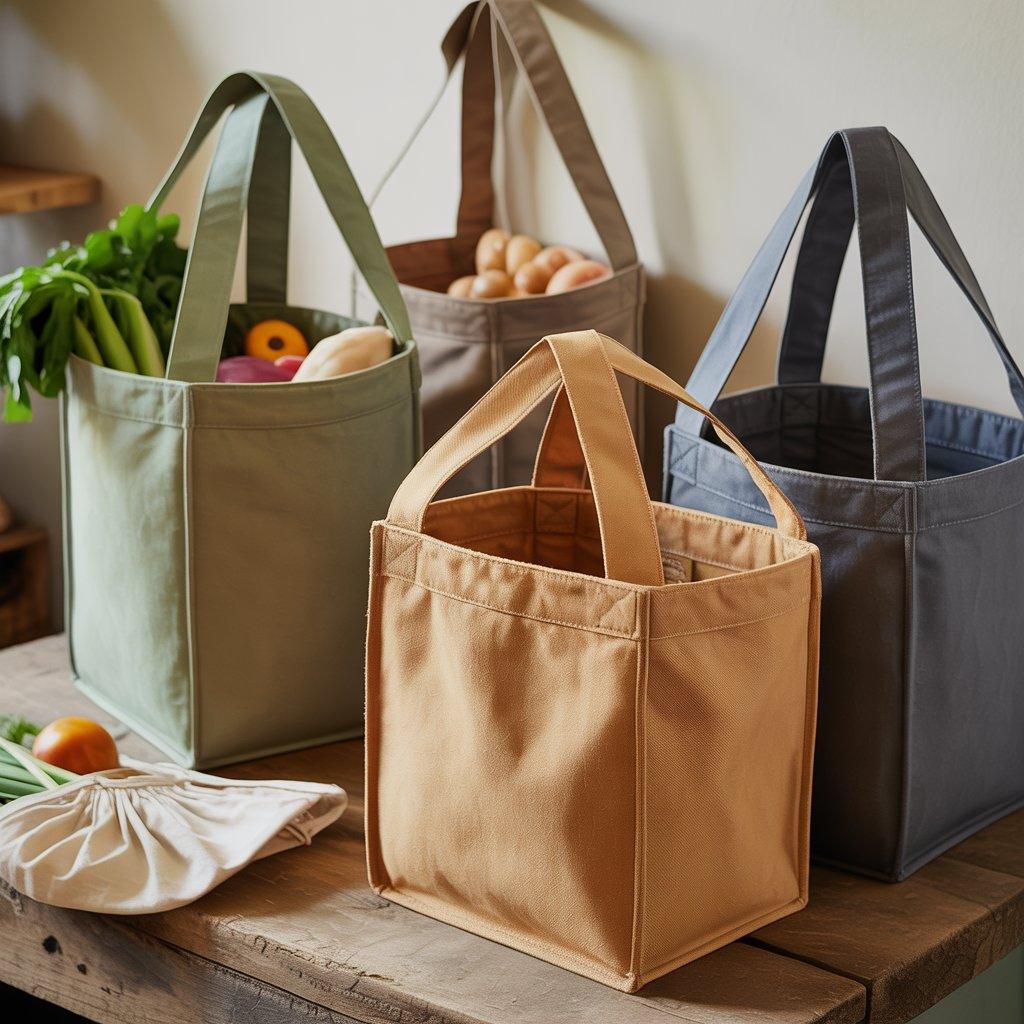
Reusable fabric grocery bags are probably one of the most recognizable eco friendly products people use today. Many stores now encourage shoppers to bring their own bags, which creates steady demand for well-made cloth versions.
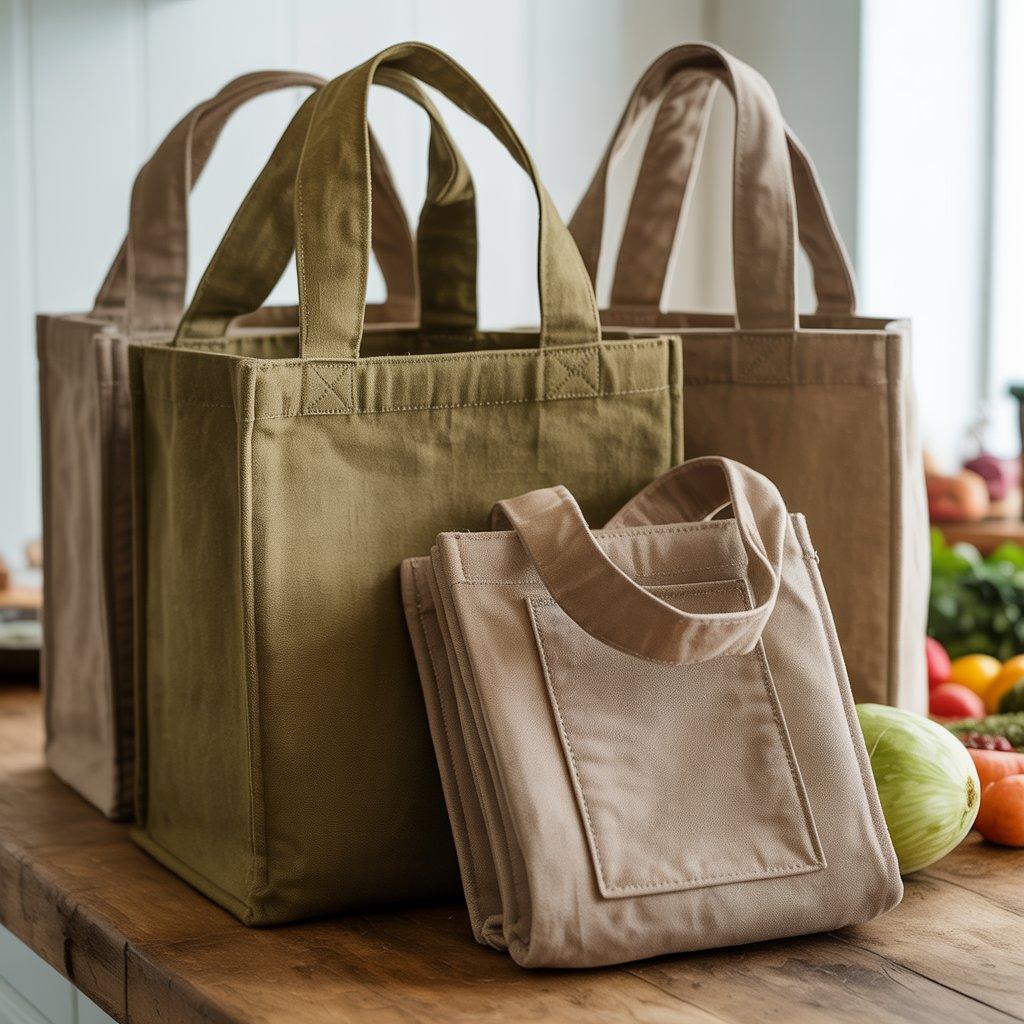
When I sew these, I focus on durability. Thick cotton canvas or heavy cotton works well because it can carry groceries without tearing. Strong handles and reinforced seams are important too, since people often load them with heavy items.
A simple design works best: a deep rectangular bag with wide straps that can fit comfortably over the shoulder. Some makers also add a small interior pocket so the bag can fold into itself for easy storage.
Customers often buy several bags at once because they keep them in the car or near the door before heading to the store. Many people also prefer handmade bags because they tend to last longer than thin store-bought versions.
Reusable Mop Pads
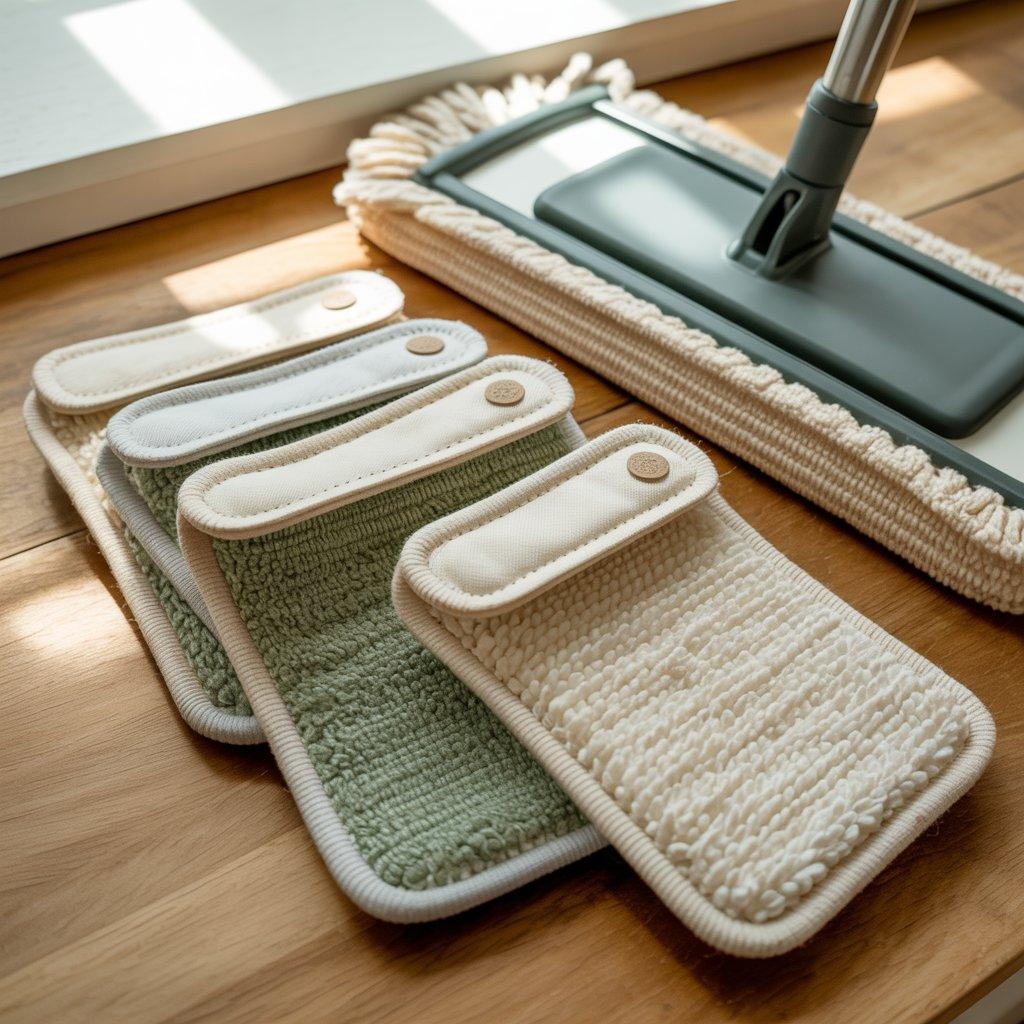
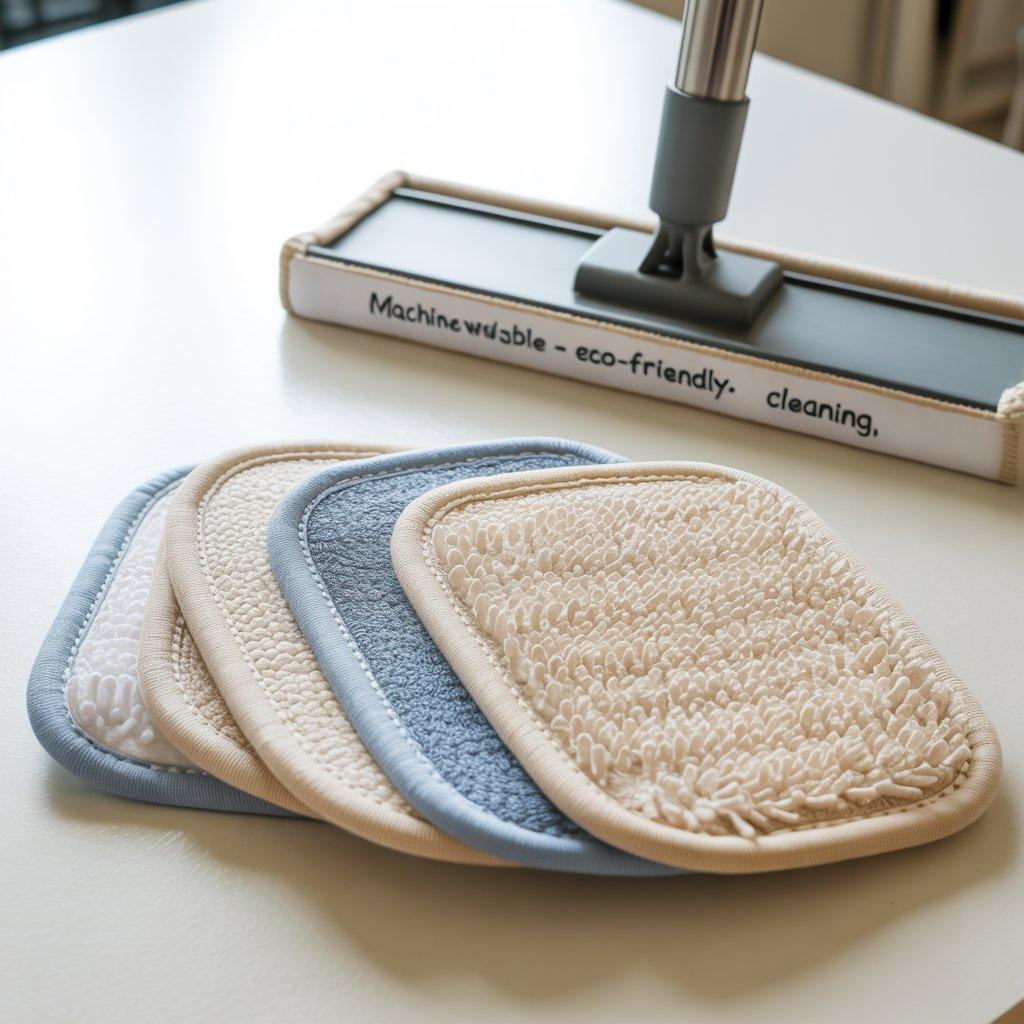
One sewing project that turned out to be more useful than I expected was reusable mop pads. Many homes use flat mops that come with disposable cleaning pads. The problem is those pads get thrown away after a few uses. A washable fabric version solves that issue and saves money over time.
I usually make these using a combination of absorbent materials like cotton terry cloth or microfiber. The top layer can be cotton fabric with Velcro strips so the pad attaches easily to the mop head. The shape just needs to match the size of common flat mops, so once you create one pattern, it’s easy to repeat.
These pads are popular because people like cleaning products that last longer and reduce waste. Customers often buy two or three at a time so they can rotate them while washing. If you sell them online, it helps to mention that they’re machine washable and designed for everyday cleaning. Simple, practical items like this tend to build repeat customers.
Fabric Gift Wrap (Furoshiki Style)
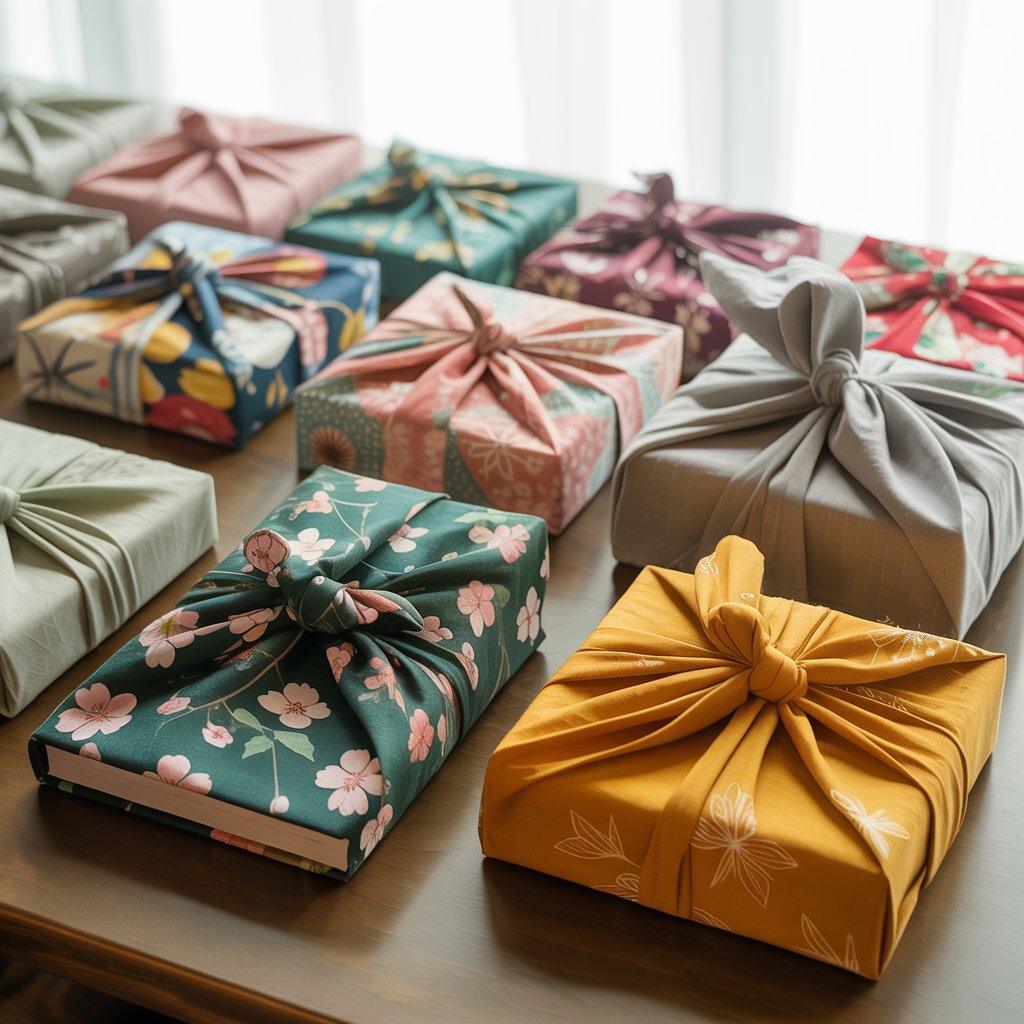
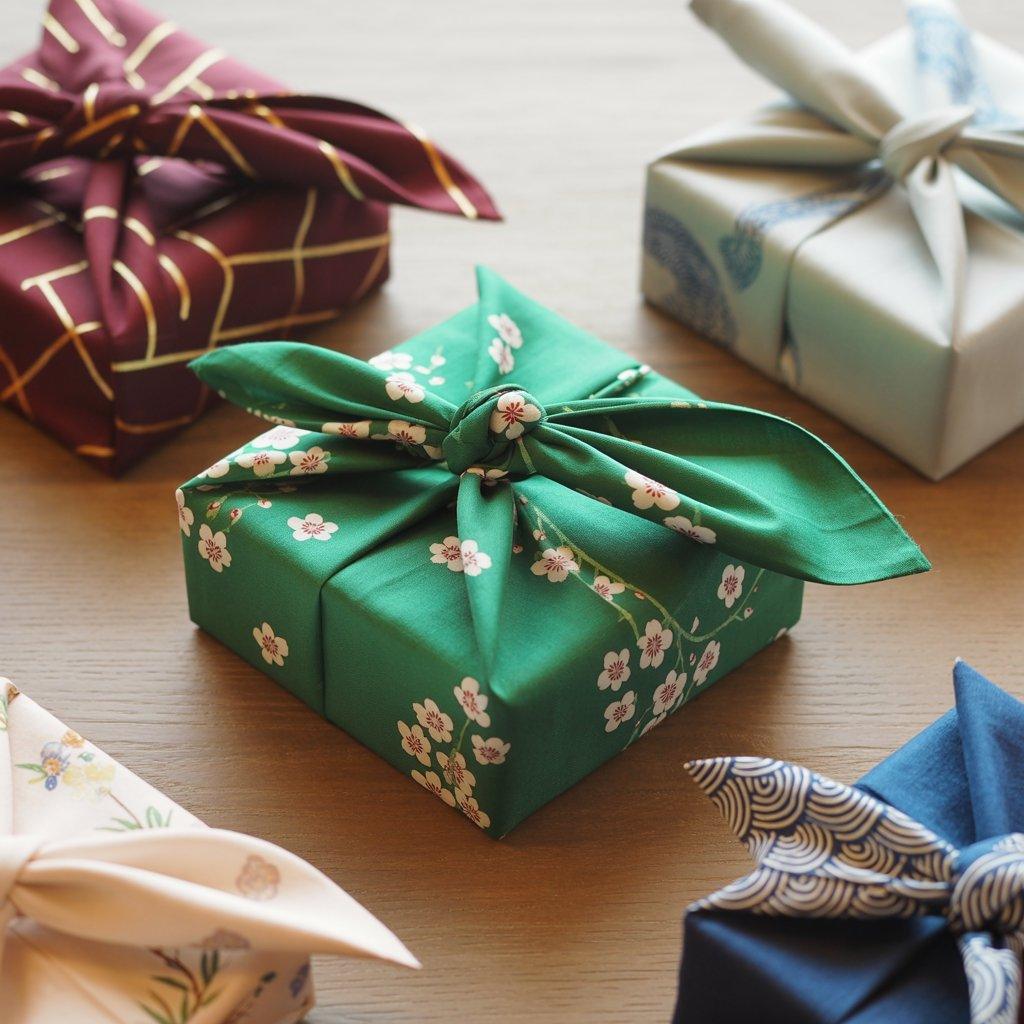
Fabric gift wrap is another eco friendly item that more people are starting to use. Instead of wrapping paper that gets torn and thrown away, these cloth wraps can be folded around a gift and reused many times.
The idea comes from a Japanese wrapping method often called furoshiki. You don’t need complicated sewing skills for this project. In most cases, it’s just a square piece of fabric with neatly finished edges. Cotton or lightweight linen works well because it folds easily around different shapes.
What makes this product appealing is the reusable aspect. People like the idea of giving a gift that also includes the wrap itself. Some buyers even collect different fabric designs and reuse them during birthdays and holidays.
Offering several sizes helps too. Smaller squares work for books or candles, while larger pieces can wrap clothing or boxed gifts. Bright patterns and seasonal prints often sell best during the holiday season.
Reusable Tea Bags
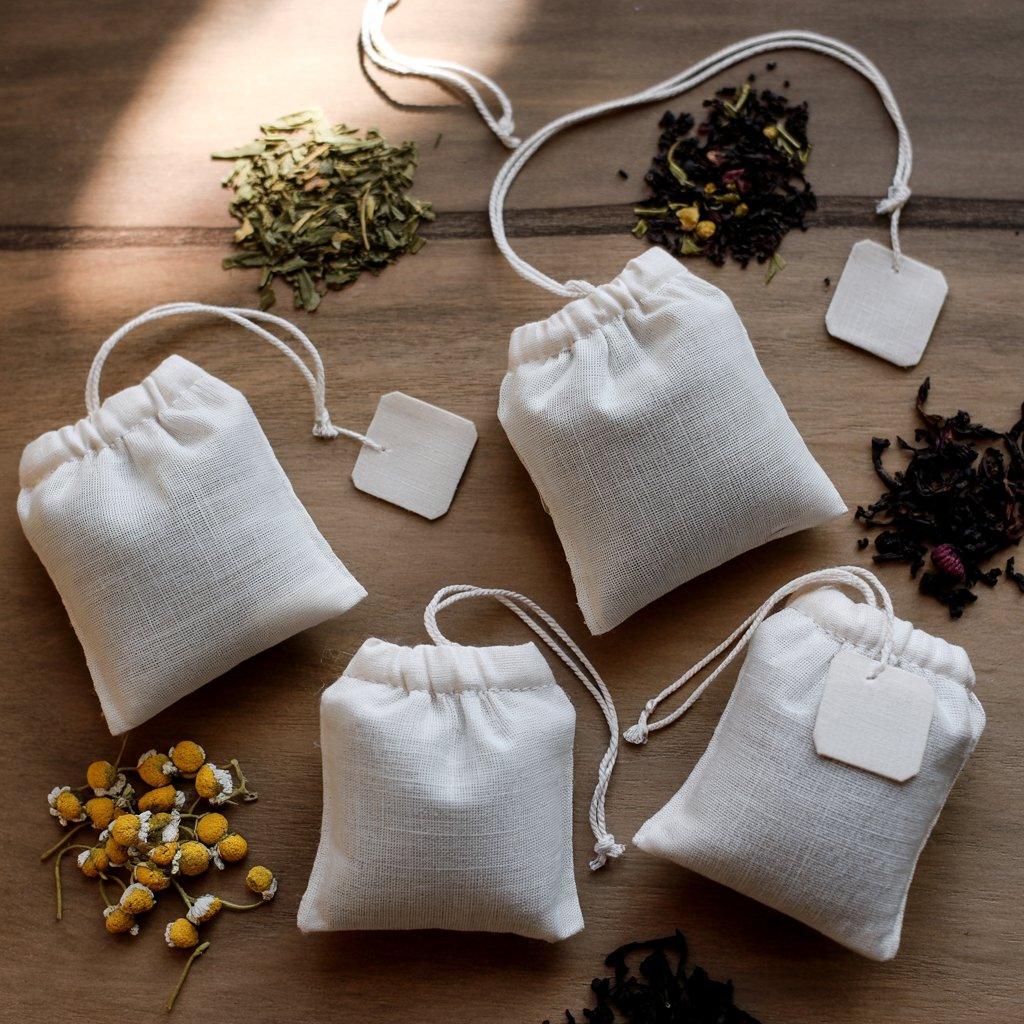
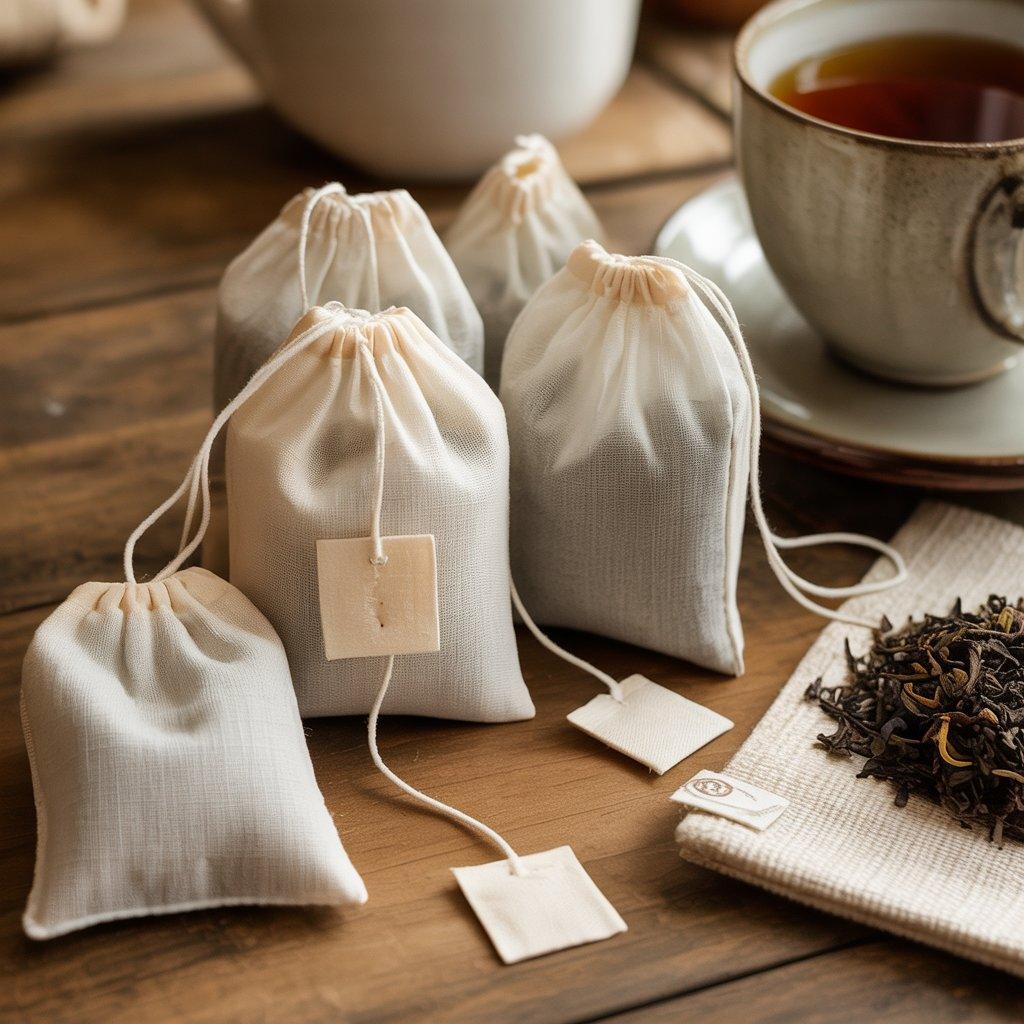
Reusable tea bags are a small sewing project, but they fill a real need for tea drinkers who prefer loose-leaf tea. Instead of buying disposable paper tea bags, these fabric versions can be filled with tea leaves and used again after washing.
I usually make them using fine cotton muslin because it allows water to flow through easily while keeping the tea leaves inside. The design is simple: a small pouch with a drawstring or stitched top edge. Some people also attach a small fabric tag so it’s easy to pull the bag out of a cup or teapot.
Even though they’re small, these bags are practical and easy to sell in sets. Many customers like to buy several at once so they can brew different teas throughout the day. Packaging them with a small storage pouch also makes them feel like a thoughtful gift.
They’re quick to make and require very little fabric, which keeps production costs low.
Reusable Bread Bags
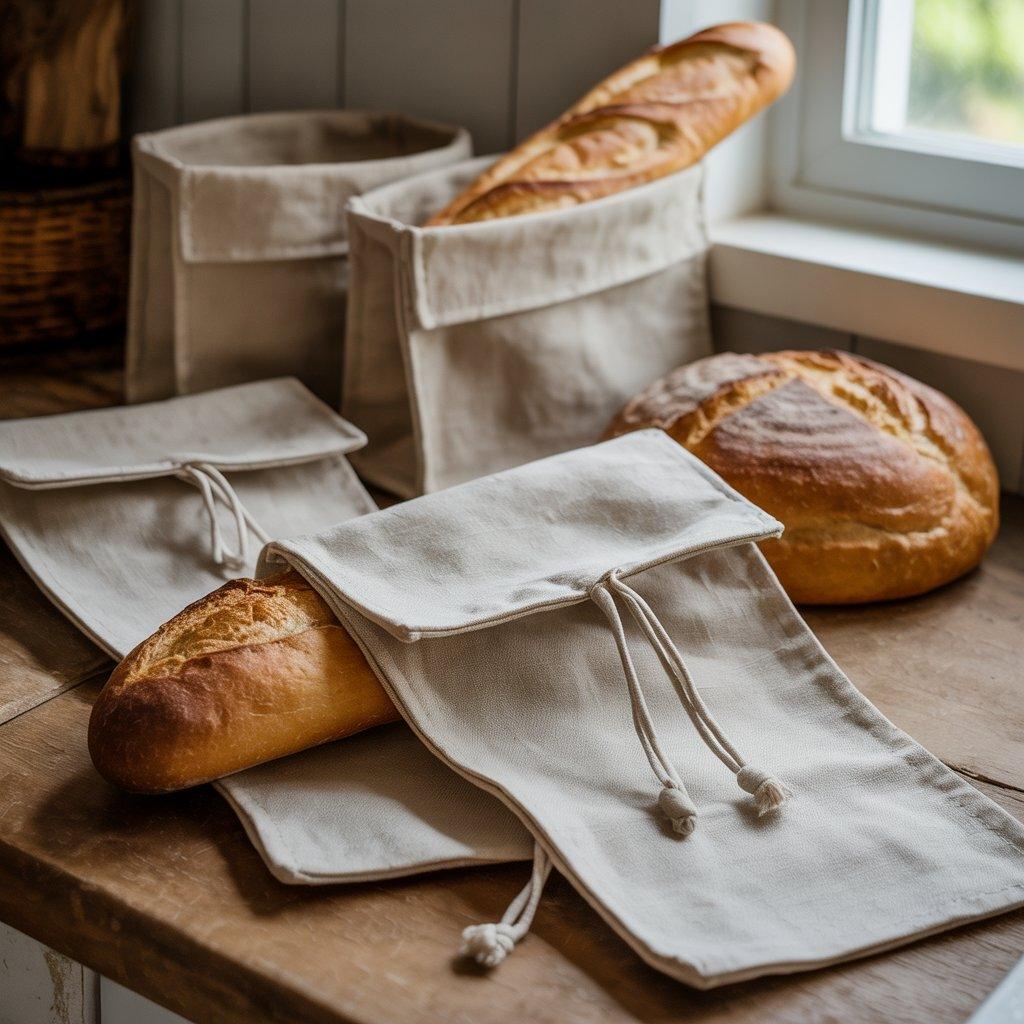
Reusable bread bags are becoming popular with people who bake their own bread or buy from local bakeries. Instead of using plastic bags, these fabric bags keep bread protected while allowing a little airflow.
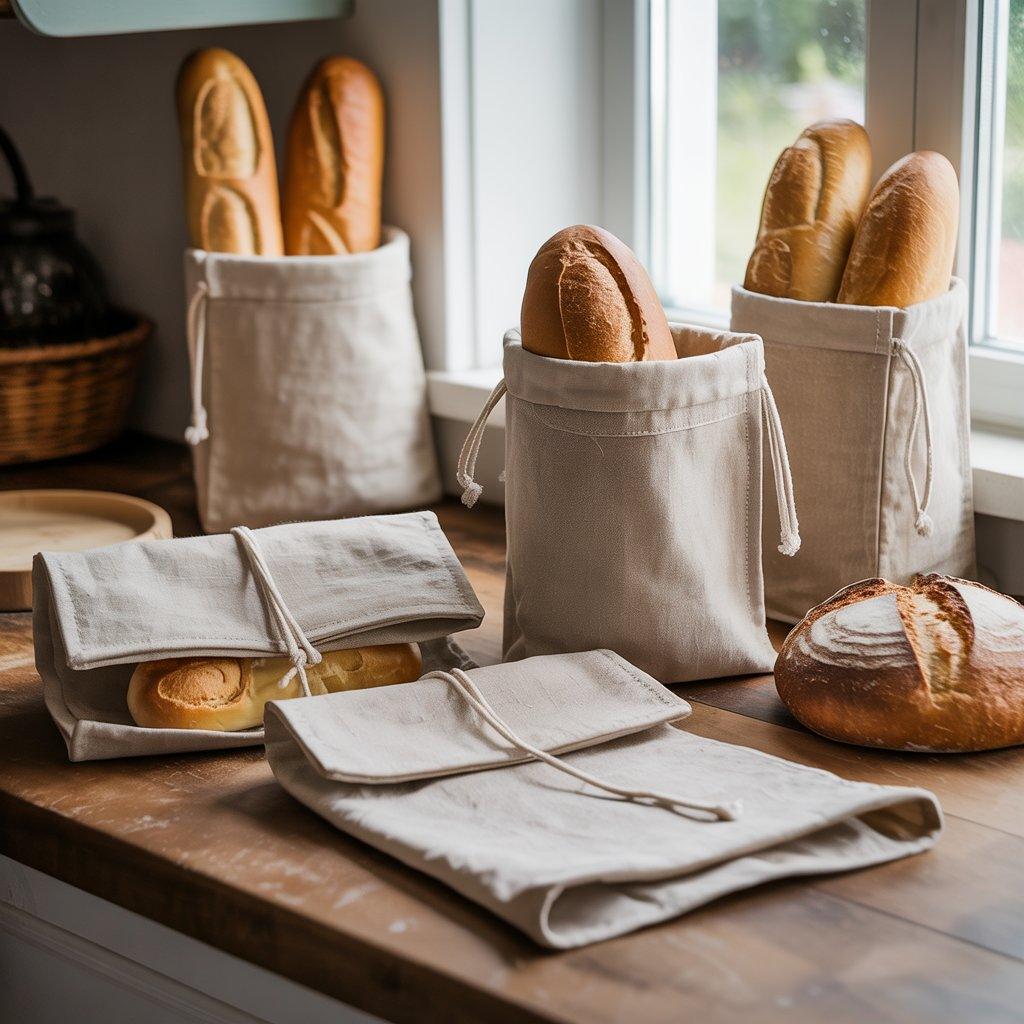
When I make them, I usually choose thicker cotton or linen because those fabrics help maintain freshness without trapping too much moisture. The design is fairly simple: a long rectangular bag with a fold-over flap or drawstring closure. The size works well for homemade loaves or baguettes.
Customers often like these because they fit into a more natural kitchen routine. Many people who bake bread already prefer sustainable kitchen tools, so a reusable bag fits that mindset.
What helps sales is offering neutral colors or rustic-style fabrics that match a farmhouse or simple kitchen look. Bread bags also make thoughtful gifts for anyone who enjoys baking, which means people often buy them for friends or family.
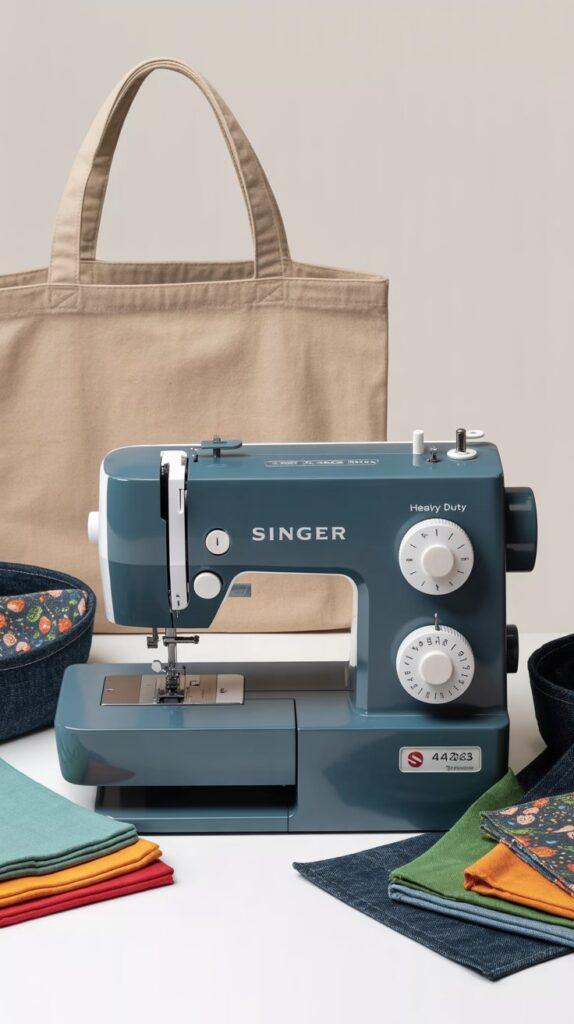
Heavy Duty 4423 Sewing Machine Is a Reliable Choice for Sewing Eco-Friendly Products
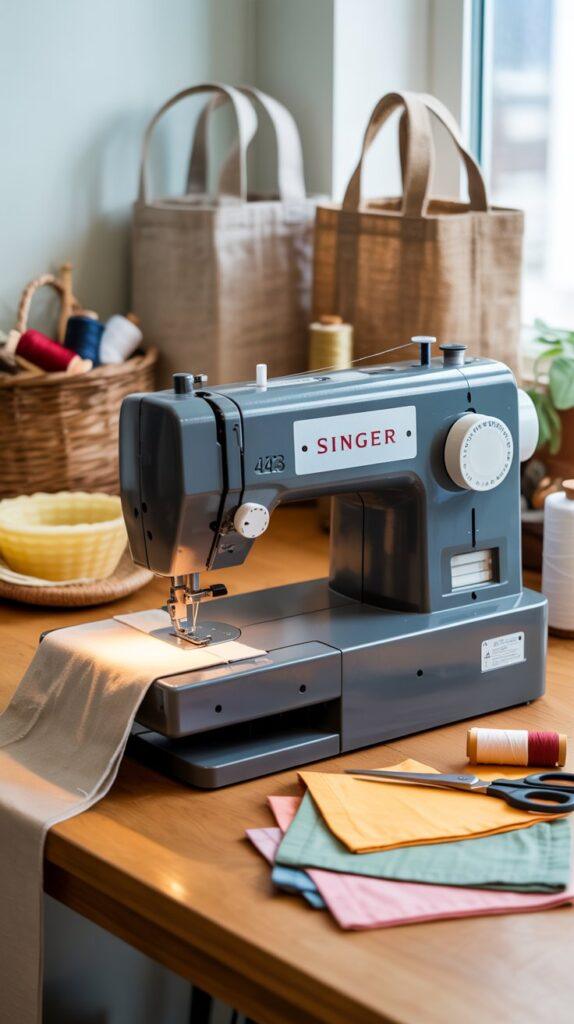
If you plan to sew items like reusable grocery bags, cloth napkins, or bowl covers, you need a sewing machine that can handle thicker fabrics. Canvas, denim, and layered cotton can be hard on lighter machines, which is why many crafters choose a heavy-duty model.
The Singer Heavy Duty 4423 is often recommended because it has a strong motor and a metal frame that keeps the machine stable when sewing heavier materials. It can sew up to 1,100 stitches per minute, which helps when you’re making products in batches for selling.
Another reason people like it is the simplicity. The controls are easy to understand, even if you’re still learning how to sew. That means you spend more time making products and less time adjusting settings.
If you’re planning to sew eco-friendly items regularly, this type of machine can make the work much easier.
Check price on Amazon.com Singer Heavy Duty 4423
A Simple Tool That Makes Cutting Fabric Faster: Fiskars 45mm Rotary Cutter Set
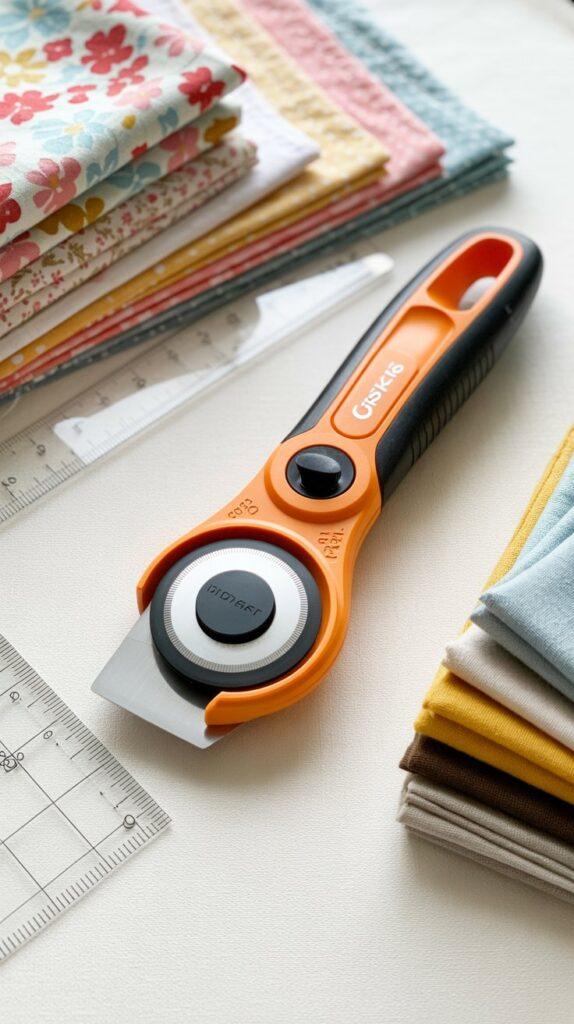
Cutting fabric is one of those tasks that takes longer than most people expect, especially when you’re making multiple items like reusable snack bags or cloth napkins. Scissors work, but they can slow you down when you’re cutting many pieces.
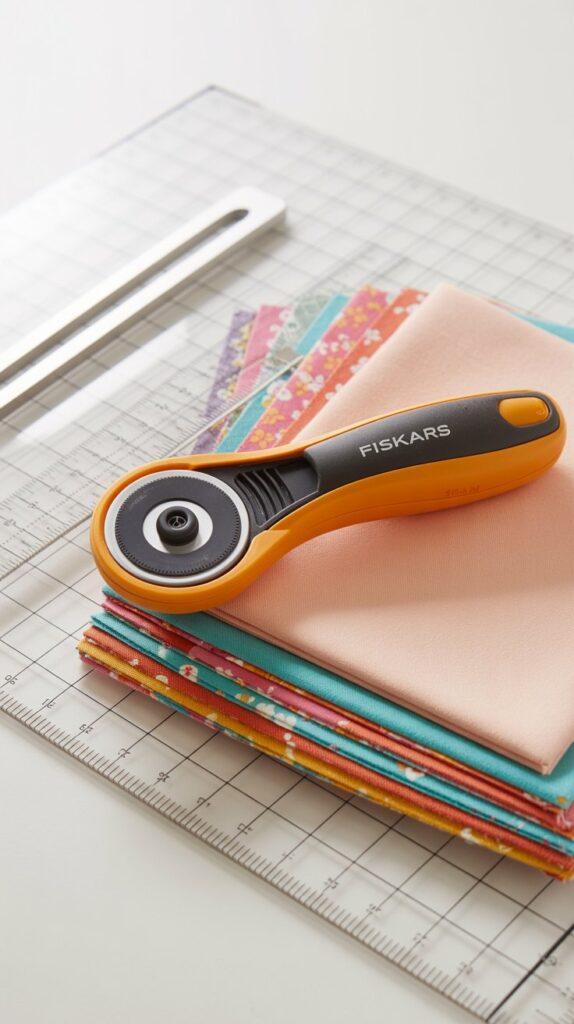
A rotary cutter makes the process much quicker and more precise. The Fiskars 45mm rotary cutter set is commonly used by quilters and sewing enthusiasts because it cuts through several layers of fabric in one pass.
What I like about rotary cutters is how clean the cuts are. When fabric edges are straight and even, sewing becomes easier and the final product looks more professional. This matters when you’re selling handmade items.
Most sets include a rotary cutter, ruler, and sometimes a cutting mat. Once you start using one, it’s hard to go back to scissors for larger projects.
Check price on Amazon.com Fiskars 45mm Rotary Cutter Set
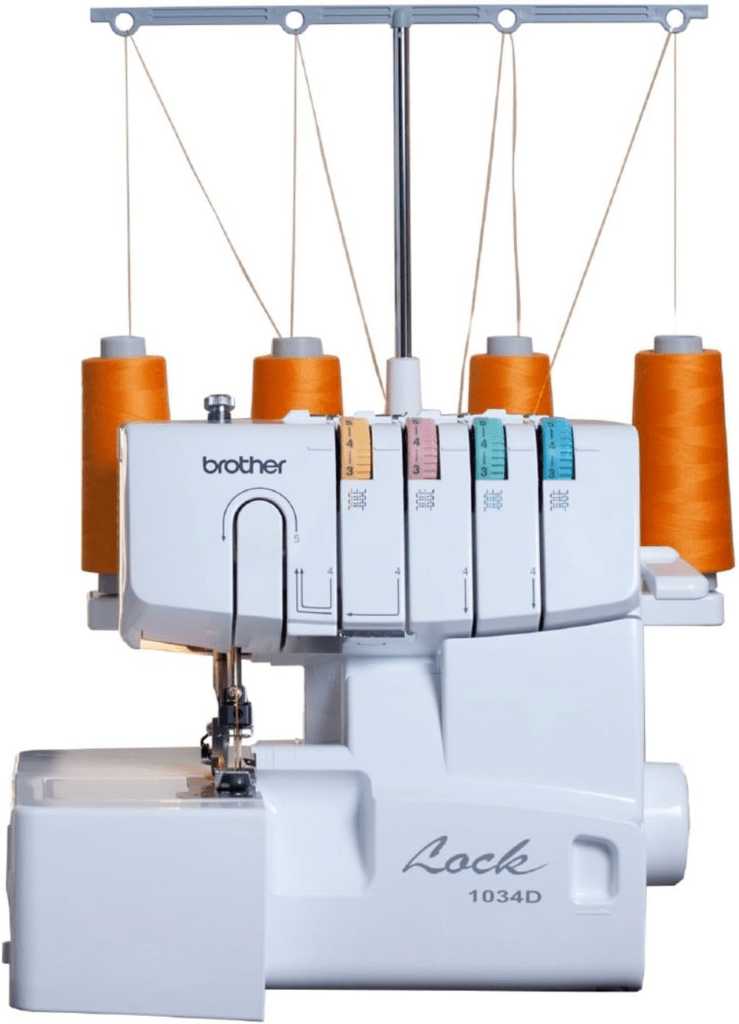
The Brother 1034D Serger for Clean, Professional Edges
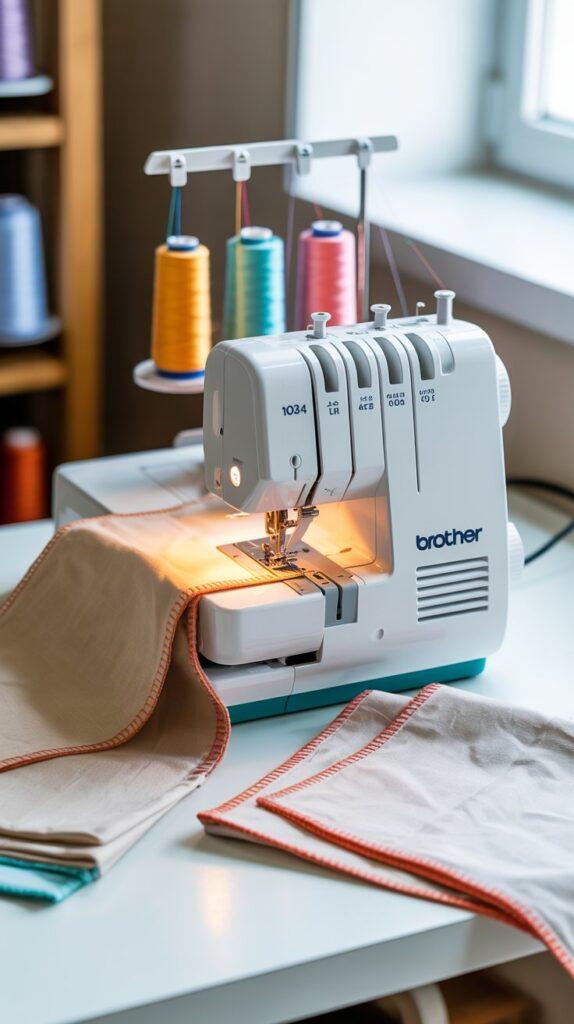
If you’ve ever looked at professionally made fabric products, you’ll notice the edges are neatly finished. That’s usually done with a serger machine, also called an overlock machine.
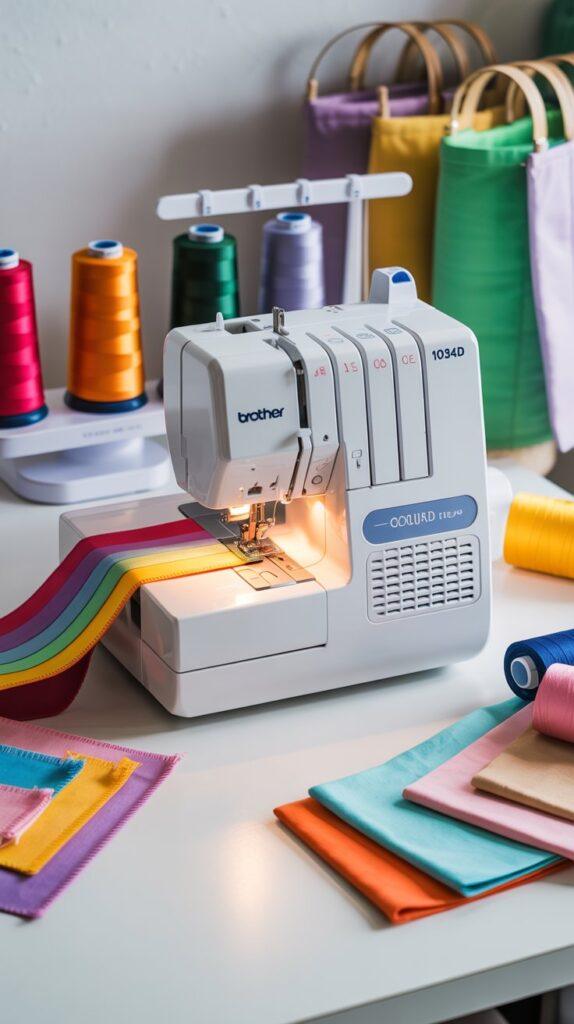
The Brother 1034D serger is a popular option because it trims fabric edges and stitches them at the same time. This creates strong seams that don’t fray after repeated washing. For eco-friendly items like reusable towels or grocery bags, that durability really matters.
Many people also use a serger to speed up production. Once you get used to it, finishing seams becomes much faster than using a regular sewing machine alone.
A serger isn’t always necessary when you’re starting out, but if you plan to sell handmade items regularly, it can help your products look more polished and last longer.
Check price on Amazon.com Brother Serger, 1034D, Heavy-Duty Metal Frame
Final Thoughts
If you like sewing, making eco-friendly items can be a practical way to earn a little extra income. Most of the projects we talked about are not difficult to make. Many start with simple fabric, an easy pattern, and some time at the sewing machine. The main thing is to focus on items people actually use, such as reusable kitchen products, grocery bags, or small everyday pieces. When something replaces a disposable product, people quickly understand why it’s worth buying.
Over time I’ve also learned that quality matters more than making a large number of items. Strong seams, durable fabric, and neat finishing it’s help your work stand out. When customers look that something is well made and built to last, they’re more likely to tell others about it or come back to buy again. Even small touches like tidy packaging or clear washing instructions can make a difference.
If you’re just starting try sewing a few different items and see what people respond to. Sometimes the product you expect the least ends up selling the most. You might find that snack bags move faster than cloth napkins, or that bowl covers are popular in your area. Infarct pay attention to what buyers ask for and adjust as you go.
In the end, sewing eco-friendly items is not only about making sales. It’s also about creating useful products that help people to cut down on waste in their daily lives. That’s something many be customers care about. If you keep practicing and improving your designs, this simple craft can slowly grow into a steady side income.
Related post: