
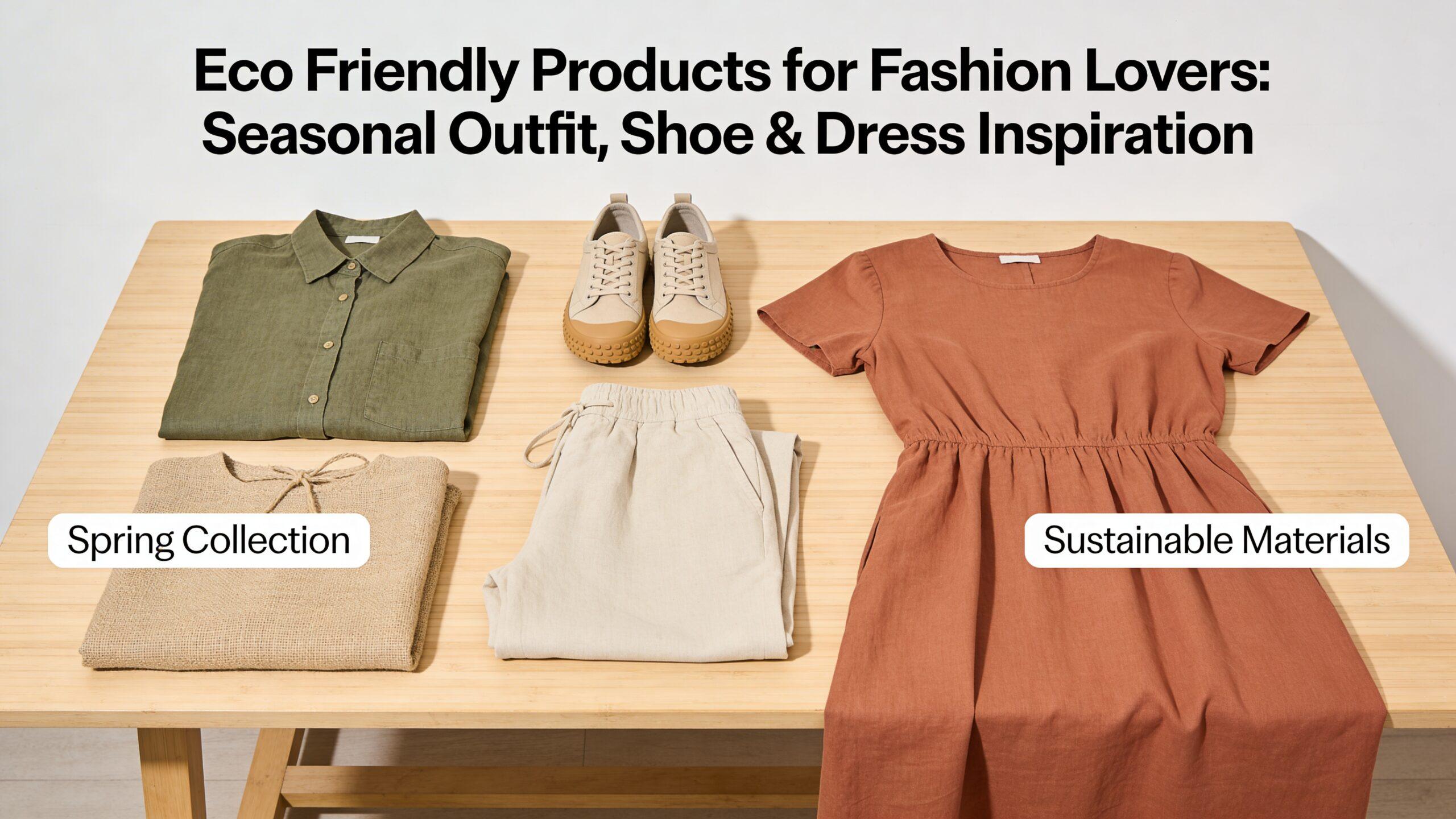
Seasonal Outfit, Shoe & Dress Inspiration
If you love fashion like I do, you probably enjoy putting outfits together for different seasons. But at some point, I started asking myself where my clothes were coming from, how long they would last, and whether I was buying just because something was trending. That’s when I began paying attention to eco friendly products for fashion lovers.
This doesn’t mean throwing away your wardrobe and starting over. It means making smarter choices. Choosing natural fabrics. Buying fewer but better pieces. Wearing what you already have in different ways.
What I’ve learned is that sustainable fashion can still feel stylish, modern, and personal. You just have to be more intentional. In this guide, I’ll walk you through seasonal outfit, shoe, and dress inspiration that actually works in real life. These are practical ideas you can apply slowly, without pressure.
1. Spring Outfit Inspiration: Light, Breathable, and Reusable
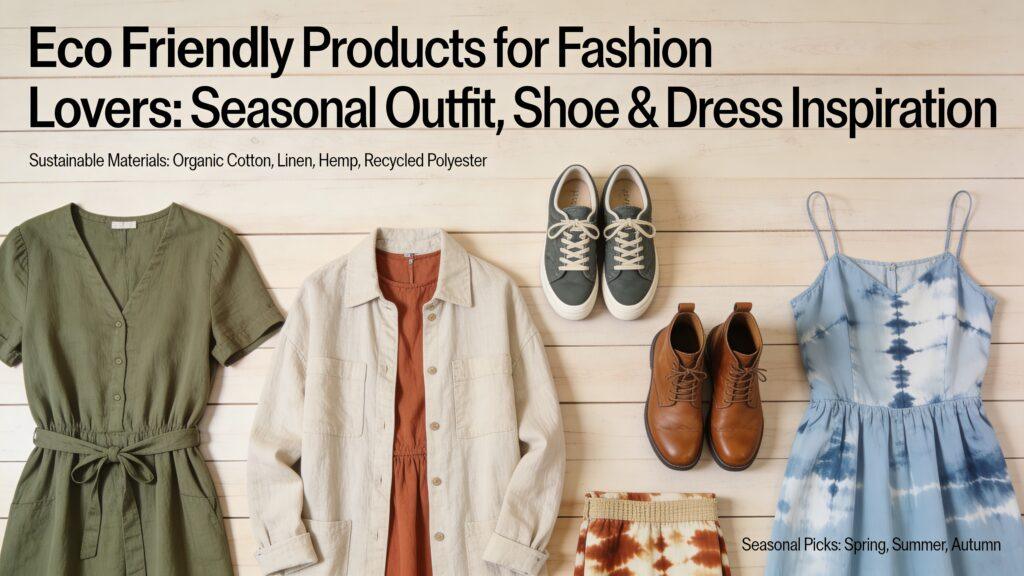
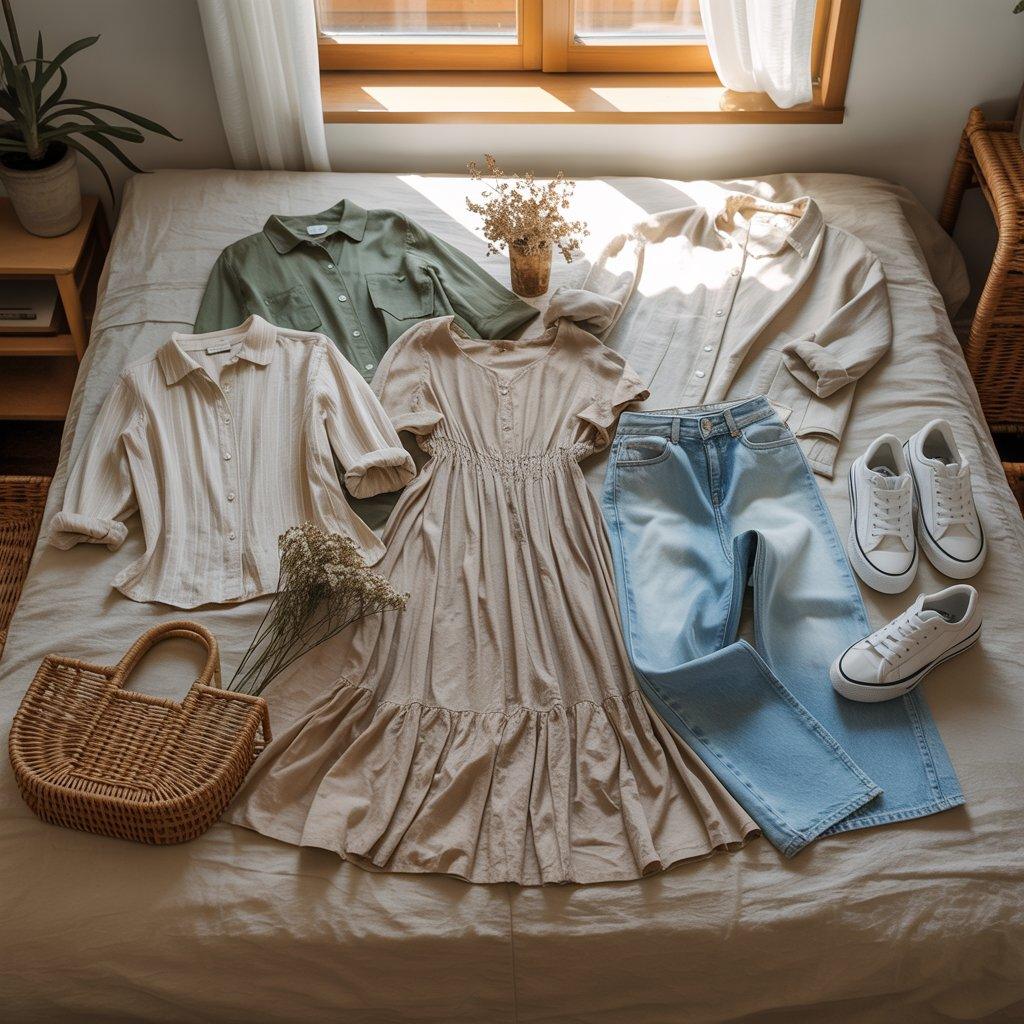
Spring is when I focus on light layers and soft fabrics. Organic cotton shirts, linen dresses, and lightweight jackets made from recycled materials are my go-to pieces. Brands like Patagonia and Eileen Fisher are known for transparency in sourcing and long-lasting quality.
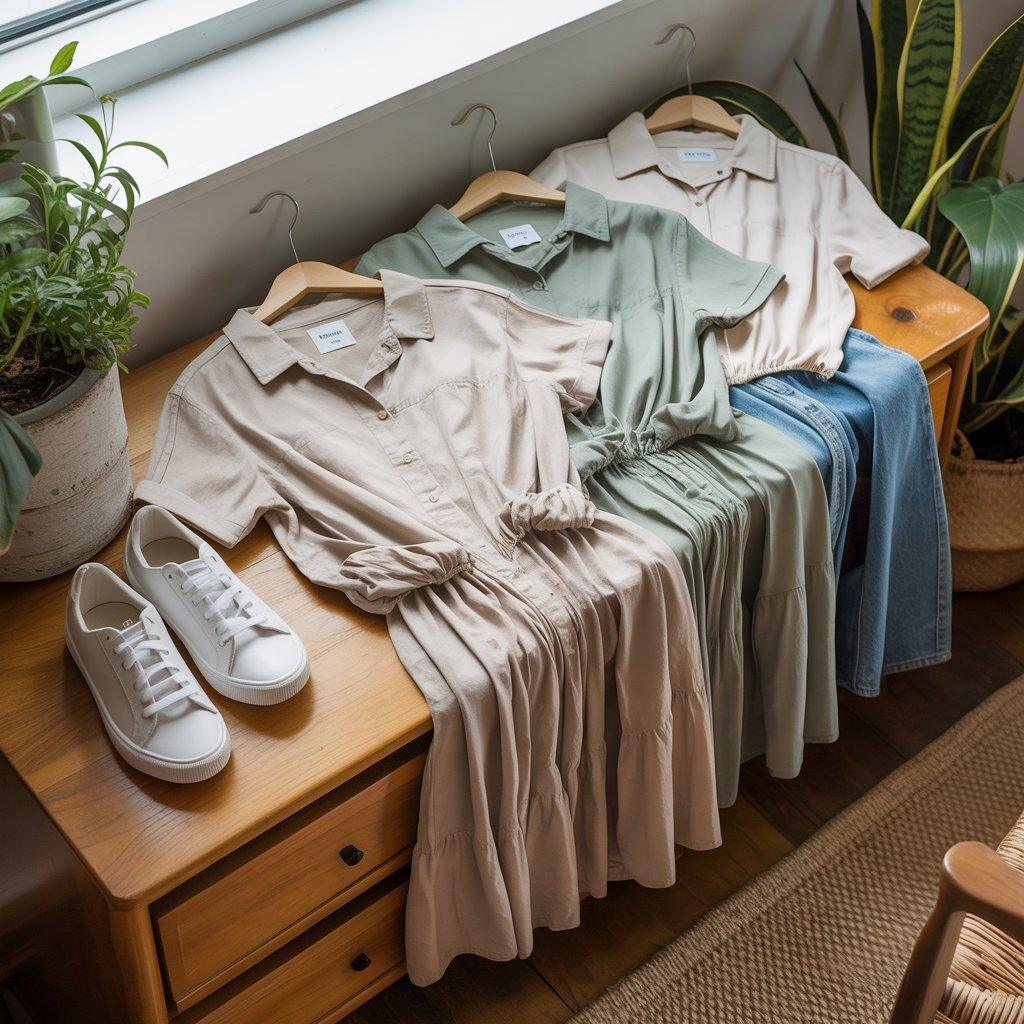
For dresses, I like midi or shirt dresses made from linen or TENCEL. These fabrics feel breathable and work well for both casual and slightly dressy days. I usually pair them with white sneakers made from recycled materials or responsibly sourced leather.
Layering is simple: a neutral cardigan, a denim jacket bought secondhand, or a lightweight trench. I try to stick with colors like beige, olive, navy, and white. That way, everything mixes easily.
Instead of buying five new pieces, I focus on one quality spring dress and one versatile shoe. That small shift already makes a difference.
2. Summer Dress and Shoe Ideas: Natural and Comfortable
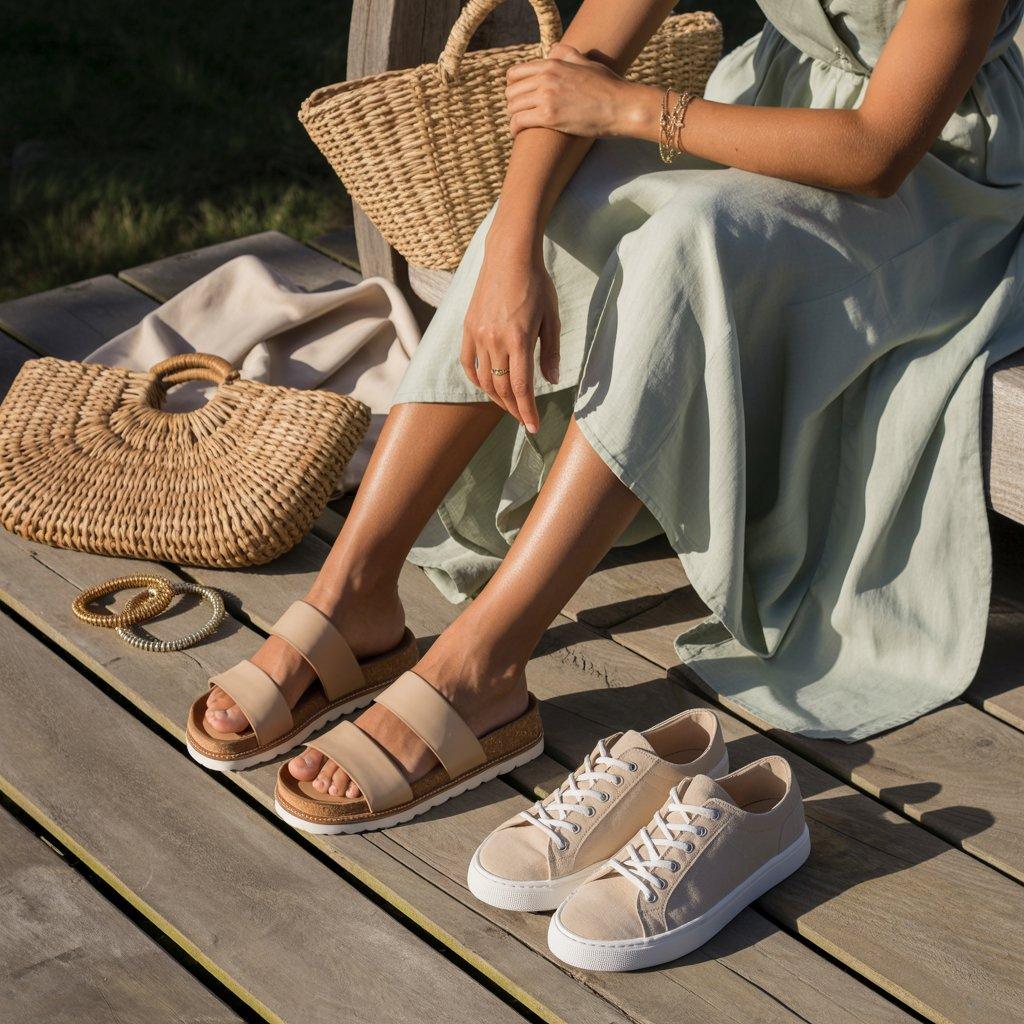
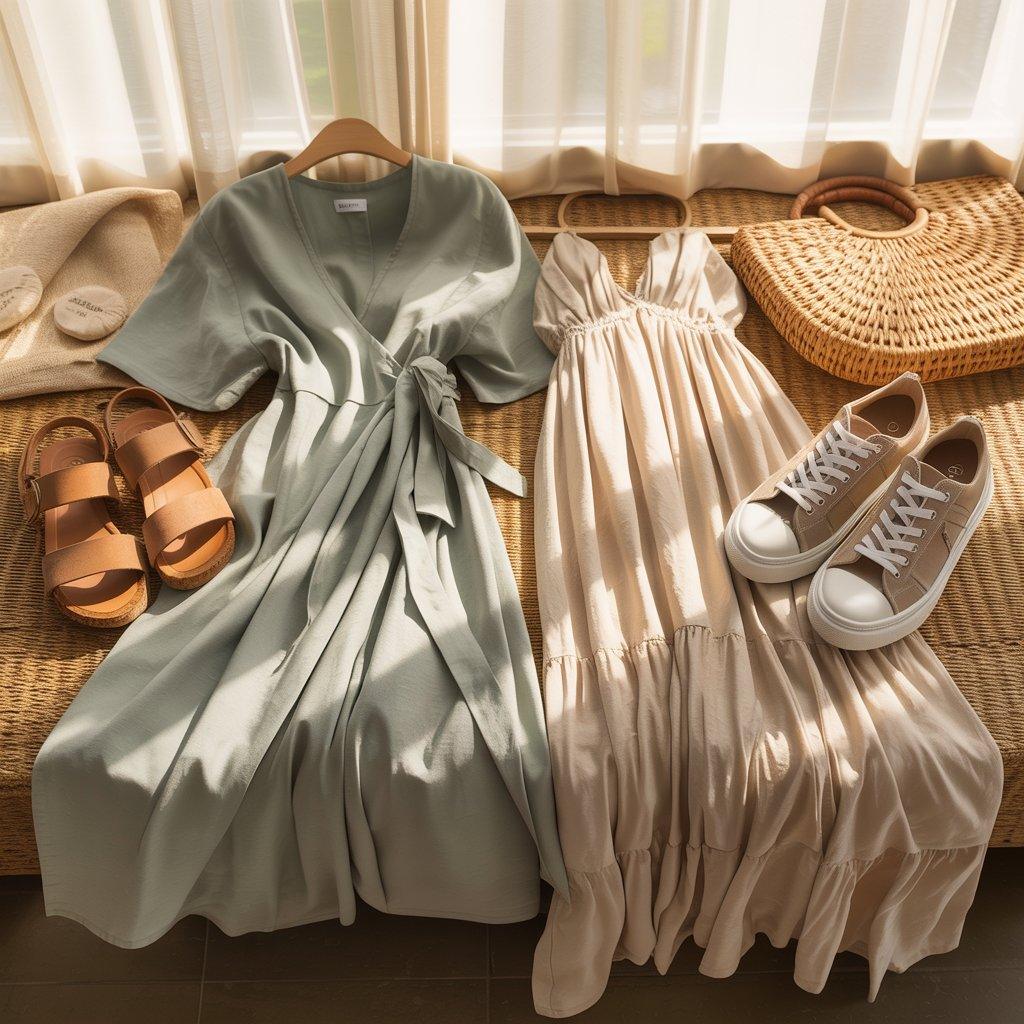
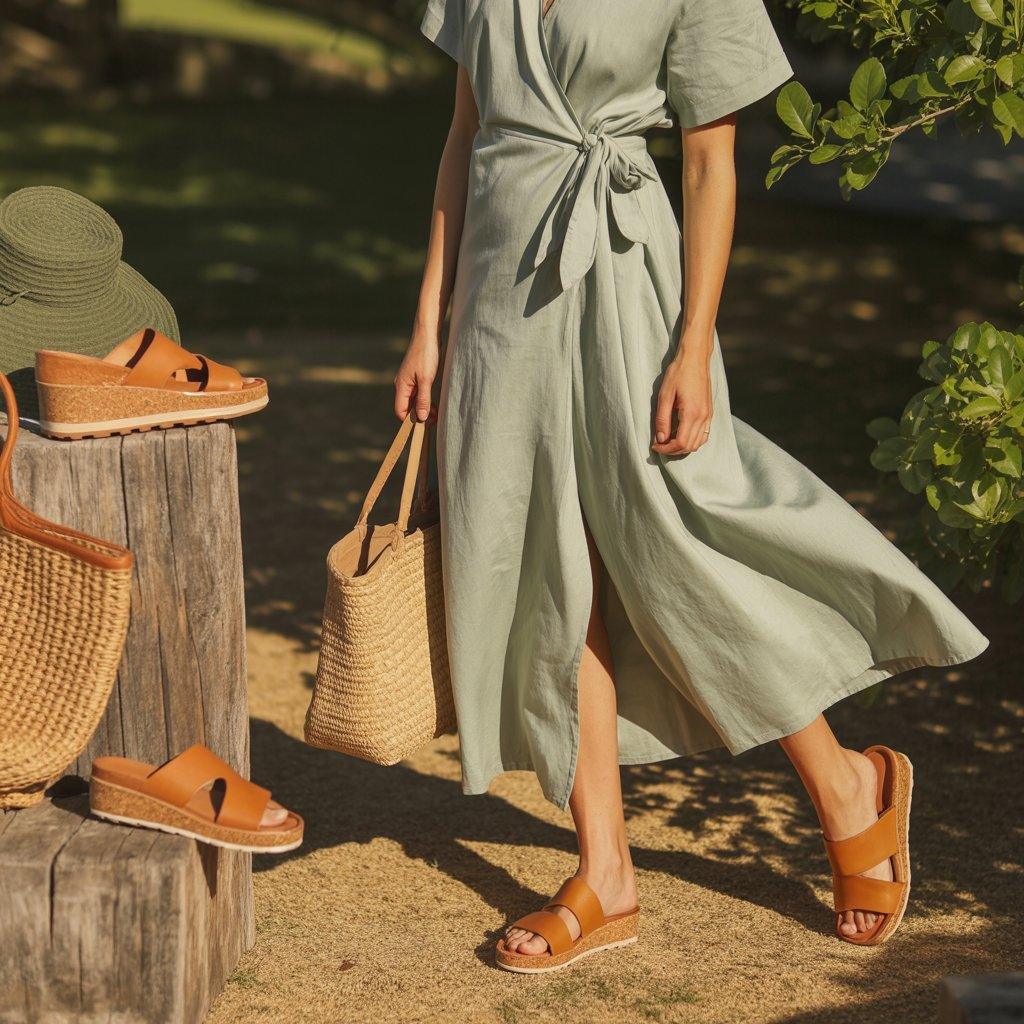
Summer is where eco friendly products really shine. Heat makes fabric choice important. Linen, hemp, and organic cotton allow airflow and feel softer on the skin. A loose linen wrap dress or a simple maxi dress can carry you from daytime errands to dinner with a quick change of sandals.
For footwear, brands like Veja and Allbirds offer options made from recycled plastic, natural rubber, and plant-based materials. These products can help reduce synthetic waste without sacrificing comfort.
If sneakers aren’t your style in summer, cork-soled sandals with vegetable-tanned leather are practical and durable.
Accessories also matter. I prefer woven raffia bags or organic cotton totes instead of plastic-heavy materials. A simple outfit feels more intentional when every piece serves a purpose. Summer style doesn’t have to be excessive to feel complete.
3. Fall Layering: Smart Secondhand and Recycled Pieces
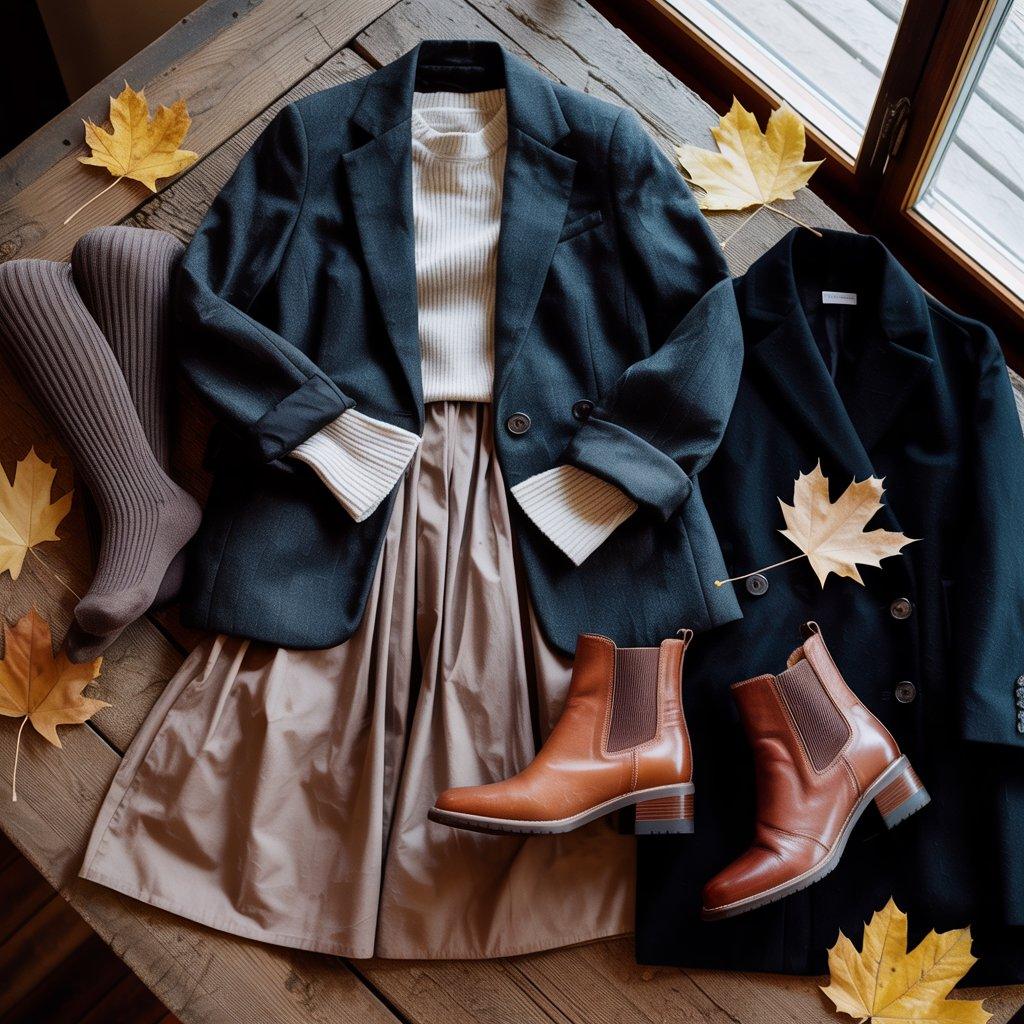
Fall is the best season for layering, and it’s also when I rely more on secondhand shopping. Platforms like ThredUp and Depop make it easier to find quality coats and boots without buying brand new.
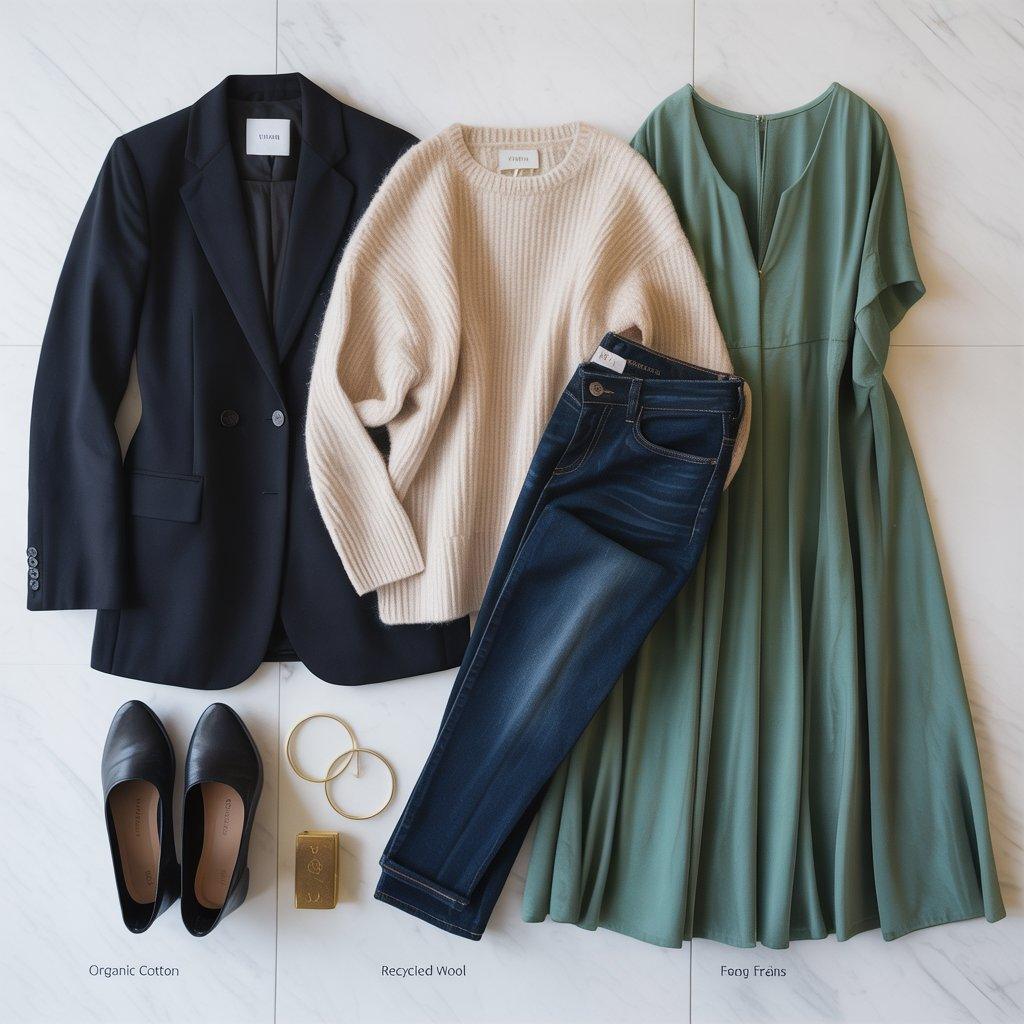
A structured blazer, a wool coat, and two neutral sweaters can create multiple outfits. I often wear a long-sleeve organic cotton dress with tights made from recycled fibers and ankle boots that are built to last.
The key in fall is durability. Instead of trendy pieces, I look for classic shapes that I can wear again next year. Brown leather boots, a tailored coat, and a solid knit sweater rarely go out of style.
Buying secondhand reduces waste and usually saves money. It also allows you to invest in higher quality brands without paying full price.
4. Winter Style: Warm, Durable, and Long-Term
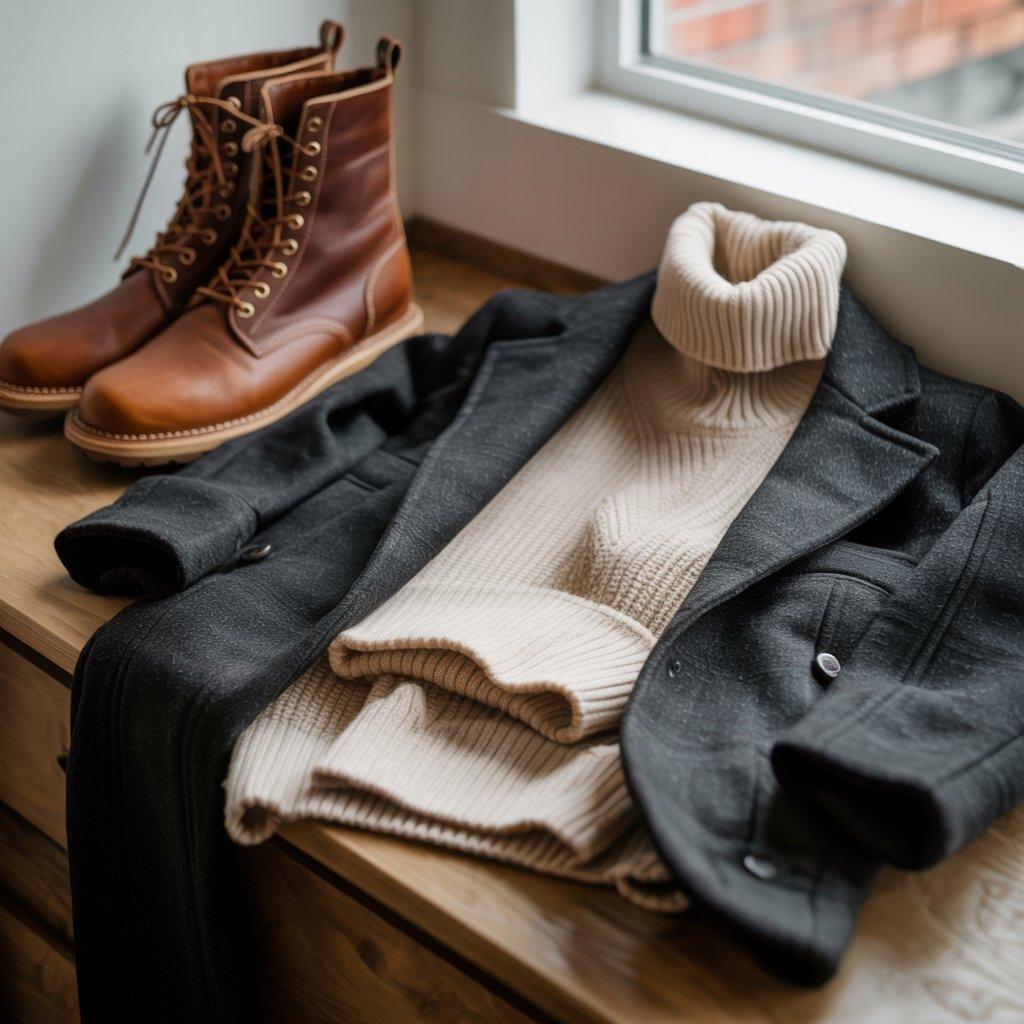
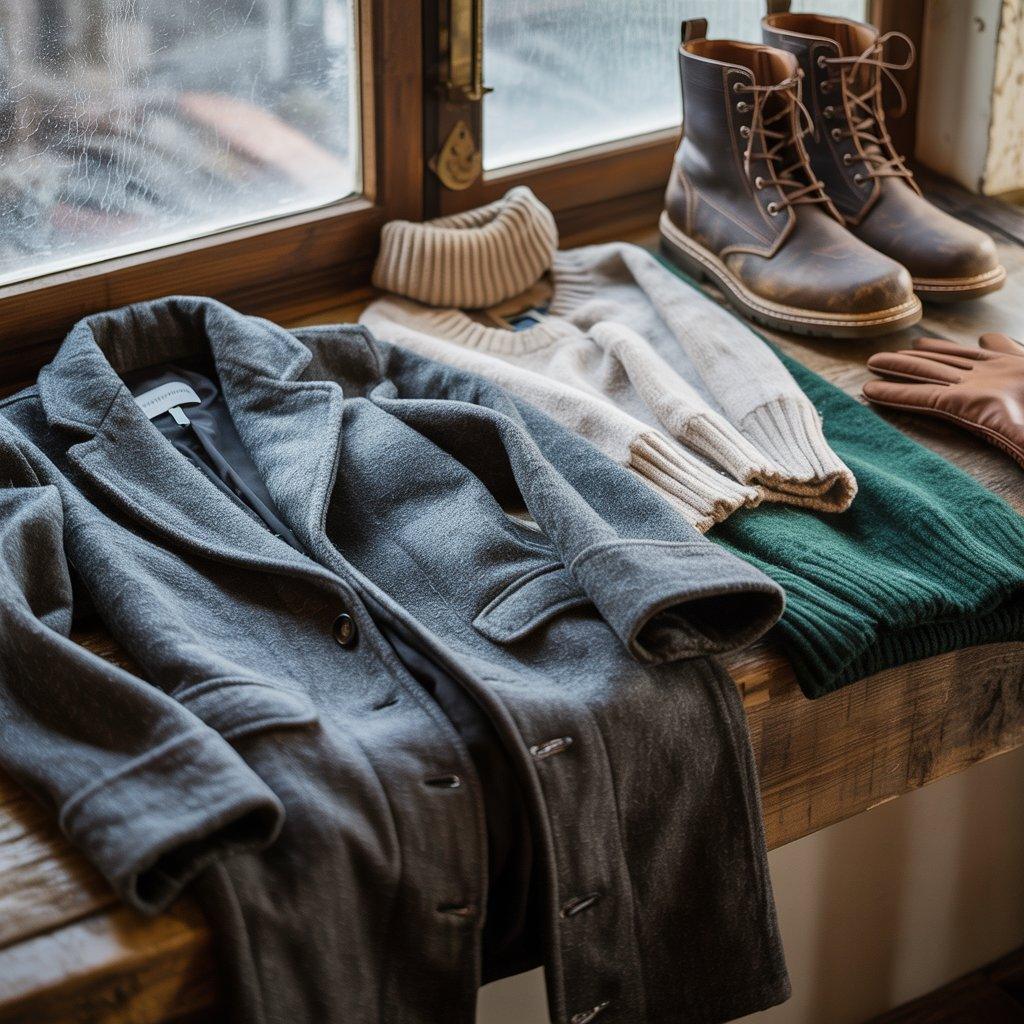
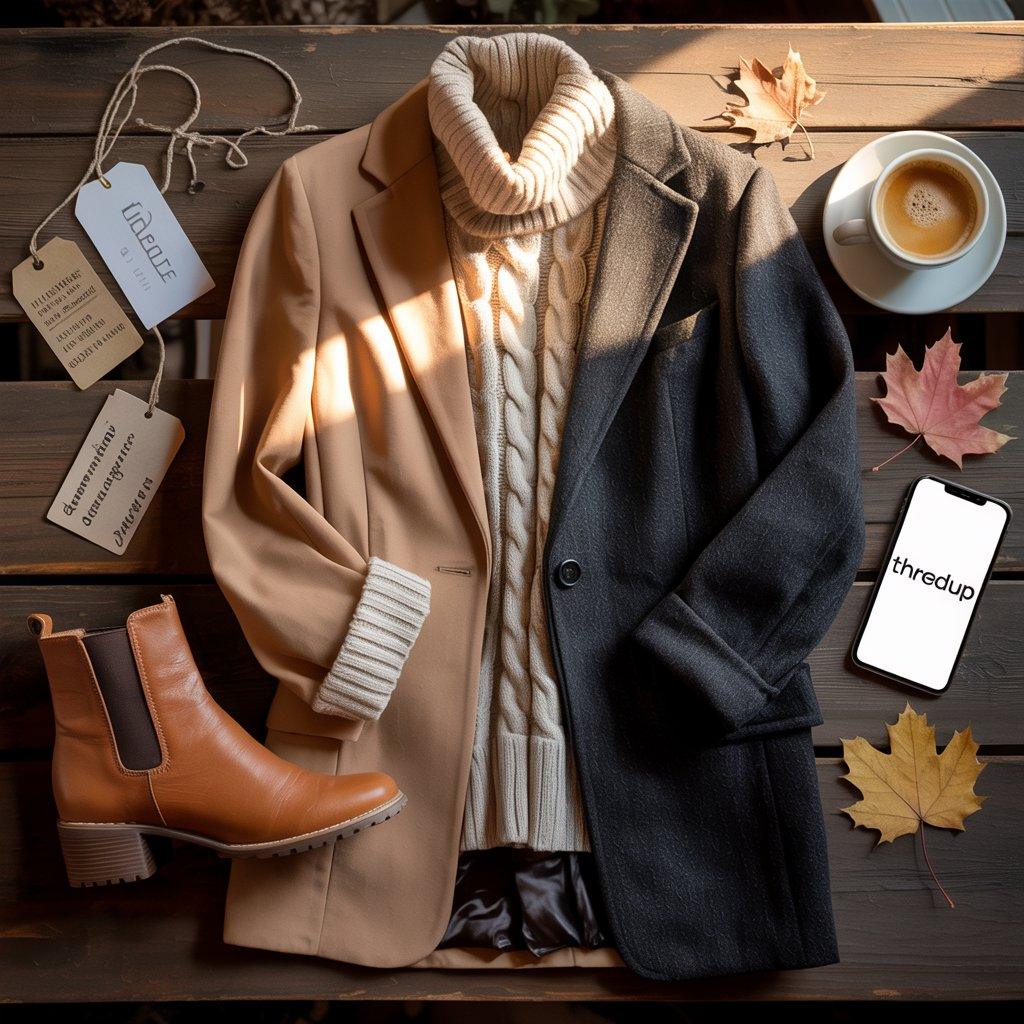
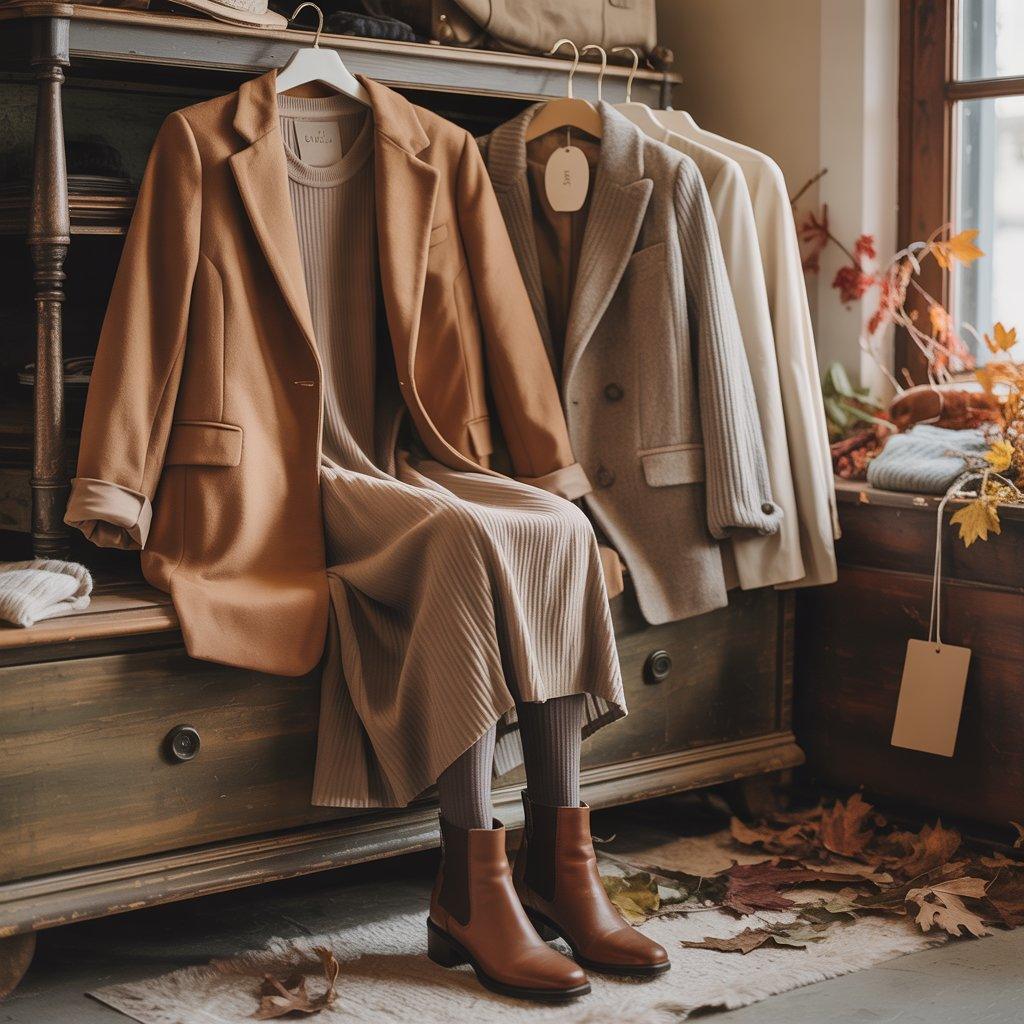
Winter fashion can easily become heavy on synthetic fabrics, especially with puffer jackets and thermal wear. I look for coats with recycled filling or responsibly sourced wool. Reformation shares detailed information about sourcing and impact, which helps when choosing winter pieces.
Sweaters made from recycled wool or cashmere blends last longer if you care for them properly. Instead of buying several thin sweaters, I prefer two well-made ones in neutral tones.
Layering thermal tops made from organic cotton under dresses allows me to keep wearing pieces from other seasons. This reduces the need to buy separate winter-only outfits.
Winter shoes should focus on durability. A strong pair of leather boots that can be repaired is often better than replacing cheaper options every year.
5. Building a Year-Round Sustainable Wardrobe
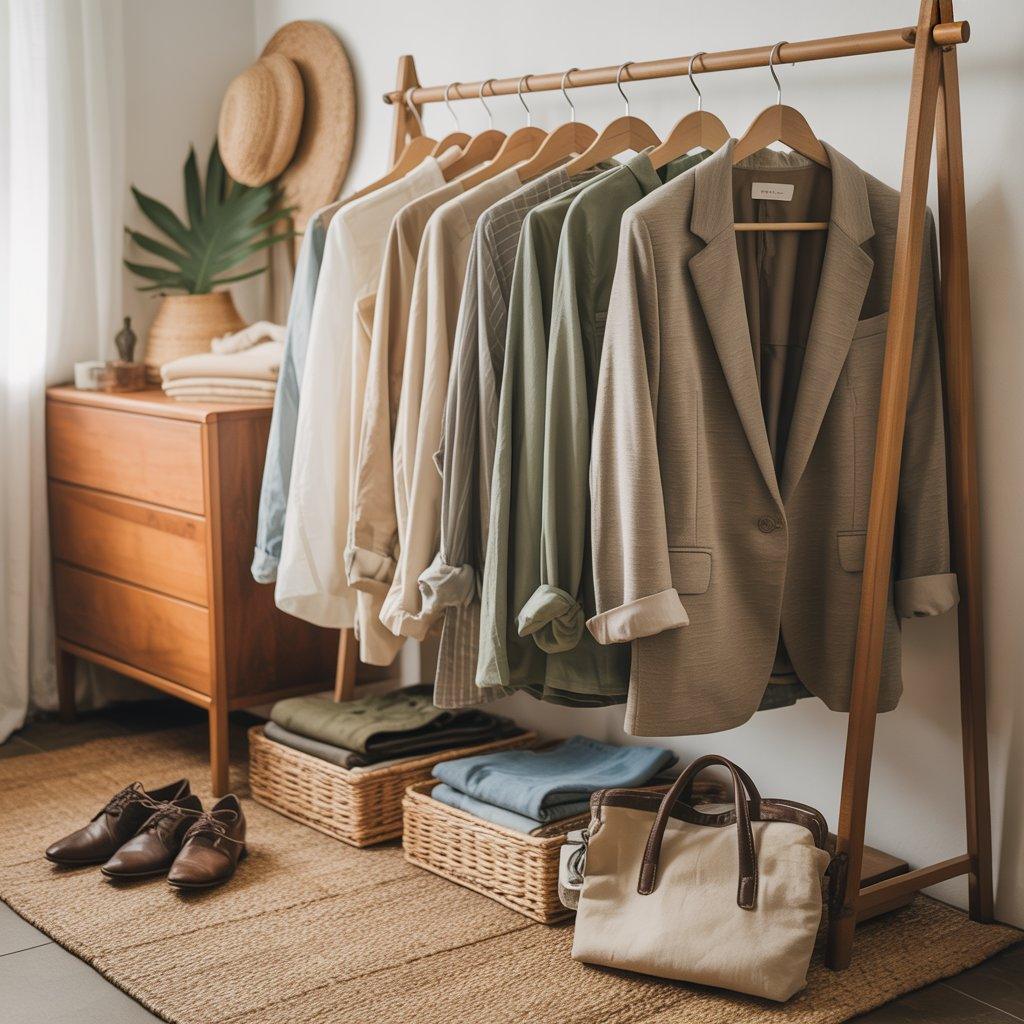
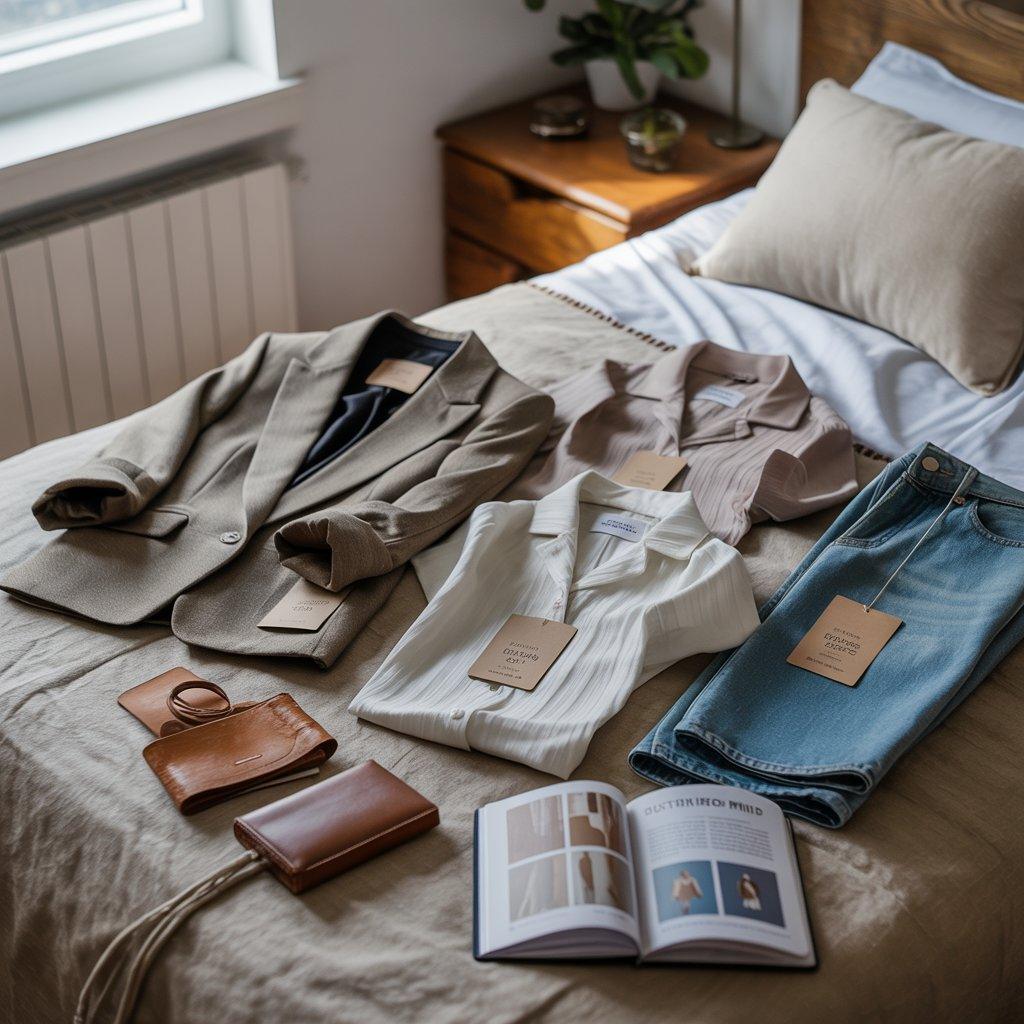
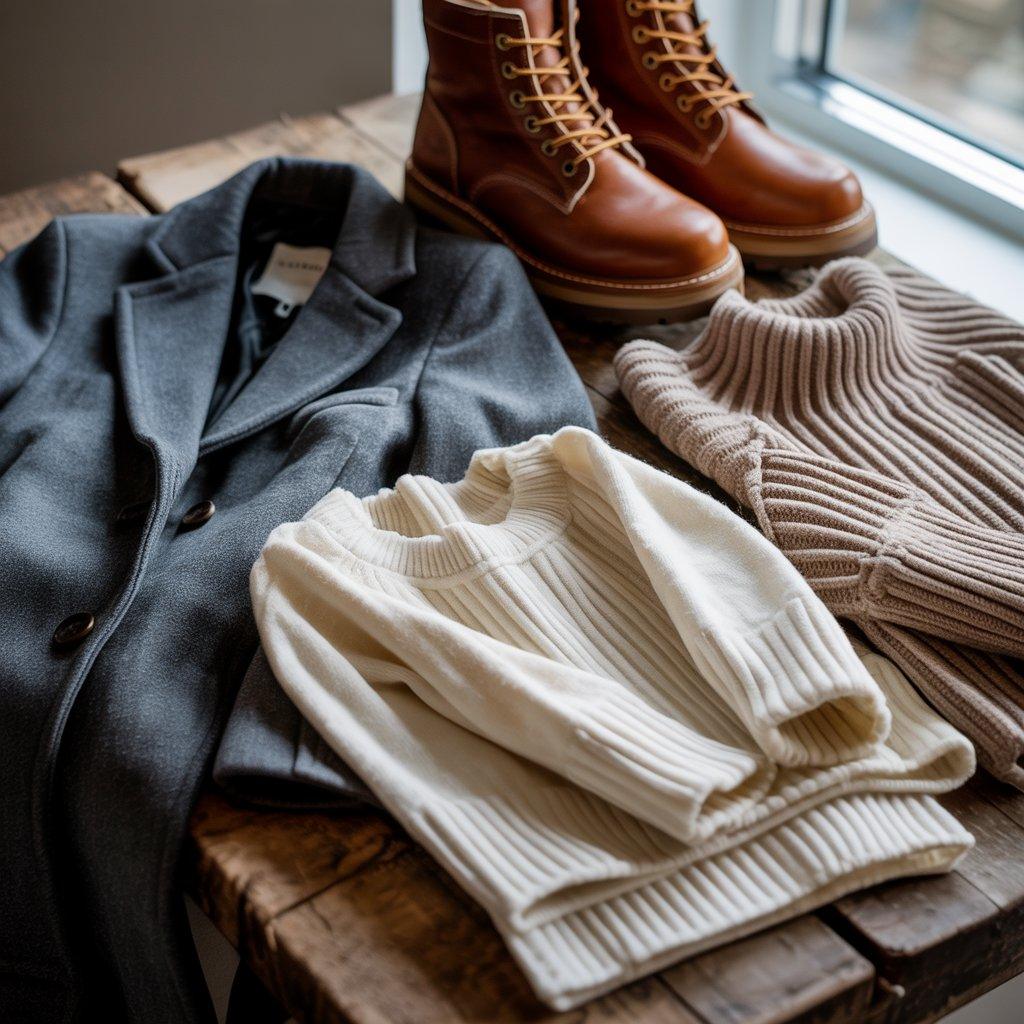
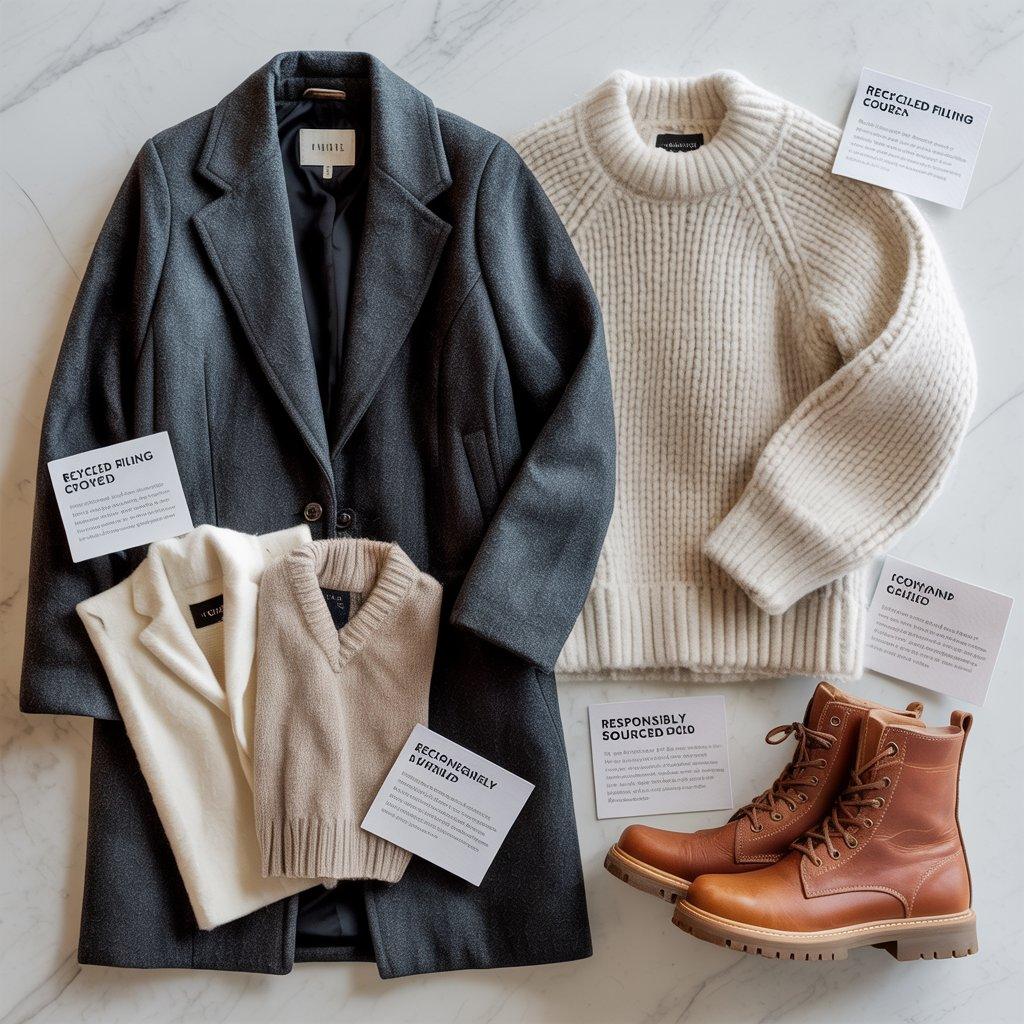
Eco friendly products for fashion lovers are about balance. You don’t have to be perfect. Start with these steps:
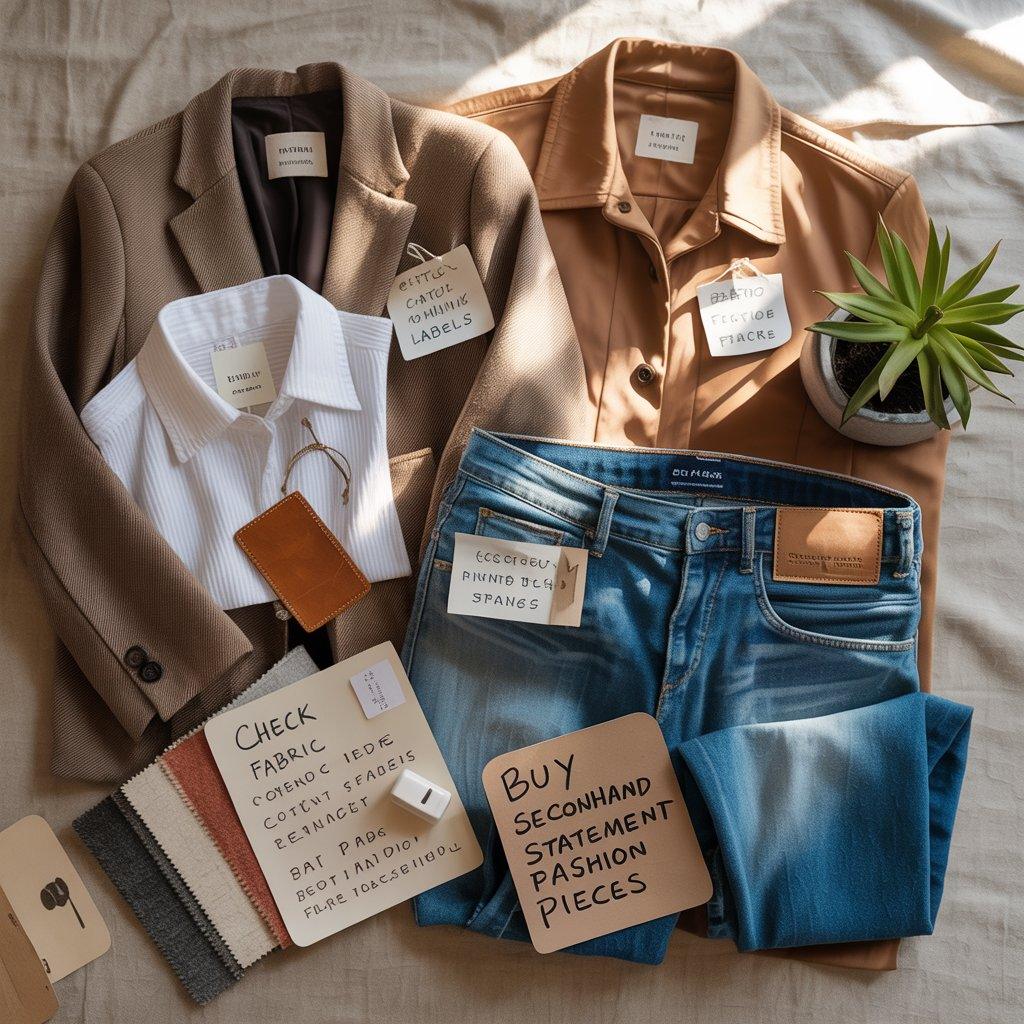
- Check fabric labels before buying.
- Choose natural or recycled fibers when possible.
- Repair shoes and bags instead of replacing them quickly.
- Buy secondhand for statement pieces like coats and blazers.
- Create a small capsule wardrobe where each item works with at least three others.
When I started thinking this way, I stopped impulse shopping. I began asking myself, “Will I wear this next year?” That question alone changed my habits.
Fashion should still feel creative and expressive. The difference is that now, each purchase feels more intentional. Sustainable style isn’t about doing everything at once. It’s about making better choices, one outfit at a time.
6. Sustainable Workwear That Still Feels Stylish
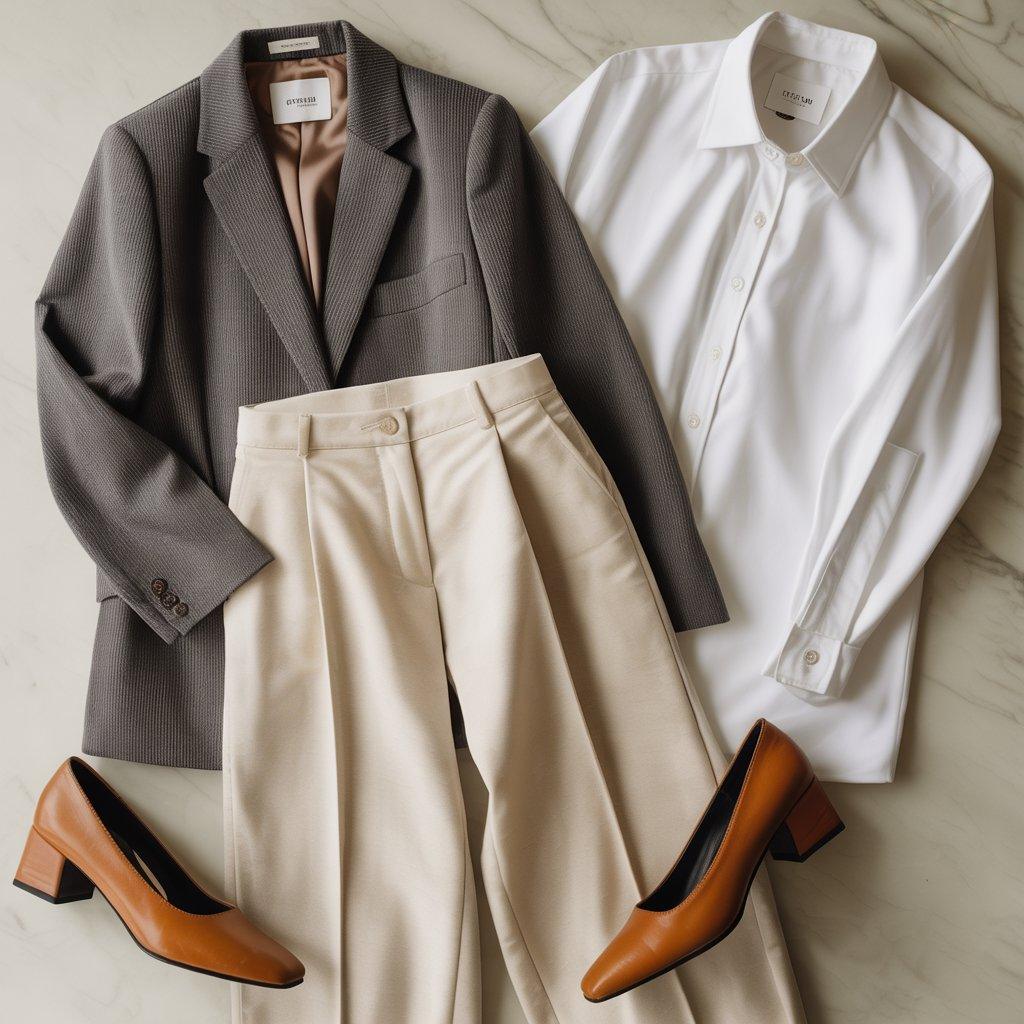
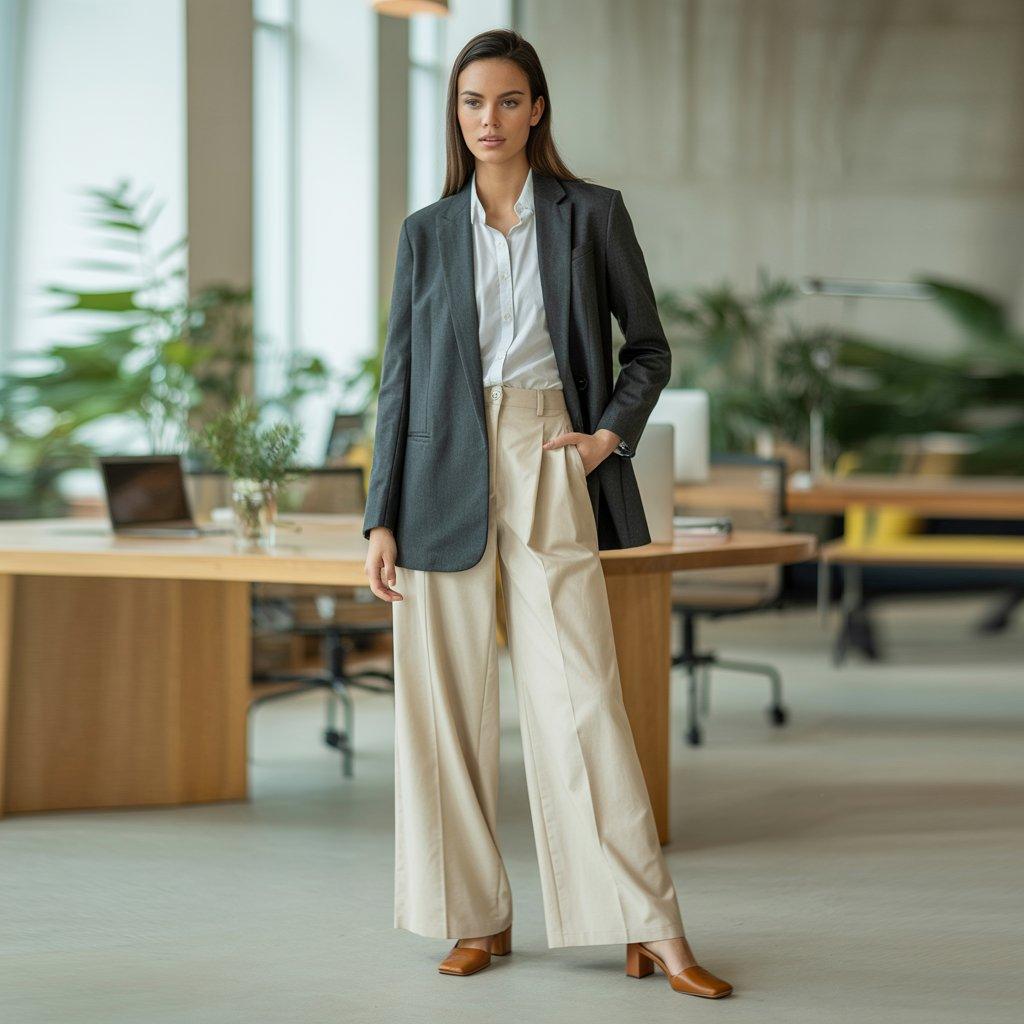
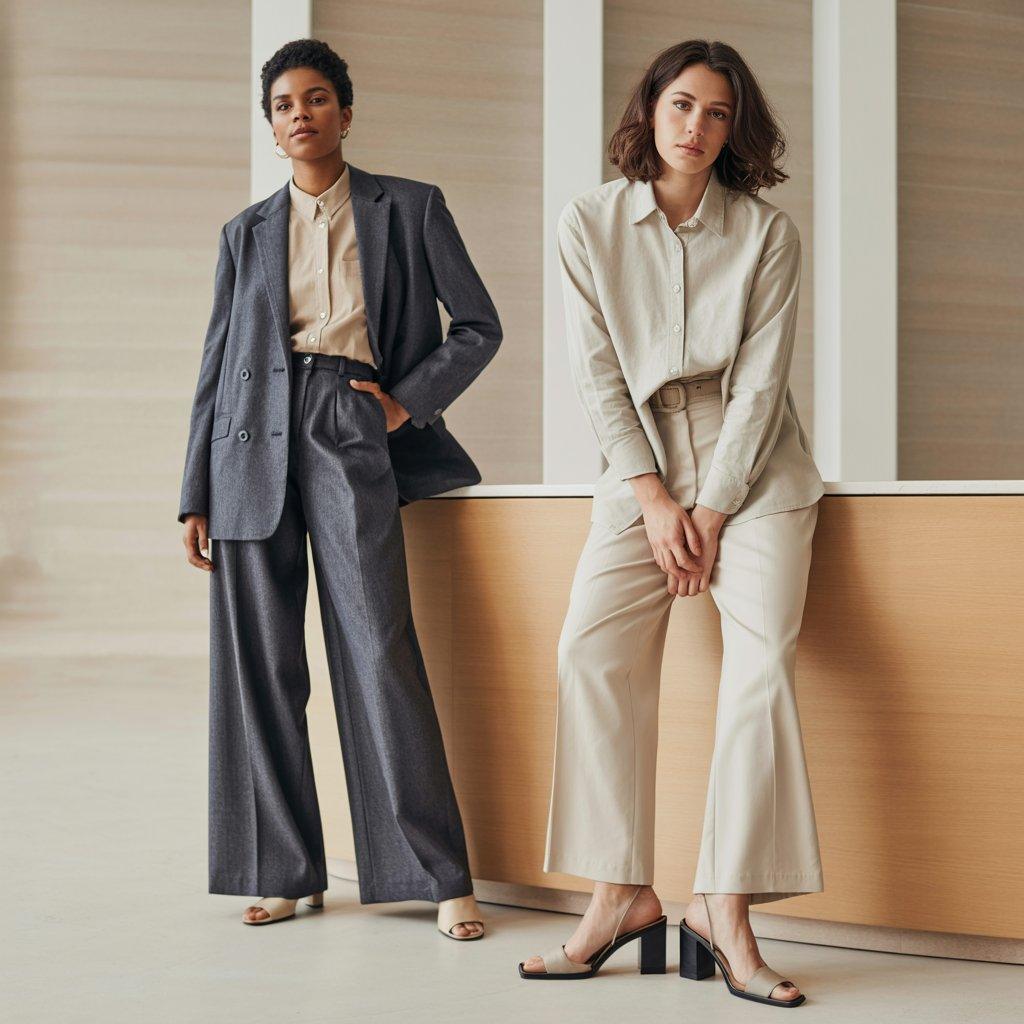
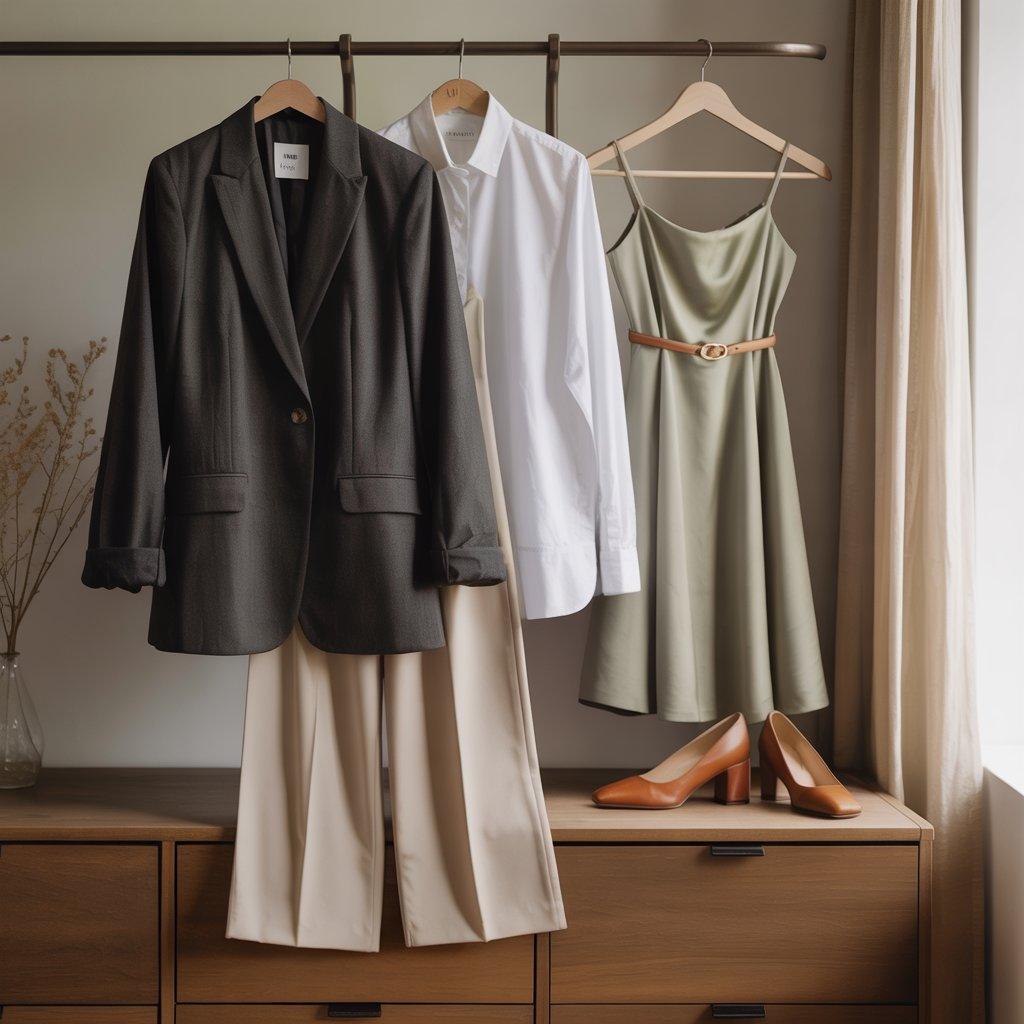
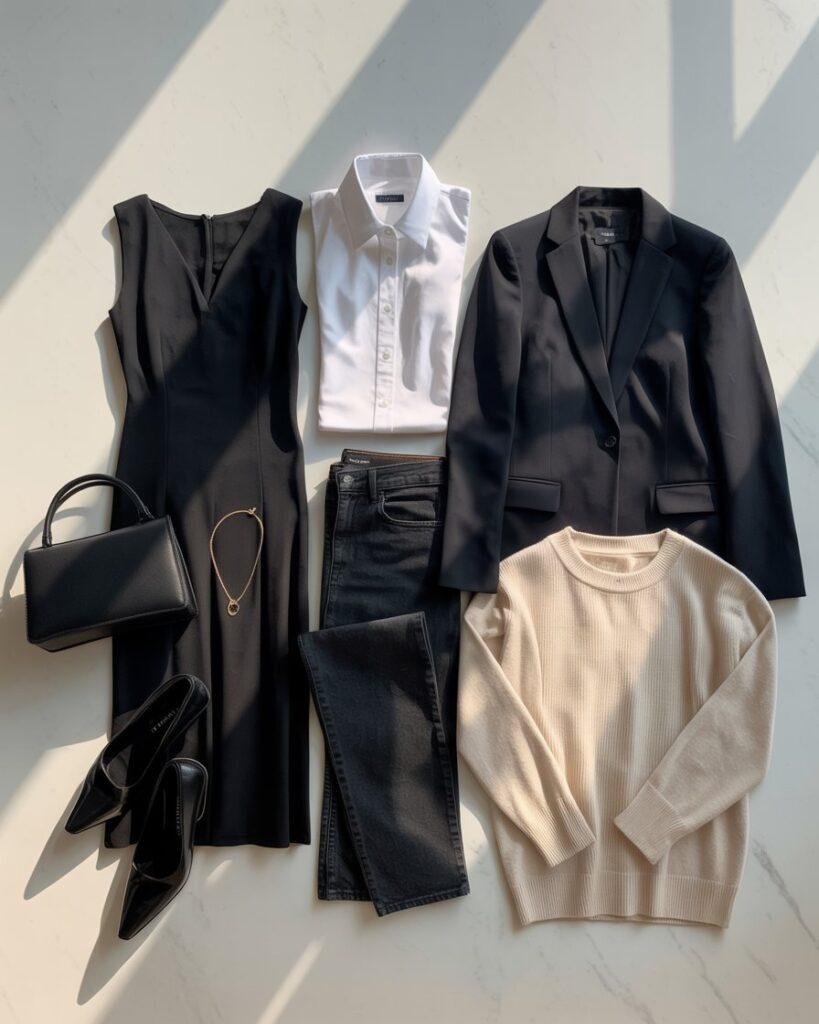
When it comes to work outfits, I’ve learned that eco friendly products for fashion lovers don’t have to look plain. A well-cut blazer made from recycled fabric can last for years. Instead of buying several cheap blazers, I prefer one neutral piece that works with trousers, dresses, and even jeans.
Wide-leg pants made from organic cotton or TENCEL blends feel comfortable and breathable. Pair them with a simple button-down shirt and low block heels made from responsibly sourced leather. Brands that focus on ethical production often provide details about their factories and materials, which helps you make informed choices.
For dresses, a structured midi dress in a neutral shade can be styled with a belt or layered with a cardigan. Workwear doesn’t need constant updates. When you choose classic shapes, you reduce waste and save money over time.
7. Sustainable Evening and Occasion Dresses
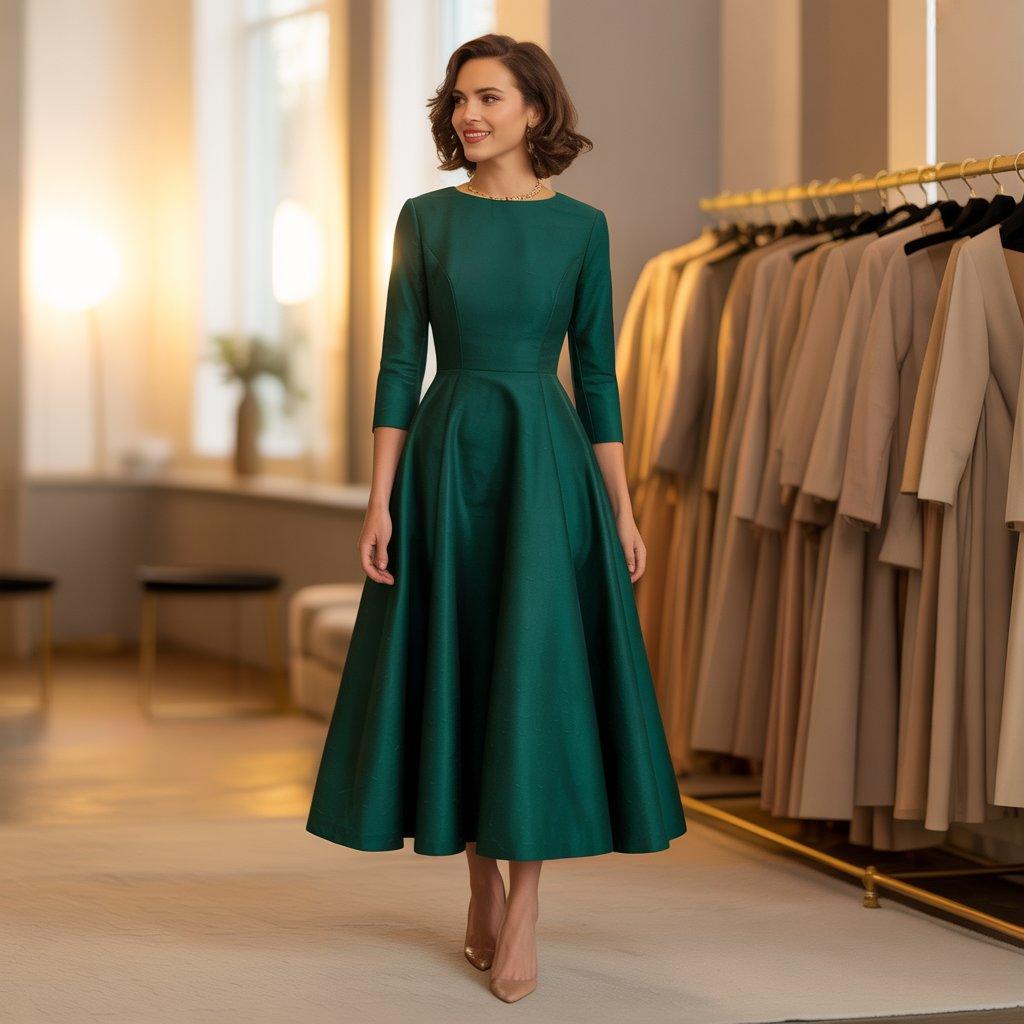
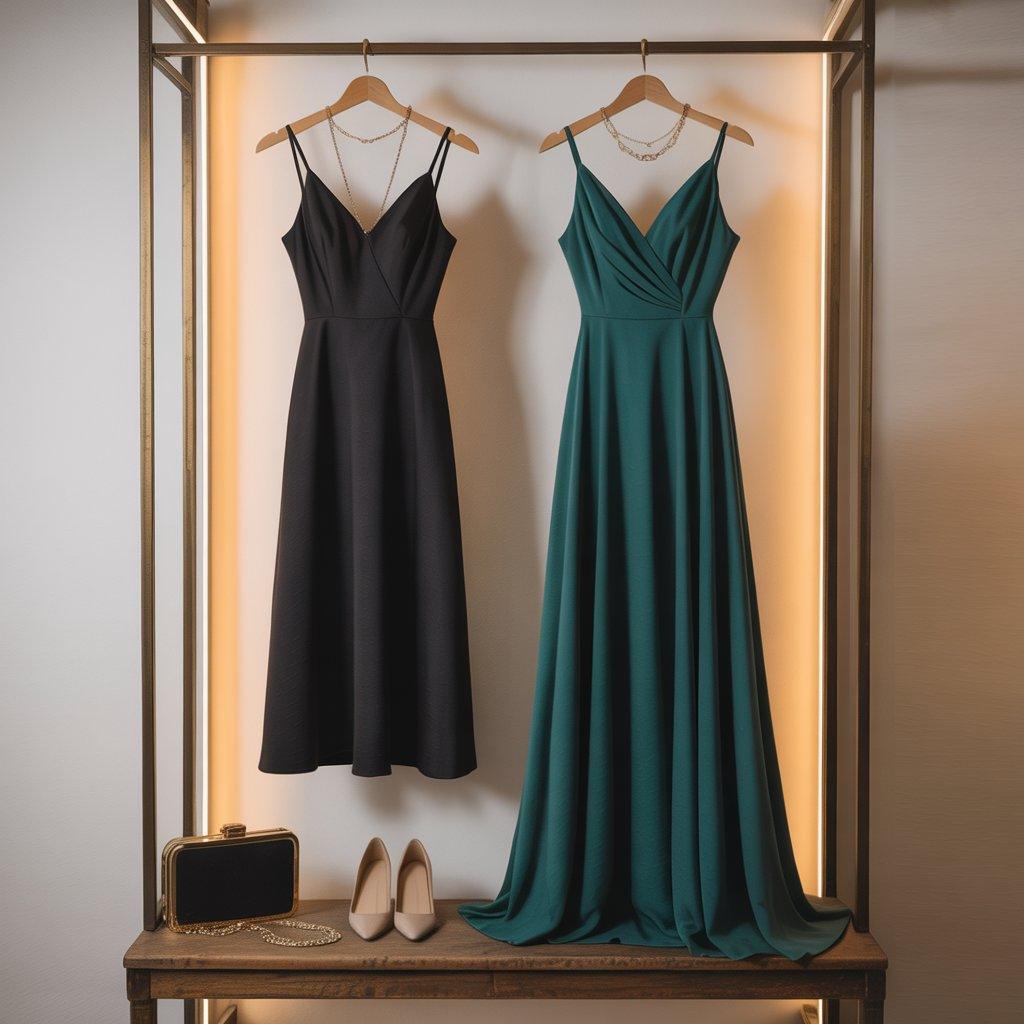
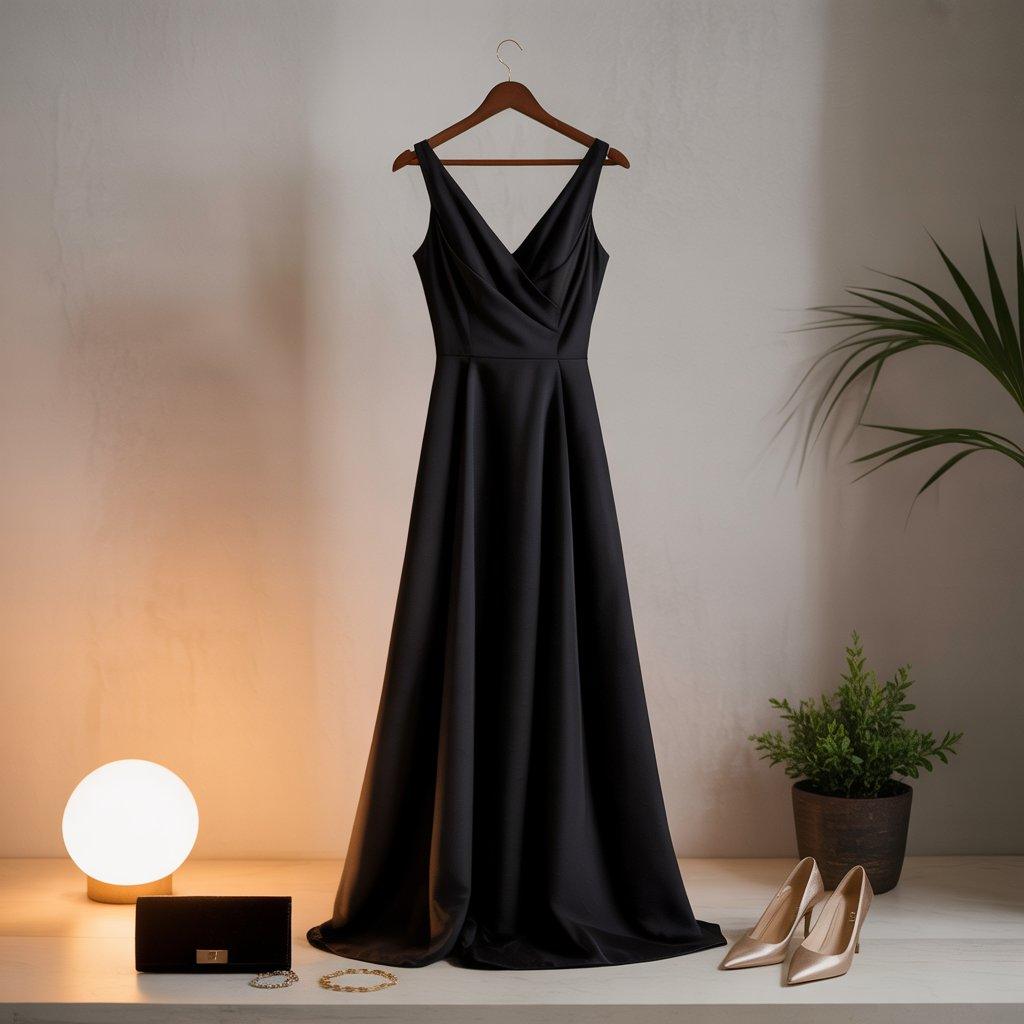
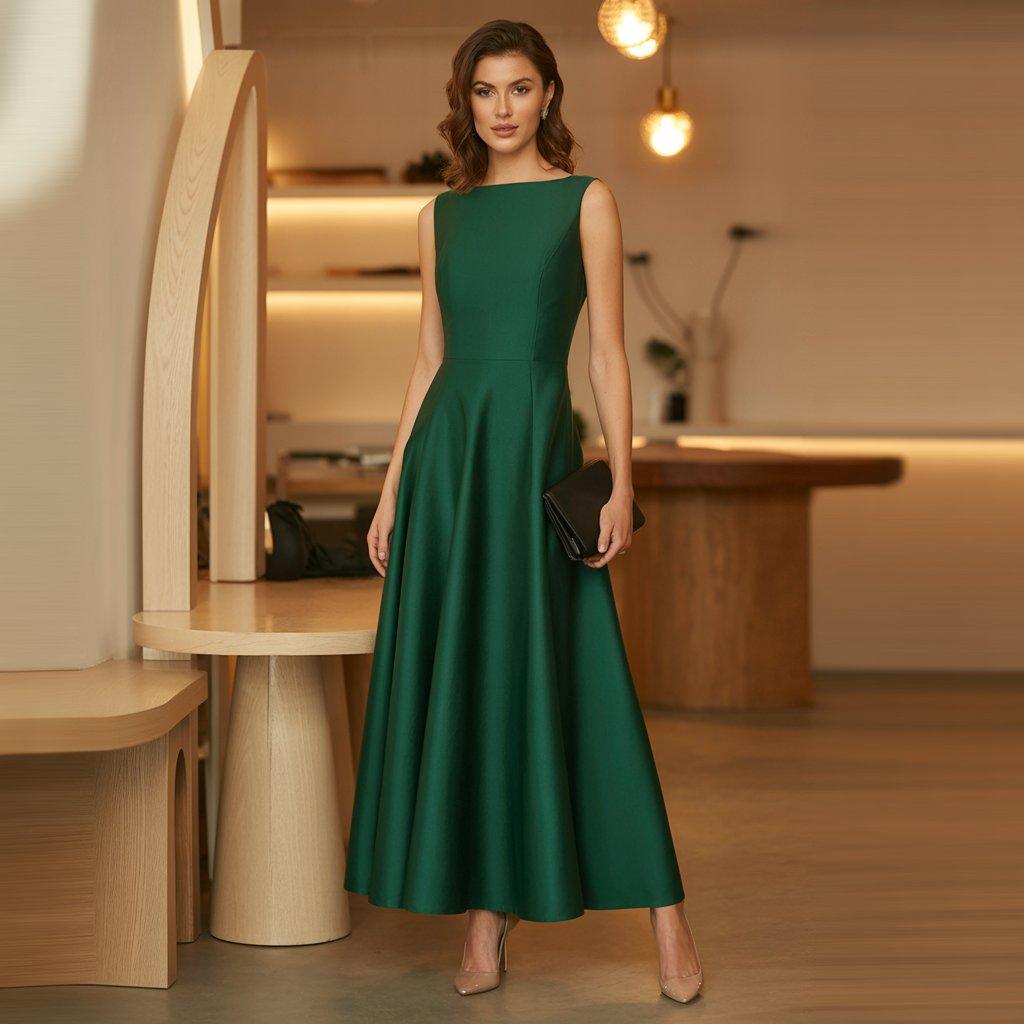
Special events are where many of us overspend. I used to buy a dress for one event and never wear it again. Now, I look for versatile designs that I can restyle. A simple black or deep green dress made from eco-friendly fabric can work for multiple occasions.
Brands like Reformation focus on lower-impact fabrics and timeless cuts. Instead of chasing trends, I look for silhouettes that flatter and last beyond one season.
You can also rent dresses for weddings or formal events. Clothing rental reduces the need to buy something you’ll wear once. Pair your dress with neutral heels and a clutch you already own. Small styling changes, like different jewelry or hairstyles, can make the same dress feel new again.
8. Everyday Casual Outfits with Organic Basics
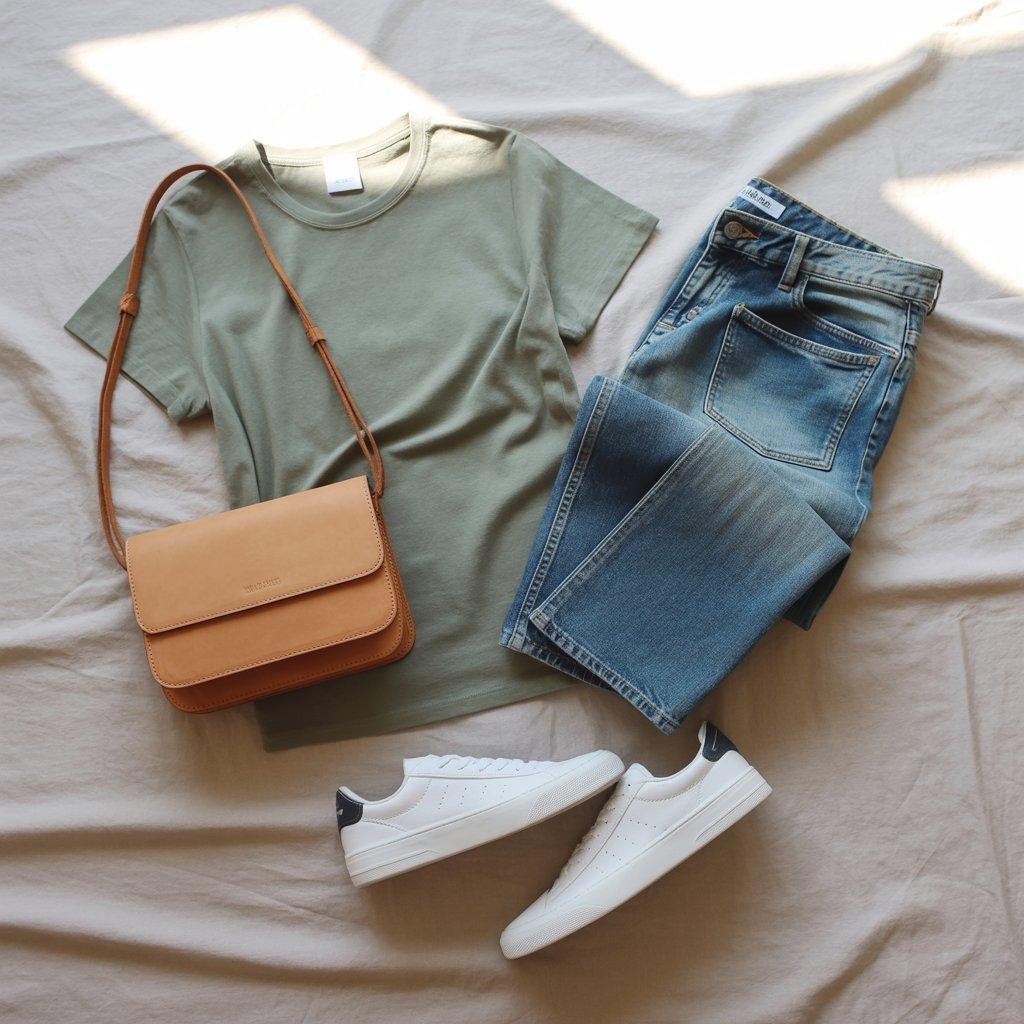
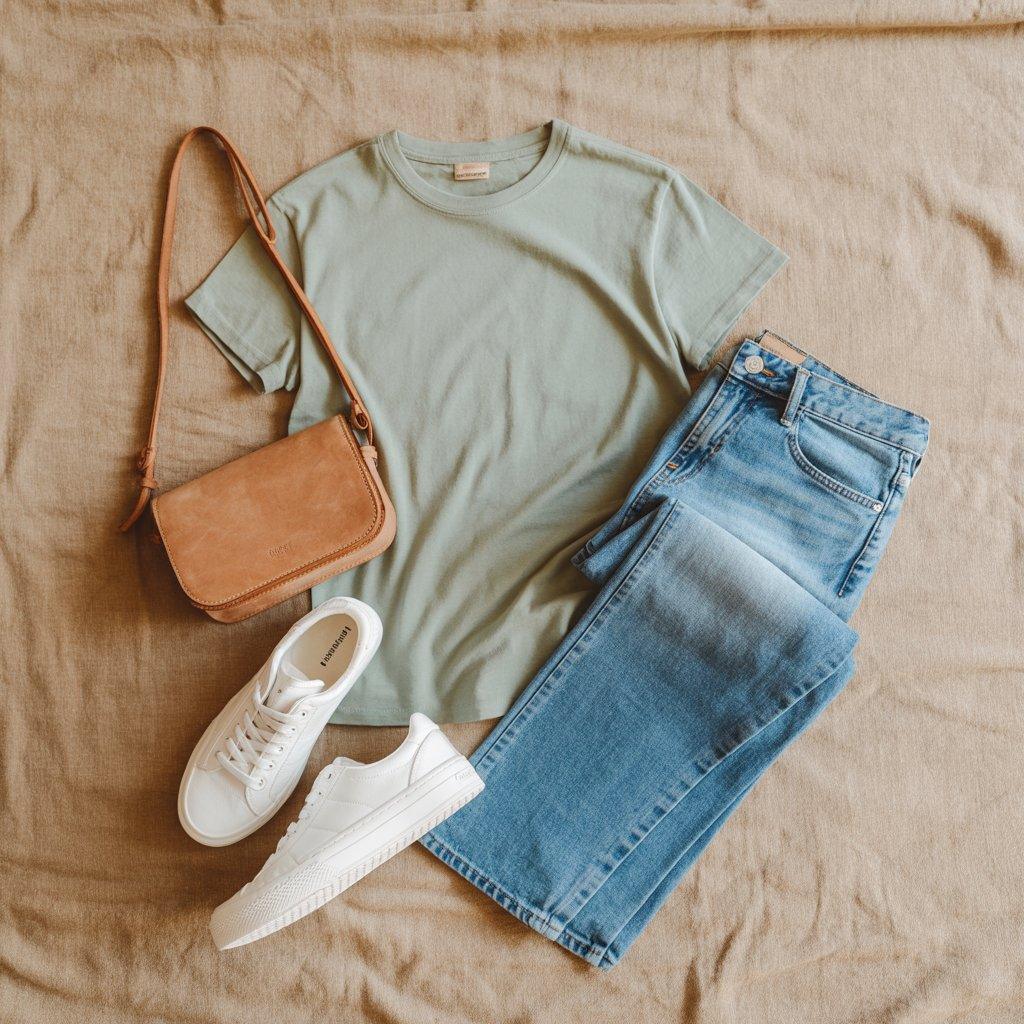
Casual wear makes up most of our wardrobe, so this is where small changes matter most. I focus on organic cotton t-shirts, relaxed denim produced with less water, and soft knitwear made from natural fibers.
Brands like Patagonia are known for durable basics that can handle regular washing without losing shape. Instead of buying five fast-fashion tops, I invest in two well-made ones that last longer.
Pair a simple organic cotton tee with straight-leg jeans and sneakers made from recycled materials. Add a crossbody bag crafted from responsibly sourced leather or recycled fabrics.
The goal isn’t to make casual wear complicated. It’s to choose pieces that hold up over time. When your everyday clothes last longer, you naturally reduce how often you shop.
9. Sustainable Footwear for Every Season
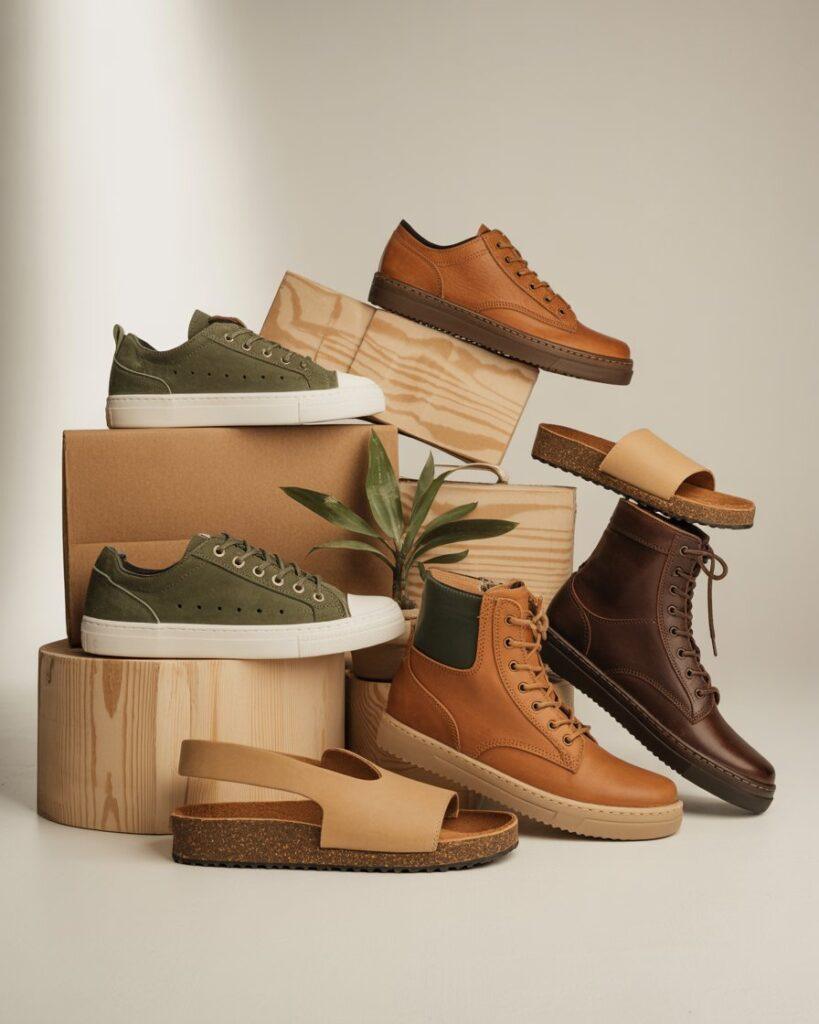
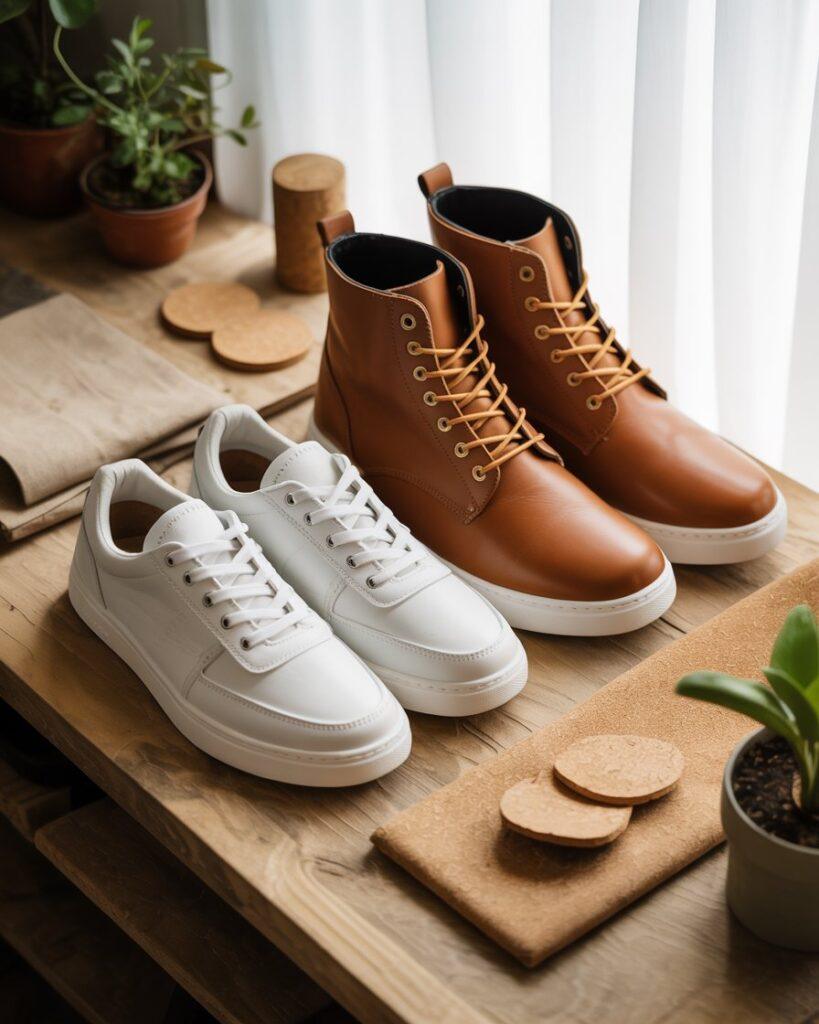
Shoes are one area where quality really matters. Cheap shoes often wear out quickly, which means replacing them often. I started paying attention to brands like Veja and Allbirds because they focus on recycled and natural materials.
For spring and summer, breathable sneakers or cork-soled sandals work well. In fall and winter, durable leather or vegan alternatives that can be repaired extend the life of your footwear.
One thing that helped me was limiting myself to a small rotation: one everyday sneaker, one dressier shoe, one boot. When you take care of them cleaning and storing them properly they last longer.
Sustainable footwear isn’t about having fewer options. It’s about choosing better-made ones that can help you reduce waste in the long run.
10. Eco-Friendly Accessories That Complete the Outfit
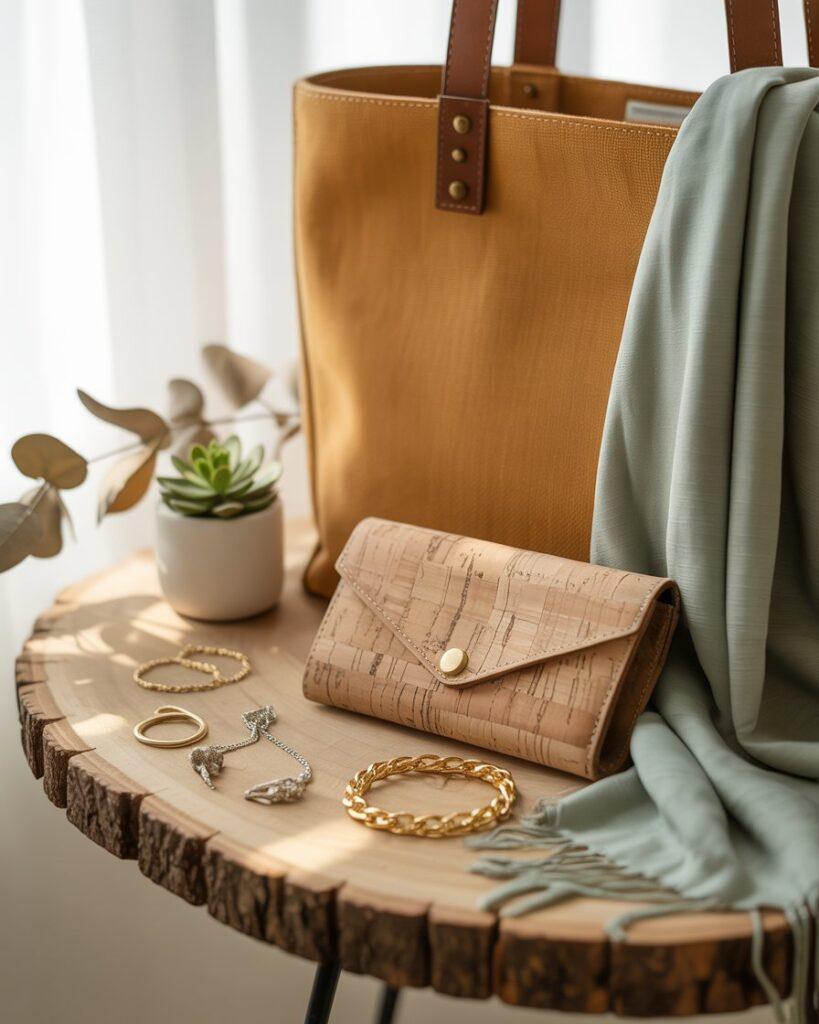
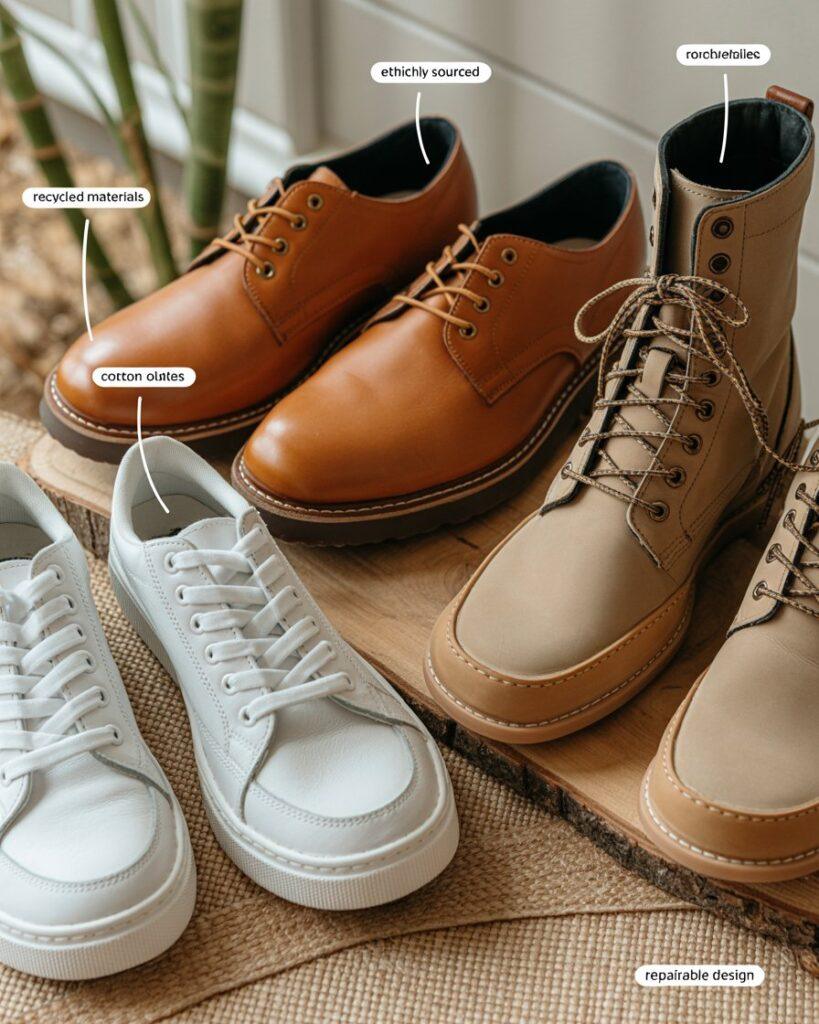
Accessories are often overlooked, but they can shift an outfit completely. Instead of buying synthetic bags every season, I look for canvas, cork, or responsibly sourced leather options. A neutral handbag can work across multiple outfits and seasons.
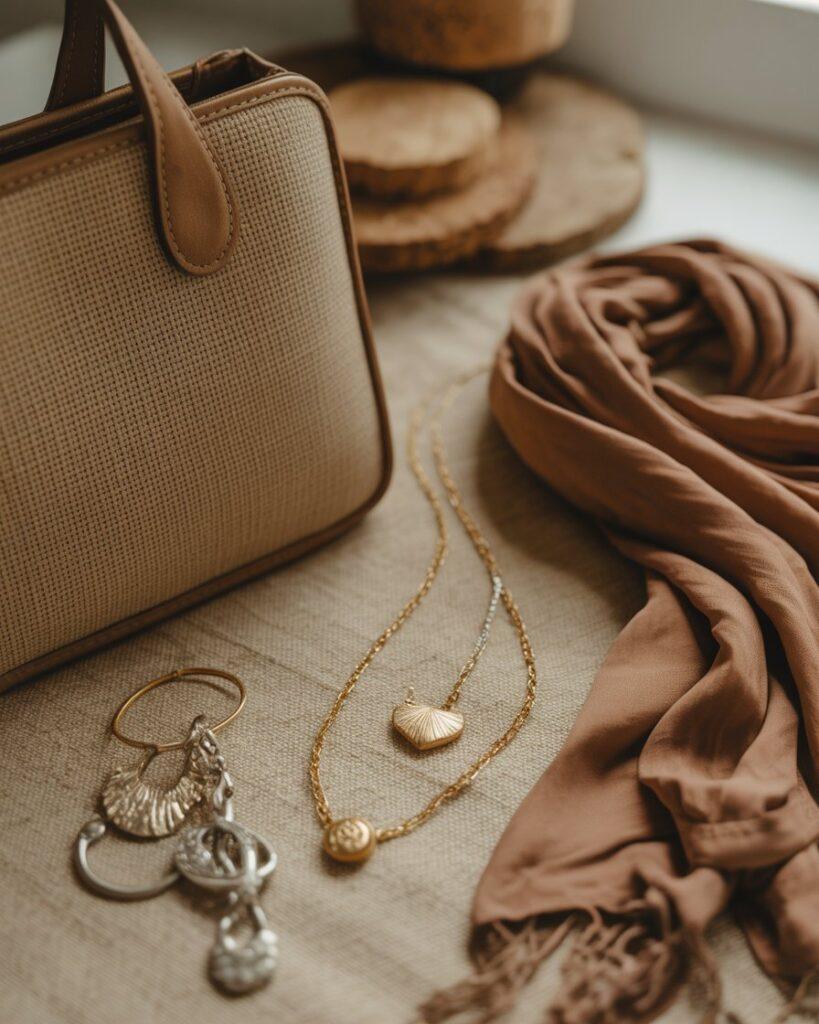
Jewelry made from recycled metals is another small but meaningful choice. Simple gold or silver pieces can be worn daily without feeling outdated. Scarves made from organic cotton or linen also add variety without needing new clothes.
I also try to repair bags before replacing them. Changing a strap or fixing a zipper costs less than buying new.
When you choose eco friendly products for fashion lovers, accessories are an easy place to start. They allow you to refresh your look without constantly adding new garments.
11. Building a Capsule Wardrobe for All Seasons
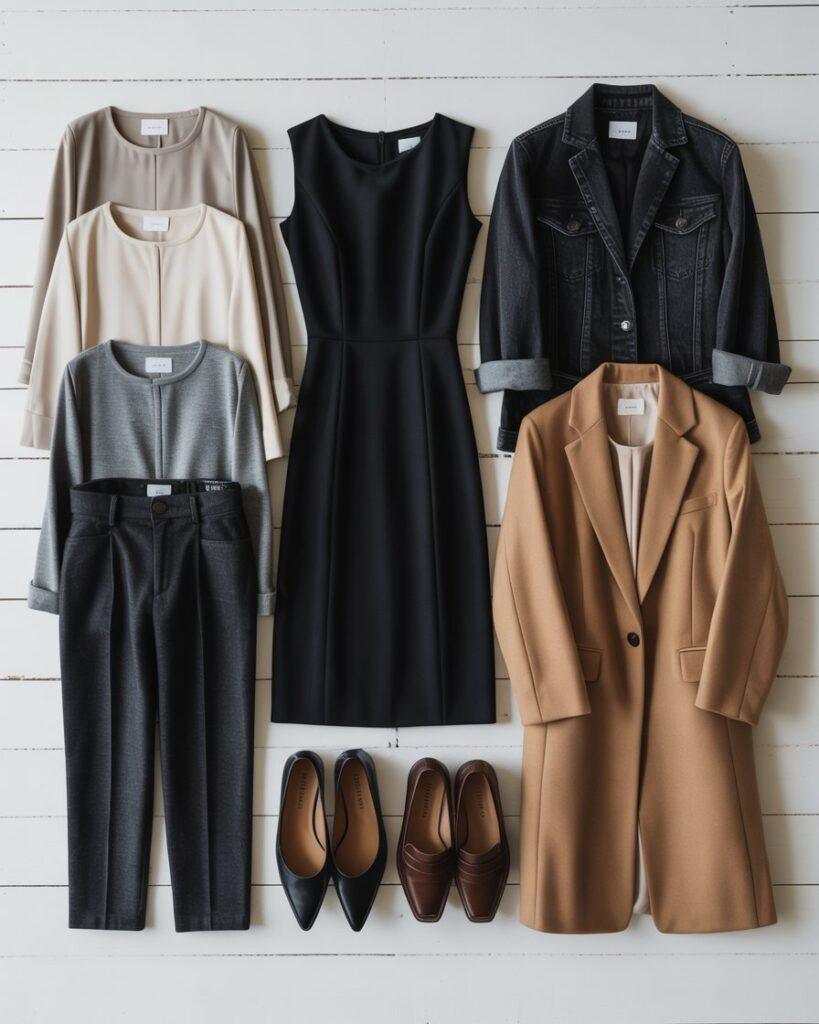
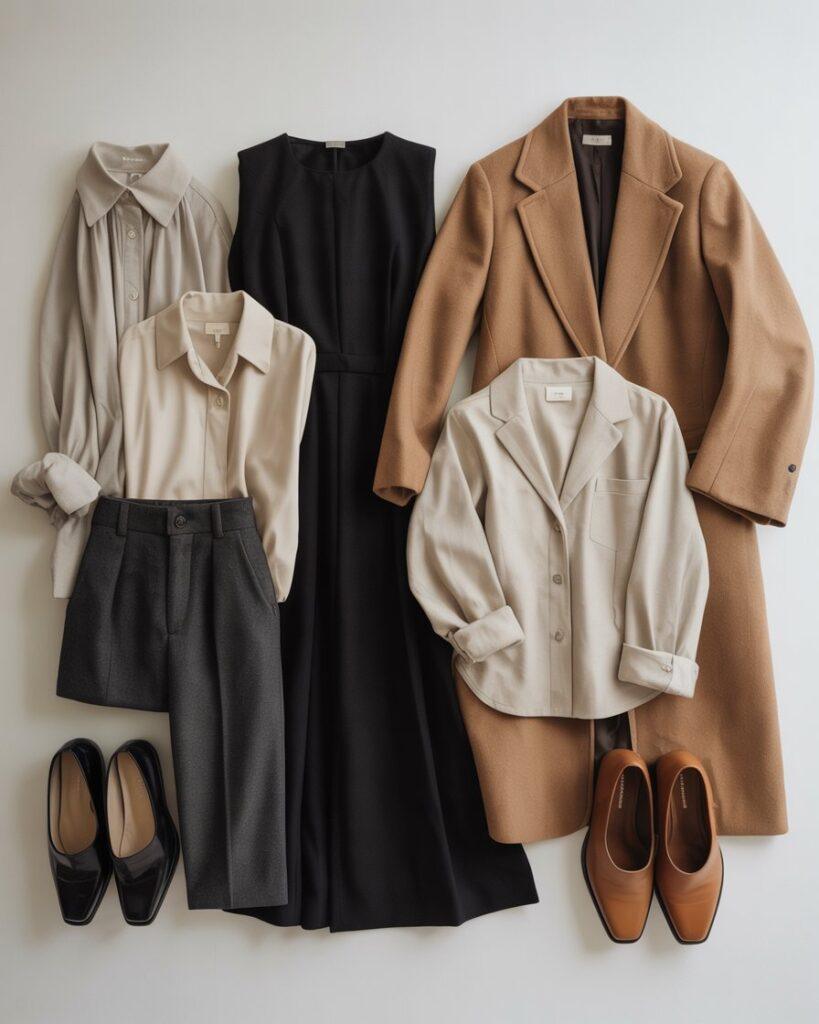
One of the most practical steps I took was creating a small capsule wardrobe. I chose neutral colors and versatile shapes. For example, one black dress that works in summer alone and in winter with tights and a coat.
A capsule wardrobe usually includes a few tops, two or three bottoms, one or two dresses, outerwear, and limited shoes. The idea is that each piece pairs well with others. This reduces decision fatigue and prevents impulse buying.
Instead of chasing trends, I now focus on fit and fabric quality. Natural fibers and recycled blends hold up better with care.
Building a capsule wardrobe doesn’t mean giving up style. It simply means you plan your outfits in advance so your purchases feel intentional.
12. Practical Steps to Shop More Sustainably
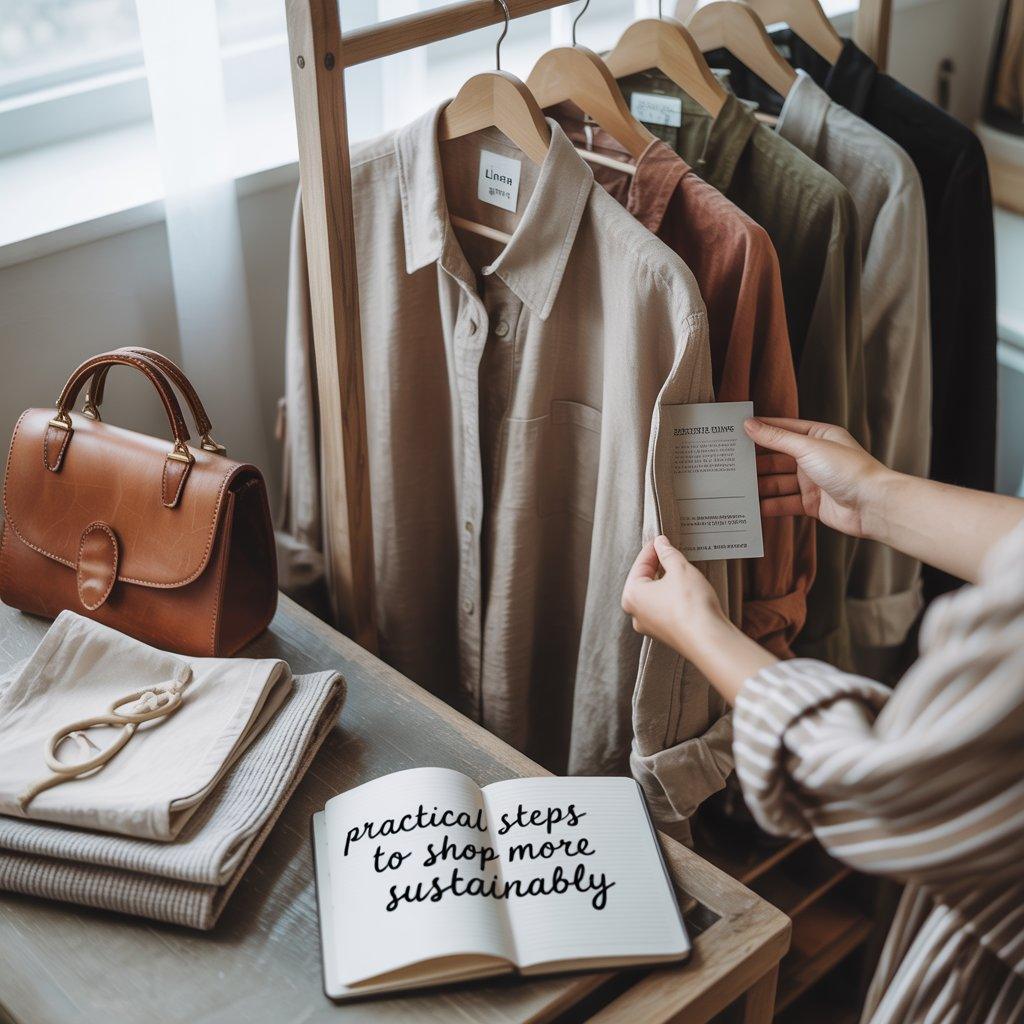
If you’re just starting, don’t feel pressured to change everything at once. I began by checking labels and asking simple questions before buying:
- What fabric is this made from?
- Will I wear it at least 10 times?
- Can I style it in different seasons?
Shopping secondhand, repairing clothes, and supporting brands that share clear sourcing information are realistic steps. Even washing clothes in cold water and air drying can extend their life.
Sustainable fashion is not about perfection. It’s about progress. When you make small adjustments, your wardrobe slowly becomes more aligned with your values.
13. Spring: Lightweight Layers in Natural Fabrics
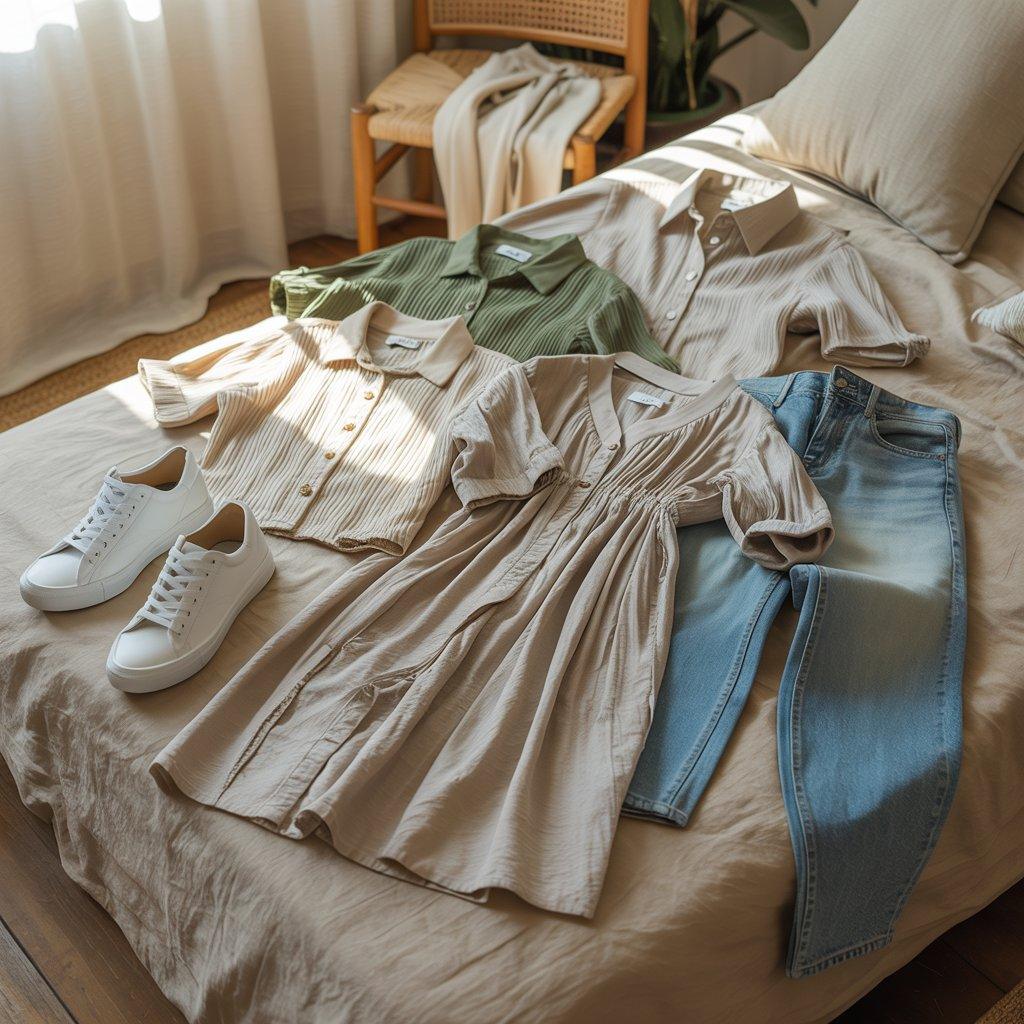
In spring, I focus on breathable fabrics that feel light but still structured. Organic cotton shirts, linen blouses, and light denim made with less water are good starting points. Brands like Patagonia and Eileen Fisher are known for using organic and responsibly sourced materials. Their pieces are simple, which makes them easy to mix and match.
For dresses, I look for midi-length styles in linen or TENCEL. These fabrics are softer on the environment compared to conventional polyester. You can pair a flowy spring dress with white sneakers made from recycled materials or responsibly sourced leather. A lightweight cardigan made from organic cotton finishes the look without adding bulk.
What works for me is choosing two or three neutral colors and building outfits around them. That way, I don’t feel like I need something new every week. Spring style can feel fresh without being wasteful.
14. Year-Round: Building a Sustainable Wardrobe That Lasts
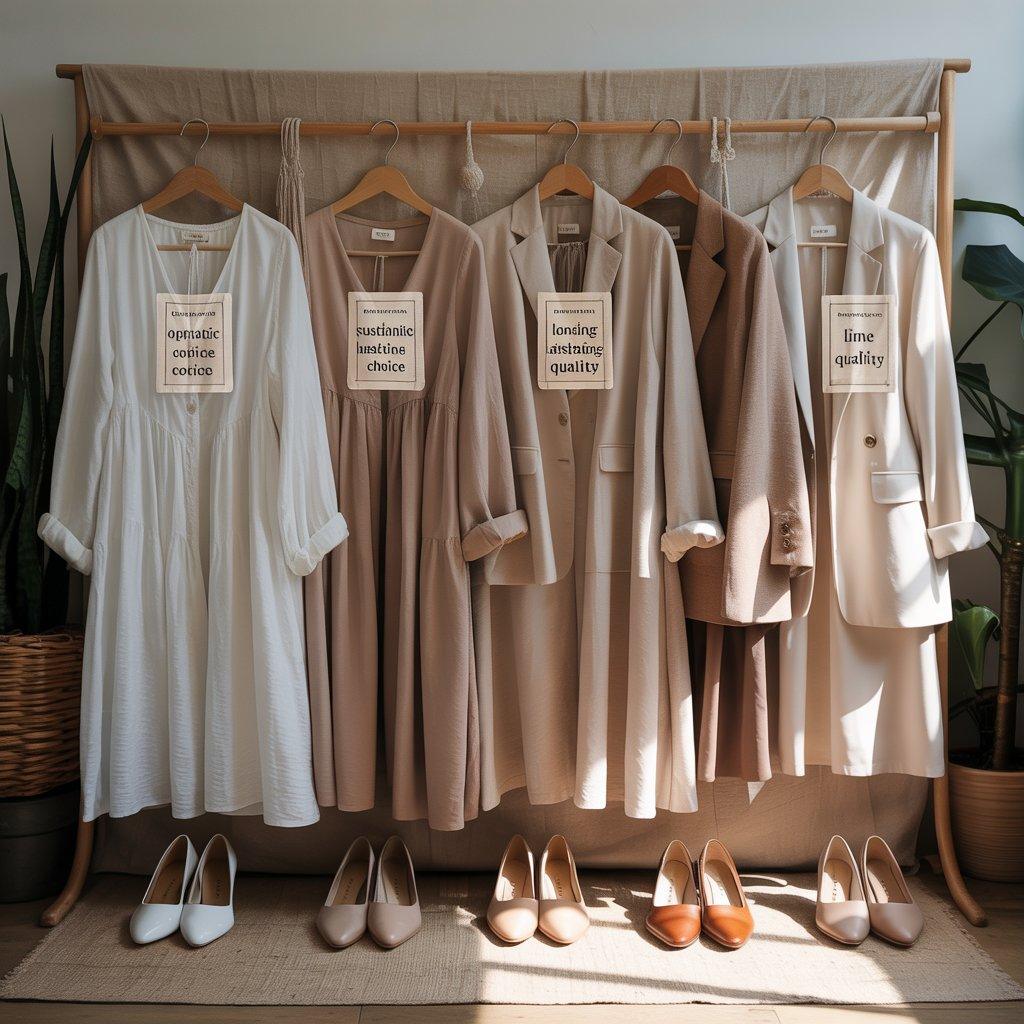
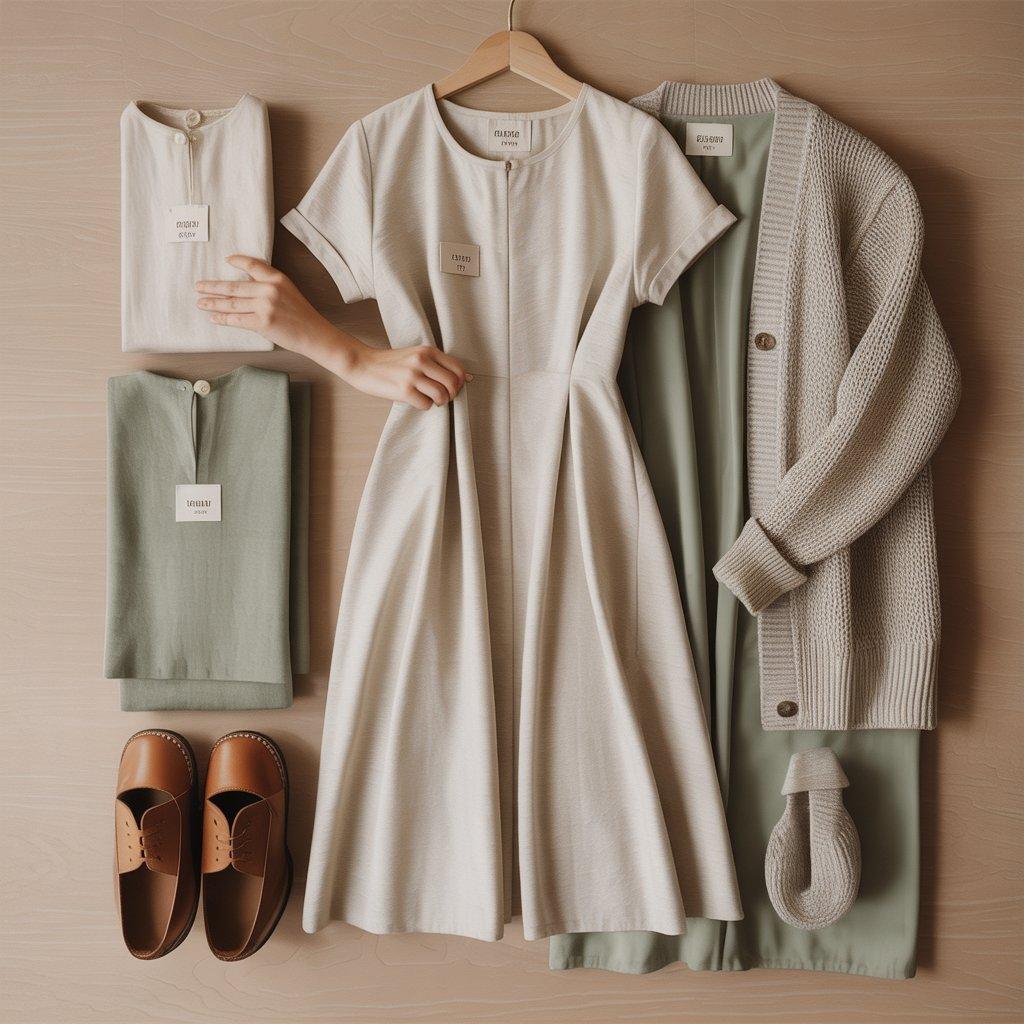
Eco friendly products for fashion lovers are not about perfection. They are about steady improvement. Start by checking fabric labels. Choose natural or recycled fibers when possible. Repair shoes instead of replacing them right away. Donate or resell clothes you no longer wear.
You can also create a small capsule wardrobe: a few dresses, two or three pairs of shoes, layering pieces, and accessories that work across seasons. When each item matches at least three others, getting dressed becomes easier.
Fashion should still feel creative and personal. The difference is you’re thinking long term. Instead of asking, “Is this trending?” you ask, “Will I wear this next year?” That shift alone can help you shop smarter.
Sustainable fashion doesn’t need to be loud or extreme. It can be simple. It can be practical. And it can still look like you.
Final Thoughts
If you’ve read this far, you already care about what you wear and where it comes from. That matters. Eco friendly products for fashion lovers are not about being perfect. They are about being aware and making better choices when you can.
You don’t have to change your whole closet this month. Start with one dress made from natural fabric. Choose shoes that are built to last. Try secondhand before buying new. Repair something instead of replacing it. These are small steps, but they add up over time.
Fashion should still feel fun. You should still enjoy putting together seasonal outfits, trying new combinations, and expressing yourself. The difference now is that you’re thinking long term. You’re choosing pieces that can stay with you for years, not weeks.
When you begin to build your wardrobe this way, something shifts. You stop chasing every trend. You start buying with intention. You feel more confident because your style feels steady and personal.
If this guide helped you see sustainable fashion in a clearer way, keep exploring. Look through your closet today and see what you can restyle. Check the fabric labels on your next purchase. Take your time.
Related Post: The Best Walking Shoes: Top Rated Picks for Comfort Cushion & Support